As Iran is 'pummeled' by US-Israeli strikes, observers say Tehran's determination appears unwavering
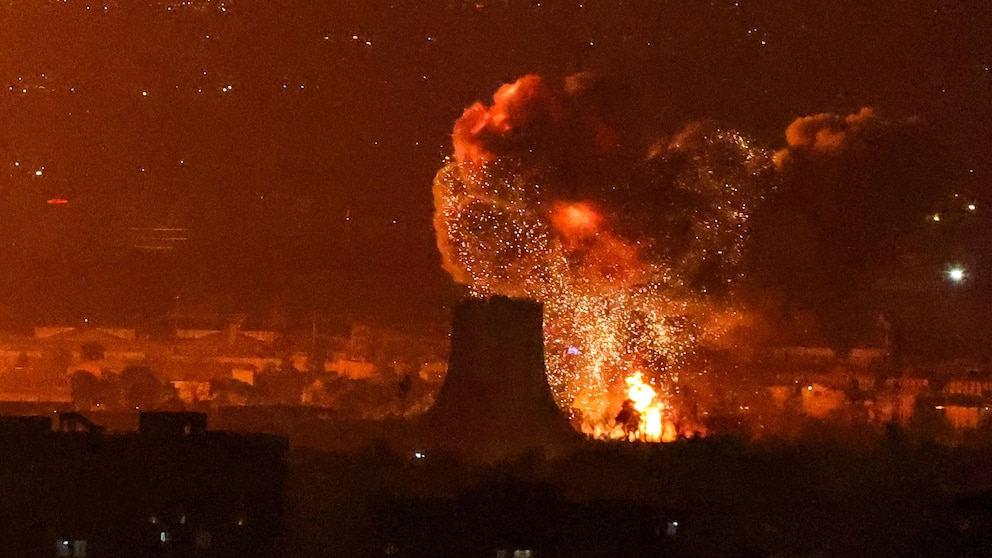
TEL AVIV and LONDON -- Even as Iran has been "pummeled" by Israeli and American air strikes, with its military capabilities greatly diminished, Tehran continues to demonstrate resolve, both in adapting and expanding its military tactics, observers told ABC News.
The U.S. and Israel have shown with their "industrial application of military force" that their strikes have been "incredibly sophisticated," retired British Gen. Richard Shirreff, a former NATO deputy supreme allied commander between 2011-14, told ABC News on Wednesday.
But, he added, history has demonstrated that aerial bombing has not always been effective at changing hearts and minds.
"It only reinforces determination to resist against the attacker," Shirreff said.
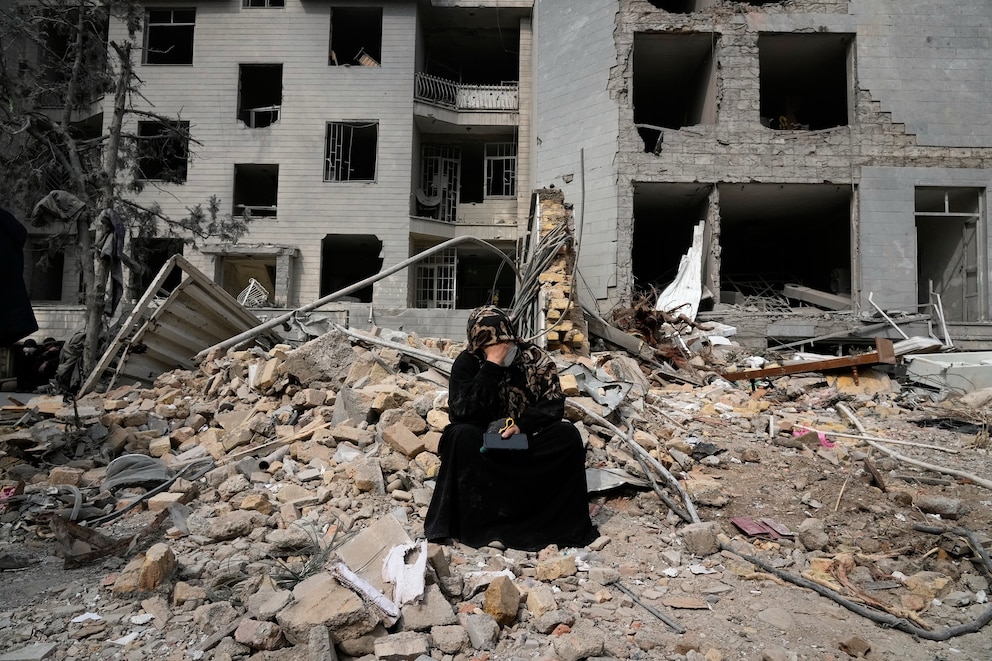
As the U.S.-Israeli war with Iran on Thursday becomes Iran's longest sustained conflict in years, surpassing last June's 12-day war, officials in Tehran have demonstrated that they are adaptable and determined, observers and officials have said, throwing into question whether the conflict can be quickly and effectively ended by the United States, despite President Donald Trump saying "we won."
"So long as they've got breath left in their bodies, the regime will look for the asymmetric approach to undermine the Americans," Shirreff said.
Iranian officials since the beginning of the conflict have maintained that their overall military strategy was defined during the years they spent studying U.S. forces in the region and elsewhere.
"We've had two decades to study defeats of the U.S. military to our immediate east and west. We've incorporated lessons accordingly," Abbas Araghchi, the Iranian foreign minister, said on March 1, the day after the first U.S.-Israeli strikes. "Bombings in our capital have no impact on our ability to conduct war."
He added that the Iranian military had created a "decentralized" defense force "which enables us to decide when—and how—war will end."
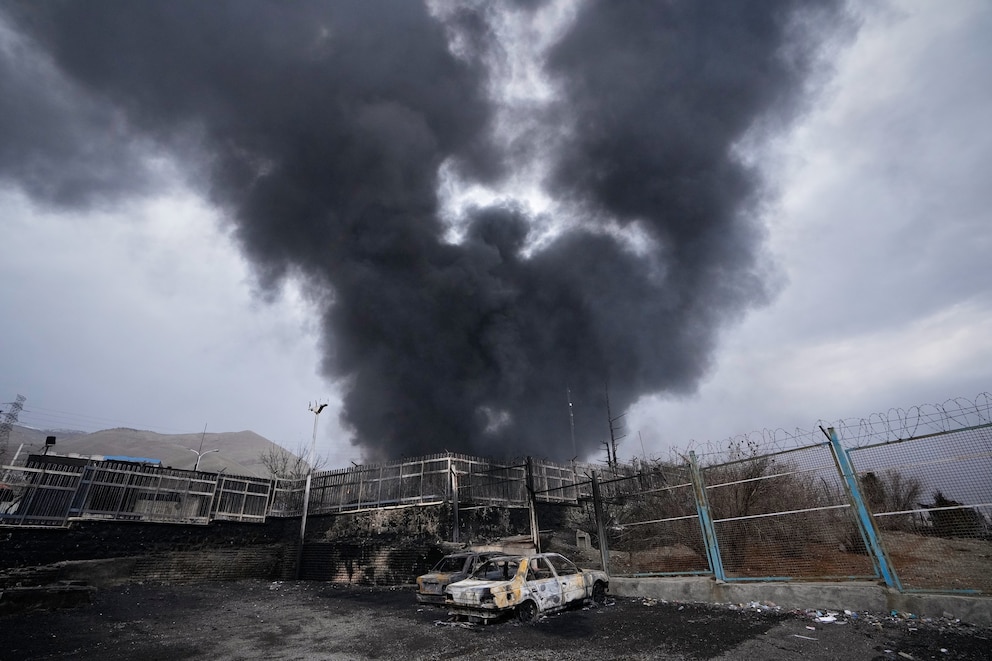
There have been signs that the Iranian military is "adapting, as are we," Gen. Dan Caine, the chairman of the U.S. Joint Chiefs, said during a press briefing on Tuesday. Citing operational security, Caine declined to detail what changes Iran had made that were working. "But we are watching what they’re doing, and we are adapting faster than they are," he said.
Iran also hasn’t detailed the ways in which its defensive plans have adapted or changed since the first U.S.-Israeli strikes on Feb. 28, but Tehran said on Wednesday that it had continued amplifying the scale and reach of its overnight drone-and-missile strikes, which continue.
The Iranian overnight attacks that led into Wednesday, which were the 37th wave of such strikes and which targeted Israel and Gulf nations where U.S. assets were based, according to Iran, were the country’s "most intense" of the war, according to Tehran. Officials in Israel, the United Arab Emirates, Oman, Qatar and Saudi Arabia said Iran had launched aerial strikes on them overnight into Wednesday.
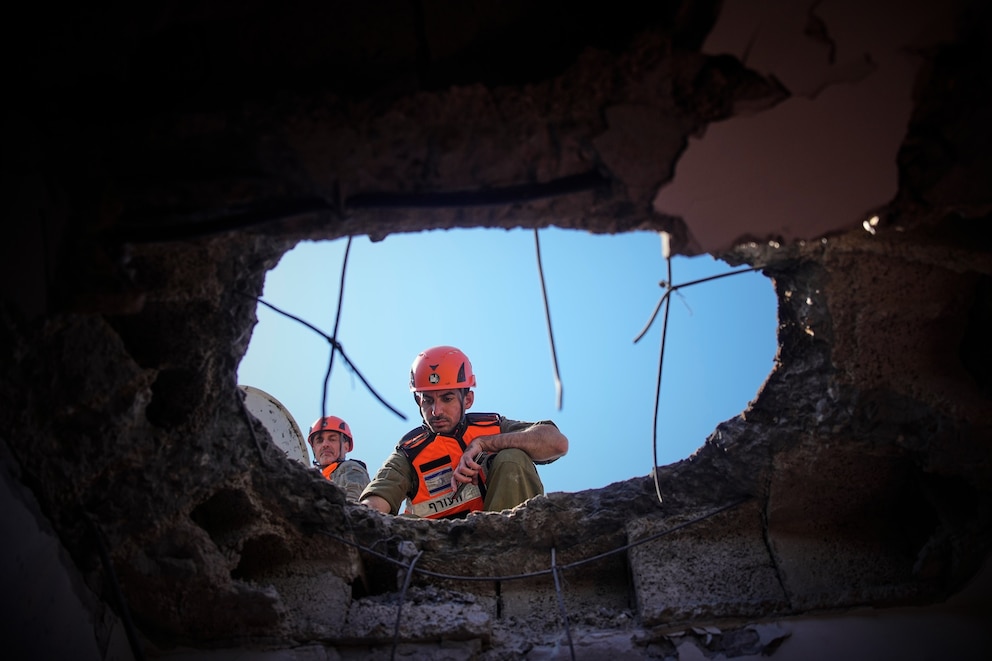
And Iran also for the first time on Wednesday struck at least two vessels in or near the Strait of Hormuz, attacks that Tehran characterized as a result of "ignoring alerts" from Iran’s navy. Iran, which has also attacked energy infrastructure in Gulf countries, also claimed responsibility on Thursday for a strike on an oil tanker off the Iraqi coast in the Persian Gulf. Another oil tanker was struck nearby and a container ship was struck near the strait, apparent attacks that Tehran had not taken credit for.
Iran has threatened to attempt to entirely close the strait, through which some 20% of the world’s oil is transported. The global price for a barrel of oil surged last week, hitting a high not seen since 2022, amid worries about supply. The U.S. and others on Wednesday said they would release oil reserves to counter the threats.
"I find it extraordinary that the Americans are taken by surprise by this," Shirreff said. "Attack Iran, Iran closes Strait of Hormuz, oil supplies run out. The economy's in trouble. It's not difficult stuff."
Iran's 'adaptable' strategy
The manner of Iran's retaliatory attacks in the Gulf appeared to show that Tehran was prepared for the war, said Janice Stein, the founding director of the University of Toronto’s Munk School of Global Affairs and Public Policy.
She pointed to the former supreme leader, Ayatollah Ali Khamenei, who was killed in the first day of the war, as the architect of its strategy.
"At Ali Khamenei’s direction, they distributed power, planned succession several levels down, and decided to increase the costs to the United States by attacking Washington’s allies in the Gulf and raising the price of oil," Stein told ABC News on Wednesday.
Mojtaba Khamenei, the newly installed supreme leader, who is the son of the former one, issued his first "strategic" message on Thursday, Iranian state media reported.
In the message, which was read on state TV by a presenter, he said Iran would continue its attempt to close the Strait of Hormuz to international traffic. He called for American military bases in the Middle East to be closed. He also said Iran was prepared to open "other fronts" against the U.S. and Israel, claiming Iran had identified and could seek to exploit potential vulnerabilities.

It was clear that Iran had prepped for the initial U.S.-Israeli attacks, said Jonathan Graubart, the political science chair at San Diego State University, adding, "One thing that is rarely denied is that it's government has been a rational one."
"So, it had a strategy in place, including planning for the killings of the ayatollah and many top military and political leaders," he said.
Officials in Tehran again showed they were adaptable when the Assembly of Experts, the body tasked with choosing a new supreme leader, shifted their voting to be virtual, rather than in-person, Stein said.
"As the war entered its second week, they have adapted in their messaging as they have increasingly toughened their conditions for an end to the war," Stein said.
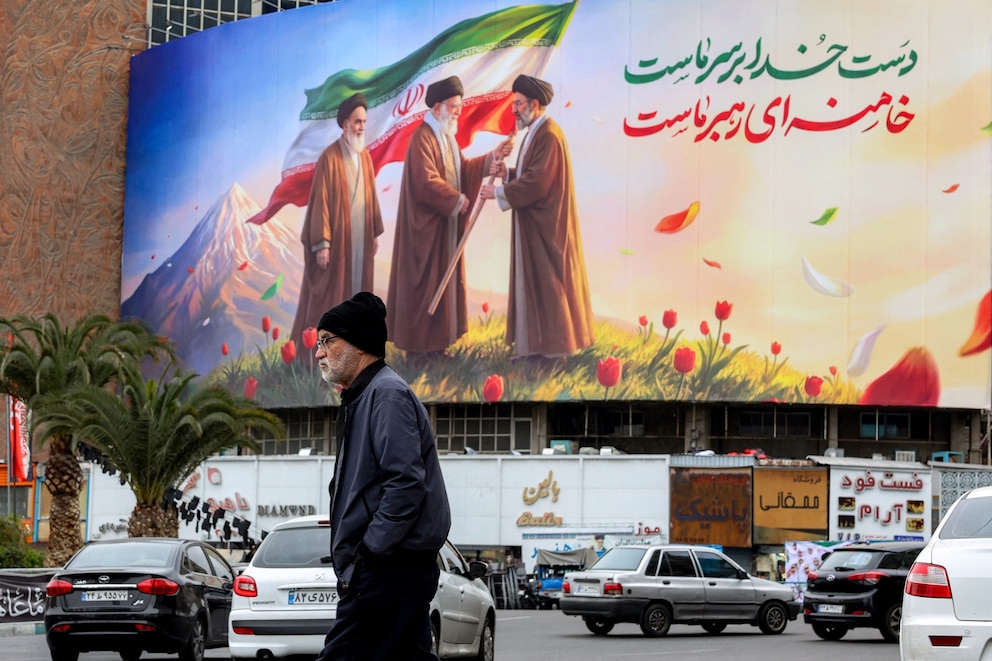
The intensifying strikes in and near the Strait of Hormuz also fit into a broader strategy for Iran, which has been pushing to make "this conflict as politically and economically painful for the U.S. and other states as possible," said Vicki J. Gilbert, an associate professor in international affairs at Wofford College.
"They know they cannot win against the US and Israel through force of arms -- but they can make the conflict costly for the US and others, which may foster domestic political pressure in the U.S. as well as diplomatic pressure from other states to end the fighting," she said. "Ramping up attacks on the strait fits with that broader strategy."
A path to 'victory' and potential regional aftereffects
Questions remain about what a U.S. and Israeli victory would entail, observers told ABC News, in part because the air strikes are unlikely to change the way Iranian officials view themselves and their place in the Middle East.
The U.S. administration under Trump is likely to "declare victory over the smoking ruins of Iran," Shirreff said. But first the U.S. would have to "defang" Iran's nuclear, ballistic and naval capabilities. It would also want to install a leadership friendly to the U.S., he added.
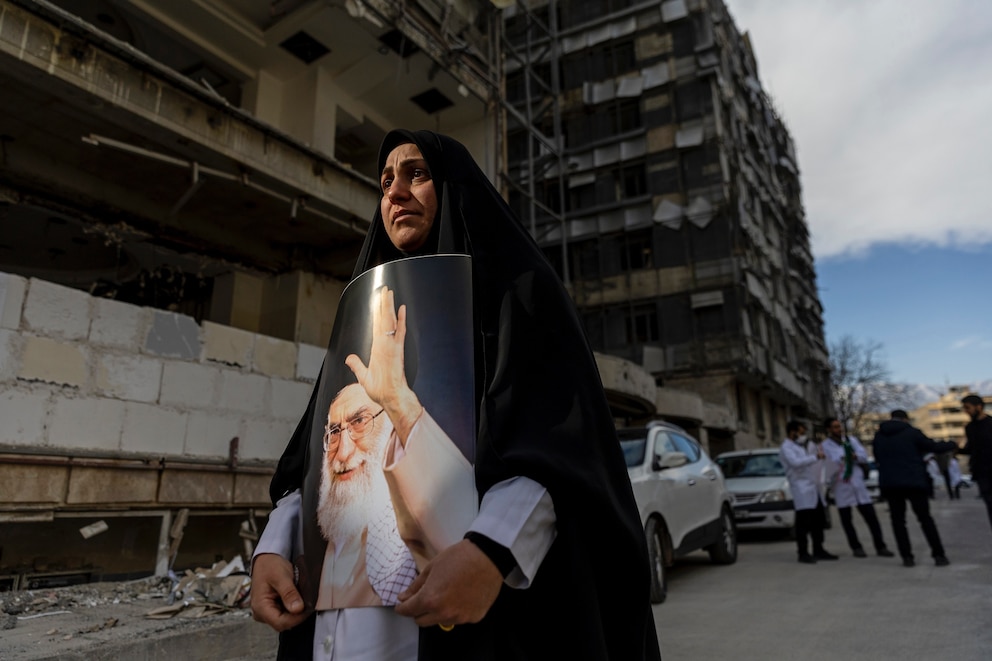
Trump last week said the White House had several objectives, including destroying Iran's ballistic missile capabilities, annihilating it Navy and ensuring they can never obtain a nuclear weapon. Two days after the war began, Trump told ABC News he expected it to be a "four-to-five-week deal," but he and other officials have since said that the conflict will go on for as long as it takes to reach their objectives.
"I think Trump genuinely thinks that he could do to Iran what he's done to Venezuela," Shirreff said. "In other words, decapitate the regime and put in place somebody who Trump can bribe to do what America wants to do. That is not going to happen in Iran."
It's also a "fantasy" that those goals would be accomplished only by air strikes, Graubart said. Air power has in the past proven effective in pushing a regime toward the door, but it's "in no way sufficient" as a method of changing a government, Gilbert said.
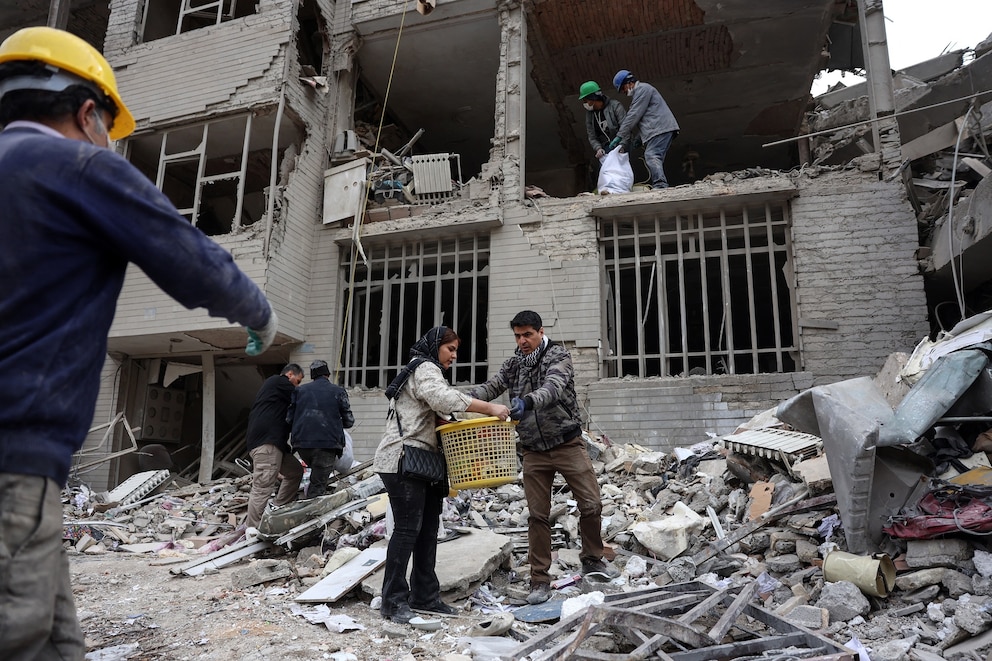
"Especially if the goal is regime change, although that’s unclear since the stated objectives of the conflict are vague and seem to keep changing, there is no way this can be achieved without boots on the ground," she told ABC News on Wednesday.
The Israeli goals for the end of the war appear deeper, including perhaps the complete destruction of Iran as a working state, Shirreff said. Israeli Prime Minister Benjamin Netanyahu has called for a change in regime in Iran, saying that the future of the country should be in its people's hands, but has not publicly called for turning it into a failed state.
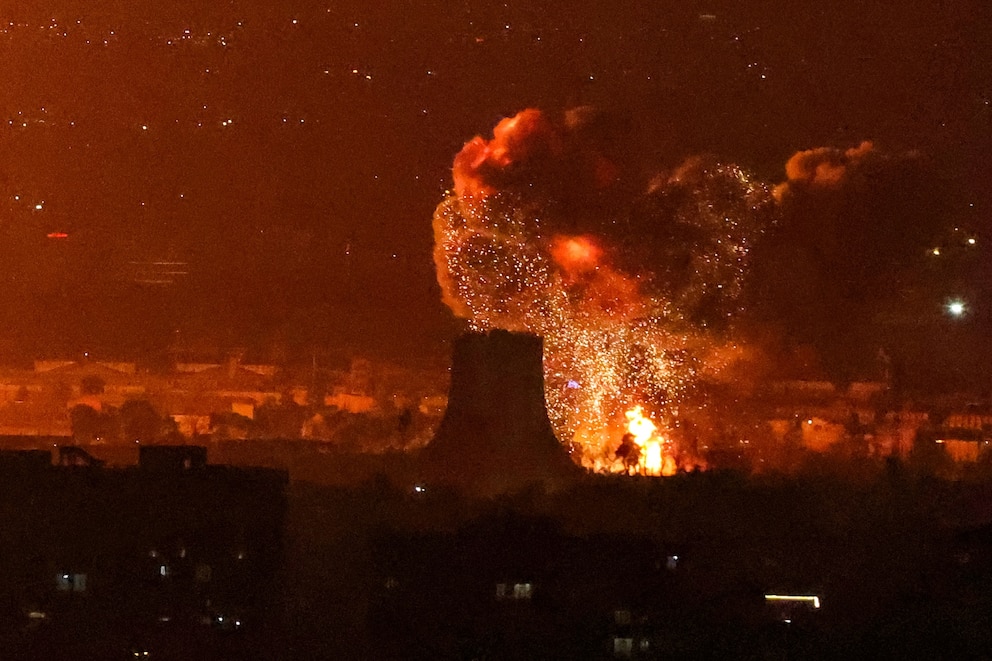
Such an outcome would produce longer-term affects, Shirreff added, saying such a rudderless state could come under the leadership of fundamentalist Islamic militants, becoming a "haven" for such ideas and a place that could remain a threat to Israel.
"It's a long-term global economic effect of what happens because geography matters here," Shirreff said. "And even if it's a destroyed regime, but if it is a sort of extreme Islamic regime still able to launch asymmetric attacks into the Gulf of Hormuz, the impact on global economies will be felt for many years to come."