Israel block on Gaza aid coordinated with Trump administration, Israeli source says

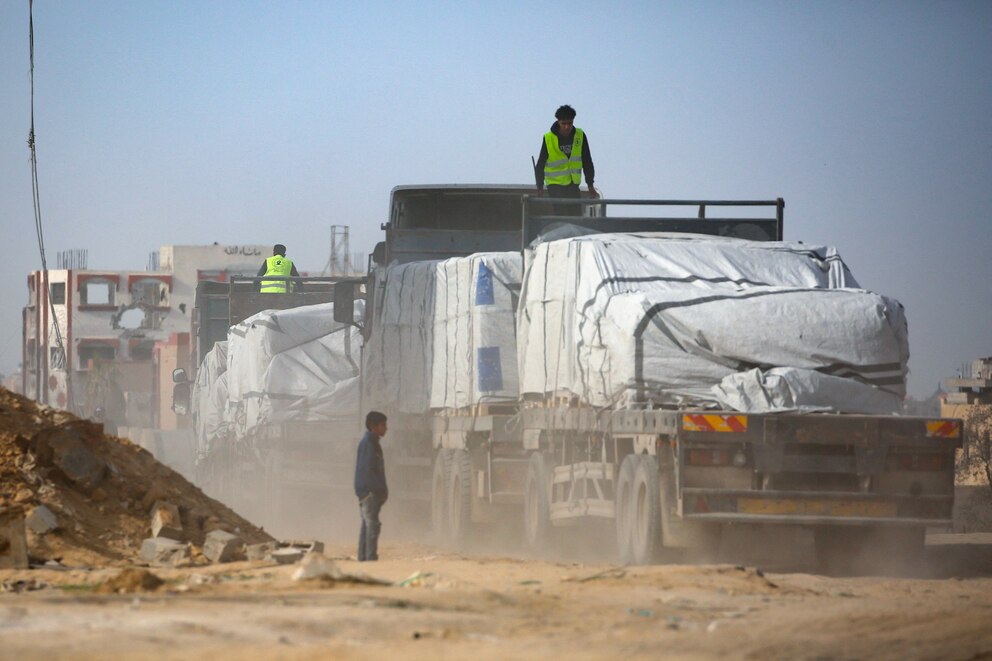
LONDON -- Israeli Prime Minister Benjamin Netanyahu's office on Sunday said the country imposed a blockade on all humanitarian aid heading into the Gaza Strip, following the expiry of phase 1 of Israel's ceasefire deal with Hamas and with negotiations regarding phase 2 still ongoing.
"Prime Minister Netanyahu has decided that, as of this morning, all entry of goods and supplies into the Gaza Strip will cease," Netanyahu's office said, accusing Hamas of refusing to accept the outline for continued talks set out by President Donald Trump's Middle East envoy Steve Witkoff.
"Israel will not allow a ceasefire without the release of our hostages," the statement said. "If Hamas continues its refusal, there will be further consequences."
An Israeli source told ABC News that "the Israeli decision to halt aid into Gaza was coordinated with the Trump administration."
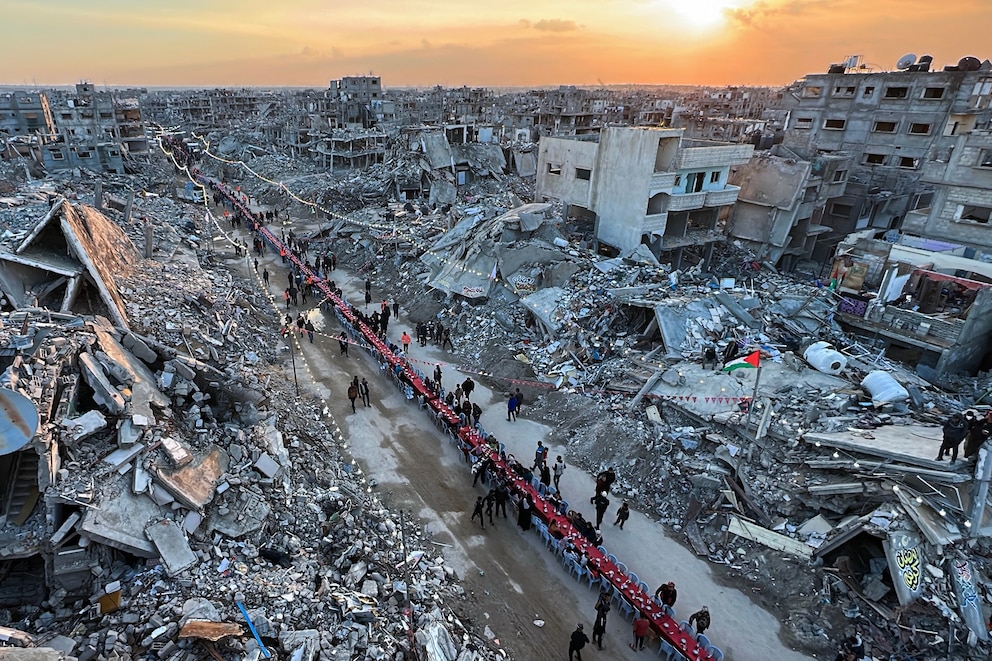
The White House said in a statement Sunday that it will "support" Israel's decision to block aid into Gaza, saying Hamas has indicated it's "no longer interested in a negotiated ceasefire."
"Israel has negotiated in good faith since the beginning of this administration to ensure the release of hostages held captive by Hamas terrorists. We will support their decision on next steps given Hamas has indicated it's no longer interested in a negotiated ceasefire," National Security Council Spokesman Brian Hughes said in the statement.
Witkoff's proposal was for a temporary extension of the ceasefire spanning the Ramadan and Passover holiday periods, ending on April 20. Under that proposal, Hamas would release half of all remaining living and deceased hostages on the first day and the rest when an agreement is reached on a permanent ceasefire.
The Israeli statement came after weekend negotiations regarding phase 2 of the ceasefire in Cairo, Egypt. Hamas was not directly involved in the talks and was represented by Qatari and Egyptian officials, who spoke with U.S. and Israeli delegations.
Hamas said in a Sunday statement that "Netanyahu's decision to stop humanitarian aid is cheap blackmail, a war crime and a blatant coup against the agreement."
"We reaffirm our commitment to implementing the signed agreement in its three stages and we have repeatedly announced our readiness to begin negotiations for the second stage of the agreement," the group added, calling on the U.S. "to stop its bias and alignment" with Israel.
"We call on the mediators to pressure the occupation to implement its obligations under the agreement, in all its stages, and to implement the humanitarian protocol, and to bring in shelters and rescue equipment to the Gaza Strip," Hamas added.
The statement said "the only way" to secure the return of Israeli hostages is to adhere to the ceasefire and "immediately enter into negotiations to begin the second stage."
Hamas spokesperson Hazem Qassem said in a statement Sunday that they continue to speak to mediators "to ensure the implementation of the remaining phases of the ceasefire agreement."
Meanwhile, the Israel Defense Forces said in a statement Sunday that its warplanes bombed Beit Hanoun in the north of the strip -- an area depopulated and repeatedly assaulted by Israeli forces during the war.
The IDF said the airstrike targeted "several suspects" operating close to IDF troops in northern Gaza, who were "identified planting an explosive device in the area."
ABC News' Jordana Miller, Nasser Atta, Somayeh Malekian and Michelle Stoddart contributed to this report.