Items From Kids' Ears, Noses and Throats on Display at Boston Children's Hospital
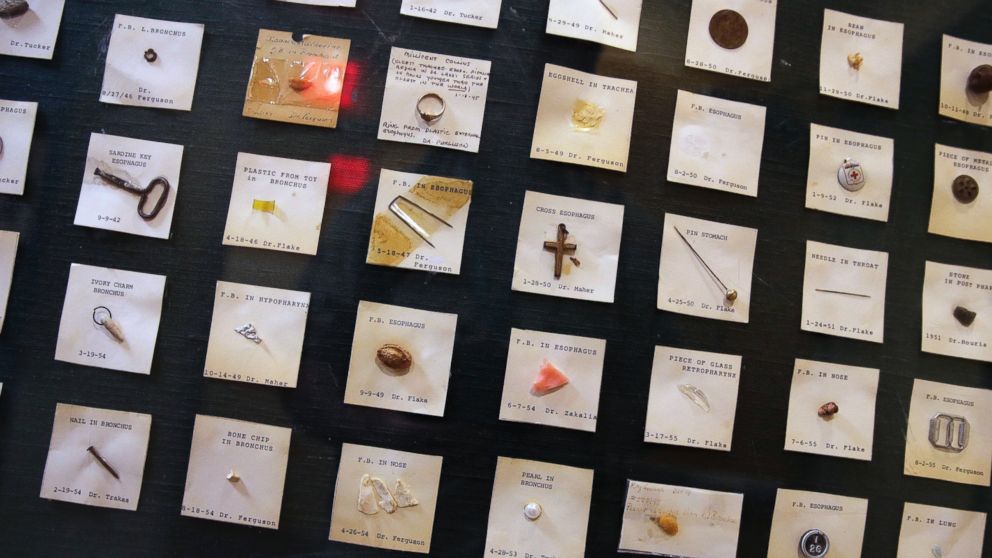
— -- A chilling display at Boston Children's Hospital shows odd items that have become lodged in and then were removed from kids' ears, noses and throats.
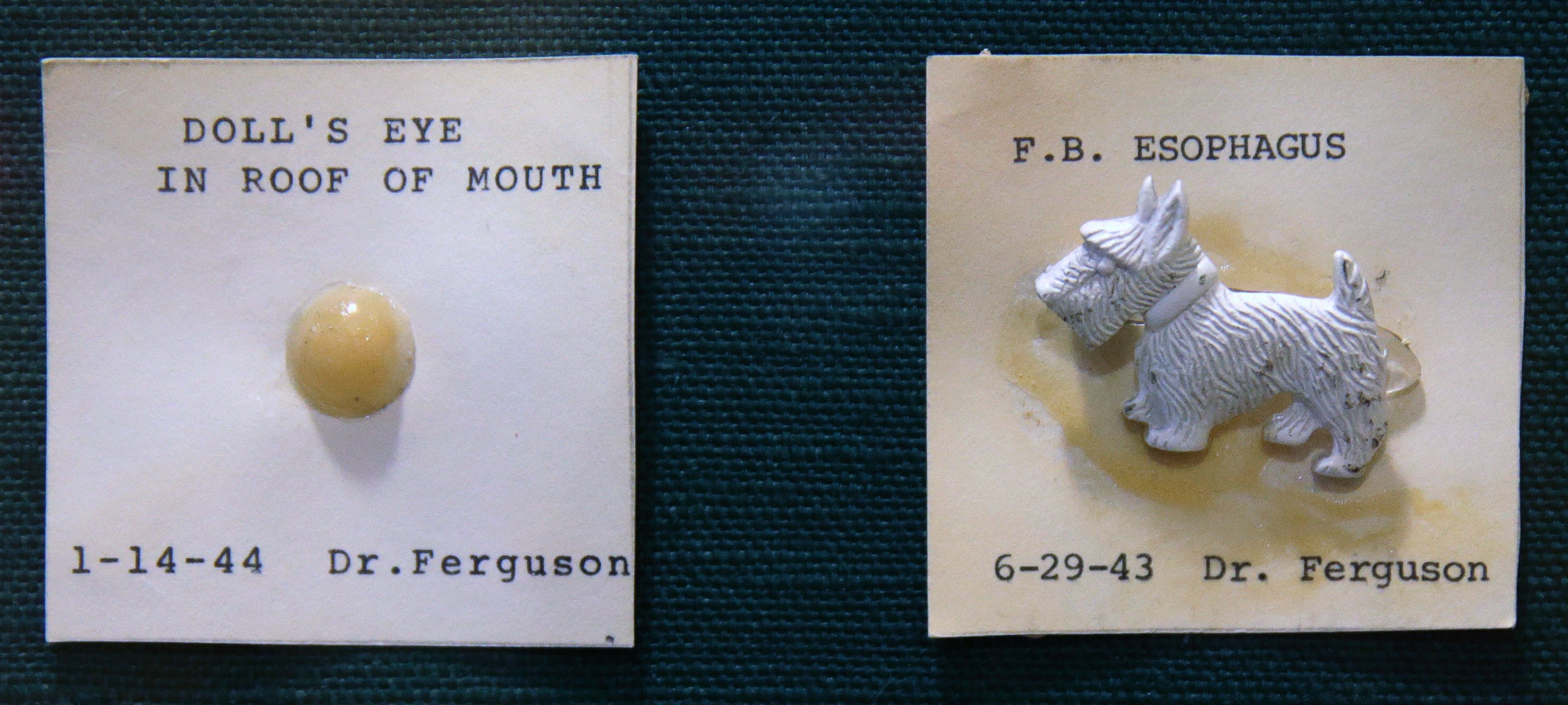
A chart at the entrance of the Ear, Nose, and Throat Department (ENT) features the array of items doctors have removed from their child patients.
If it is small enough to swallow, get lost in the ear drum, or shoved or sniffed into the nasal cavity, it might have a special spot on the chart, which has been on display since 1918.
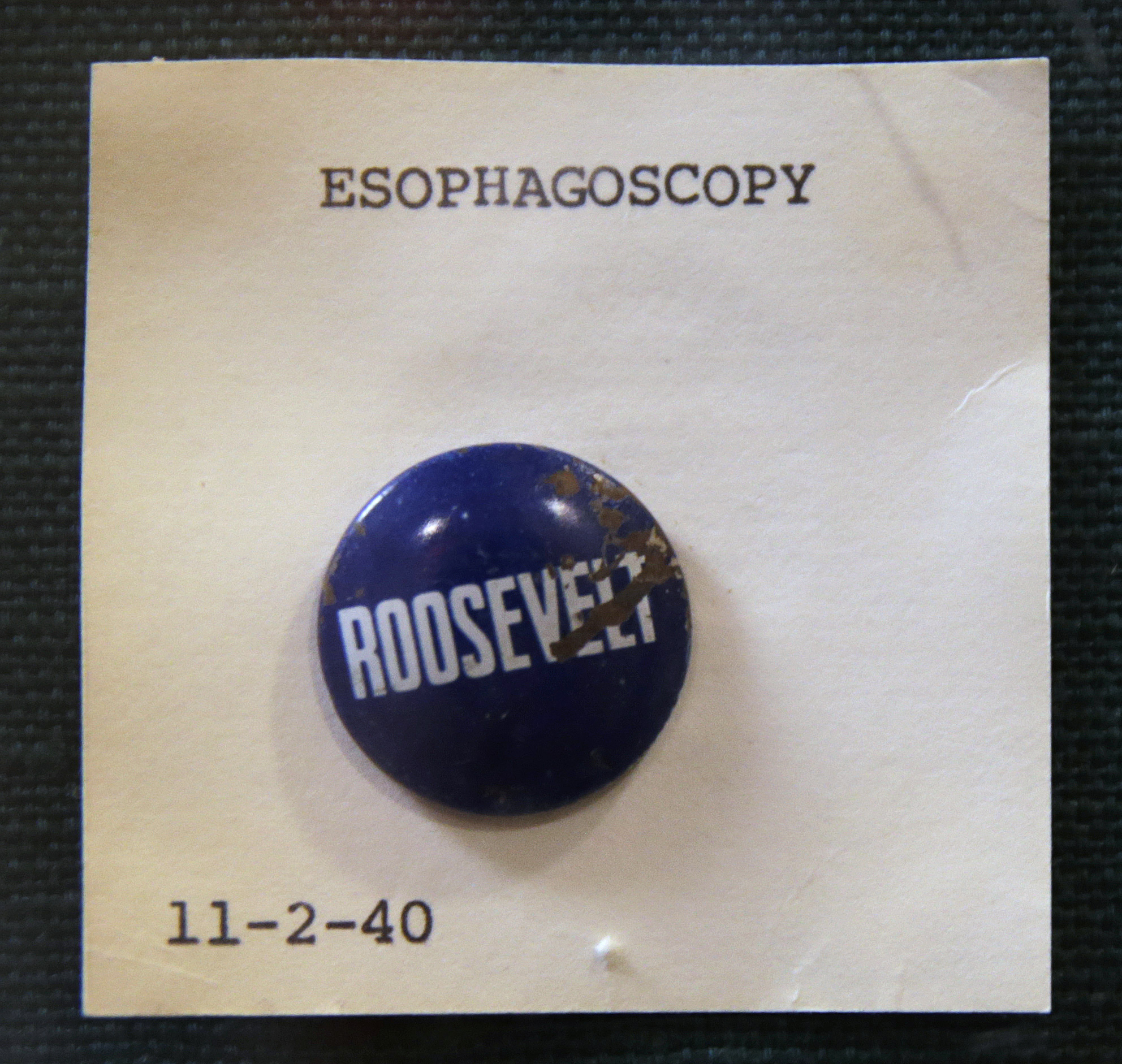
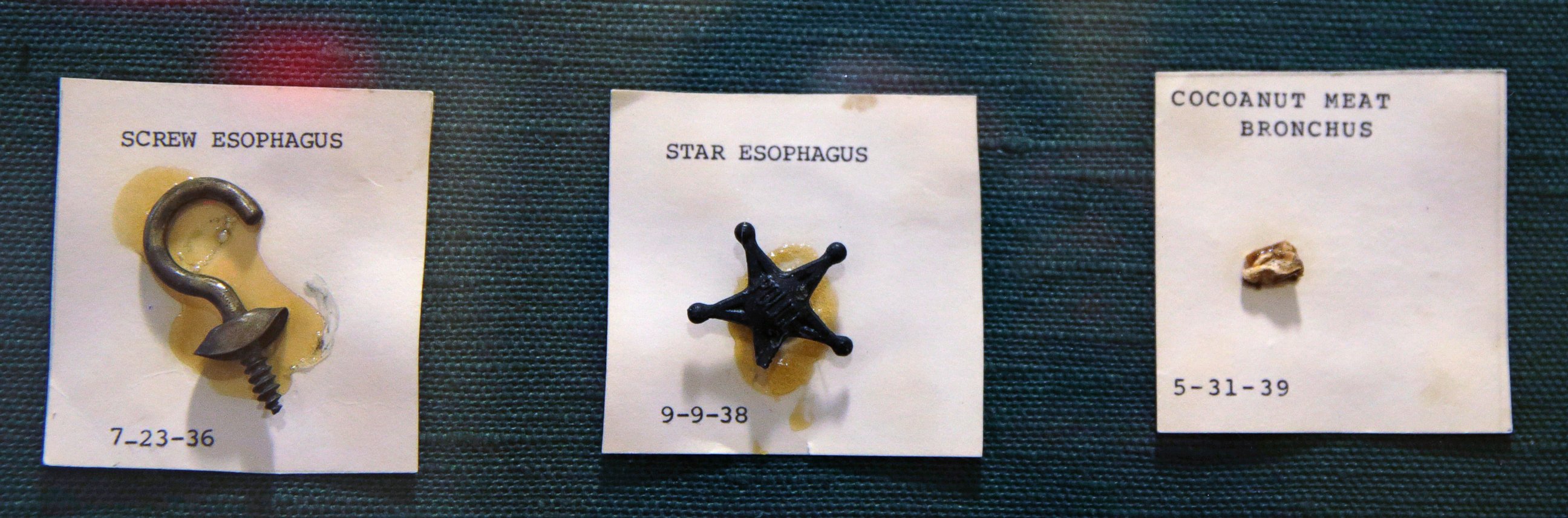
A nail, corned beef or sardine can key, wedding band and rosary bead are just some of the toe-curling items collected over the years, and those are not even among the most unimaginable things doctors have extracted.
"It is definitely something that catches the eyes of parents and makes them think twice about what their kids are exposed to," Head and Neck Surgeon Dr. Anne Hseu told the Associated Press.
One doesn't need to be a doctor to understand that these items, lodged where they have absolutely don't belong, can cause a lifetime of pain and irrevocable damage, if not death.
Hseu told the AP that foreign objects are most commonly swallowed. Among the most common finds are button batteries, an issue the Consumer Product Safety Commission warned about in 2011.
"A recent study conducted by Dr. Toby Litovitz of the National Capital Poison Center, found that button battery-related incidents resulting in severe injury and fatality have increased seven-fold since 1985," the CPSC noted. "The majority of reported incidents involve 20 mm diameter, or larger, 3 volt batteries. Occasionally, a swallowed battery will pass through the intestine. Most often, however, batteries that become lodged in the throat or intestine can generate and release hydroxide, resulting in dangerous chemical burns."
Boston Children's Hospital did not immediately respond to ABC News' request for comment.
Health officials say parents and guardians cannot be too careful when it comes to keeping small and dangerous objects away from children, the mentally ill and the elderly.