JD Vance to head US negotiations with Iran: What comes next?
Mediators are charging ahead with plans to hold talks involving the U.S. and Iran in Pakistan this weekend despite indications on Wednesday that the two-week ceasefire deal was on shaky ground and that both sides remained far apart on key issues.
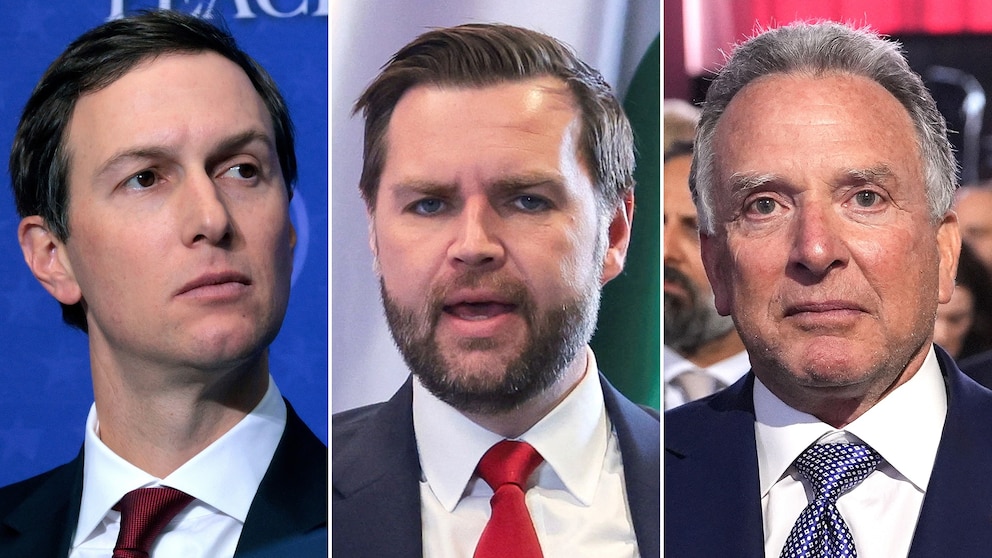
White House press secretary Karoline Leavitt announced on Wednesday that the discussions aimed at reaching a long-term agreement to resolve the conflict between the countries would begin on Saturday morning, local time, in Islamabad, and that the U.S. negotiating team would be led by Vice President JD Vance, Special Envoy Steve Witkoff, and President Donald Trump's son-in-law, Jared Kushner.
Officials say the negotiations are likely to begin as proximity talks -- meaning both the U.S. and Iranian delegations will be in the same location, but that messages between the two would still be exchanged through intermediaries.
However, it is possible the Trump administration might push for a period of direct conversations with their Iranian counterparts, as has been the case during negotiations that took place before the war began.
The talks will attempt to build on the truce both the U.S. and Iran signed off on shortly before Trump's Tuesday evening deadline for Tehran to fully open the Strait of Hormuz or be bombed "back to the Stone Ages."
But before the agreement had been in place for 24 hours, Iran threatened to back out over ongoing Israeli military action in Lebanon targeting Hezbollah -- Tehran's most powerful proxy in the Middle East.
Mohammad Bagher Ghalibaf, the speaker of Iran's parliament who Trump previously identified as one of the "more moderate" leaders within the country that his administration has been conversing with, claimed in a statement that the U.S. had violated the terms of the deal and that a bilateral ceasefire or negotiations would be "unreasonable."
But later Wednesday, Vance said there was a "legitimate misunderstanding" at play.
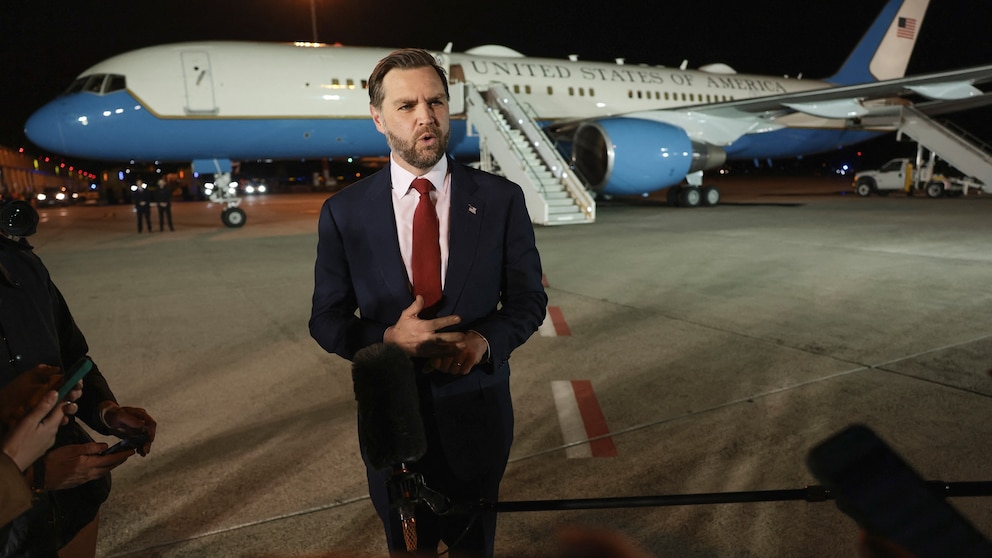
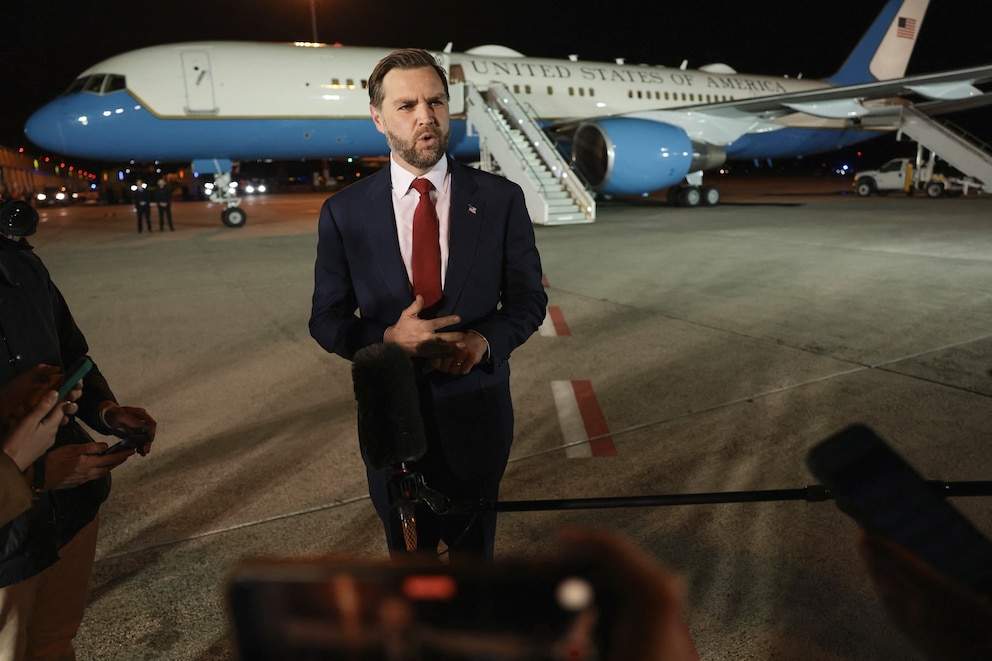
"I think the Iranians thought that the ceasefire included Lebanon, and it just didn't. We never made that promise, we never indicated that was going to be the case," Vance said on a tarmac before boarding Air Force Two to return to Washington after wrapping up a visit to Hungary.
Vance added he was expecting to be fully read-in on the situation once he boarded the plane, but that it was his understanding that the Israelis had offered to "check themselves a little bit on Lebanon."

"They want to make sure our negotiation is successful," he said, adding that Iran allowing the ceasefire to fall apart over Lebanon "would be dumb."
If the ceasefire holds and plans for talks in Pakistan move forward, the U.S. and Iran will still have significant gaps to bridge. Trump indicated in a social media post announcing he had agreed to the truce that a 10-point plan submitted by Tehran would be "a workable basis on which to negotiate."
Tehran's initial public reaction to the sentiment indicated the Iranian regime believed Trump was accepting a counterproposal it submitted to mediators on Monday, which U.S. officials dismissed as maximalist.
Another version of that plan circulated in Farsi went even further, insisting that Iran be allowed to continue enriching uranium -- a red line for Trump.
Vance said on Wednesday that Iran's initial list of demands was "immediately thrown in the garbage" and that there was another proposal "that was much more reasonable, that was based on some back and forth between us, between the Pakistanis and between the Iranians."
U.S. officials have said Iran's first proposal was seen primarily as a messaging tool deployed by the regime rather than a true reflection of its positions, and that mediators made edits to that plan based on input from both sides. However, it's unclear whether Tehran ever signed off on a revised version.
Iran has pushed for Vance to be at the table for negotiations in the past, viewing him as a potentially more measured voice within the Trump administration. The vice president's involvement in the talks would also make them the highest level, in-person engagement between Iran and the U.S. since ties between the countries were severed in 1979.
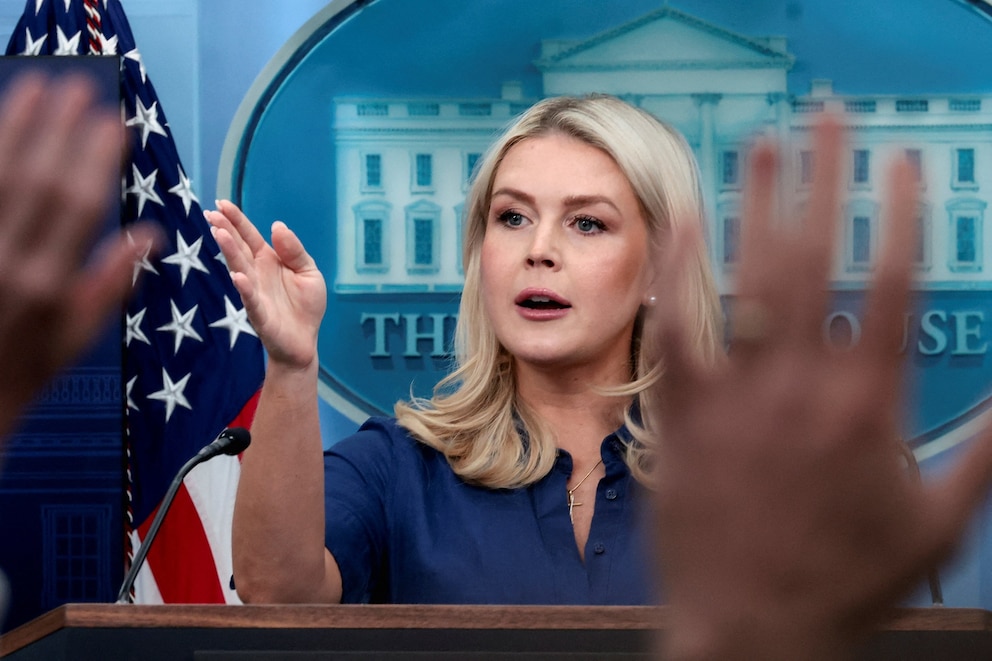
Leavitt has indicated the same red lines that stymied negotiations with Iran before the U.S. and Israel launched military strikes against the country in late February would still be at play, including demands for a stop to all uranium enrichment in Iran and the elimination of its near-weapons-grade stockpiles.
"He's committed to ensuring that takes place. We hope it will be through diplomacy," Leavitt said, later saying that Tehran had signaled it may turn over its stores of highly enriched uranium.
But Iran has not confirmed Leavitt's assertion, and earlier on Wednesday, Secretary of Defense Pete Hegseth said the U.S. could still take military action to seize the stockpiles.
"We'll take it if we have to," he told reporters.
There are also conflicting signs as to whether Iran will comply with the administration's most immediate demand: fully opening the Strait of Hormuz. Iranian state media said on Wednesday that the regime had again closed the waterway in retaliation for Israel's strikes in Lebanon.
Leavitt denied the reports.
"This is a case of what they're saying publicly is different. Privately, we have seen an uptick of traffic in the Strait today," she said.