US attorney testifies that White House didn't direct him to seek criminal charges against Abrego Garcia
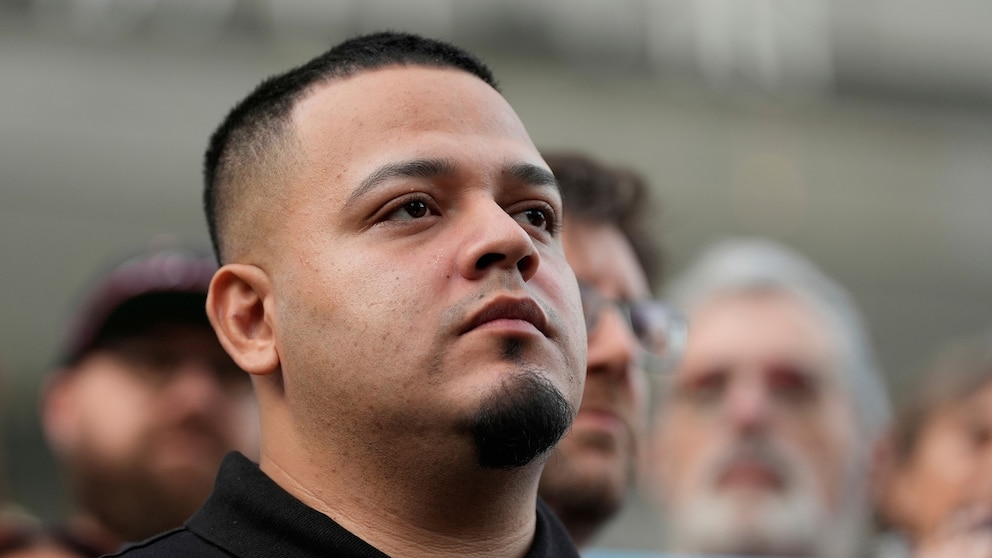
The acting U.S. attorney for the Middle District of Tennessee, testifying Thursday at a hearing on whether the government is being vindictive in pursuing a human smuggling case against Kilmar Abrego Garcia, said that no one from the White House or the Department of Justice made the decision to seek an indictment against the Salvadoran native.
The hearing came after the federal judge overseeing the case, Waverly Crenshaw Jr., canceled the trial in the case in December and wrote in a court order that there was enough evidence to hold a hearing on the question of vindictive prosecution after the Trump administration brought Abrego Garcia back from detention in El Salvador to face charges stemming from a 2022 traffic stop in Tennessee.
"Who decided to seek an indictment against Abrego Garcia?" a government lawyer asked Robert McGuire, the Tennessee prosecutor who brought the case, during Thursday's hearing.
"I did," McGuire testified.
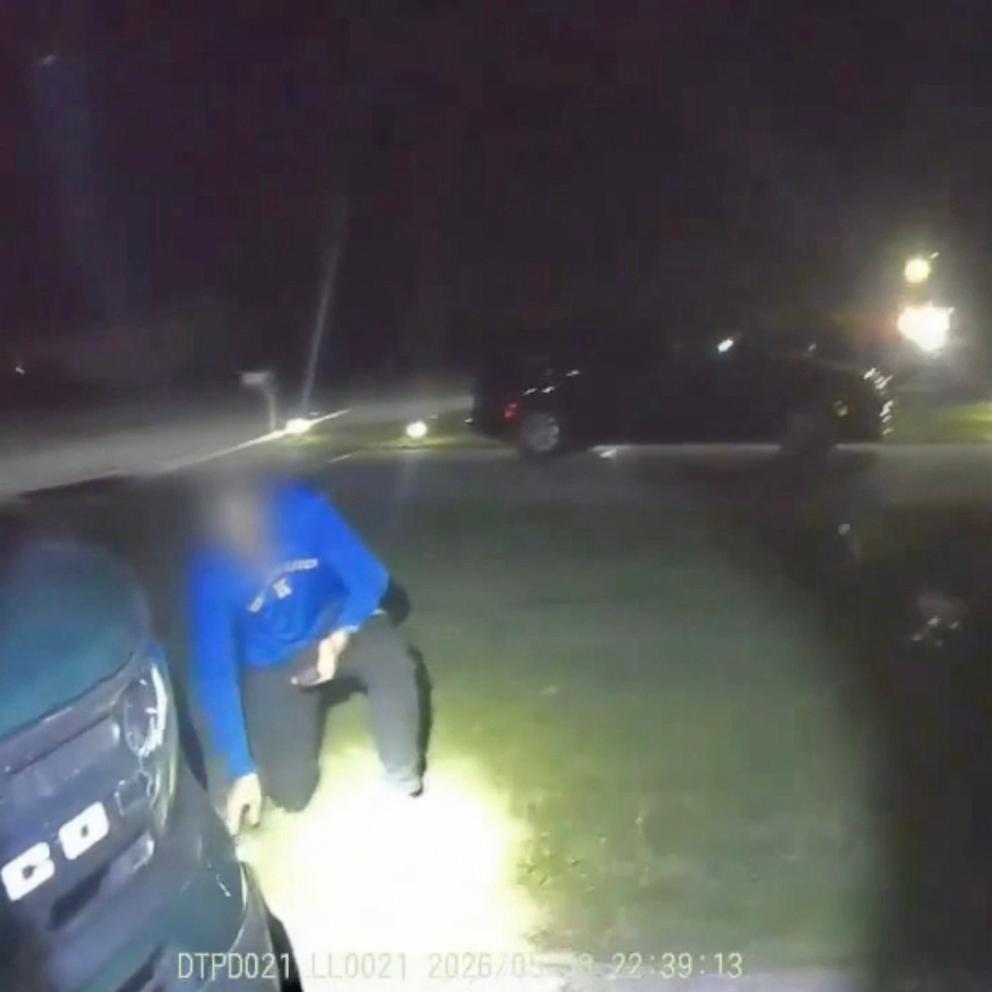
McGuire said that after reviewing the body camera footage of the 2022 traffic stop, "there were things" that were similar to other human smuggling cases, including the number of individuals in the car, the lack of luggage in the vehicle, and the fact that Abrego Garcia -- who was the driver -- "seemed to speak on behalf of everyone else." Abrego Garcia was not charged at that time.
"This really looked like a human smuggling case to me," McGuire testified.
When asked about his communications with DOJ leadership, McGuire testified that he needed to involve top DOJ leaders because Abrego Garcia was in El Salvador at the time McGuire was seeking an indictment.
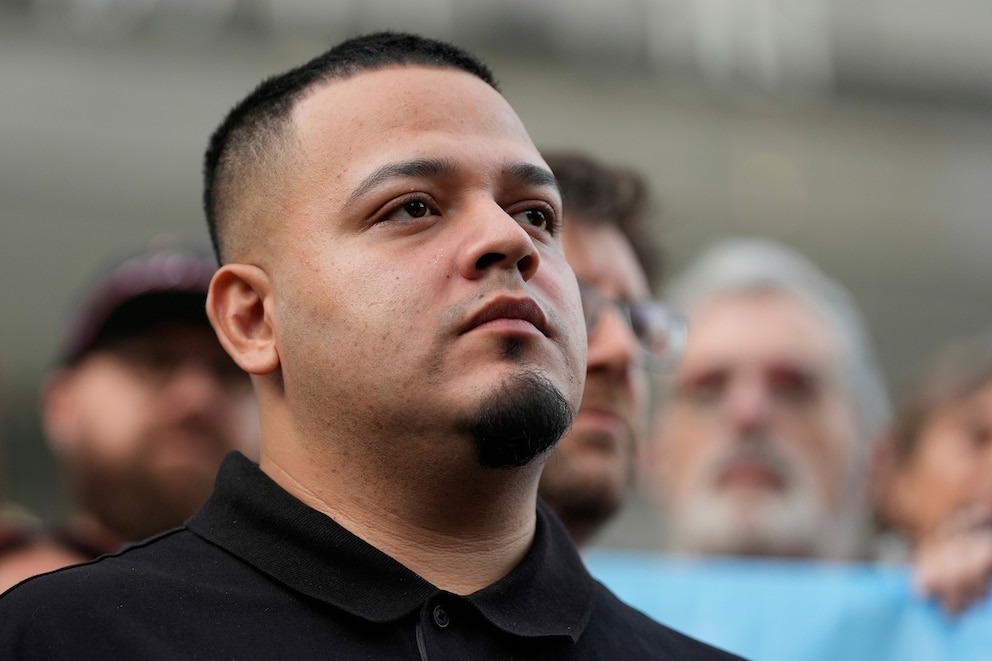
"I needed department leadership," McGuire said. "I knew that I wasn't going to be able to do much about what the president of El Salvador wanted. That was going to have to come from Main Justice."
"If he's in a foreign country, we have to start taking steps to bring him back," McGuire said.
In response to questions about an email from a top DOJ official to McGuire stating that the case was a "top priority," McGuire said DOJ leadership "always" wanted to stay updated on high-profile cases.
McGuire also said he knew there were going to be questions about bringing the case two years after the traffic stop, but testified that he "acted on it as soon as [he] knew about it."
Earlier in Thursday's hearing, an investigator with the Department of Homeland Security said that she felt no pressure to bring charges.
Saoud stated that as she began her preliminary investigation and obtained the video of the traffic stop in the spring, "the case started getting stronger."
When asked by a DOJ attorney whether she felt pressured by the government to move the case toward prosecution, Saoud said no.
"We're not swayed by political attention or political posturing," Saoud testified.
The government is currently blocked from deporting Abrego Garcia, who was released from immigration detention in December. In a separate case last week, a federal judge ruled that Immigration and Customs Enforcement cannot re-detain him because his 90-day detention period had expired and the government lacked a viable plan for his deportation.
The Salvadoran native, who had been living in Maryland with his wife and children, was deported last March to El Salvador's CECOT mega-prison -- despite a 2019 court order barring his deportation to that country due to fear of persecution. The Trump administration claimed he was a member of the criminal gang MS-13, which he and his attorneys deny.
He was brought back to the U.S. in June to face the human smuggling charges, to which he pleaded not guilty.
After being released into the custody of his brother in Maryland pending trial, he was again detained by immigration authorities before being released in December.