Trump waited 'too long' to seek moving hush money conviction to federal court, judge says
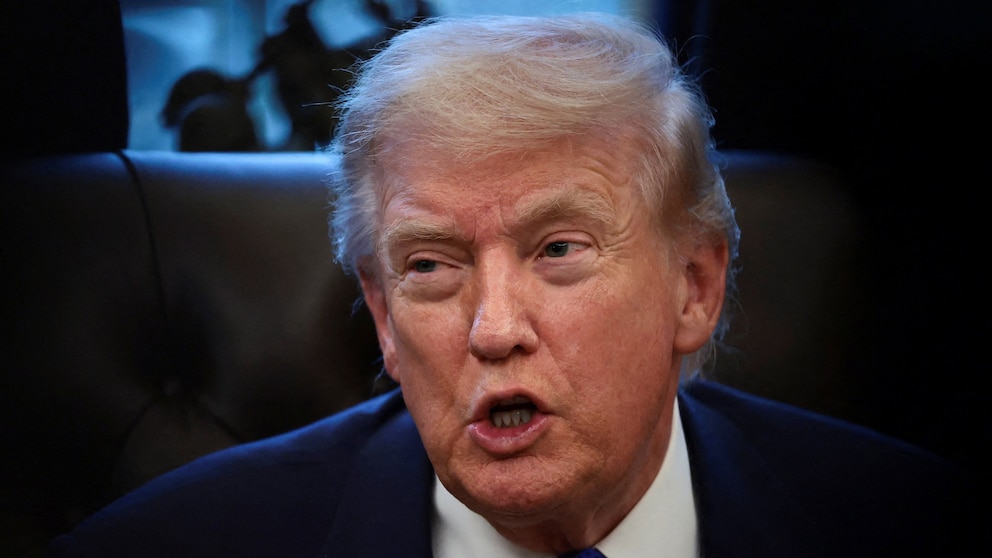
President Donald Trump waited "too long" after the U.S. Supreme Court's 2024 decision on presidential immunity to try and move his criminal hush money case from New York into federal court, a federal judge said Wednesday -- though he did not make a final decision on the matter.
Trump cannot pardon himself on a state conviction but his attorneys said his aim is to get the case into the federal appellate system and ultimately in front of the Supreme Court as quickly as possible.
Trump was convicted May 30, 2024, of 34 felony counts of falsifying business records related to a hush payment to adult actress Stormy Daniels. An attorney for Trump argued Wednesday that the case against Trump relied on evidence related to Trump's official acts as president, after the U.S. Supreme Court ruled that Trump was entitled to presumptive immunity for acts related to his official duties.
That evidence included Oval Office conversations with then-White House communications director Hope Hicks, social media posts about Trump's then-attorney Michael Cohen, and testimony from former White House aide Madeleine Westerhout.
Trump's attorney, Jeff Wall, argued that prosecutors did not have to introduce evidence covered by the Supreme Court's immunity opinion, but once they did, "this became a prosecution relating to those official acts."
Judge Hellerstein questioned whether the communications introduced at trial had anything to do with the presidency or were unofficial and merely "embarrassing" for Trump.
"The telling part of the evidence was the falsification of the records themselves that had nothing to do with any kind of White House directory or official records," Hellerstein said.
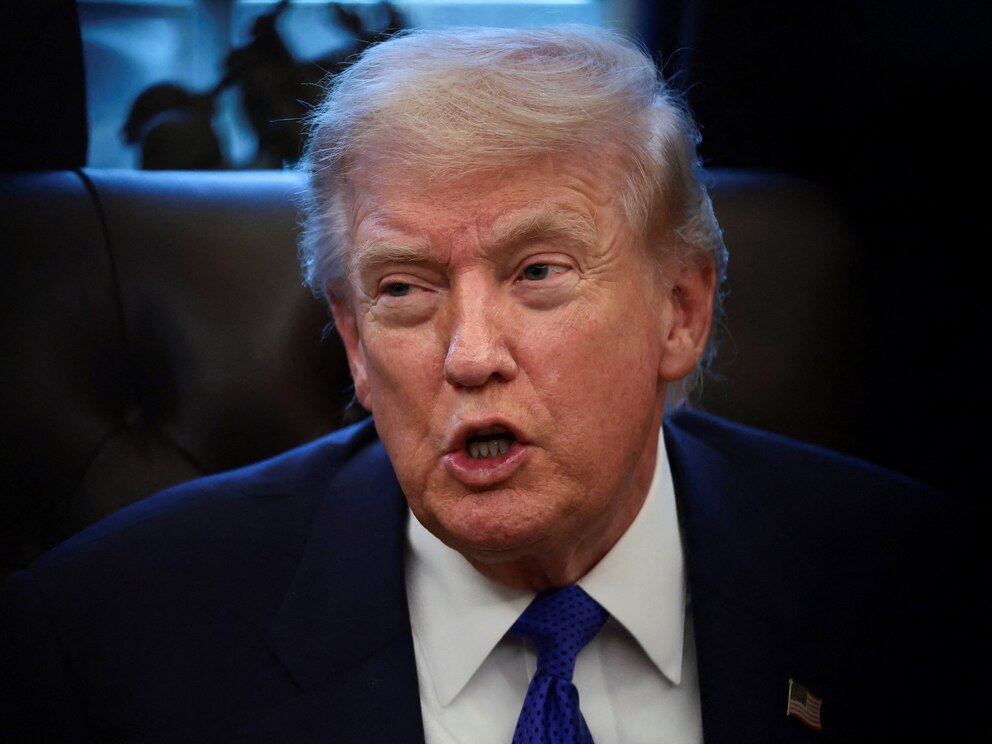
Steven Wu with the Manhattan district attorney's office argued that the Supreme Court opinion only affects admissibly of evidence and not the charges, which he said had nothing to do with Trump's official conduct.
"Defendant seems to think if evidence of official acts is introduced, that somehow transforms the criminal action. That is just not true," Wu said.
After the Supreme Court's immunity ruling in July 2024, Trump first asked the trial judge, New York State Supreme Court Justice Juan Merchan, to vacate his conviction, then opted to ask for removal to federal court where Trump could try to overturn it.
The request, in late August, came 58 days after the Supreme Court decision -- beyond the customary 30-day grace period.
"It seems that you're waiting too long," Judge Hellerstein said during Wednesday's hearing. "You didn't have to go through a motion before Judge Merchan."
Wall argued it was "reasonable" to give Merchan a chance to consider the matter first or else the president would have risked showing "disrespect" to the trial judge. "It is what any sensible litigant would do," Wall said.
Hellerstein, however, appeared unmoved.
"Whether Judge Merchan would have been pleased or displeased is totally irrelevant," he said. "You intended to litigate in state court. Only when you sensed disappointment did you revert to an effort to have a federal forum."
Hellerstein also asked whether moving the case to federal court is appropriate when there has already been a verdict, sentencing and a pending appeal in state court.
"If there is nothing more for a district court judge to do other than to certify what the state court has done, is that appropriate?" Hellerstein asked.
Wall conceded there would be nothing for Hellerstein to do other than adopt the state court judgment and shuffle the case to the 2nd U.S. Circuit Court of Appeals.
"On we go to the 2nd Circuit," Wall said. "You would be done with this in a day."
But Hellerstein also appeared unmoved by that part of Trump's argument.
"The only thing you want me to do is adopt the New York Supreme Court judgment as mine. In conscience I can't do that," Hellerstein said.
Judge Merchan sentenced Trump last year to an unconditional discharge without prison, fines or probation. Prosecutors have argued that the "advanced stage" of the case weighs against moving it into federal court.
Trump was found guilty of orchestrating an illegal scheme to influence the 2016 presidential election by directing Cohen to pay $130,000 to adult film actress Stormy Daniels to prevent her from publicly revealing a long-denied sexual encounter with Trump.
Trump is separately pursuing an appeal through the state court system.