• Video
  • Shop
  • Culture
  • Family
  • Wellness
  • Food
  • Living
  • Style
  • Travel
  • News
  • Book Club
  • Newsletter
  • Privacy Policy
  • Your US State Privacy Rights
  • Children's Online Privacy Policy
  • Interest-Based Ads
  • Terms of Use
  • Do Not Sell My Info
  • Contact Us
  • © 2026 ABC News
  • News

July was the hottest month ever recorded on Earth in 140 years

0:13
July confirmed as hottest month ever on record: NOAA
Bertrand Guay/AFP/Getty Images, FILE
ByElla Torres
August 15, 2019, 4:29 PM

Scorching temperatures this year broke records, including July becoming the hottest month ever recorded on Earth, scientists said Thursday.

The average global temperature in July was 1.71 degrees above the 20th century average of 60.4 degrees, the hottest temperature that month since scientists began keeping track 140 years ago, according to meteorologists at the National Oceanic and Atmospheric Administration (NOAA).

Related Articles

(MORE: Dangerous heat wave scorches millions in Midwest, East Coast)

In this file photo taken on July 25, 2019, people cool off and sunbathe by the Trocadero Fountains next to the Eiffel Tower in Paris, as a new heatwave hits the French capital.
Bertrand Guay/AFP/Getty Images, FILE

The previous hottest month on record was July 2016.

Related Articles

(MORE: How to stay safe and prepare an emergency supply kit)

The period from January through July was also the second-hottest year to date on record, tying with 2017. The global temperature during that time was 1.71 degrees above the recorded average of 56.9 degrees, according to NOAA.

However, in some parts of the world, including North and South America, Asia, Australia, New Zealand, and the southern half of Africa, it was the hottest year to date.

Related Articles

(MORE: Records fall as last day of heat wave bakes Midwest, East Coast)

Ahira Sanchez-Lugo, one of the organization's National Centers for Environmental Information scientists, told ABC News in an email that as the temperatures continue to warm, extreme events such as heat waves and droughts will continue to become more common.

"As the frequency and intensity of these extremes change, we become increasingly vulnerable as these changes can affect our health as well as our food and water sources," Sanchez-Lugo said.

Heat warnings slammed much of the eastern half of the U.S. -- from Kansas to Ohio and North Carolina to New Hampshire -- last month.

On July 19, several heat index readings came close to setting records throughout the eastern region.

Some of the temperatures the following day, in places like New York City and Philadelphia, were expected to be the hottest in several years.

In Europe, a heat wave in July produced the highest-ever temperatures in Belgium and Germany, while the Netherlands saw its hottest day in 75 years, according to The Associated Press.

Up Next in News—

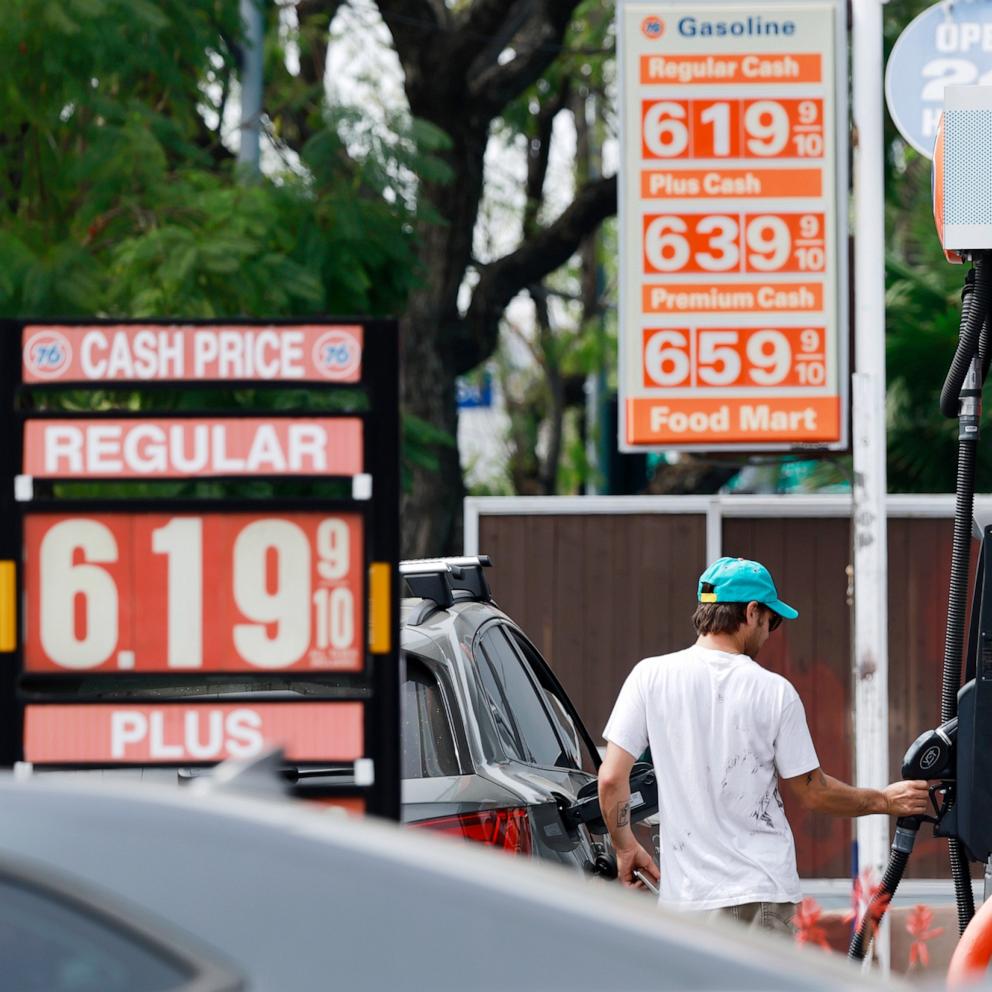
Gas prices are up across the country. Here's where you'll find the most expensive -- and cheapest -- gas

May 2, 2026

Police officers hailed as heroes after New York house explosion

May 1, 2026

Artemis II astronauts on their out-of-this-world mission: 'Adventure of a lifetime'

April 30, 2026

'Rogue' AI agent went haywire at tech company. The CEO is still 'bullish' on the technology

April 29, 2026

Shop GMA Favorites

ABC will receive a commission for purchases made through these links.

Sponsored Content by Taboola

The latest lifestyle and entertainment news and inspiration for how to live your best life - all from Good Morning America.
  • Contests
  • Terms of Use
  • Privacy Policy
  • Do Not Sell My Info
  • Children’s Online Privacy Policy
  • Advertise with us
  • Your US State Privacy Rights
  • Interest-Based Ads
  • About Nielsen Measurement
  • Press
  • Feedback
  • Shop FAQs
  • ABC News
  • ABC
  • All Videos
  • All Topics
  • Sitemap

© 2026 ABC News
  • Privacy Policy— 
  • Your US State Privacy Rights— 
  • Children's Online Privacy Policy— 
  • Interest-Based Ads— 
  • Terms of Use— 
  • Do Not Sell My Info— 
  • Contact Us— 

© 2026 ABC News