June Bootids meteor shower to peak this week
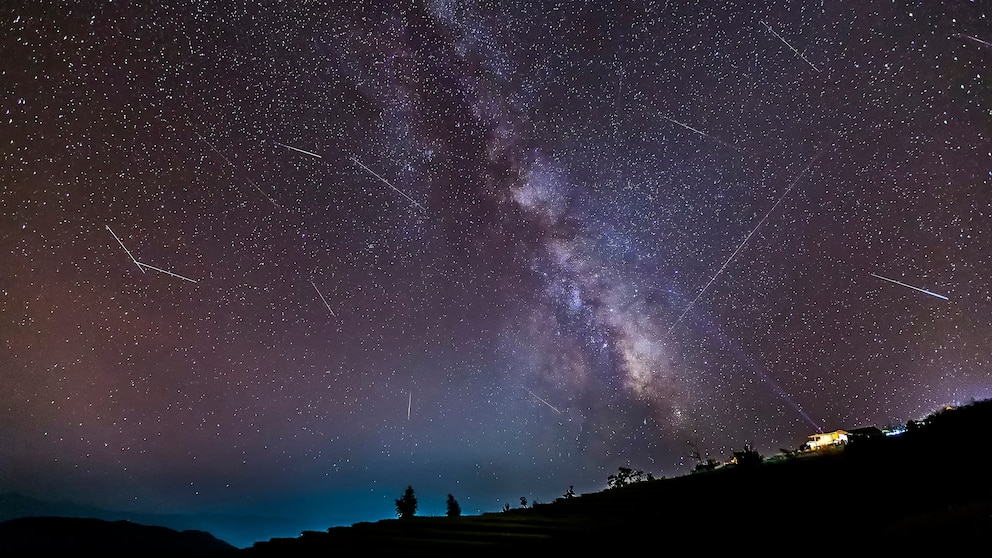
An elusive celestial event is expected to peak later this week, according to astronomy experts.
The June Bootids, a meteor shower that typically only produces a handful of meteors, could peak between now and Saturday, according to the Society for Popular Astronomy. Little activity typically comes from the June Bootids, according to the American Meteor Society.
However, this hard-to-predict meteor shower is known to surprise skywatchers.
The June Bootids are considered the "most unpredictable" meteor shower because of its history of surprise outbursts of activity, according to Space.com.
On June 27, 1998, the June Bootids produced an "unexpected outburst," when the Zenithal Hourly Rate (ZHR) was between 50 and 100 or more for more than 12 hours, according to the Society for Popular Astronomy.
Another burst of activity occurred on June 23, 2004, when ZHRs of about 50 were observed. But a forecasted outburst for June 2010 did not come to fruition.
A shooting star occurs when a meteoroid -- or space rock -- enters Earth's atmosphere and "zips" through the atmosphere, according to NASA. When many meteoroids encounter the atmosphere at once, it's considered a meteor shower.
Meteor showers occur annually or at regular intervals as Earth passes through the dusty debris left by comets and asteroids, according to NASA. The June Bootids are associated with the Comet 7P/Pons-Winnecke.
The best way to see a meteor shower is to lie flat on your back in a region away from light pollution, according to NASA. Meteors should be visible after about 30 minutes, when eyes adjust to the darkness.
The radiant for the June Bootids -- the point in the sky from which the meteors appear to originate -- is located in northwestern Bootes, which sits high in the western and northwestern sky during the evening for viewers in the Northern Hemisphere. The region is located 6 degrees northwest of the 3rd magnitude star known as Nekkar, or beta Bootis, according to the American Meteor Society.
Observers in the Northern Hemisphere have a "distinct" advantage over those in the Southern Hemisphere, as the radiant for the June Bootids lies much higher in the evening, according to the AMS.
The June Bootids tend to be very slow meteors, which helps astronomers distinguish them from other meteors that may appear to originate from a radiant in the same region.
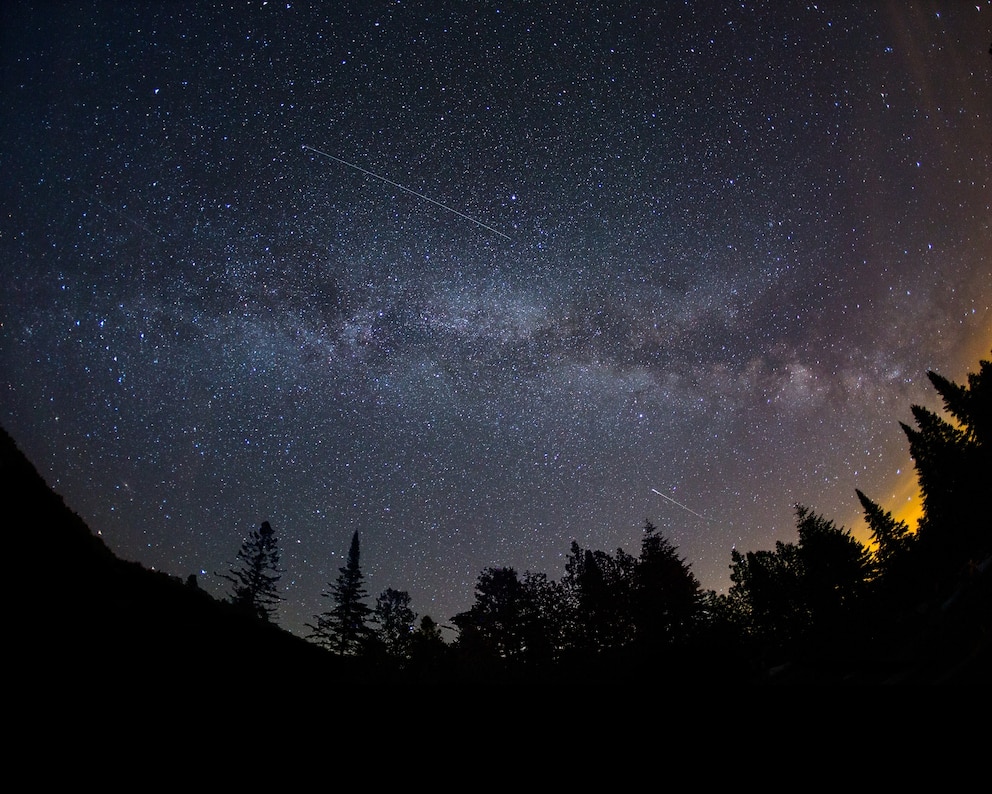
Other upcoming meteor showers happening later this summer include the Southern Delta Aquariids and the Alpha Capricornids meteor showers, both of which are expected to peak between July 30 and 31, and the Perseids meteor shower, which is forecast to peak on Aug. 12 to 13, according to the American Meteor Society.
On Aug. 12, a partial solar eclipse will be visible from some parts of the U.S., from Alaska to North Carolina, according to NASA. Most of Canada, much of Europe and northwestern Africa will also be able to see the partial eclipse, according to NASA.
A solar eclipse will occur in totality over the Arctic Ocean, Greenland, Iceland, the Atlantic Ocean, Portugal and northern Spain, according to the National Solar Observatory.