After tensions flare, jury is chosen in case of man who allegedly tried to kill Trump on golf course
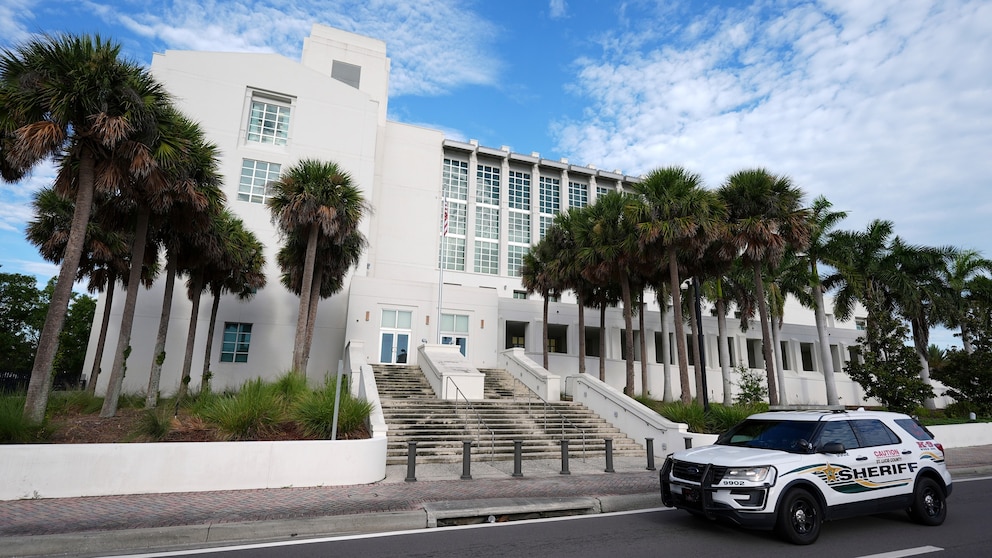
A jury has been selected in the criminal trial of Ryan Routh, the man accused of attempting to assassinate Donald Trump on his golf course last year.
After three days of jury selection, U.S. District Judge Aileen Cannon finalized a group of 12 jurors and four alternates Wednesday.
Routh, who is representing himself at the trial in Fort Pierce, Florida, has pleaded not guilty to five criminal charges that risk sending him to prison for life, including attempting to kill a presidential candidate and possession of a firearm in furtherance of a crime of violence.
At least five of the jurors have either worked in law enforcement or have family who work in law enforcement, according to the questionnaires filled out by the jurors.
Two women on the jury stated that they have immediate family members who work for local sheriffs' offices, and another juror said that her daughter is a police officer. One man on the jury said that two of his brothers work as police officers, and one of the alternate jurors said he has a cousin who works for the FBI.
Routh, during jury selection, made a deliberate effort to exclude people with connections to law enforcement, arguing their background presents a conflict of interest. Judge Cannon denied most of his challenges because he could not demonstrate that they would be unfair jurors.
"It just seems if you are a police officer for 25 years, your whole job is arresting people," Routh argued about one of the potential jurors.
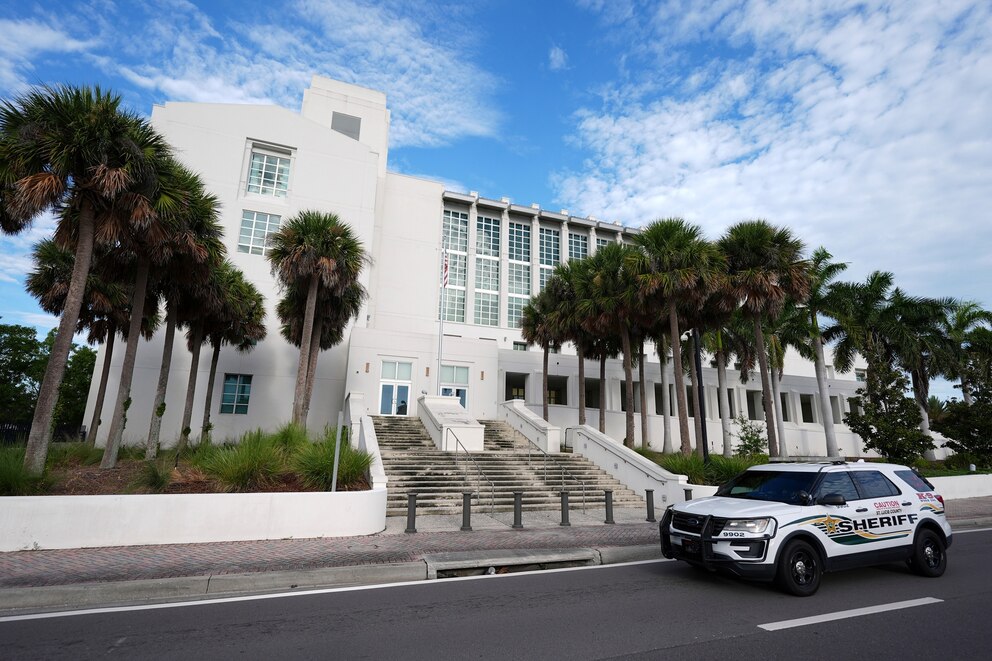
Nearly every juror said they had some knowledge of the allegations against Routh, with many stating they had seen the news when he was arrested -- but all vowed to disregard their personal feelings about the case.
The selection of the jury came after Routh accused prosecutors of discriminatory practices, causing tensions to flare in the courtroom.
Prior to Judge Cannon finalizing the jury, Routh -- who lacks any legal education or training -- made what is known as a "Batson challenge" after he said prosecutors struck two Black potential jurors.
"We have a racist situation that is occurring," Routh alleged. "It is blatantly obvious."
Judge Cannon responded to the allegations by accusing Routh of improperly conferring with his standby lawyers, who remain in court to assist him with technical matters. She said she heard "whispers" from the defense table that suggested Routh was getting legal advice from his standby attorneys -- something Judge Cannon has prohibited as a condition for Routh to represent himself.
She did not elaborate any further on the "whispers" and declined to inquire further into Routh's alleged conversation with his lawyers, which is protected by attorney-client privilege.
"It seems to me you are using your attorneys for more than just technical things," Cannon said.
Routh denied the claim, saying he is turning down their help and came up with the Batson challenge on his own.
"I am hearing whispers," Cannon said. "I heard a whisper that sounded like more than technical advice."
The situation deescalated after prosecutors explained their rationale for excluding one of the jurors, and Judge Cannon denied Routh's challenge. Prosecutors claimed they only removed one Black juror after he provided inconsistent answers to some of the questions on the jury questionnaire.
"The U.S. has offered a legitimate, non-discriminatory reason for their preemptory strike," Judge Cannon said.
Prosecutors allege that after planning his attack for months, Routh hid in the bushes of Trump's Palm Beach golf course with a rifle in the predawn hours of Sept. 15.
With Trump just one hole away from Routh's position, a Secret Service agent spotted a rifle poking out of the tree line and fired at him, causing him to flee, according to prosecutors. Routh was subsequently arrested after being stopped on a nearby interstate.