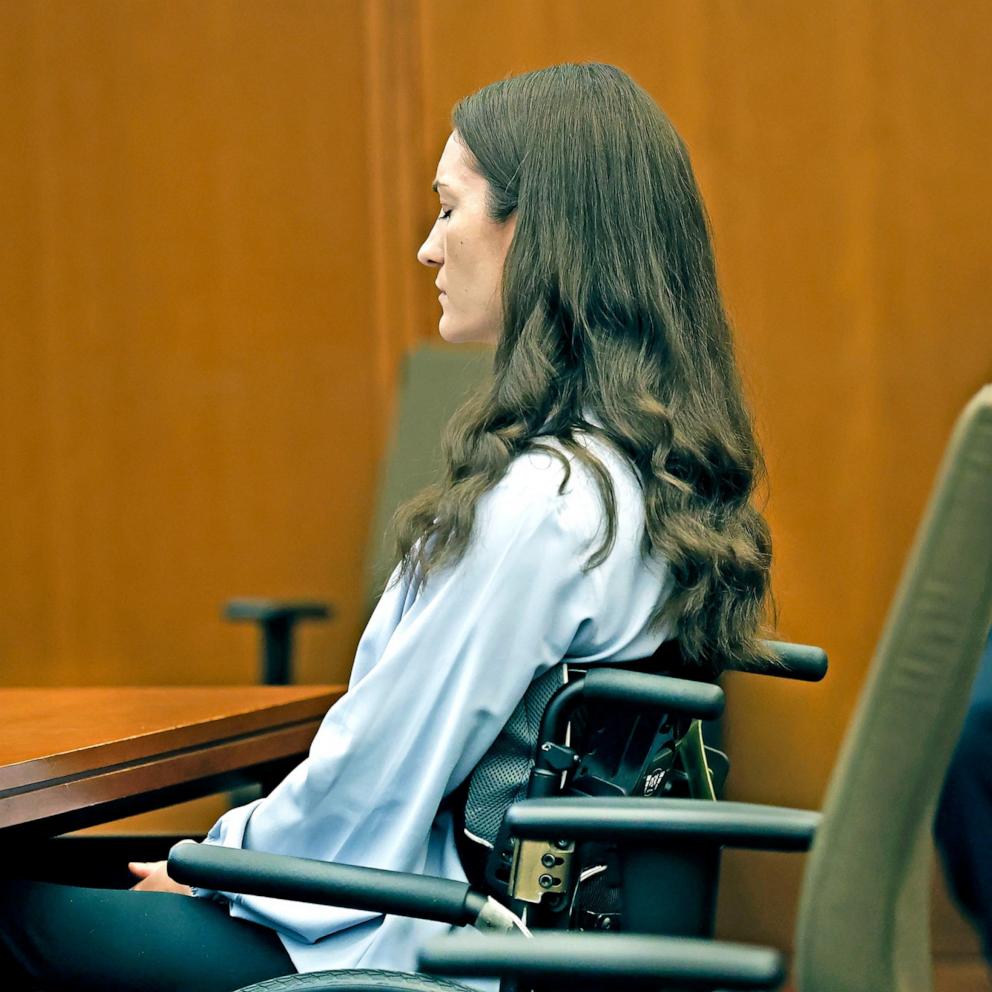
Justice Ketanji Brown Jackson warns Supreme Court 'perceived' as political
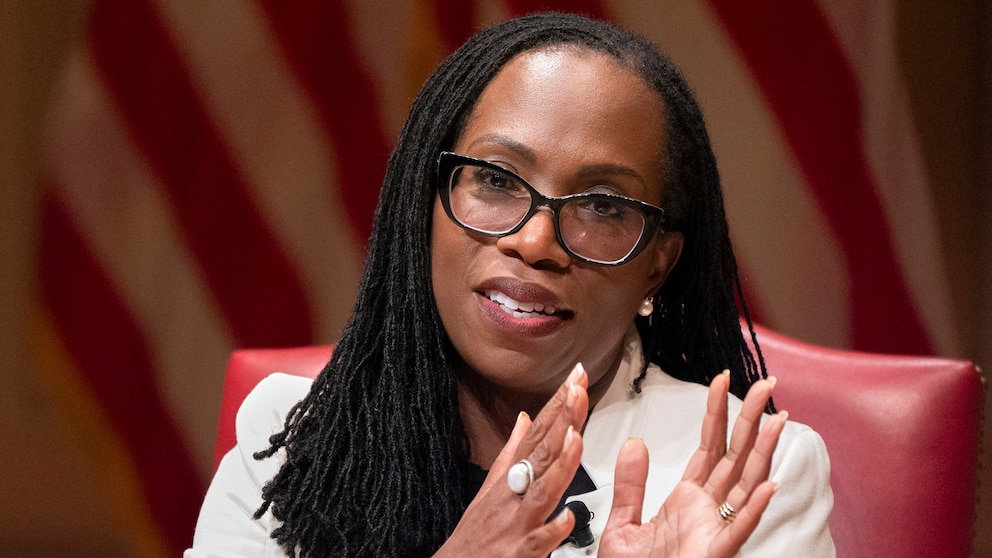

Justice Ketanji Brown Jackson on Monday for the first time publicly addressed the Supreme Court's controversial recent decision in a Louisiana voting rights dispute and the conservative majority's expedited certification of the ruling, which allowed state Republicans to more quickly implement plans for a new congressional map.
Jackson, the liberal junior justice, told a gathering of the American Law Institute in Washington that her colleagues' handling of the case may have compromised the court's impartiality in political matters, especially during an election year.
"It can so easily be perceived that the court is doing something political," Jackson said in conversation with U.S. District Court Judge Richard Gergel. "In my view, we have to be really, really careful in this environment when we're dealing with issues that have a political overlay. We have to be scrupulous about sticking to the principles and the rules that we apply in every case and not look as though we're doing something different in this kind of context."
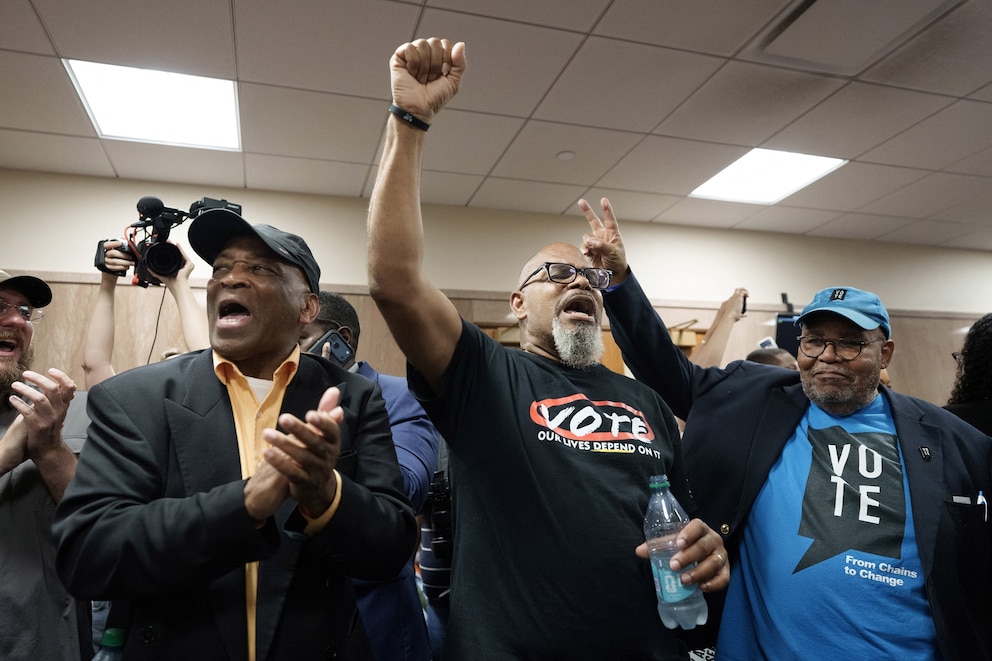
While the justice did not address the substance of the ruling in Louisiana v Callais, which put limits on protections for minority voters under Section 2 of the Voting Rights Act, Jackson did express concern about the rare move to immediately certify the ruling over the objection of a group of black Louisiana voters who said they were considering a petition for rehearing of the case.
She suggested that the court's move - with no explanation and over a dissent she joined written by Justice Elena Kagan - may have looked like the justices taking sides. The practical impact has been the elimination of at least one majority-black district that has been represented by Democrats.
"The parties who were asking us to expedite the judgment [state Republicans] were doing so because they were embroiled in a political dispute over whether or not to apply the court's ruling in the context of an ongoing election. ...The parties who came to us said, 'Please alter your rules, so that we can essentially have an advantage in the context of this political dispute.' What I thought is that that should not be something that we should do," Jackson said, "because it would look as though we were doing something unusual...to advantage this political party...that was asking us for political reasons to do it."
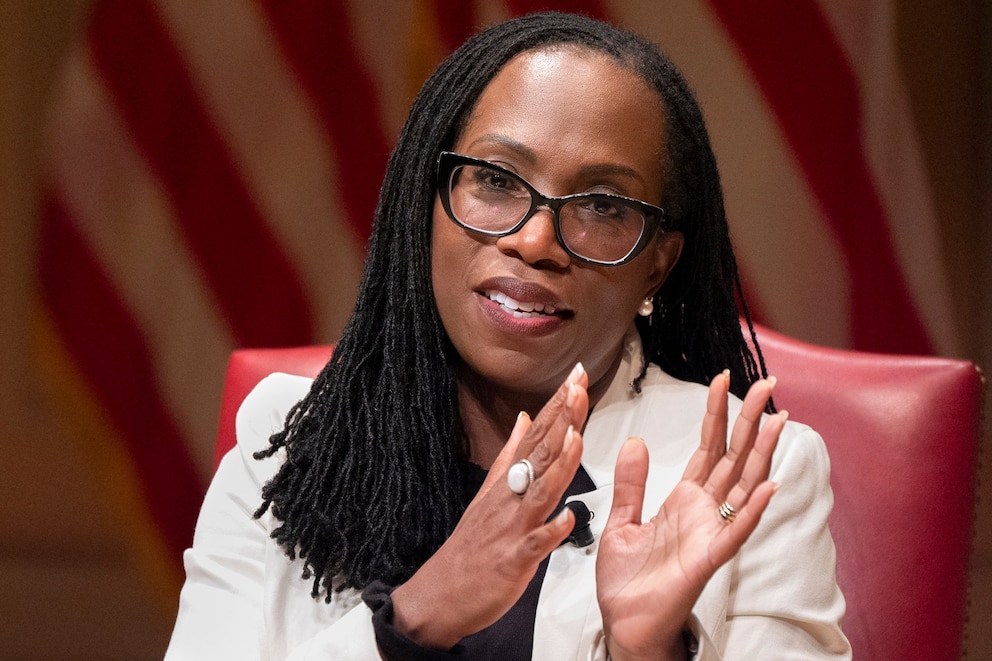
Standard practice is a 32-day waiting period before a Supreme Court decision is certified - or takes effect - in order to allow time for parties to consider a petition for rehearing. There have been exceptions, particularly if both parties in a case agree to immediate certification.
Jackson's sharply worded dissent in the matter earlier this month drew a heated response from Justices Samuel Alito, Neil Gorsuch and Clarence Thomas, who accused Jackson of leveling "baseless and insulting" claims of partisanship.
"The dissent [Jackson] would require that the 2026 congressional elections in Louisiana be held under a map that has been held to be unconstitutional," Alito wrote.