Chatting Wiith Japan's Centenarians: What's the Key to Longevity?
TOKYO, Japan, April 20, 2009— -- There is a saying in Japan: "Old people are everybody's treasures."
Take Masaaki Hatsumi, who is 77 years old and one of the world's grandmasters of Ninjutsu. Or Shino Mori, who at 105 is the oldest, and zaniest, television news reader in the world.
And let's not forget Shigeo Tokuda, who has starred in 350 pornographic films and, at the age of 74, continues to work regularly.
These are Japan's super-elderly. And their numbers are growing every day.
Tadashi Kozakai goes dancing twice a week. At the ripe age of 101 he has difficulty recalling some details. But he still has a spring in his step.
"I do daily exercises," Kozakai said. "I start with my lower back, then I bend and stretch my knees, then my shoulders and then I move my neck like this. Finally I do finger exercises for five minutes."
Kozakai was never a health nut. In fact he was a heavy smoker most of his life.
"I was about 90 years old when I gave up smoking," he said.
He attributes his incredible health to his dance classes, and the exercise and interaction they give him.
"When you get to my age you don't need relationships anymore like young people do, but having said that if you don't have any human contact, it would be a very lonely life," he said. "My dance classes comfort me."
When Japan began recording the number of centenarians in 1963, there were only 153. Now there are more than 36,000, and 86 percent of them are women. The life expectancy here is four years longer than America's.
So why are the Japanese living so long?
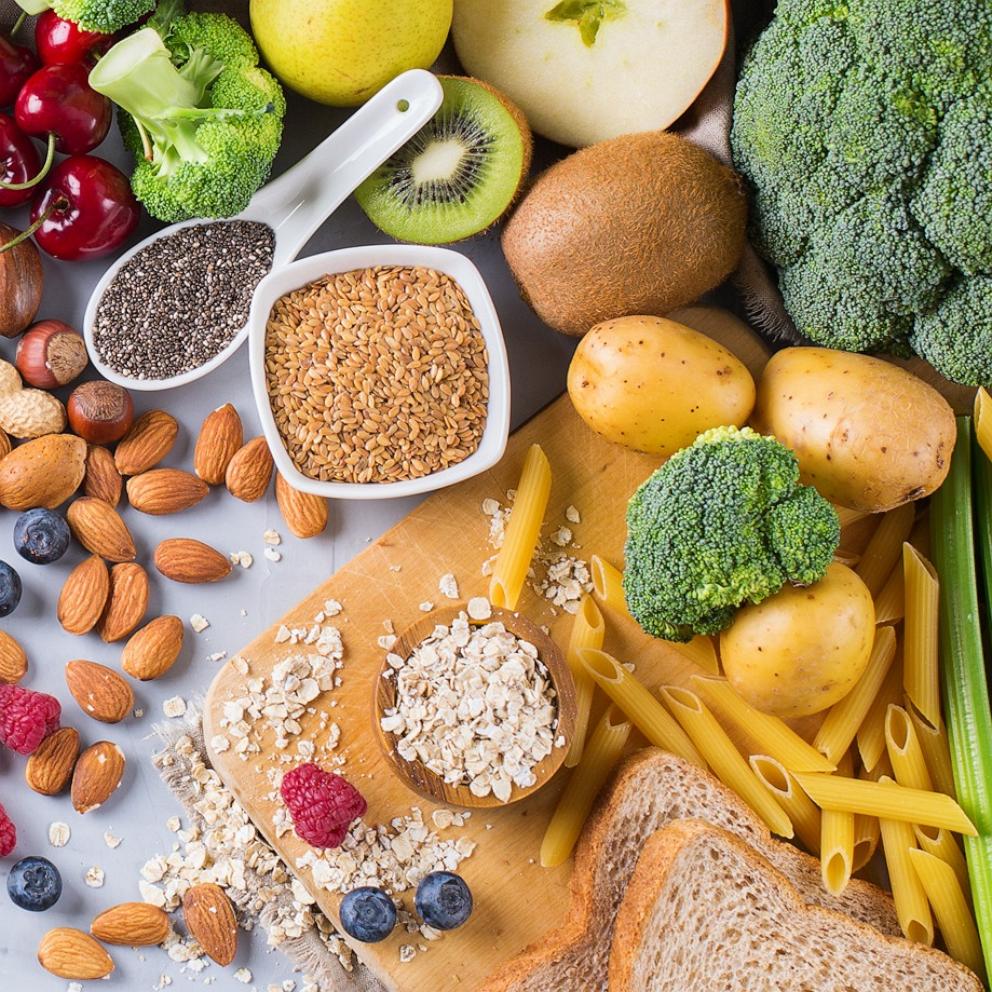
Professor Takako Sodei, who teaches gerontology at Ochanomizu University, says diet may be the No. 1 reason. "I think Japanese food is very good compared with United States. Yeah, because we don't eat much meat, and we don't eat much sugar."
On average, a Japanese person consumes 86.2 grams of fat a day. That's just over half of the 155.4 grams consumed by the average American.
A typical lunch-on-the-go in Japan includes raw fish on a bed of rice and miso soup. Researchers at Japan's National Cancer Centre have suggested that eating three or more bowls of Miso soup could cut women's risk of developing breast cancer.