• Video
  • Shop
  • Culture
  • Family
  • Wellness
  • Food
  • Living
  • Style
  • Travel
  • News
  • Book Club
  • Newsletter
  • Privacy Policy
  • Your US State Privacy Rights
  • Children's Online Privacy Policy
  • Interest-Based Ads
  • Terms of Use
  • Do Not Sell My Info
  • Contact Us
  • © 2026 ABC News
  • News

Killer whale learns to say 'hello' and 'bye bye'
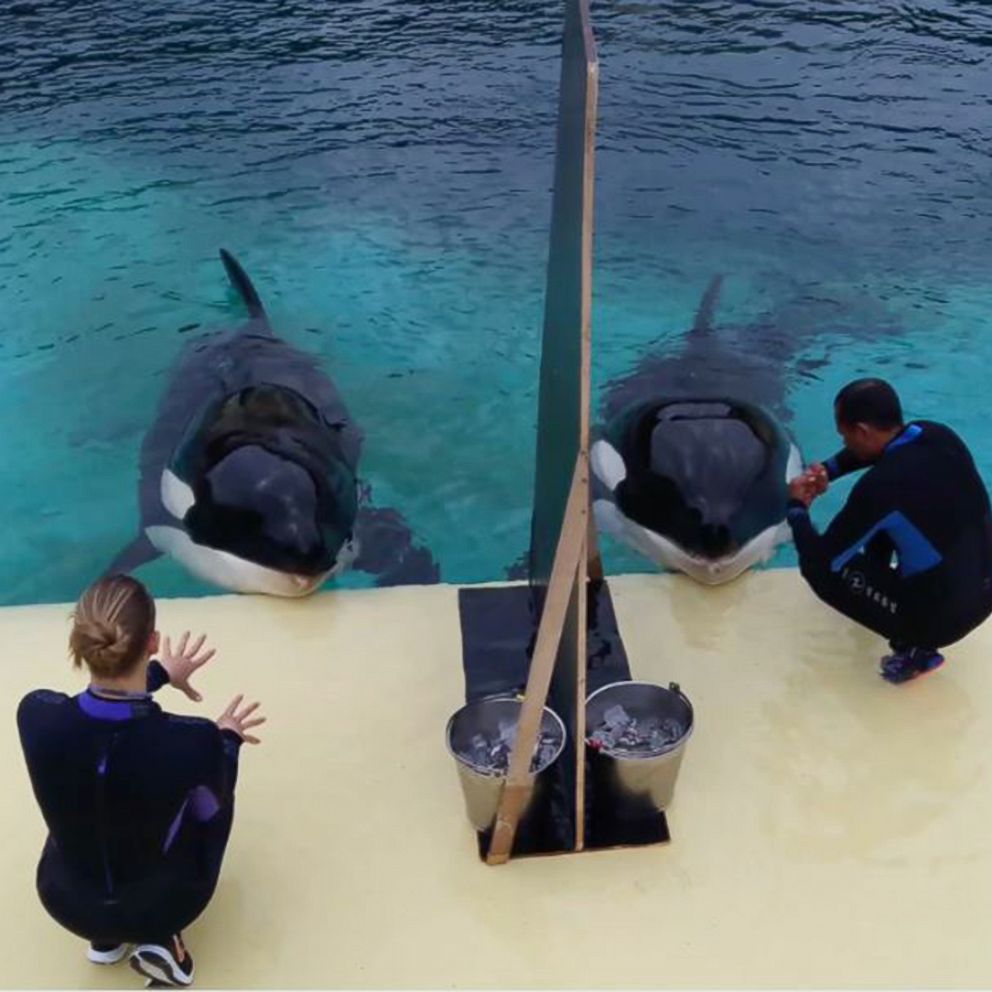
0:22
Jose Zamorano-Abramson / Marineland
Killer whale learns to say 'hello,' 'bye bye' and more
Courtesy Marineland
ByDOMINICK PROTO
February 01, 2018, 6:19 PM

— -- A killer whale at the Marineland Aquarium in Antibes, France, has learned to say "hello" and "bye bye," thanks to researchers from the University of St Andrews in partnership with the Complutense University of Madrid.

The research team set out to see if killer whales could mimic human speech, the university announced this week. The results were documented in a study published Wednesday in Proceedings of the Royal Society B.

Dr. Josep Call, a professor at the University of St. Andrews and a co-researcher on the study, told ABC News this new study came after the success of another study his team had done about motor imitation.

“Killer whales observed another killer whale perform an unusual behavior and we asked them to copy it,” Call told ABC News.
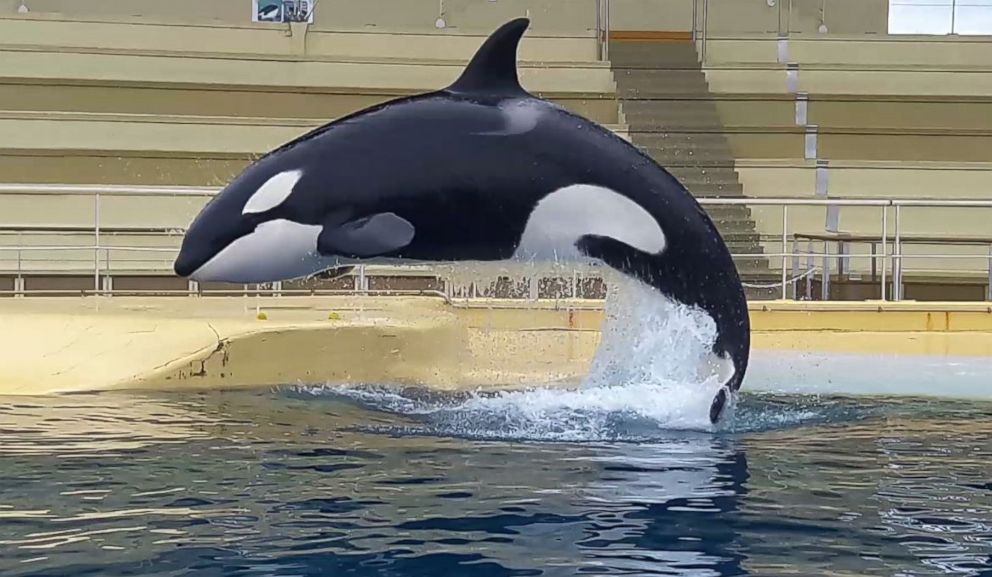
Wikie jumps out of the water.
Courtesy Marineland

In the new study, Call said the sound component was important for the scientists to see whether killer whales could produce new sounds aside from their natural repertoire. For this study, Call and his fellow researchers studied a female killer whale named Wikie at the marine park in Antibes.

Related Articles

Last killer whale born at SeaWorld

Related Articles

Gray whale defends her calf against killer whales

In addition to saying “hello” and "bye bye," Wikie can also say “Amy,” and “one, two, three,” according to researchers. Call said the vocalization “is a very different system than what terrestrial mammals use.”

Killer whales' social behavior has unusual features, Call said.

“Some groups are formed by closely related individuals and other groups show dispersal of individuals born in that group,” he said. Some the mammals “are also known by the vocal dialects displayed by the different groups,” he added.

Looking ahead, Call told ABC News researchers will focus on delayed imitation to see how long these mighty creatures of the sea can remember a novel sound and then reproduce it.

Up Next in News—

What to know about 'Lulu's Law' requiring emergency shark attack notifications

May 21, 2026

Father, daughter speak after Lyft driver is accused of using AI-generated image for damage claim

May 20, 2026

Police officer speaks out after rescuing choking toddler in incident caught on camera

May 20, 2026

Google DeepMind CEO says AI could unlock breakthroughs in medicine, energy and more

May 20, 2026

Shop GMA Favorites

ABC will receive a commission for purchases made through these links.

Sponsored Content by Taboola

The latest lifestyle and entertainment news and inspiration for how to live your best life - all from Good Morning America.
  • Contests
  • Terms of Use
  • Privacy Policy
  • Do Not Sell My Info
  • Children’s Online Privacy Policy
  • Advertise with us
  • Your US State Privacy Rights
  • Interest-Based Ads
  • About Nielsen Measurement
  • Press
  • Feedback
  • Shop FAQs
  • ABC News
  • ABC
  • All Videos
  • All Topics
  • Sitemap

© 2026 ABC News
  • Privacy Policy— 
  • Your US State Privacy Rights— 
  • Children's Online Privacy Policy— 
  • Interest-Based Ads— 
  • Terms of Use— 
  • Do Not Sell My Info— 
  • Contact Us— 

© 2026 ABC News