Large mammals are 'thriving' in the Chernobyl exclusion zone, scientists say
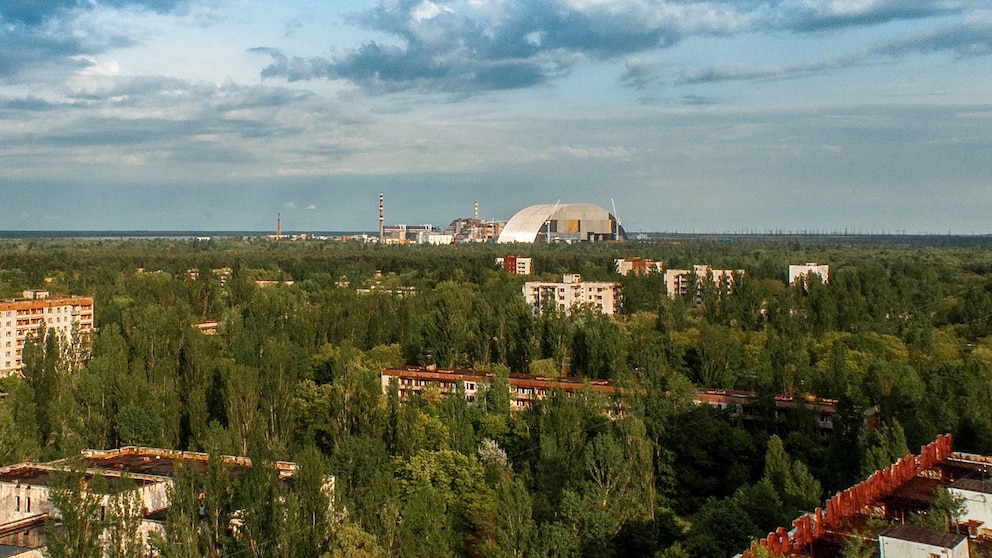
The site of the 1986 Chernobyl disaster has become a haven for large wild mammals living in the region, scientists say.
On April 26, 1986, reactor No. 4 at the Chernobyl power plant, about 65 miles north of Kyiv, Urkaine, exploded, spewing enormous amounts of radioactive material into the atmosphere and causing more than 100,000 people to evacuate.
The 1,000-square-mile radius of contaminated area is dubbed the Chernobyl Exclusion Zone and is strictly regulated and largely uninhabited by humans.
However, some large mammals appear to be "thriving" in the disaster zone, according to a paper published Tuesday in the Proceedings of the Royal Society B.
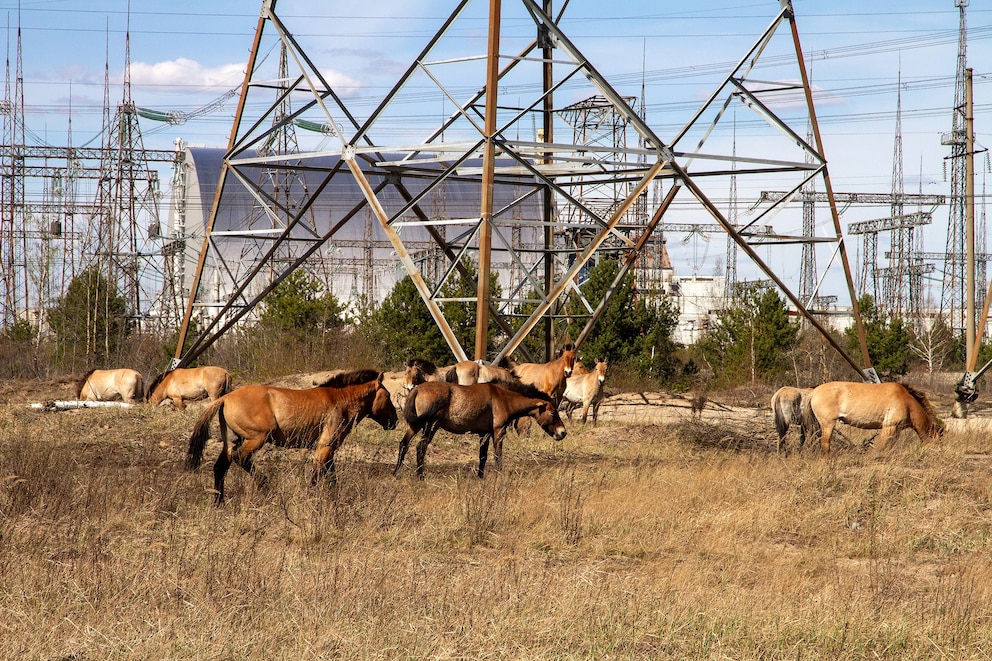
Camera traps across the Chernobyl Exclusion Zone -- as well as neighboring, smaller protected and non-protected areas in northern Ukraine -- revealed large populations and diversity of 11 mammal species, including Przewalski's horses, Eurasian lynx and moose.
Researchers believe the animals are thriving due to enforced human restrictions across the large contiguous protected area, Svitlana Kudrenko, an ecologist at the Albert Ludwig University of Freiburg in Breisgau, Germany, told ABC News.
Human disturbances like hunting and traffic have a significant impact on the distribution of large mammals, said Kudrenko, lead author of the study.
The scientists aimed to measure species abundance and how many native species were still present in the zone, comparing these to regional reserves, Kudrenko said. The Exclusion Zone, which had the lowest amount of human disturbance, was brimming with wildlife, she added.
"They use the entire area of the exclusion zone, as well as the neighboring nature reserve, as this area where they could thrive," Kudrenko said.
The paper is the most comprehensive survey of large mammal ecology in the wild in this region ever performed, Tim Mousseau, a professor of biological sciences at the University of South Carolina who has been studying Chernobyl for more than 20 years, told ABC News.
"It is very clear that large protected regions like the Chornobyl Exclusion Zone provide the requirements for mammals like moose, deer, wolves, and wild horses to escape from hunting pressures and other human disturbances," Mousseau said.
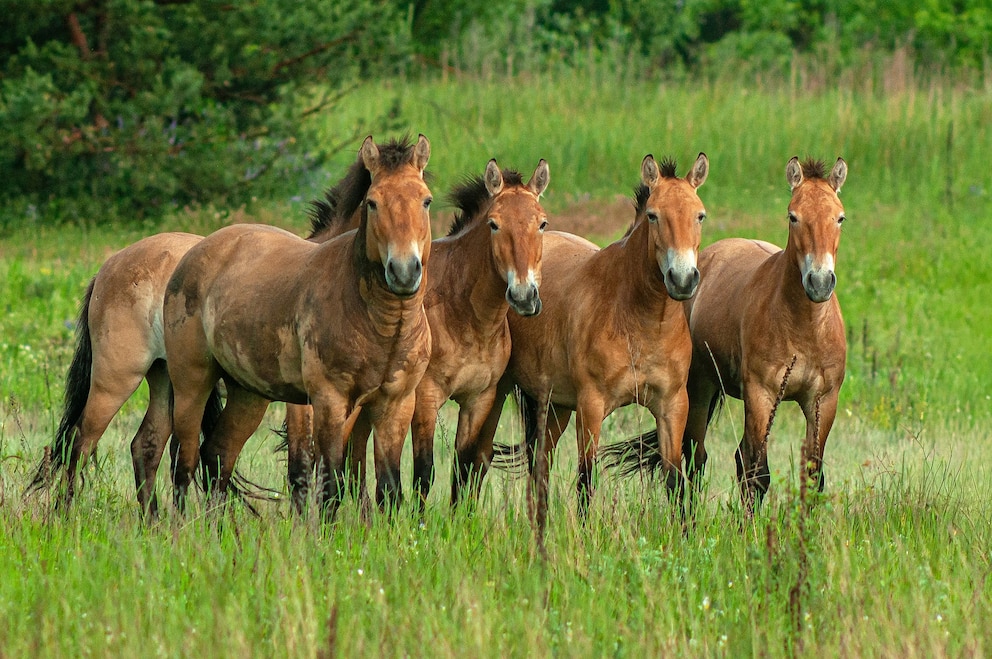
The animals are doing "quite well," even in the face of the well-documented negative impacts of high radioactivity measured in many species living in the most radioactive regions within the exclusion zone, Mousseau added.
A 2023 study authored by Mousseau found that genetics of a population of wild dogs living near the exclusion zone had been altered by the radiation.
The dogs still living around the exclusion zone are likely descendants of pets left behind after residents surrounding the Chernobyl power plant fled the region in a hurry, Mousseau said.
While the paper did not address whether the animals were impacted by lingering radioactivity from the 1986 nuclear disaster, past research has indicated that much of the wildlife is not affected, Kudrenko said.
A 2016 study by the University of Georgia deployed camera traps along the gradient of radioactive contamination and was unable to prove that animals selected habitats based on radioactive contamination.
"The most important factors are prey and forage availability and also the habitat quality in terms of providing good resting places," Kudrenko said.
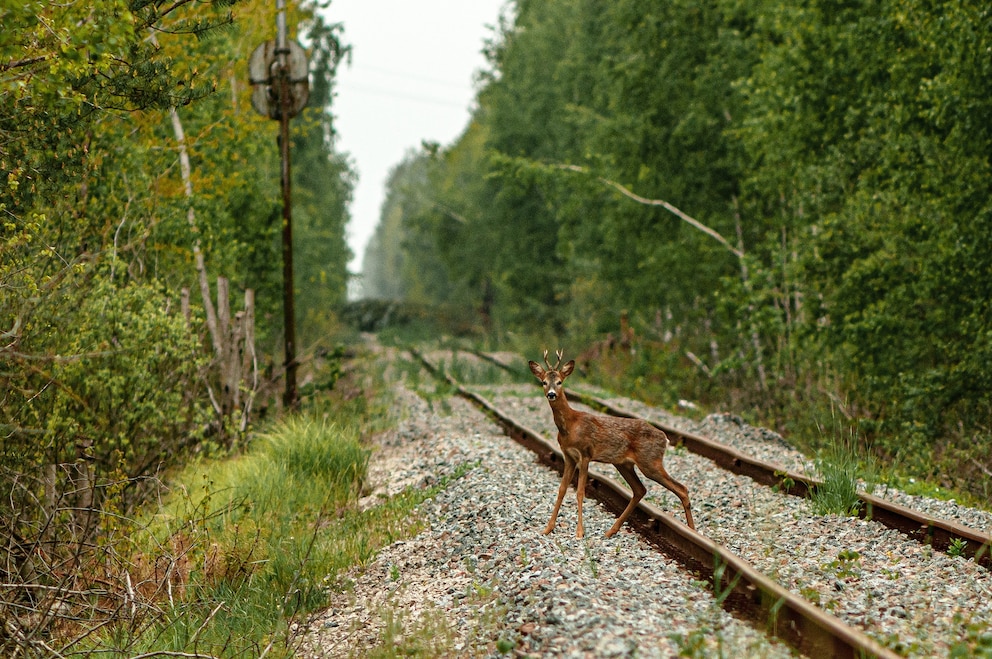
Kudrenko and her team were given access to the Exclusion Zone, in which they witnessed Przewalski's horses during twilight hours and ungulates within the Chlosky Forest.
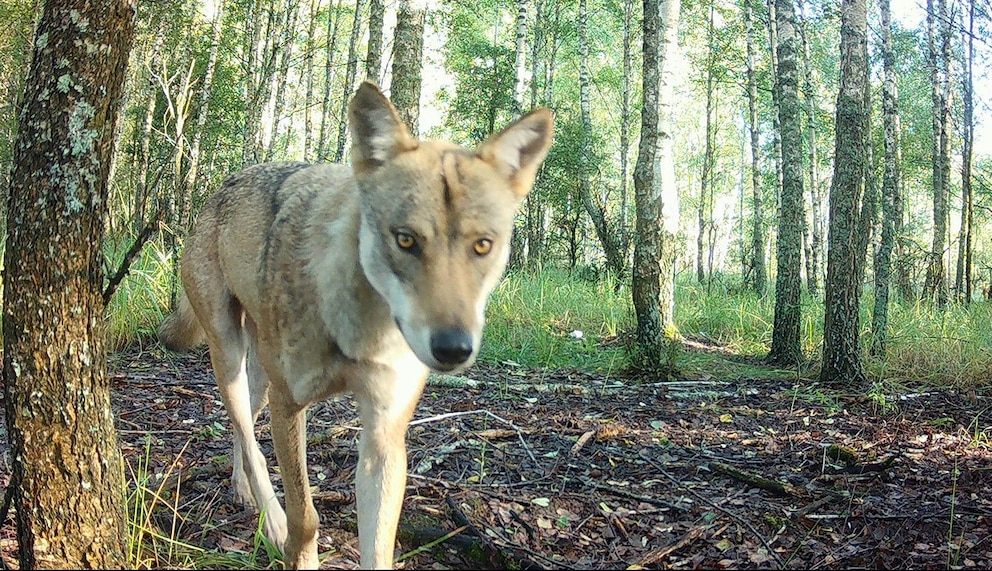
While they did not see wolves or brown bears in person, they captured their presence within the camera traps, Kudrenko said.
"It was a really mesmerizing experience to go there," she said.