Lasers could allow the world to watch Artemis II astronauts travel to the moon and back
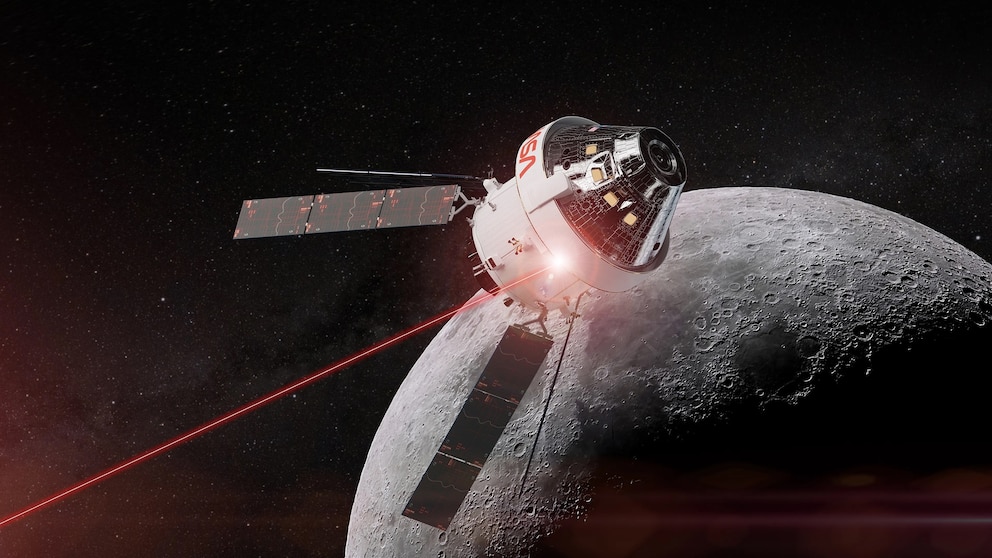
Traveling to the moon presents significant communication challenges. Astronauts cannot simply use their cell phones to FaceTime with NASA, and the farther away they are from Earth, the more difficult communication becomes, especially with higher volumes of data.
With an ambitious agenda of future moon missions and a plan to eventually settle humans on the lunar surface, NASA is planning to test a laser-based communications system – the Orion Artemis II Optical Communication System (O2O) – during the upcoming Artemis II mission, which could launch as early as Feb. 6, to see if it can make it easier to connect with the crew and to send and receive data. O2O could also allow the people on Earth to experience that journey alongside the crew.
Alan Willner, a distinguished professor of electrical and computer engineering at the University of Southern California, says O2O could shrink the communication gap between astronauts in space and those on Earth.
“Artemis II is taking a huge step forward in making that third leg, the ability to actually communicate that information at a much higher speed, to keep up with the advances of the needs of the information,” Willner told ABC News.
How does O2O work?
Traditionally, spacecraft communications to and from Earth use radio signals, which travel at the speed of light. That means there's a round-trip delay of about three seconds from Earth to the moon and back. However, the bandwidth is limited, meaning the more data that's sent – particularly images and video – the longer it takes to send it.
O2O addresses that issue by using infrared light lasers to send voice, mission data, and high-resolution images and video back to Earth, according to NASA. The Artemis II mission will use both traditional radio networks and the new laser communications system during its ten-day journey. The mission is the eighth time NASA has experimented with the technology.
NASA says that during the Artemis II flight, communication support for the crew and mission control will alternate between ground stations and relay satellites within its Near Space Network and Deep Space Network. These radio antennas – located in Spain, California and Australia – and networks will help NASA maintain near-continuous contact with the crew throughout the mission.
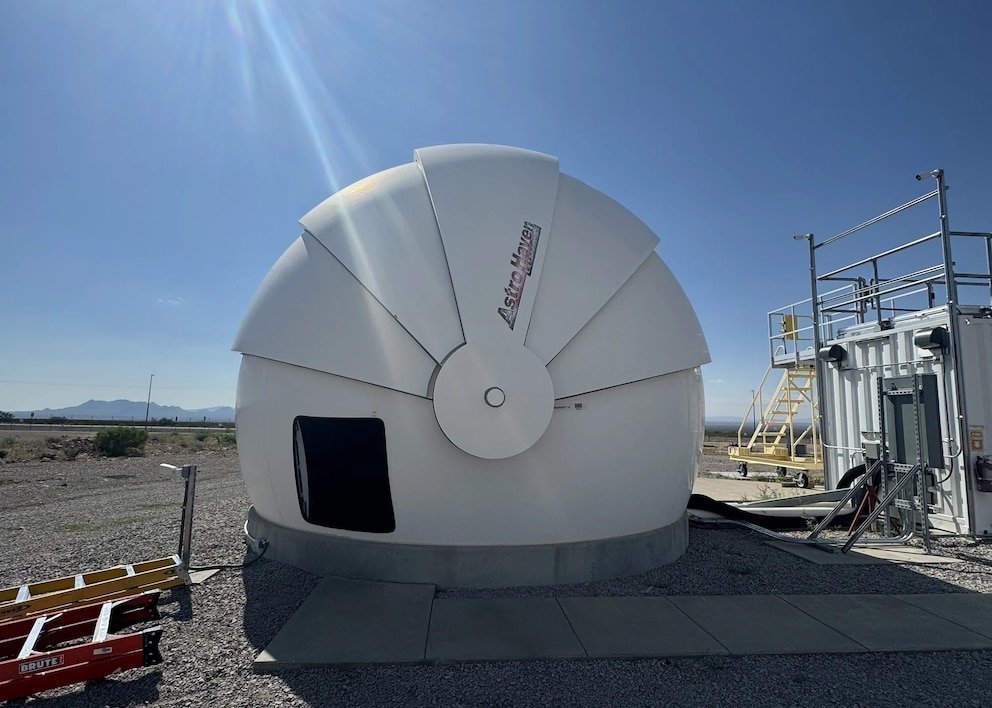
Markus Allgaier, an associate professor of physics and astrophysics at the University of North Dakota, says laser communications in space isn't a new discovery, but this crewed flight test is one of the few opportunities researchers get to see the technology in action.
“It is a big deal, but also this has been in the making for over 10 years now,” Allgaier told ABC News. “But you never know which technology demos and equipment actually makes it onto a mission and makes it to flight. So that it's actually happening and that we have a timeline for this that's very exciting.”
What does O2O mean for us here on Earth?
NASA is hoping that the O2O laser communications technology will enable it to send far more data from space than ever before.
“Demonstrations like the recent Deep Space Optical Communications payload have proven laser communications systems can send more than 100 times more data than comparable radio networks, even millions of miles away from Earth,” NASA said.
Allgaier says incorporating this technology into spaceflight makes it more achievable than ever to send live, high-quality footage from deep space.

“There is an expectation that we'll be able to see live video and really good quality of all of these events,” Allgaier said. “And that can only happen with this new technology.”
For the Artemis II flight, NASA says this could mean higher-quality images and video from the spacecraft, even from hundreds of thousands of miles away. But even with this technology, NASA says there will still be a communications blackout for approximately 41 minutes when Orion, the spacecraft carrying the astronauts, passes behind the moon.
NASA experts say they may even use orbiting relay satellites in future lunar missions to avoid these blackouts entirely.
Will O2O be ready for future deep-space missions?
After its flight on Artemis II, O2O tech won’t be flying on the Artemis III mission, currently planned for next year.
“While laser communications will not be on Artemis III, the Orion Artemis II Optical Communications System could pave the way for future laser communications systems at the Moon and Mars,” NASA said in a statement.
Allgaier, who leads a laser communications‑focused lab that is building a free‑space optical ground station, says laser communications could be essential for future Mars and moon missions. At those deep-space distances, the communications delays can be unforgiving.
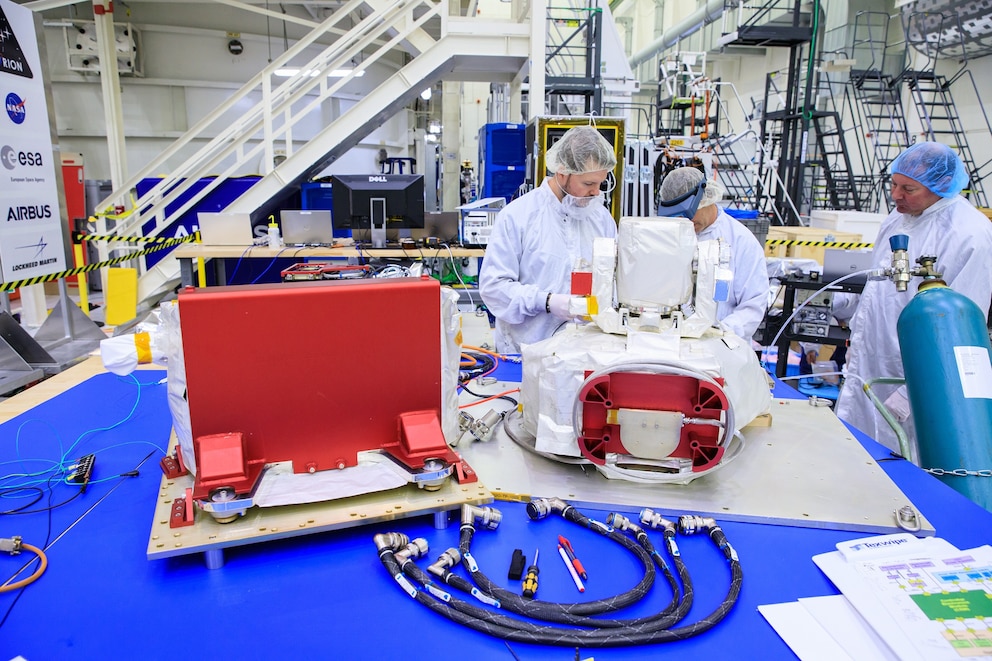
“The exciting part is we'll be seeing more science data. We will be seeing more crew communications, for example,” Allgaier said. “And that part means that those of us listening in and following these missions from the ground will be closer to those missions than ever before.”
By pairing traditional radio frequency with lasers, Willner says NASA’s Artemis II test could help build broader confidence in using laser-based communications for future missions. While he says research has already shown the technology works, he believes seeing it perform during Artemis II could be the proof needed to demonstrate its reliability at deep-space distances.
“They're putting up the optical link to sort of test it out and make sure it works,” Willner said. “And they're not relying on it per se, but they really want to get people to be comfortable with it.”
For those of us not flying to space any time soon, Willner also believes there’s a benefit to people on Earth, including improving our weather forecasts and even our phone capabilities.
“Once this trickles down into remote sensing satellites, weather satellites, communication satellites, then we will see more data available that could flow into weather forecasts,” Allgaier said. “We could see higher data rates for our phones.”