NASA: Life in Space? Not Quite, but Life That Thrives on Arsenic
Dec. 2, 2010 — -- Life in space? Not quite. But to scientists in the arcane field of astrobiology, it's still pretty cool.
Scientists working under a grant from NASA's Astrobiology Institute report they have found bacteria -- in Mono Lake, Calif., not in space -- that could be made to live on arsenic. The organism is called GFAJ-1. The finding is important because it expands the prevailing view of what it takes for living things to survive.
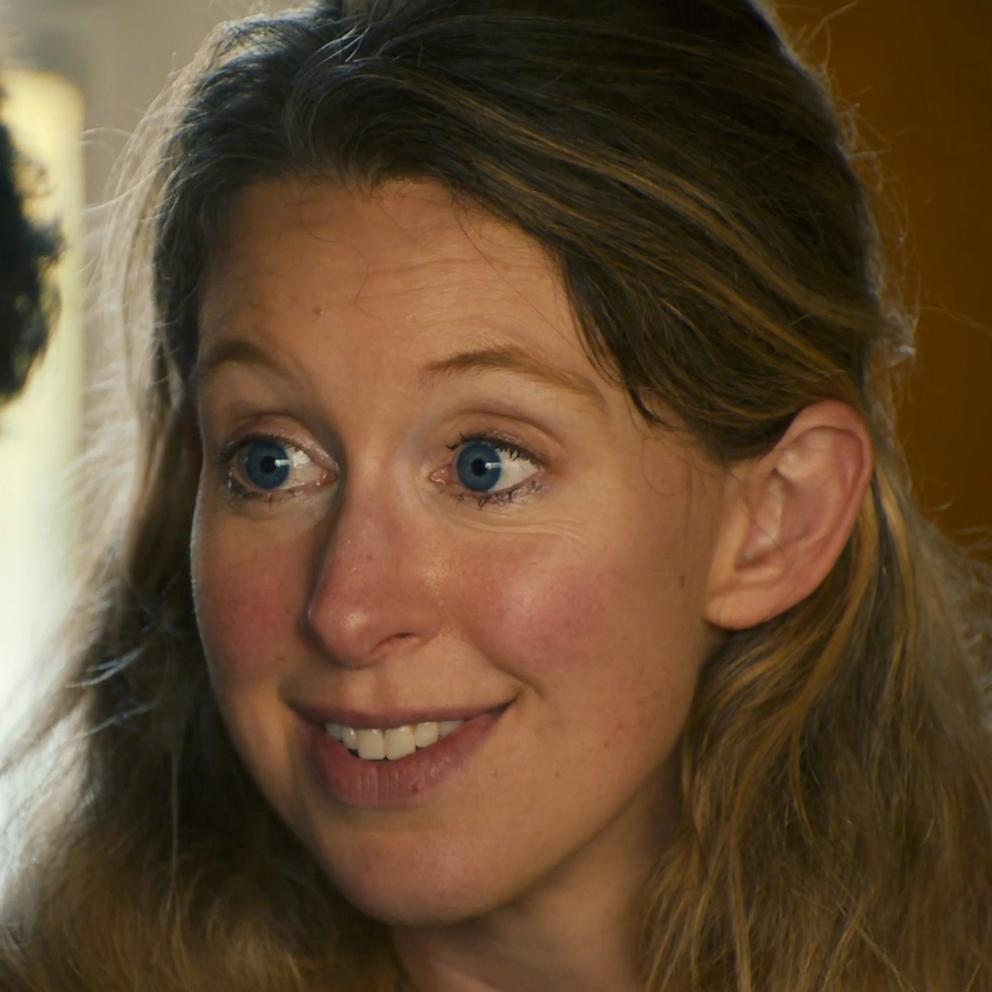
"Not only did this microbe cope," said Felisa Wolfe-Simon, a NASA astrobiology research fellow at the U.S. Geological Survey, "but it grew and thrived. And that was amazing."
Wolfe-Simon led a team that reported its findings online today in the journal Science, which -- hey, wait a minute. If they didn't find alien life, why was the blogosphere so wildly abuzz about it?
It all started earlier in the week with a NASA news release that, constrained by the Thursday embargo Science routinely imposes on its weekly editions, included this tantalizing line:
"NASA will hold a news conference at 2 p.m. EST on Thursday, Dec. 2, to discuss an astrobiology finding that will impact the search for evidence of extraterrestrial life. Astrobiology is the study of the origin, evolution, distribution and future of life in the universe."
Imaginations ran wild. A New York blogger named Jason Kottke looked up the participants in the news conference and found that several had published research in the past on Mars, arsenic, and Saturn's moon Titan.
"So, if I had to guess at what NASA is going to reveal on Thursday," he wrote, "I'd say that they've discovered arsenic on Titan and maybe even detected chemical evidence of bacteria utilizing it for photosynthesis (by following the elements). Or something like that."
He soon had to take it back, warned off by a writer who knew what the paper actually said. Hundreds of reporters (this one included) are given advance access to papers in Science on the condition that they honor the journal's embargo.
All of which created an awkward situation, especially when the story took on a life of its own.