Lindsay Clancy trial: Toxicology expert testifies that drug levels were low
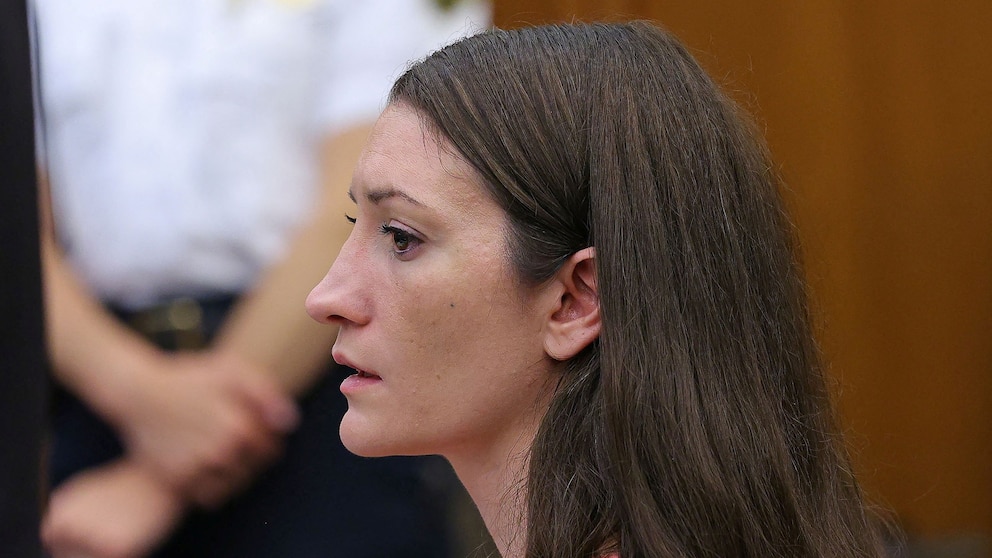
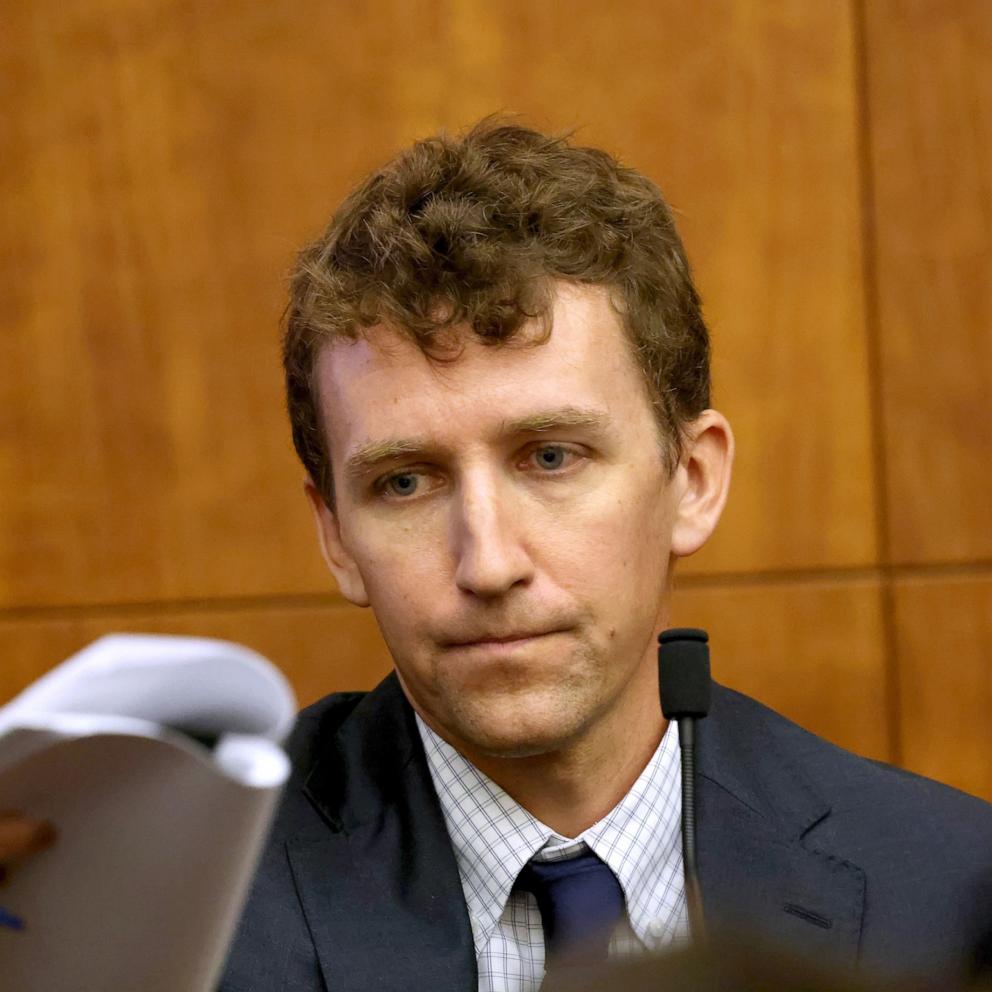
A forensic toxicologist on Wednesday told jurors in the murder trial of Lindsay Clancy that the concentration of antidepressants and antipsychotics in her blood after she killed her children was well below levels considered "toxic or suicidal."
Justin Brower of NMS Labs testified that the amounts of some of the drugs in Clancy's system were below therapeutic levels and inconsistent with being a contributing factor to a suicide attempt.
"Usually, people take handfuls of pills when they are trying to harm themselves and take their own life, and this is not consistent with that," Brower testified.
Medical groups say that any thoughts about ending one's own life and attempt to act upon those thoughts can be defined as a suicide attempt, regardless of the outcome.
Clancy, 35, has pleaded not guilty to three murder charges in connection with the deaths of her 5-year-old daughter Cora, 3-year-old son Dawson, and infant son Callan at her family's home in Duxbury, a Boston suburb, on Jan. 24, 2023.
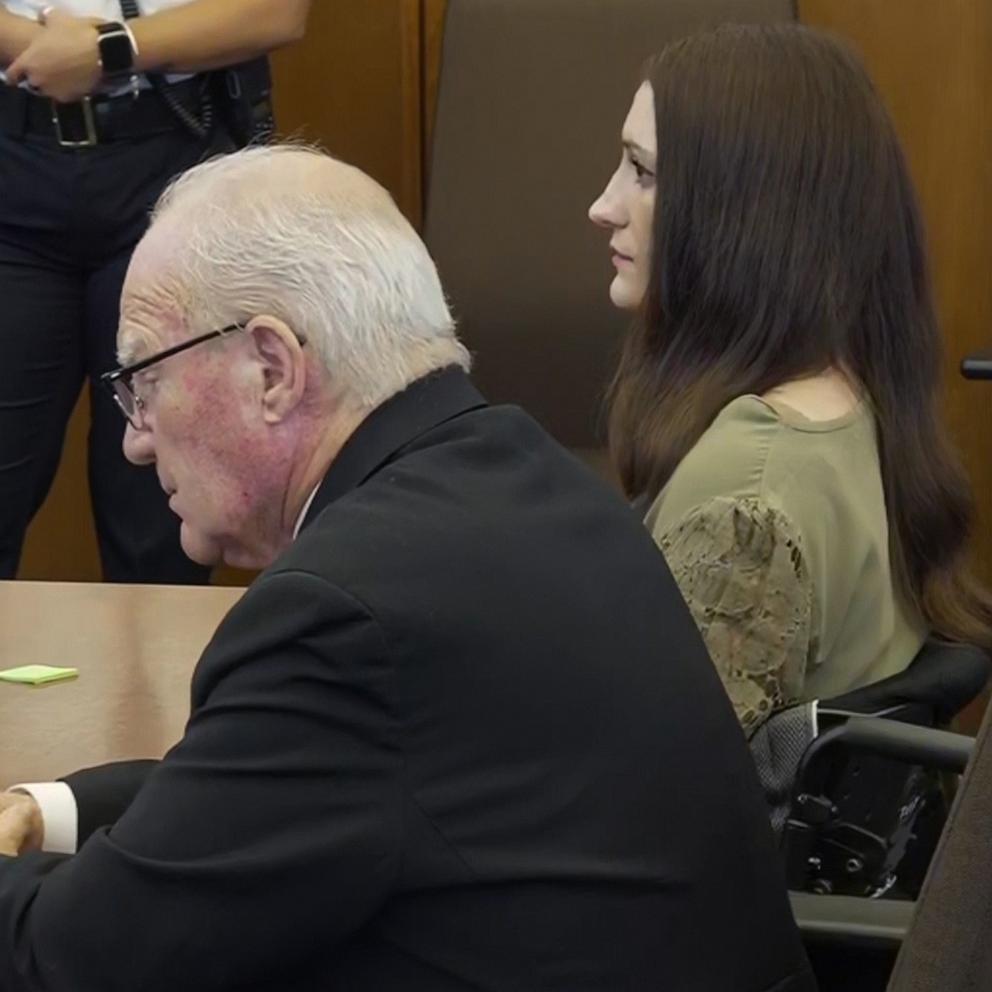
Clancy's defense attorney, Kevin Reddington, has argued she suffered from postpartum psychosis and extreme mental illness, and tried to kill her children before attempting to take her own life.
Postpartum psychosis is a rare but serious medical emergency characterized by severe, rapid onset psychiatric episodes such as mania, depression or hallucinations in the days or weeks after birth.
Prosecutors have attempted to cast doubt on Clancy's claim that she was overmedicated and driven to kill her children due to postpartum psychosis, instead alleging she acted "intentionally, rationally and swiftly" to murder her children.
Prosecutors say that after killing her children, Clancy crushed and took some of her medications, cut herself and jumped out of a second-floor window -- leaving her paralyzed and in a wheelchair.
Wednesday's testimony suggested the concentration of antidepressants and antipsychotics in her system was relatively low and not a contributing factor to suicide or other extreme acts, in Brower's opinion.
Toxicologists are frequently called to testify in court, but their conclusions involve a degree of interpretation, with a landmark 2009 National Academy of Sciences report finding that qualified experts can reach differing conclusions from the same underlying data.
Brower testified that the drug most prevalent in Clancy's system -- the antipsychotic Quetiapine -- was about 10 times less than the level considered to be toxic.
"Is there anything about those concentration levels that would give you a sense that the person could have stopped breathing as a result of these?" a prosecutor asked.
"Not necessarily," Brower said, though he noted that he would need more information about Clancy's overall condition.
Reddington attempted to cast doubt on Brower's testimony by arguing that the level of drugs in Clancy's system provided an incomplete view of her overall health.
"What you're saying is that the numbers alone do not tell the tale of what happened to a particular individual, right?" Reddington asked.
"Correct," he said.
Physician associate Etan Negri testified that some of Clancy's self-inflicted cuts were "superficial." Only one of her lacerations -- on her right wrist -- required sutures and was about 3 centimeters deep, he said. He did not address Clancy’s severe spinal injuries stemming from her fall from her second floor window.
Jurors also heard on Wednesday from the Clancy family's former nanny, Elaine Rossi, who told jurors that she never had concerns that Clancy would harm her children.
While Rossi said she was aware of Clancy's struggle with postpartum, she said Clancy was still deeply involved in caring for her children.
"She was very concerned with their safety. She was very concerned with Callan's eating and sleeping. She was a wonderful mother," Rossi said in court.
Rossi told jurors that she began working for the Clancy family in September 2022 as a part-time nanny and was mainly focused on caring for newborn Callan.
"He was the happiest, sweetest, easiest baby. He was just a love," Rossi said, adding of 5-year-old Cora, "She was very sweet, and she loved arts and crafts."
Describing Clancy's 3-year-old son, Rossi said, "Dawson was full of energy -- rambunctious, funny, silly."
If you or someone you know is struggling with thoughts of suicide, call or text 988 or chat 988lifeline.org. Free, confidential help is available 24 hours a day, 7 days a week. You are not on your own.