Lions, clouded leopards face same threats as extinct Ice Age relatives, study shows
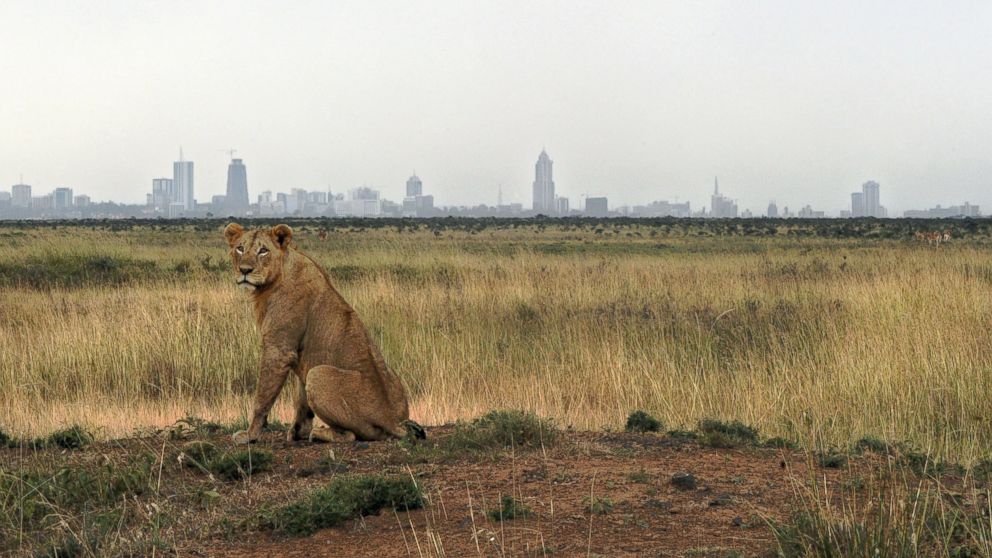
— -- The lion and the Sunda clouded leopard are facing the same threats that led to the extinction of several big cats during the Ice Age, researchers say.
These two big cats are most at risk from extinction because of a lack of food, according to a new study published in the journal Ecography.
The study, conducted by scientists in the United Kingdom, Sweden, Denmark and the United States, first analyzed whether the loss of prey was a cause of extinction in seven big cats, including four types of saber-toothed cats, the cave and American lions as well as the American cheetah. The research team discovered that if these animals were alive today, a majority of their preferred prey would be gone.
The researchers believe this was a major contributing factor to why these large felines went extinct thousands of years ago at the end of the last Ice Age, or the Pleistocene epoch.
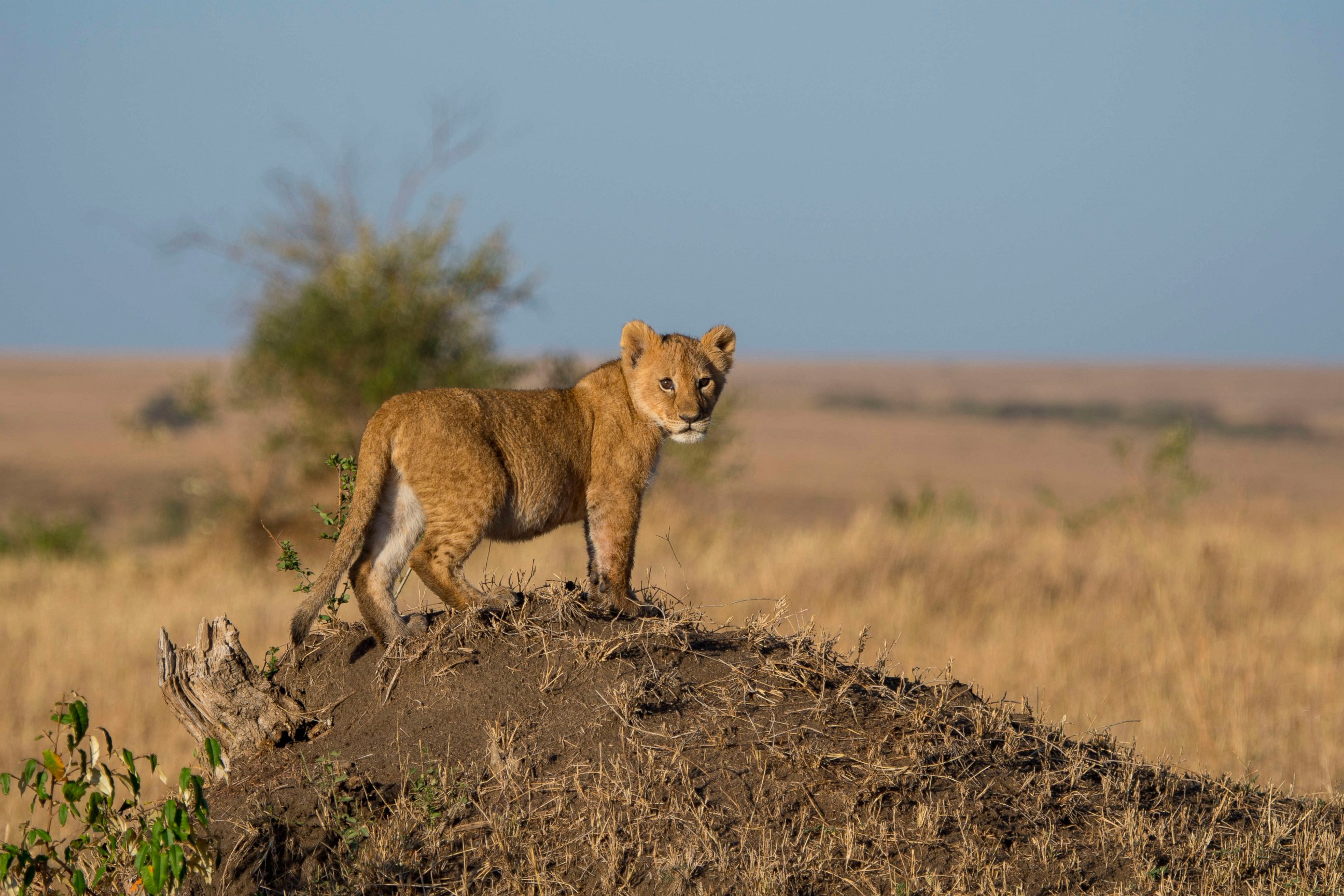
Next, researchers explored what could be learned from the past by assessing whether the trend is continuing among modern big cats, particularly in Africa and Asia.
Some 60 percent of large herbivores and 61 percent of large carnivores are classified as threatened, vulnerable or worse by the International Union for Conservation of Nature. If all threatened prey species became extinct, the lions of East Africa and the clouded leopards of Indo-Malaya would be in a similar position as their Ice Age ancestors, according to the study.
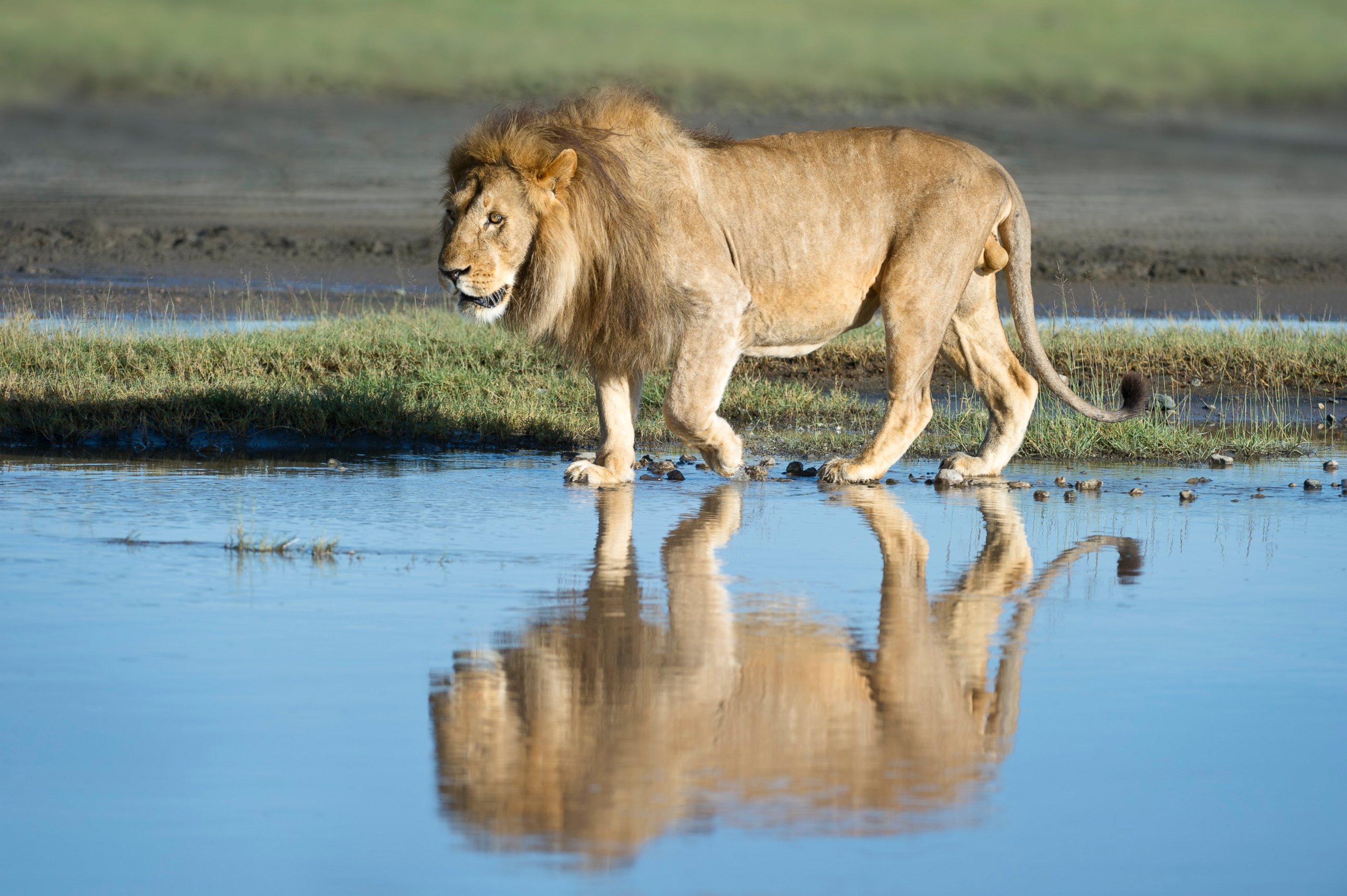
The findings suggest the lion and the Sunda clouded leopard -- the two worst affected species -- could lose more than 60 percent of their primary prey. The researchers involved in the study believe this prey loss poses "a high risk of extinction" to these species in particular. Populations of tiger, leopard and cheetah are also at risk.
"It may lead to the loss of at least one big cat species in the foreseeable future and potentially entire felids communities," the study says. "There is little prospect of completely stemming this long-standing tide of extinction."
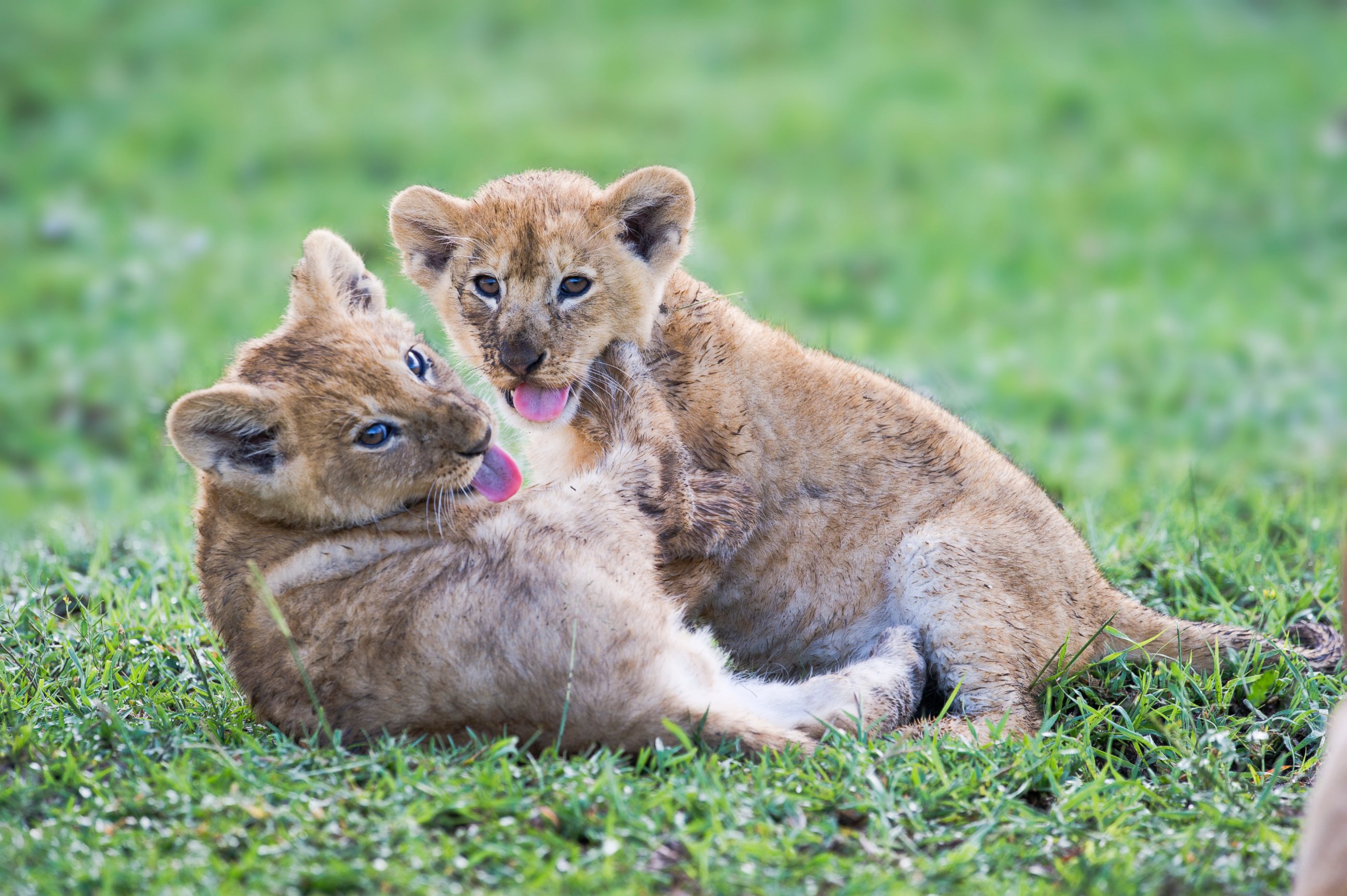
Researchers said conflict between humans and wildlife is likely to be “severely exacerbated” by the loss of wild prey. Competition for food with early hominins, or human relatives, contributed to the extinction of big cats during the last Ice Age.
“A particular concern is felids switching to prey on livestock because of the loss of their wild prey, which often leads to retaliatory killings,” the study states.
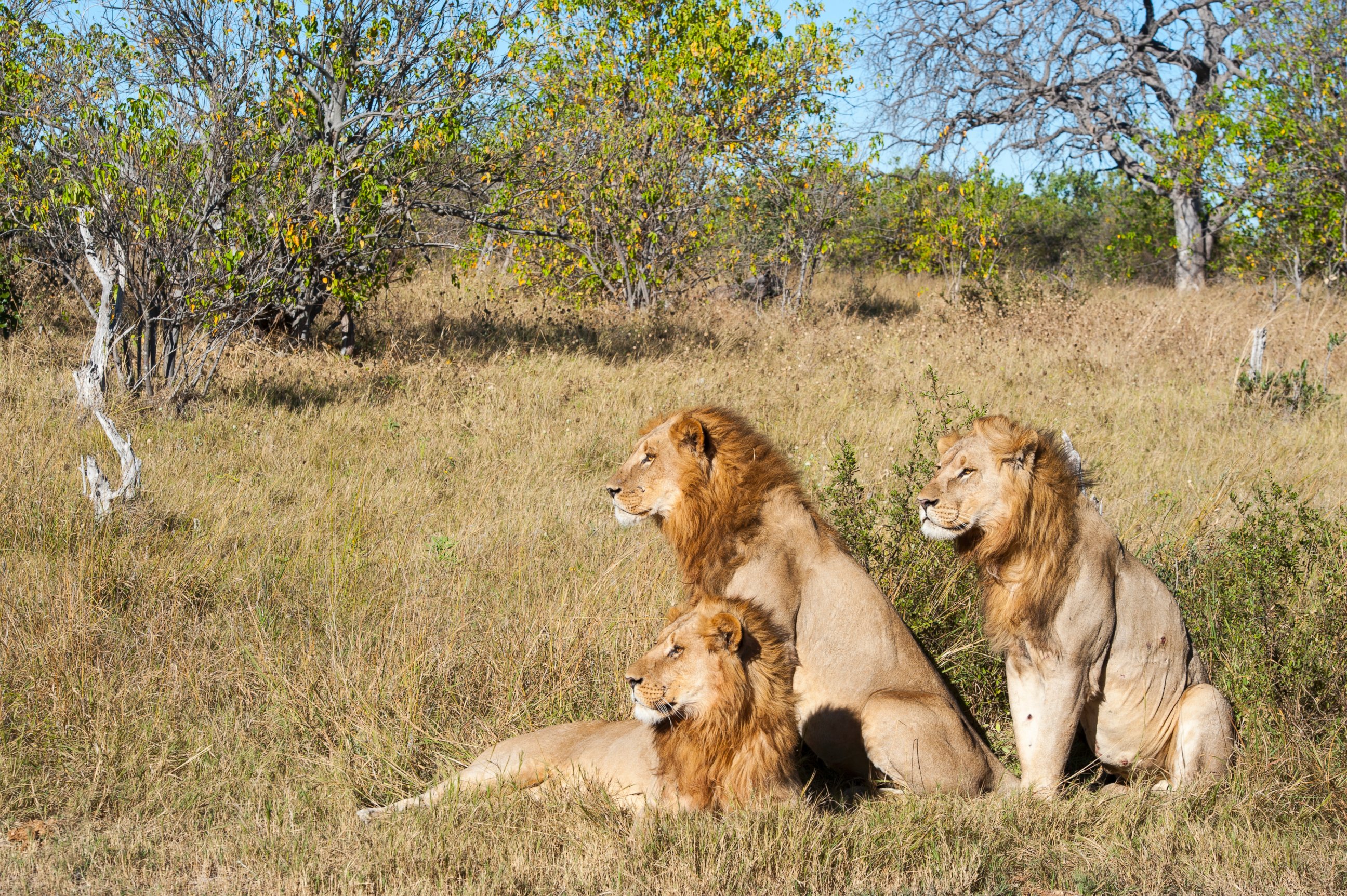
Researchers said the magnitude of the potential loss of primary prey species is alarming, and it draws attention to the continuation of an "unhappy trend" that began in the Pleistocene epoch.
“Our research clearly shows that if primary big cat prey continues to decline at such a rate then lion, tiger, leopard and cheetah are at a risk of extinction," Chris Sandom, who led the study from the University of Sussex, said in a statement. "We need to buck this Ice Age trend once and for all and to reinforce the urgent need for governments to protect both big cat species and their prey."