Listen to the sounds on Mars, courtesy of NASA's InSight mission
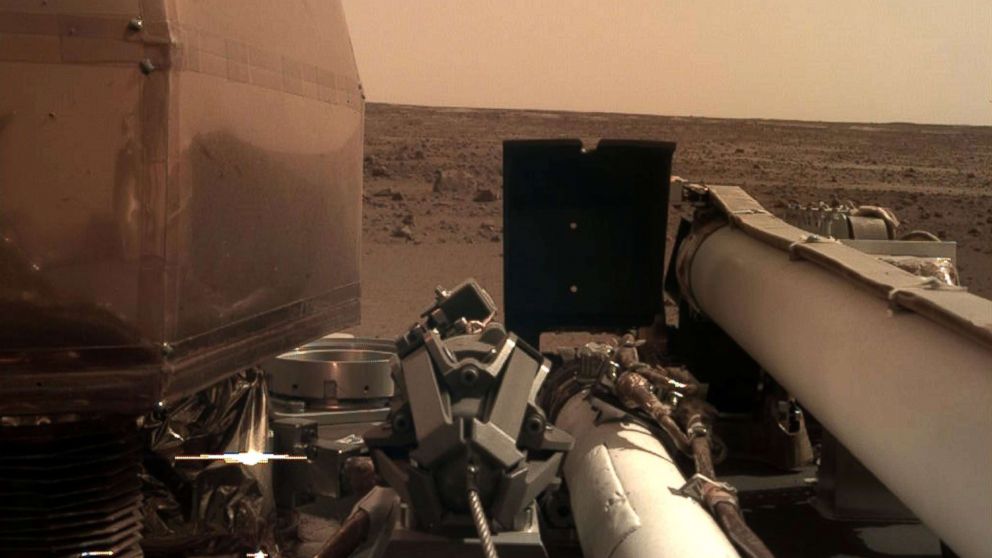
Scientists have released audio clips of marsquakes and other sounds on Mars. Using an "exquisitely sensitive seismometer," known as NASA’s InSight, sounds from Mars that are far too sensitive to the human ear can be heard. This experiment is called the Seismic Experiment for Interior Structure (SEIS).
By placing NASA’s InSight on Mars in November 2018, scientists have been able to study exactly how seismic waves of marsquakes move through Mars’ interior, exposing the structure of the planet for the very first time.
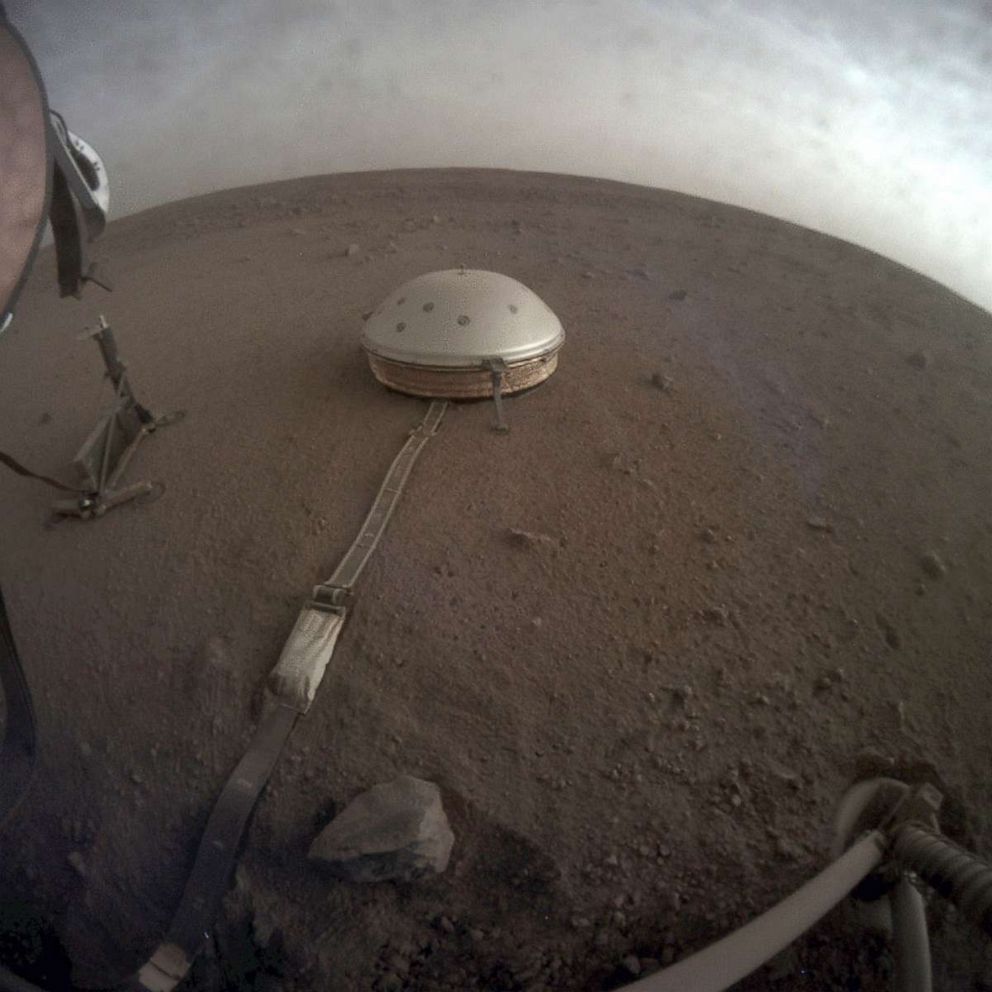
SEIS has been able to detect over 21 events that scientists believe to be quakes.
The audio clip below is from a magnitude 3.7 quake on May 22, 2019.
Wearing headphones is suggested while listening to these audio clips.
This audio clip is from a marsquake from July 25, 2019 with a magnitude of 3.3.
These sounds would be impossible for humans to hear without this complex technology.
Each quake is a soft rumble, although the quake on July 25 is considered more bass-heavy.
Both quakes give scientists the belief that the martian crust is a combination of the Earth and moon’s crusts. In the Earth’s crust, cracks seal over time as water fills them with new minerals. Sound waves are then passed through fractures uninterrupted.
The moon’s crust is dry and fractured, which results in scattered sound waves instead of waves traveling in straight, coherent lines. Overall, Mars’ surface is slightly more moon-like, considering it contains seismic waves that can last around a minute.
NASA’s InSight’s “ear” is so sensitive that it is able to pick up vibrations of a breeze. Although it’s designed to listen to marsquakes, it has given scientists the opportunity to hear sounds from morning to night on the mysterious planet.
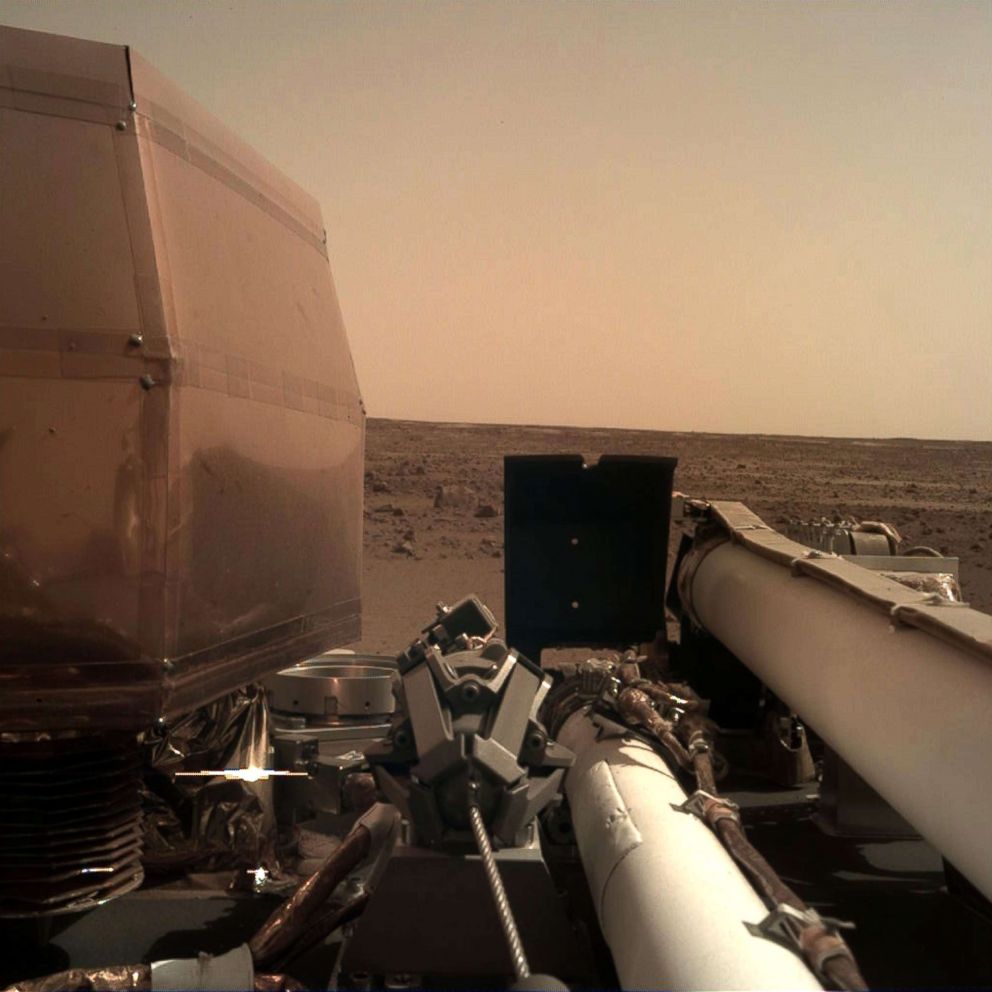
"It’s been exciting, especially in the beginning, hearing the first vibrations from the lander," InSight science team member at Imperial College London, Constantinos Charalambous said. "You’re imagining what’s really happening on Mars as InSight sits on the open landscape."
The InSight team has a common term for interesting sounds, calling them "dinks and donks." These dinks and donks are most prevalent in the evening, and the team believes the sounds are coming from delicate parts within the seismometer as they expand and contract. Below, is audio of these dinks and donks.
InSight is part of NASA’s Discovery Program. Charalambous and Nobuaki Fuji of Institut de Physique du Globe de Paris released the audio samples.