Long Island Rail Road workers could strike on Saturday if a deal isn't reached
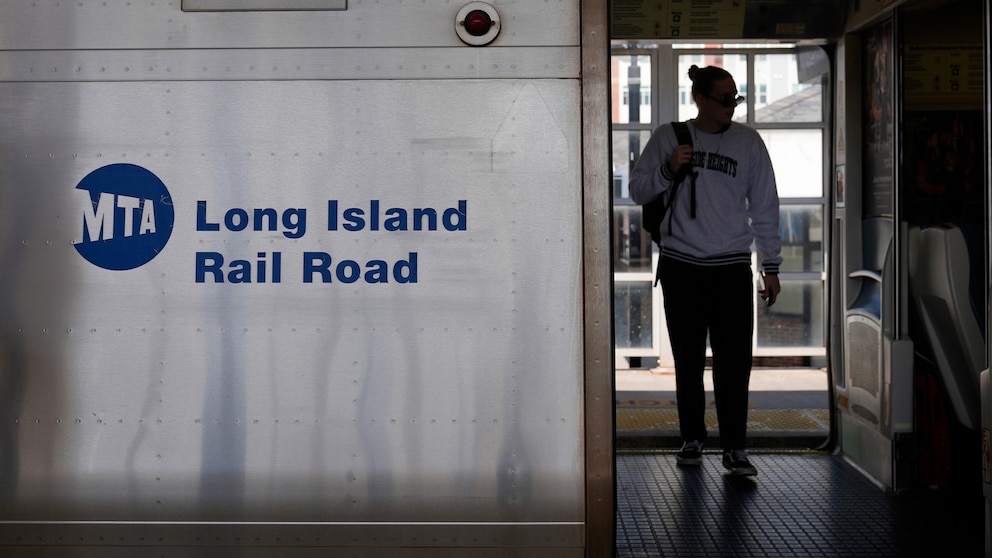
In an effort to avoid an impending Long Island Rail Road strike this Saturday, talks are resuming Monday between New York’s Metropolitan Transportation Authority and a coalition of five unions representing thousands of LIRR workers.
When could a strike happen?
Workers could strike just after midnight on Saturday, May 16, if the two sides do not reach an agreement on a new contract. The LIRR would cease operations, leaving nearly 300,000 daily commuters on North America’s busiest commuter railroad with very few transportation options.
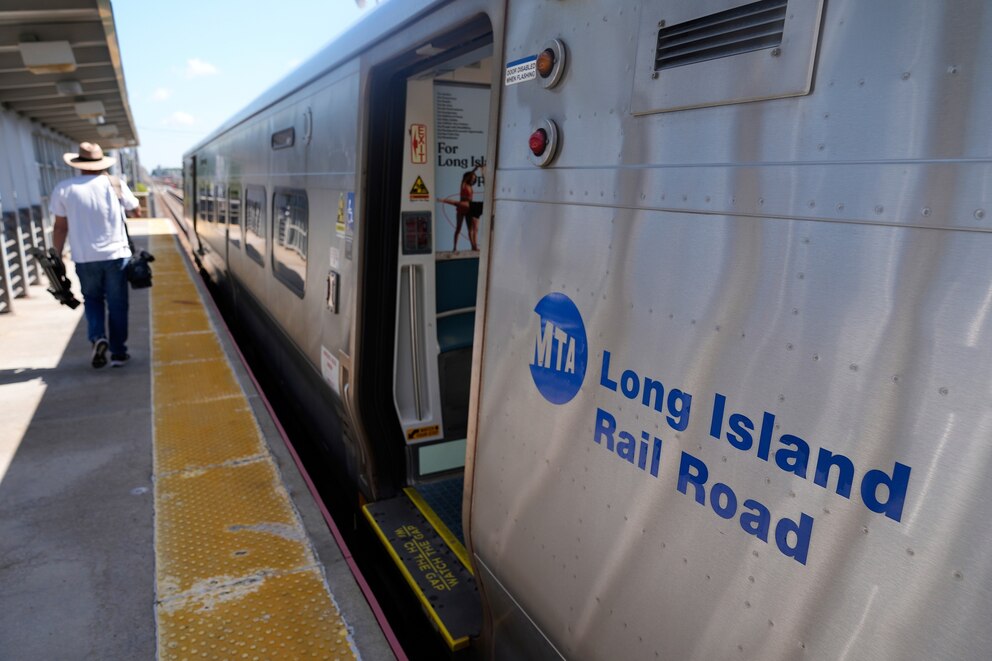
If the sides don’t work out a deal, this could be the first time LIRR employees strike in over 30 years. The last strike was in 1994 and lasted two days before workers agreed to the new contract.
It comes after a strike was narrowly avoided last fall, when the unions asked President Donald Trump to establish an emergency board to review the dispute.
Contingency plans?
If a strike does occur, the MTA is telling passengers to work from home if possible. If riders must commute, the agency tells them to allow extra time for more congestion on the roads and an influx of riders crowding other travel alternatives.
MTA will provide shuttle bus service on weekdays from six locations on Long Island to subway transfer points in Queens.
Monthly ticket holders in May will be refunded for any business day that service is suspended, if the MTA board approves.
What are the issues?
The two sides are at odds over wage increases. MTA is offering a 3% increase, but the unions want 5%.
The MTA said if the work rules don’t change but wages increase, it could lead to higher fares, increased taxes, service cuts or layoffs.
According to the MTA, the increase could be funded with changes to current work rules, like reducing the penalty pay required when engineers operate both electric and diesel trains on the same day or when engineers operate passenger trains and then move those trains to the yard; having ticket clerks also provide customer assistance at station platforms; and restricting employees from working more than 18 continuous hours.
The unions called the MTA’s threat of higher fares “fearmongering.”
“Our members are unified,” said Nicholas Peluso, national vice president of the Transportation Communications Union, in a press release. “They all have gone years without a raise. They would prefer not to strike… We need a close to break-even agreement that allows our members to keep pace with the rate of inflation and the high cost of living on Long Island. If we can’t get that, we will walk -- and others will too.”
In a post on Facebook, the Brotherhood of Locomotive Engineers and Trainmen said two Presidential Emergency Boards called for raises and supported the unions’ position.
The coalition of five rail unions is made up of the Brotherhood of Locomotive Engineers and Trainmen, the Brotherhood of Railroad Signalmen, the International Association of Machinists and Aerospace Workers, the International Brotherhood of Electrical Workers and the Transportation Communications Union.