What a Long-Shot Third-Party Run Might Look Like in 2016 Race
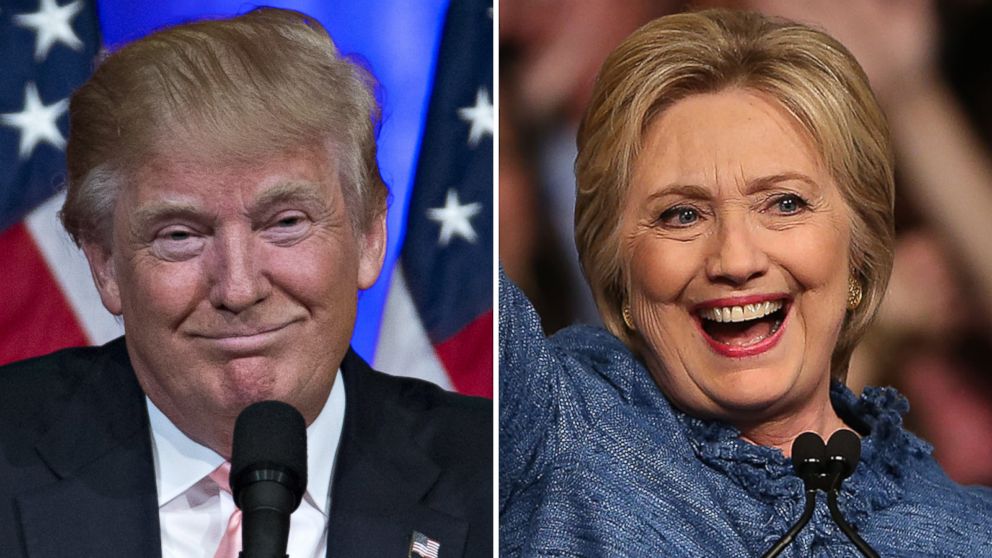
— -- With Donald Trump and Hillary Clinton's victories on Mini-Super Tuesday, many observers believe the paths toward their respective nominations seem quite clear.
But neither one sits well with a growing contingent of voters and political operatives, prompting calls for a third-party candidate.
"If Trump is the nominee, then there will be some kind of conservative outside run and I think it’s beginning to take shape right now," said Philip Wallach, a senior fellow in governance studies at the Brookings Institution.
Who’s Calling for a Third Candidate in the Race?
One of the most notable Republicans to do so was political blogger and analyst Erick Erickson, the former editor of the conservative blog Red State.
Erickson wrote in a post this morning that because of his distaste for Trump and concern for down-ballot Republicans come November, he is calling for a third-party conservative candidate.
"A Trump nomination will fracture the Republican Party," he wrote on his new site The Resurgent. "It will require a third party if only to give people an option in November so that they might still turn out and vote for down-ballot races instead of staying home."
He addressed the prospect of the hypothetical candidate being a spoiler, and doesn't seem overly concerned.
"Actually, a Donald Trump nomination gives us Hillary Clinton, but a viable third party might at lease mitigate Trump’s damage down the ballot," he wrote.
According to ABC News exit poll analysis from last night, Erickson isn't alone in his decision not to vote for Trump.
Two-thirds of all Republican voters who didn't vote for Trump Tuesday said they would vote for a third-party nominee instead of the real estate mogul if that is an option.
For his part, Trump is unhappy about the talk of a new competitor in the race, and made it clear that it would likely siphon votes from his campaign and lead to Clinton’s winning.
"Let me tell you, a third-party guarantees -- not 90 percent, or 99 percent -- 100 percent that your Democrats will win, probably Hillary," he told "Good Morning America" today.
How Likely Is It in This Race
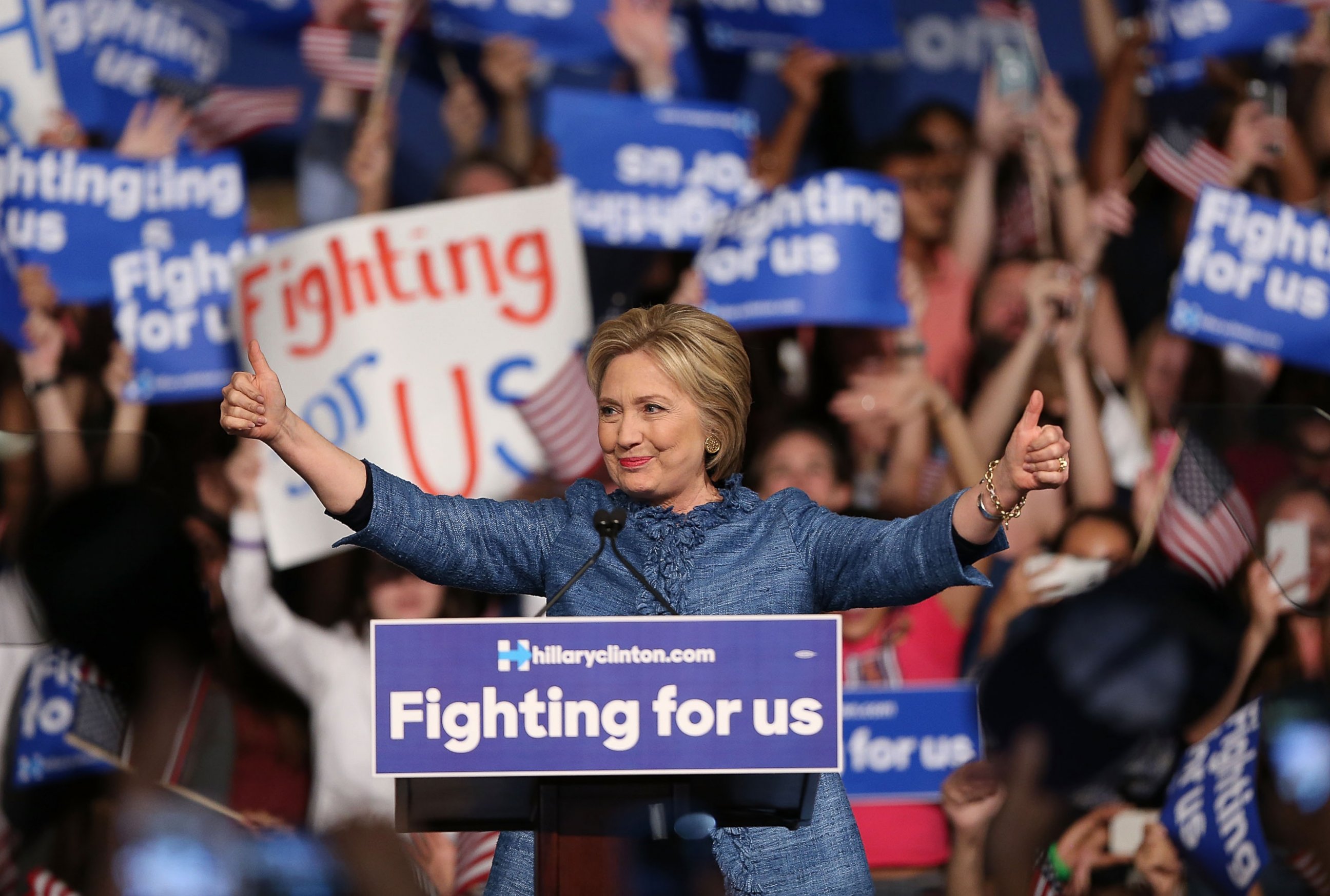
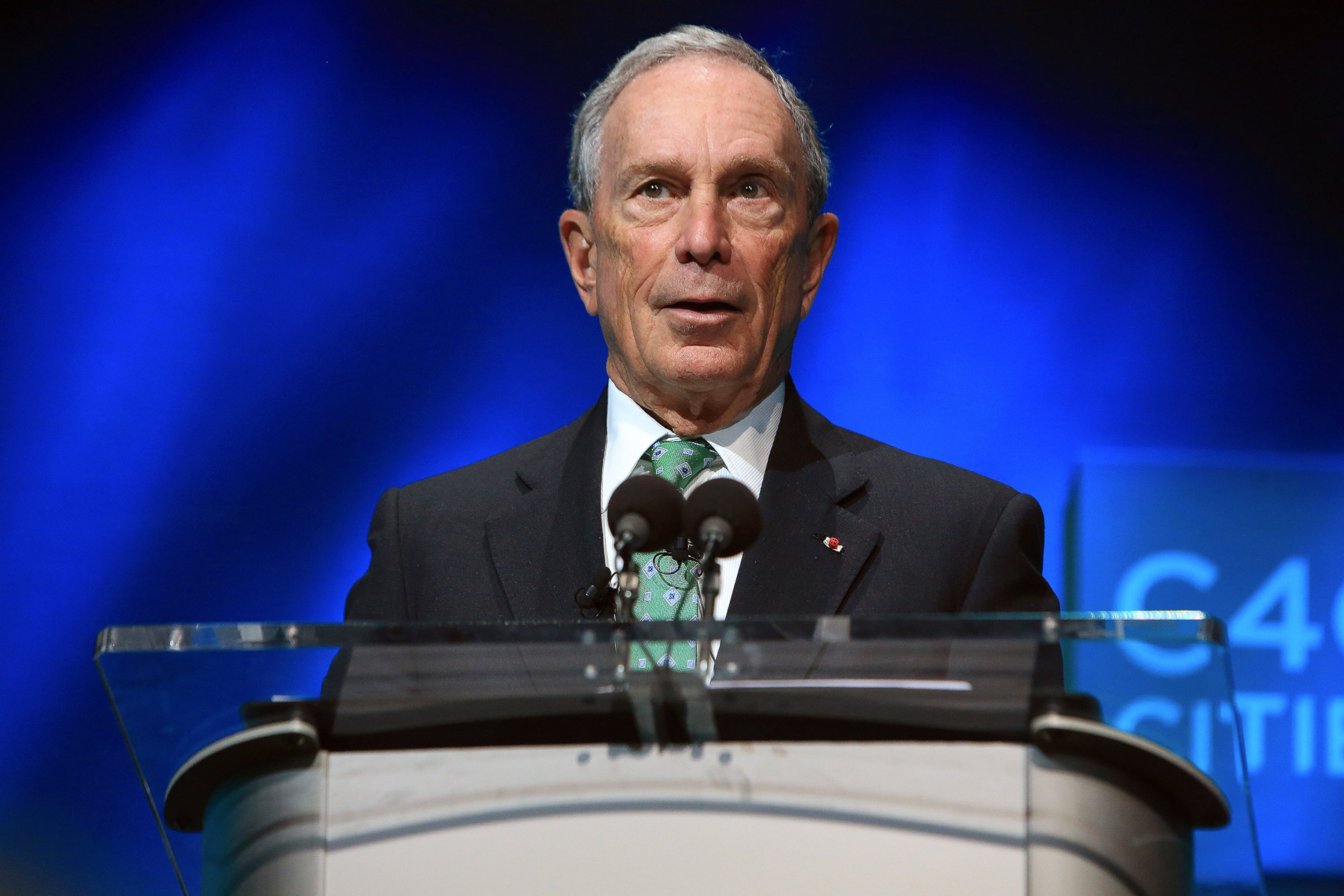
One of the most talked-about possibilities -- former New York City Mayor Michael Bloomberg -- has already formally dropped out of consideration of a third party.
In an article titled "The Risk I Will Not Take," Bloomberg noted that "when I look at the data, it's clear to me that if I entered the race, I could not win."
"In a three-way race, it’s unlikely any candidate would win a majority of electoral votes, and then the power to choose the president would be taken out of the hands of the American people and thrown to Congress," Bloomberg said, going on to note that both houses of Congress are controlled by Republicans, making it more likely that such a situation could lead to the GOP nominee’s election.
The realization that a third-party candidate is unlikely to win in this election doesn't appear to have stopped the likes of Erickson and others, however. Their new plan may be for a spoiler to help avoid a Trump presidency, Wallach of the Brookings Institution said.
"Personally, I think there's a very, very strong chance there will be some action on the third party or independent front that will play some important role in the race. I have a harder time ... imagining a world in which a third party might actually have a shot at the White House," he added.
How Would It Work
One of the most immediate challenges for a serious independent candidate would be to make sure his or her name showed up on the ballots in all 50 states, Georgetown University associate professor Hans Noel told ABC News.
The states differ dramatically on the requirements to qualify to have a candidate’s name added to a ballot. Generally, states require a certain percentage of the electorate to sign a petition to have the individual added to the ballot, ranging from more than 178,000 people in California to as few as 275 people in Tennessee, according to Ballotpedia, a website run by a nonprofit focused on government accountability.
The individual filing deadlines range mostly through the summer months, with Texas having the earliest deadline of May 9, according to the site.
A candidate would likely want to hire someone in each state with local expertise, but, Noel points out, most of those individuals have that experience because they’ve been working for one of the main parties "for decades," making them less likely to break away for an independent. Beyond that, the candidate in question would need to solicit thousands of signatures, indicating widespread appeal.
"Obviously, it's just a huge uphill battle for any independent candidate or third party," the Brookings Institution’s Wallach said.
When it comes to campaign finances, the deadline is less of a factor. Christian Hilland, a spokesman for the Federal Election Commission, said candidates need to register with the agency within 15 days of spending at least $5,000 on campaign activity.
The FEC allows for preliminary work and an exploratory committee to be formed, both of which could easily cost more than $5,000, without having the candidate formally register. That grace period ends when the individual begins explicitly referring to him or herself as a candidate, Hilland said.