'Lot of fear': Coronavirus pandemic compounds dire situation for poor Americans
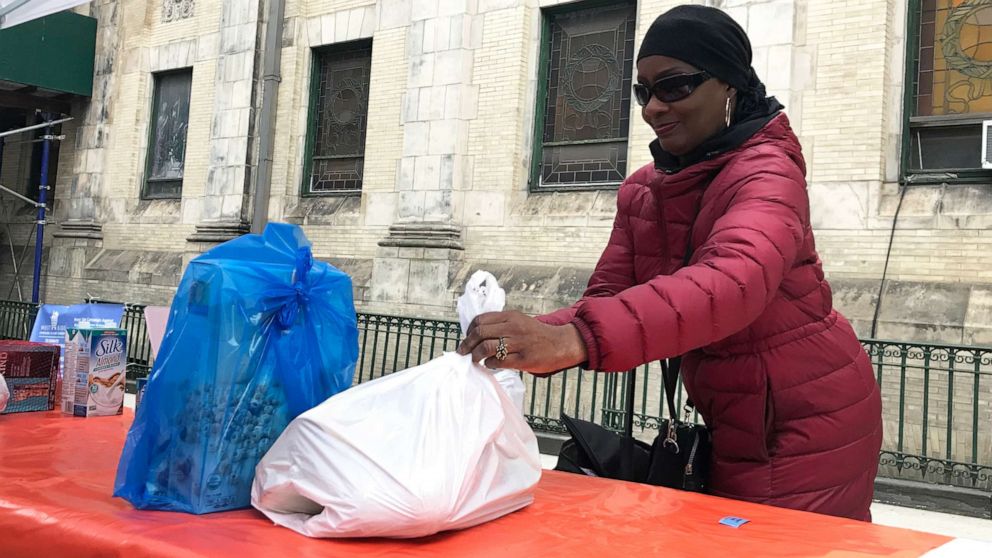
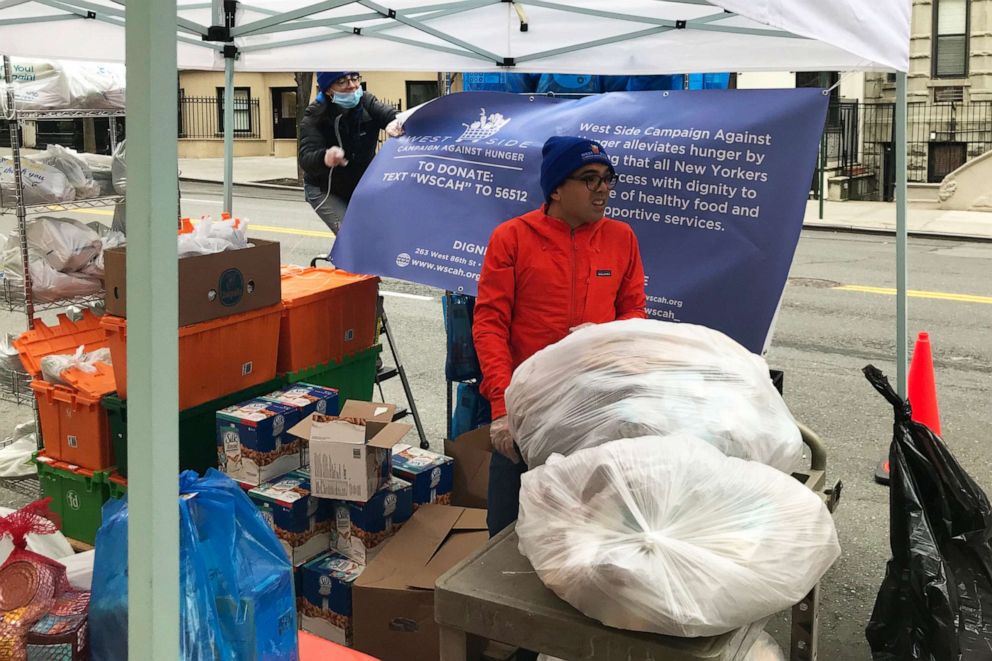
By 8 a.m. on Wednesday, the line outside St. Paul and St. Andrew United Methodist Church in New York City stretched around the block.
But this wasn't any ordinary morning.
Fixed-income residents like 66-year-old Patricia Sylvester faced an agonizing choice -- weighing the risk of catching the coronavirus or going hungry in the pandemic that has seized America's largest city.
Sylvester, a mother of two and a grandmother of three, conceded to being nervous waiting on line for the church's food pantry and made a valiant attempt at social distancing.
"I’m a senior citizen and I’ve been coming here since before the crisis. I knew a lot of things were closed down, but once I got the call Monday from the church, I was like, 'Wow, let me go.' I hate to take the chance of getting sick, but I need some food in the house," Sylvester told ABC News.
As the number of confirmed coronavirus cases and deaths continue to surge in New York City and across the nation, experts say members of poor communities in hard-hit urban areas are among the most vulnerable due to poverty, unemployment, homelessness, lack of medical insurance and underlying physical conditions that disproportionately affect them.
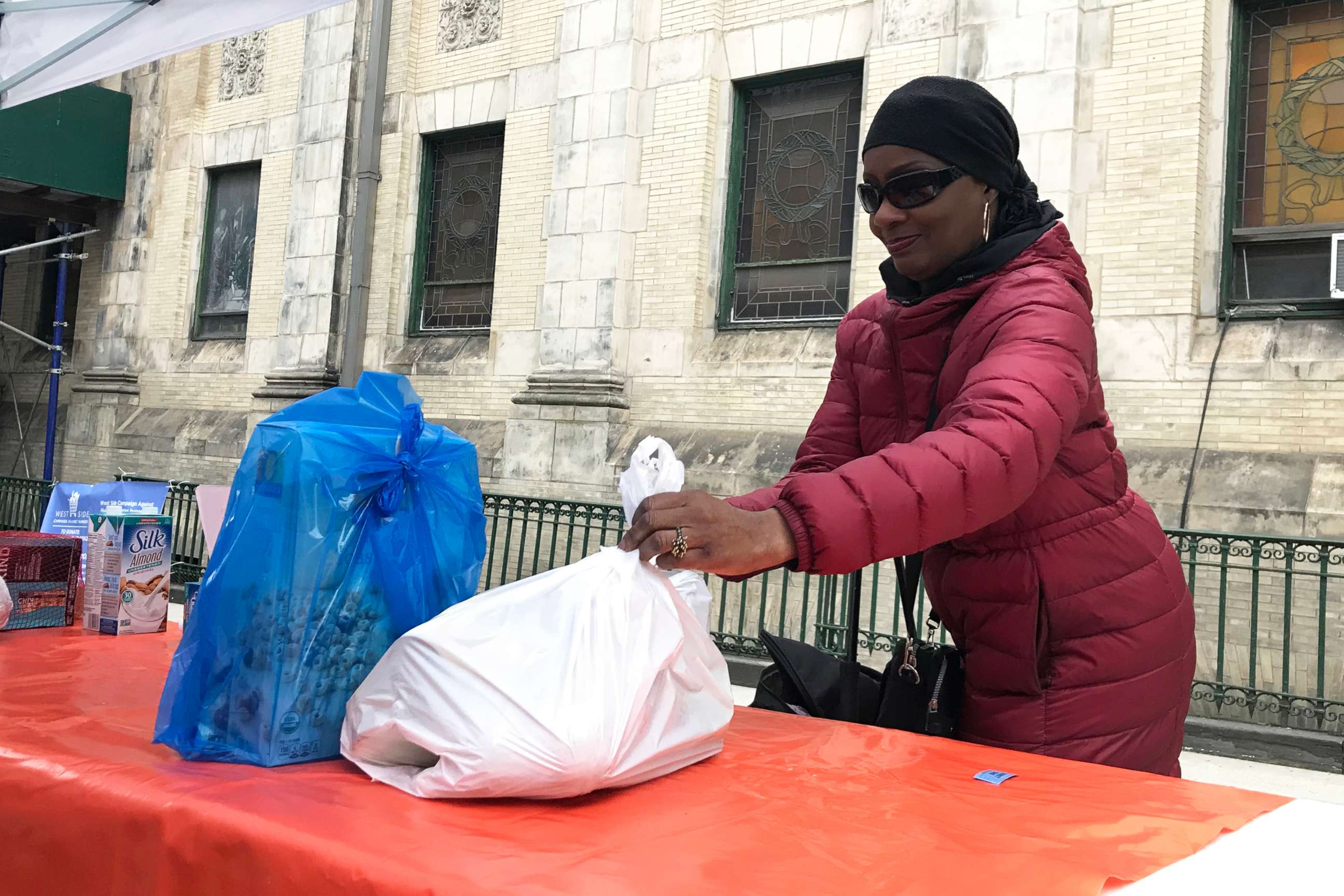
“I think there’s a lot of fear, partly because there’s not a lot of options," said Rev. K Karpen, the pastor of St. Paul and St. Andrew Church, which houses the West Side Campaign Against Hunger food pantry that feeds about 10,000 needy families a year.
What to know about Coronavirus:
- How it started and how to protect yourself: Coronavirus explained
- What to do if you have symptoms: Coronavirus symptoms
- Tracking the spread in the US and Worldwide: Coronavirus map
Karpen's church also operates a shelter for homeless women and his anxiety has risen with news this week that 39 homeless people in New York City have tested positive for coronavirus, 17 since Sunday in 12 different shelters in the city. One homeless man in his 60s died last week, according to the city's Department of Social Services.
"Think about the people who don’t have homes, they can’t stay in place, they can’t shelter in place," Karpen told ABC News. "There is no place. It’s not an option."
Since the COVID-19 pandemic began to manifest itself in the United States this month, unemployment has skyrocketed. On Thursday, the U.S. Department of Labor released data showing a record number of people -- 3.28 million -- filed for unemployment claims in the week ending March 21. That's an increase of 3 million from the previous week.
U.S. Treasury Secretary Steve Mnuchin has already privately warned a group of Republican senators that the jobless rate could hit 20% if drastic measures aren't taken immediately, ABC News has confirmed.
The Trump administration has proposed a $2 trillion economic stimulus package, which was approved by the Senate Wednesday night and when combined with other programs proposed by Congress could end up totaling $6 trillion to prop up the derailed economy.
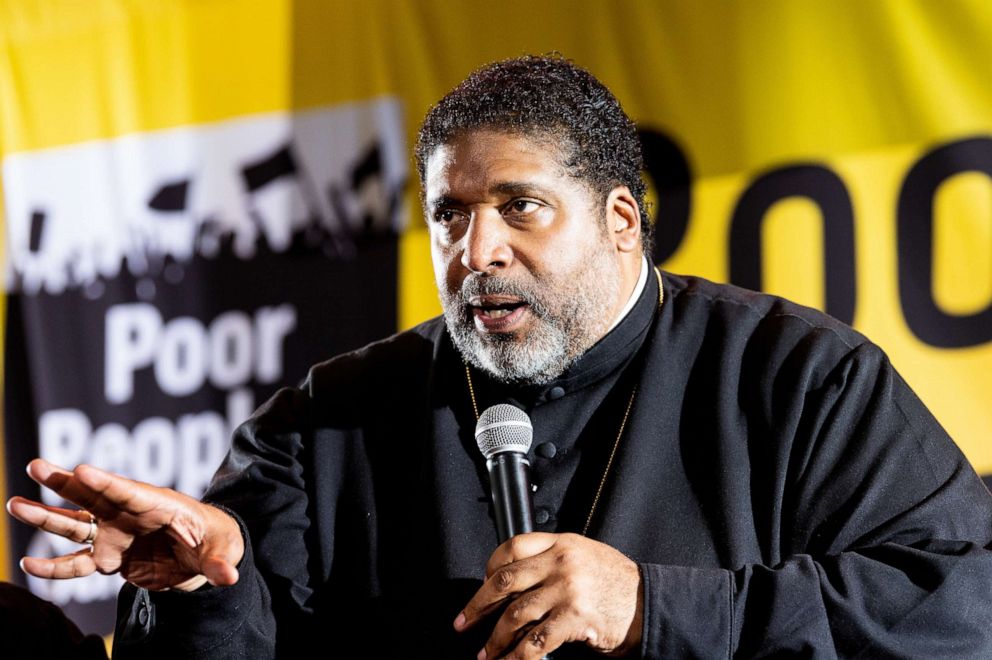
"What happens whenever you have epidemics and pandemics is they expose the already existing inequities in our society, the things we didn’t address before the epidemic," Rev. William Barber II, co-chair of the nonprofit Poor People's Campaign, which advocates for economic justice, told ABC News. "What we are seeing around the country is that we're operating and telling people to do things from the position of wealth. We say, 'Go home and buy groceries.' Well, if people weren’t making a living wage how are they going to do that? Most of them don’t have $300 in the bank, if that."
An audit by the Poor People’s Campaign in partnership with the Institute for Policy Studies shows that even before the coronavirus crisis, there were 140 million poor to low-wealth Americans who could not afford a $400 economic emergency. A 2018 U.S. Census Bureau report showed that 38.1 million Americans were living in poverty -- about $16,900 in annual income or less for a two-person household.
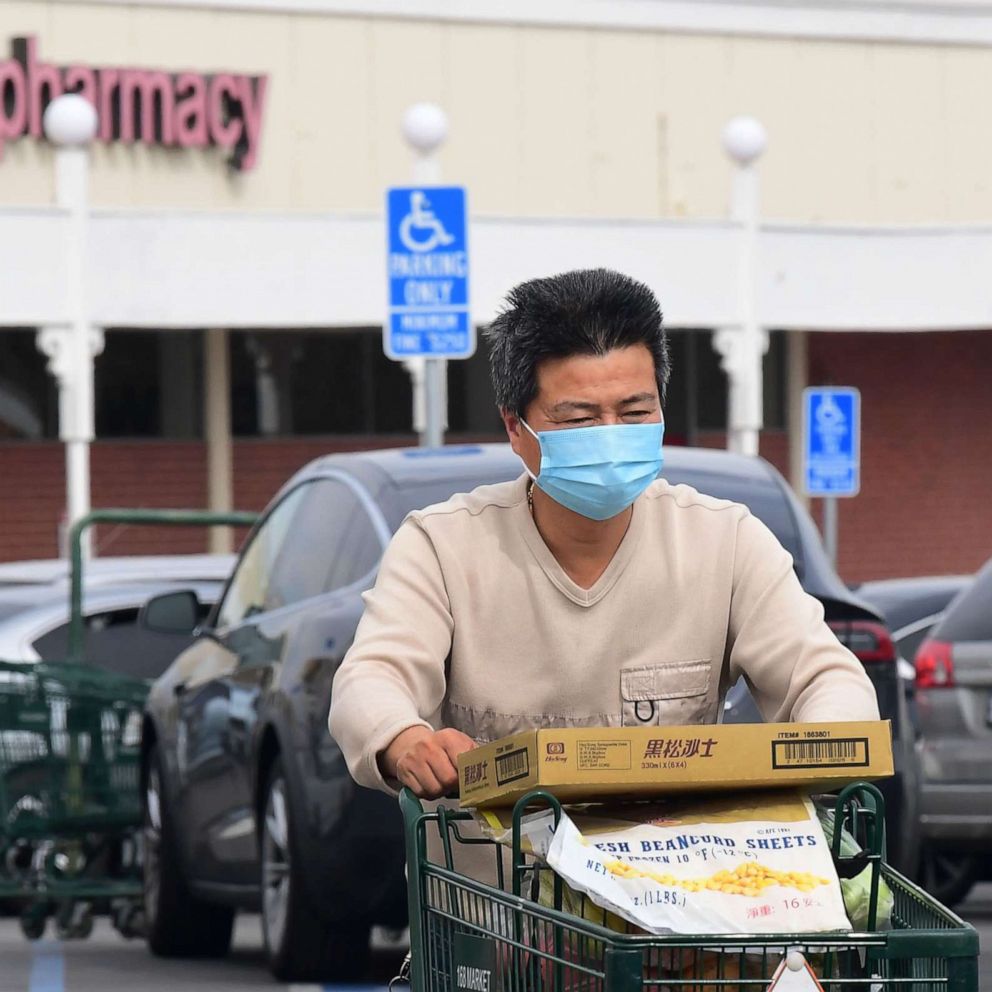
In November, the Census Bureau reported that more than 28.5 million Americans were uninsured, or about 8.5% of the population.
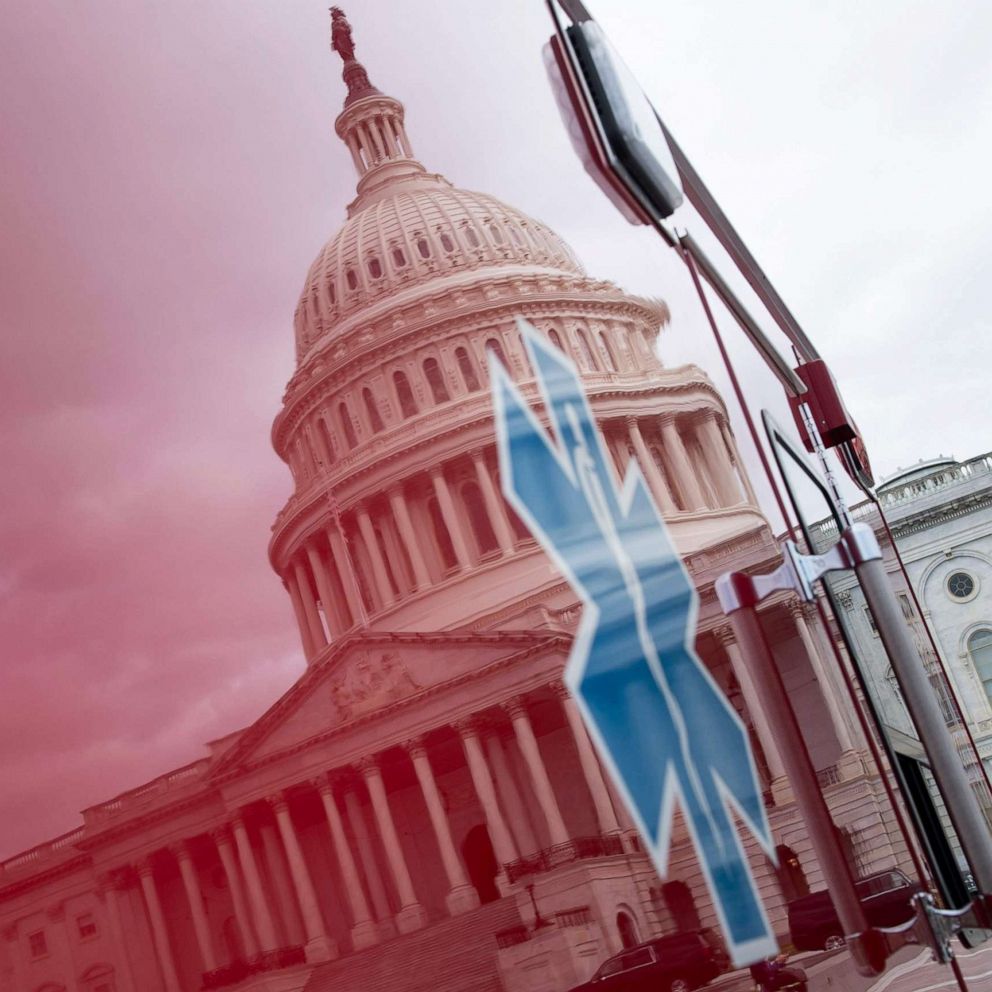
The Department of Housing and Urban Development reported in January that roughly 568,000 people were homeless in America, more than half in the nation's 50 largest cities.

Barber, whose nonprofit grassroots organization is a revival of the one started by Rev. Martin Luther King Jr. and led to the 1968 Poor People's March on Washington, estimates that 62 million working Americans fail to earn a living wage.
"A lot of them didn’t have health care, a lot of them didn’t have extra savings because years ago when we could have raised the living wage, when we could have passed health care for everybody, you claimed you didn’t have the money," said Barber, who is also president of the social justice group Repairers of the Breach. "Now suddenly, in the midst of an epidemic, we can find $6 trillion."
Lili Farhang, co-director of Human Impact Partners in Oakland, California, a group that researches and advocates for policy and systems changes to advance health equity, says she's worried that the effects of the public health pandemic will continue to exacerbate economic and health problems for poor communities long after it subsides.
"A lot of the things that we were worried about happening are actually happening: School districts are shutting down, shelter-in-place orders are being promoted and enforced. So that basically means that all the concerns we had about people losing income from being laid off, not having access to health care are happening," Farhang told ABC News. "And because we’ve had no progress really ... on a vaccine, on treatment, that basically means that we’re totally dependent on mass social distancing, or physical social distancing, the physical isolation recommendations that health officials are promoting."
Farhang said it remains unclear when many of the economic stimulus packages will sunset.
"I just think there is this huge question about what the longer term implications are going to be if they don’t provide long-term coverage," Farhang said.
She said she's also worried about low-income employees deemed essential such as food delivery workers, home-care providers, day-care providers, grocery store and pharmacy workers, and truck drivers delivering freight to restock stores.
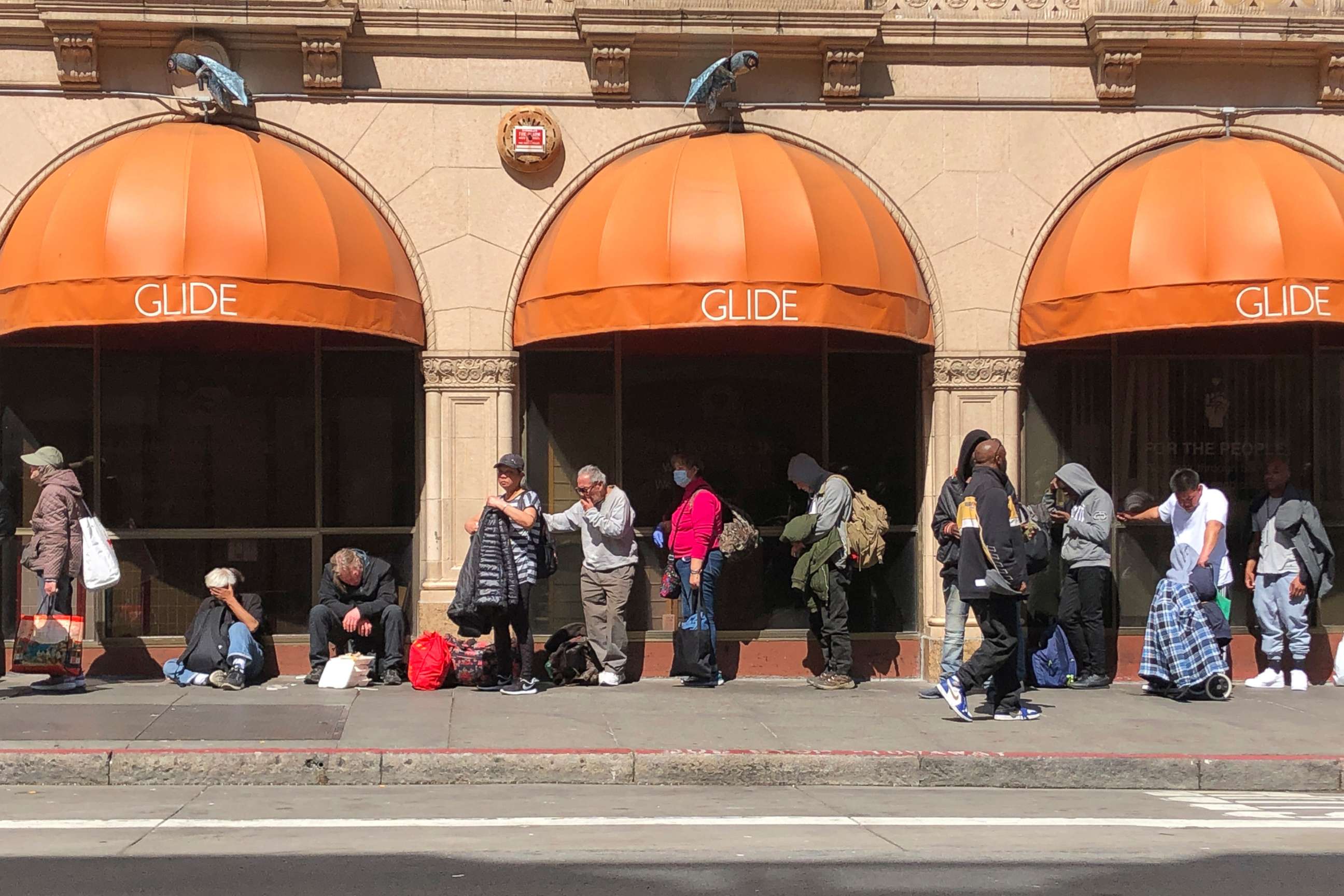
"I think there’s a sector of our workforce that is putting themselves out there because they see the economic consequences being too significant," Farhang said. “Now we understand why people need paid sick days or family medical leave."
Barber said that prior to the pandemic, the Poor People's Campaign was organizing a march on Washington scheduled for June 20 to raise awareness about the issues facing low-income Americans. Since the pandemic, Barber said the need for such a march is stronger than ever and that has inspired the group to plan a virtual march.
"Now that the virus has hit we can’t gather physically because they shut down large gatherings," Barber told ABC News. "So now we’re going to have the largest most historic gathering of poor and low-wealth people and moral leaders via social media."