What it means to be Afro-Latino: 'We are diverse in every single possible way'
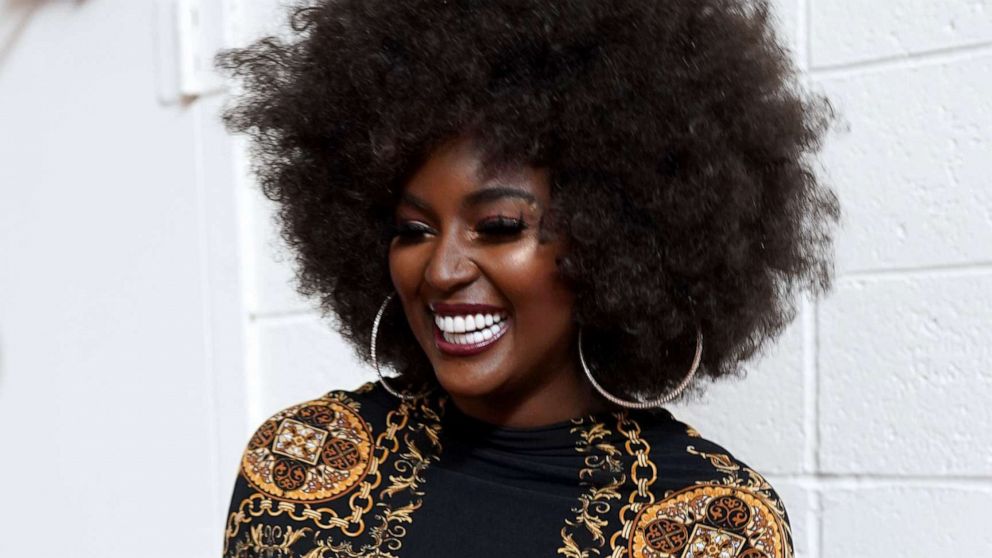
Amara La Negra, singer, reality show star and rapper, is known for embracing her afro and her Blackness.
But despite all her success, there’s one battle she’s always had to fight: defending her Afro-Latin Blackness.
“I still feel there's a lot of African Americans that don't even know that there's other parts in the world where there's people like us and don't speak English,” she told ABC News. “We're not all African Americans. We are diverse in every single possible way you can imagine.”
In a society that clings to categorizing people, Amara La Negra says she’s always having to explain herself.
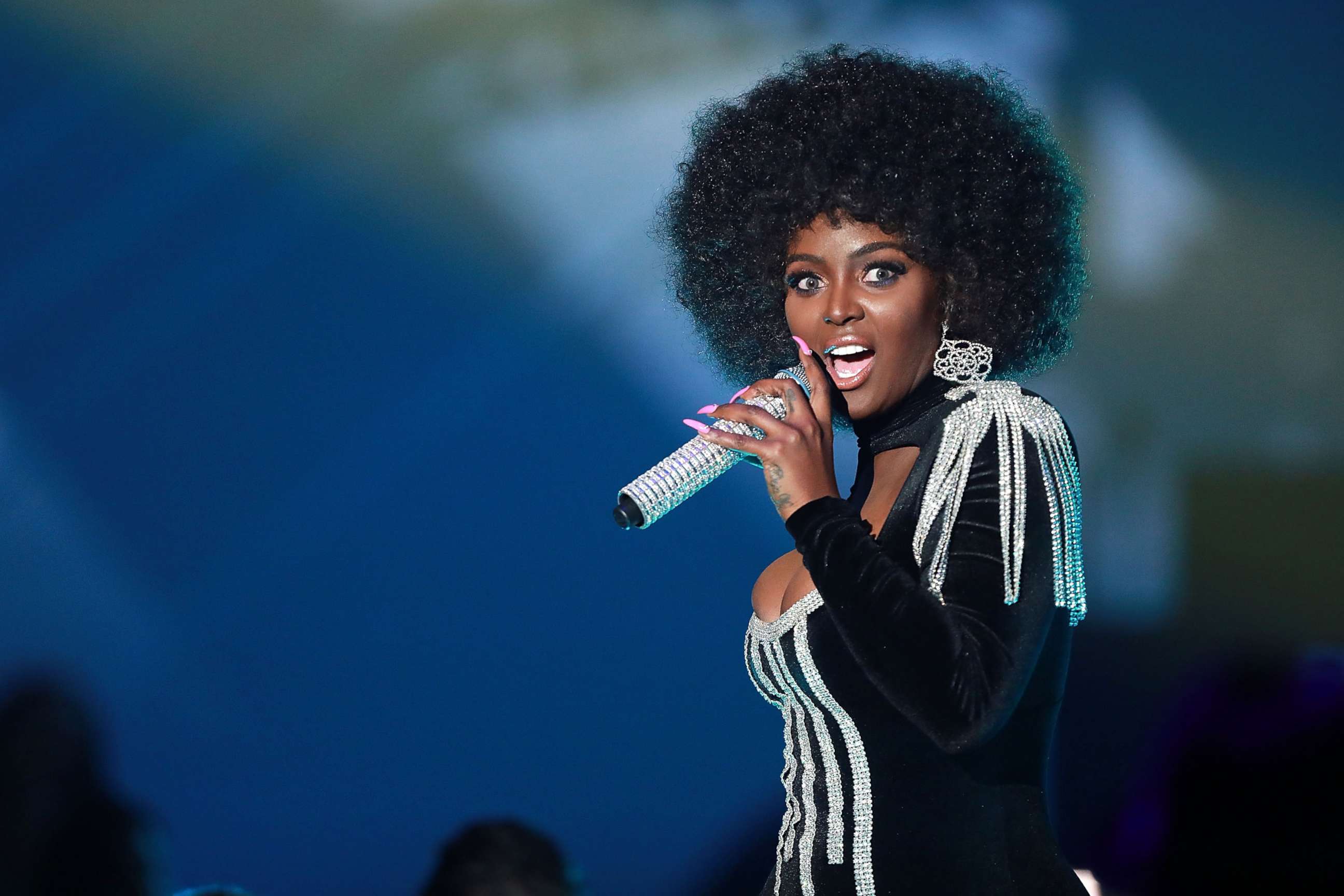
Born Diana Danelys De Los Santos to Dominican parents, sometimes Amara La Negra finds herself being questioned by African Americans about Ber blackness, like on the radio show "The Breakfast Club."
“Simplify it for me, what exactly is the struggle that you’re facing?” Charlamagne Tha God, one of the show's hosts, asked her. “You sure it’s not in your mind?”
She’s also faced questions from other Latinos, including some in her home state of Florida, who she says questioned why she would participate in a Black Lives Matter march in Miami.
“They were like, ‘Why are you out there protesting? You're not Black. You have to pick. Are you Latina? You Dominican? Are you Black? You kind of have to pick,’” Amara La Negra told ABC News. “They were saying a lot of negative things toward me. I guess that there was a part of them that didn't understand how important this is. ... It's a humanity thing.”
In the wake of George Floyd’s death and a renewed outrage over racial inequality in America, there’s a growing spotlight illuminating the diversity of Blackness in the U.S. It’s a lesson that educator Jennifer Whyte says she’s been teaching for years.
The Spanish teacher is the only Latina and the only teacher of color at The Donoho School in Anniston, Alabama.
In the rural South, she makes it a point to educate her students about Afro-Latin culture.
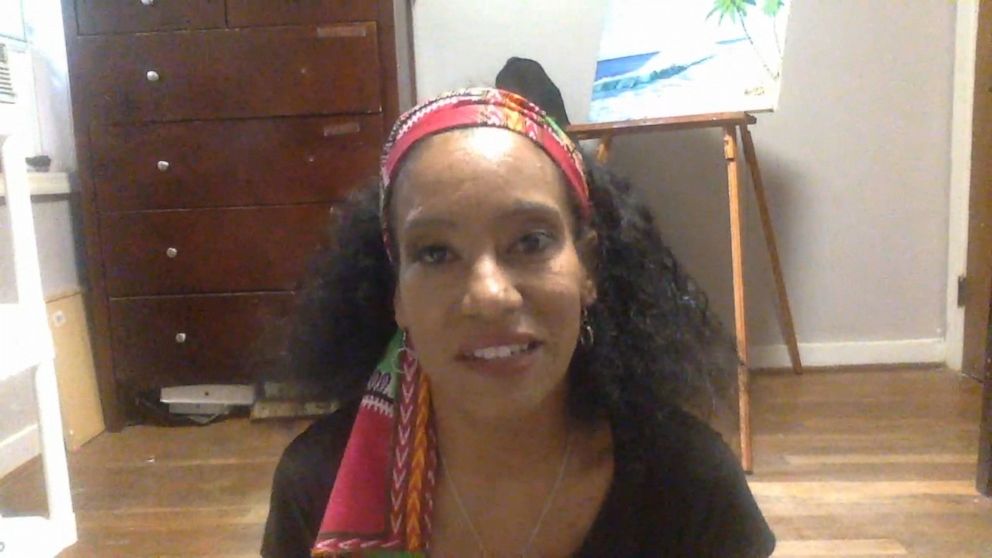
“I need to be true to myself. … I know who I am as a Spanish teacher and teaching culture,” Whyte told ABC News. “We're the ones that teach culture. We're the ones that bring up these uncomfortable conversations about race and history, too, because we do history. So it's like we bring up these uncomfortable conversations about race, colorism.”
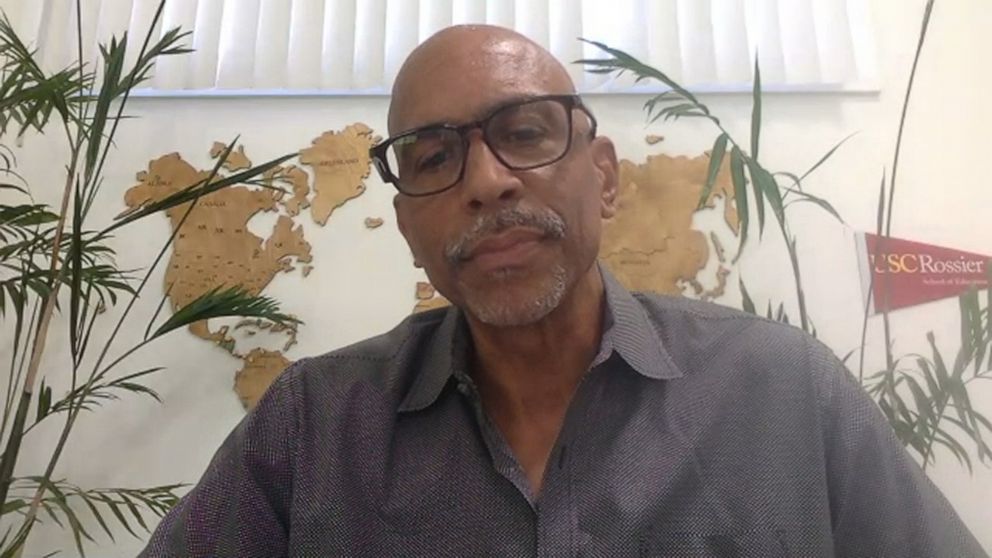
Pedro Noguera, dean of the University of Southern California Rossier School of Education, focuses on race and policy and believes the United States' historically poor treatment of African Americans created a massive divide among Latino immigrants -- even those who are Black.
“When many Latin Americans come to this country, there's a tendency to try to distance themselves from Black Americans. And that's true even among people who, phenotypically from Latin America, are Black,” Noguera said. “You think about American baseball, someone like Big Poppy, the great slugger from the [Boston] Red Sox, who is clearly Black, very dark-skinned, does not identify as Black. [He] identifies as Dominican, as if that were separate somehow from being Black.”
Adding to the complexities in the United States, the Latino community encompasses families from many different countries.
“So many Latinos identify more with nationality. They will say, I'm from El Salvador. I am from Panama,” Noguera said. “Latino doesn't mean a whole lot. It only means something to second- and third-generation Latinos who've been in America who understand the way race in America works. And so they will claim a Latino identity. But in their identity, there's incredible diversity.”
In the U.S., most people strictly think African American when they hear of someone who is “Black," but according to the the Slave Voyages Project, during the colonial period, about 15 times as many slaves were taken to Latin America than the United States.
One Pew study found a quarter of all Latinos in the U.S. self-identify as Afro-Latino, Afro-Caribbean or of African descent with roots in Latin America.
As protesters fill the streets across the country, it’s become clear those demonstrators are a diverse group -- one indicator of how the concept of race in America is evolving, Noguera says.
“It's not static. It's rooted in politics, not biology. Once we see it that way, we understand how and why it's used,” he said. “It’s used to rationalize oppression. It's used to divide people. And that's what we have to reject. We have to reject racism and the ways in which it's used to keep people apart and to justify discrimination. Once we see it that way, then we can celebrate our identity, celebrate our culture and not do it in ways that put others down and perpetuate racial hierarchy.”
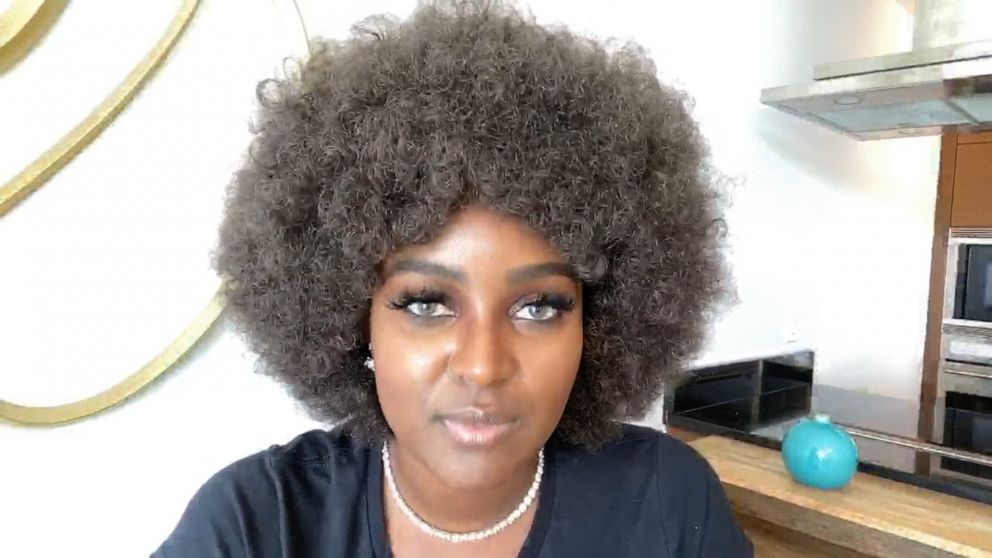
Rejecting racism and celebrating her Afro-Latin beauty is why Amara La Negra says she’ll continue to speak up. She often turns to one of her role models growing up -- the late Cuban icon and queen of salsa, Celia Cruz.
“I admired her to the core of me," she said, "because she was the only person that looked like me."