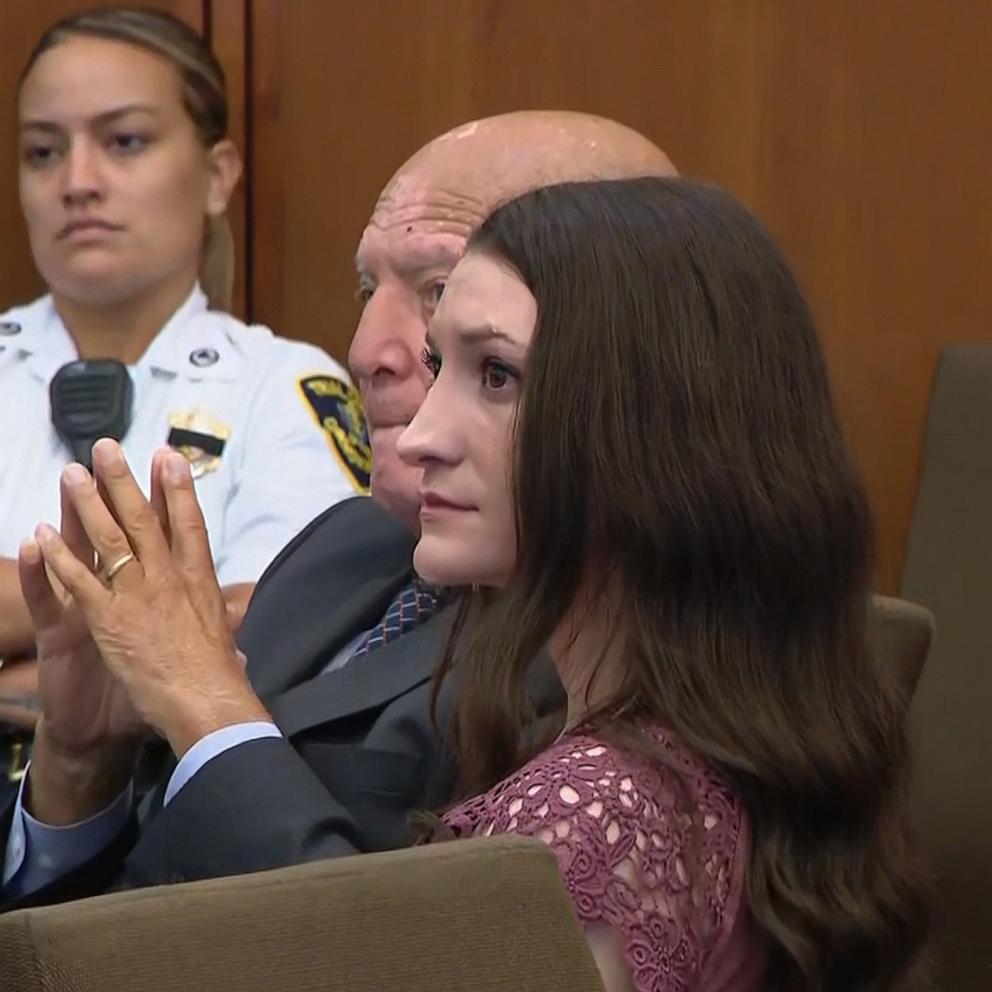
Menendez brothers timeline: From the shocking 1989 murders to their fight for freedom

Erik and Lyle Menendez have been behind bars for 35 years for the gruesome double murders of their parents -- and the sensational case is still riveting the nation.
From the shocking crimes to their first appearances in front of a parole board, here's the full timeline of the case:
1989
On Aug. 20, 1989, music executive Jose Menendez and his wife, Kitty Menendez, were gunned down with shotguns at their Beverly Hills, California, home.
Their sons, Lyle Menendez, then 21, and Erik Menendez, then 18, called 911 and said their parents were killed by intruders.

1990
In March 1990, Erik and Lyle Menendez were arrested for first-degree murder.
1993
Erik and Lyle Menendez went on trial in 1993, with each brother having his own jury.
Prosecutors alleged the brothers -- who went on a spending spree after the slayings -- killed their wealthy parents for financial gain.
The defense argued the siblings acted in self-defense after enduring years of sexual abuse by their father.

1994
The juries for Erik and Lyle Menendez deadlocked and mistrials were declared for both cases.
1996
In 1996, at the end of a second trial -- in which the judge barred much of the sex abuse evidence -- Lyle and Erik Menendez were convicted of first-degree murder and sentenced to two consecutive life prison terms without the possibility of parole.

The brothers were separated and sent to separate prisons.
1999
Erik Menendez married his wife, Tammi, in a ceremony in prison in 1999 after the two connected as pen pals.
The couple is still married and Tammi is an outspoken advocate for the brothers' release.

2003
Lyle Menendez married Rebecca Sneed at Mule Creek State Prison in 2003.
Sneed announced in November 2024 she and Lyle "have been separated for a while now but remain best friends and family."
"I am forever committed to the enduring fight for Lyle and Erik's freedom," Sneed said in a statement.
2018
In 2018, Lyle and Erik Menendez were reunited for the first time since 1996, when Lyle Menendez was moved to Erik Menendez's prison: the R.J. Donovan Correctional Facility in San Diego.
When they came face to face for the first time, the brothers "burst into tears immediately," according to Robert Rand, a journalist who consulted for NBC's 2017 TV series on the brothers.
"They just hugged each other for a few minutes without saying any words to each other," Rand said. "Then the prison officials let them spend an hour together in a room."

2023
In 2023, the brothers filed a habeas corpus petition for a review of new evidence not presented at the original trial.
One piece of evidence is allegations from Roy Rosselló, a former member of the boy band Menudo, who revealed in the 2023 docuseries "Menendez + Menudo: Boys Betrayed" that he was raped by Jose Menendez.
The second piece of evidence is a letter Erik Menendez wrote to his cousin eight months before the murders detailing his alleged abuse. The cousin testified about the alleged abuse at trial, but the letter -- which would have corroborated the cousin's testimony -- wasn't unearthed until several years ago, according to the brothers' attorney.
Through the habeas corpus petition, the court could reverse the conviction or reopen proceedings.
September 2024
In September 2024, Ryan Murphy's fictional series, "Monsters: The Lyle and Erik Menendez Story," premiered on Netflix, bringing new attention to the infamous murders.
October 2024
On Oct. 7, a documentary on the Menendez brothers was released on Netflix. The two Netflix programs gained a following online from a younger generation who empathized with the brothers' alleged abuse and started advocating for their release.
On Oct. 16, nearly two dozen Menendez family members added to that momentum when they united at a news conference to urge Los Angeles County District Attorney George Gascón to recommend resentencing.

"If Lyle and Erik's case was heard today, with the understanding we now have about abuse and PTSD, there is no doubt in my mind their sentencing would have been very different," Anamaria Baralt, niece of Jose Menendez, told reporters.
Behind bars, the brothers "have sought to better themselves and serve as a support and inspiration for survivors all over the world," Baralt said. "Their continued incarceration serves no rehabilitative purpose."

On Oct. 24, Gascón announced he was recommending the brothers' sentence of life without the possibility of parole be removed, and they should instead be sentenced for murder, which would be a sentence of 50 years to life. Because both brothers were under 26 at the time of the crimes, they would be eligible for parole immediately with the new sentence.
The DA's office said its resentencing recommendations take into account many factors, including rehabilitation in prison, and abuse or trauma that contributed to the crime. Gascón praised the work Lyle and Erik Menendez did behind bars to rehabilitate themselves and help other inmates.
November & December 2024
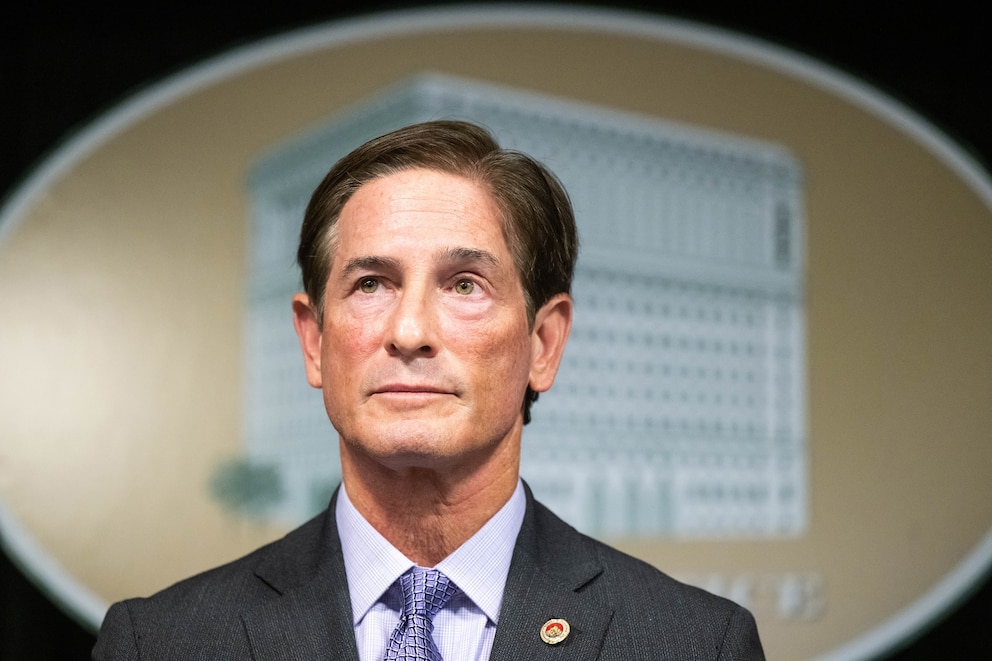
On Nov. 5, Gascón lost his race for reelection to Nathan Hochman.
Hochman became DA in December and said he wanted to review all of the evidence -- including prison records and trial transcripts -- before deciding if he'd recommend resentencing.
February 2025
On Feb. 21, Hochman announced he asked the court to deny the brothers' habeas corpus petition, which aims to get a new trial or the case tossed out. The DA argued the new evidence the defense presented wasn't credible or admissible.
On Feb. 26, California Gov. Gavin Newsom spoke out about the brothers' third potential path to freedom: their request to the governor for clemency.
Newsom ordered the parole board to launch a "comprehensive risk assessment" investigation into whether the brothers pose "an unreasonable risk to the public" if released.
"The Governor's primary consideration when evaluating commutation applications is public safety, which includes the applicant's current risk level, the impact of a commutation on victims and survivors, the applicant's self-development and conduct since the offense, and if the applicant has made use of available rehabilitative programs, addressed treatment needs, and mitigated risk factors for reoffending," the governor's office said in the letter to defense attorney Mark Geragos.

March 2025
On March 10, Hochman announced he was asking the court to withdraw the previous district attorney's motion for resentencing, alleging the brothers never accepted responsibility for their actions and slamming their claims of self-defense as part of a litany of "lies."
Hochman said the brothers told 20 lies and admitted to four; he said 16 lies remain "unacknowledged."
"If the Menendez brothers, at some point, unequivocally, sincerely and fully accept complete responsibility for all their criminal actions, acknowledge that the self-defense defense was phony and their parents weren't going to kill them ... and finally come clean with the court, with the public, with the DA's office, with their own family members and acknowledge all these lies ... in the future, the court can weigh these new insights into making a determination as to whether they now qualify for rehabilitation and resentencing. And the [DA's office] will do the same," Hochman said.
April 2025
On April 11, Judge Michael Jesic denied Hochman's motion to withdraw the resentencing petition, marking a win for the brothers' case.
May 2025
A hearing was held on May 9 to determine whether the resentencing case should include information from the California Board of Parole's newly completed risk assessment, which was conducted at Newsom's request as a part of the separate clemency path.
The risk assessment said Erik and Lyle Menendez pose a moderate risk to the community if they're released.
The assessment revealed the brothers possessed illegal cellphones in prison, among numerous other violations, though many are not recent. However, Erik Menendez had a phone as recently as January of this year, which Hochman stressed was during the resentencing effort when he should have been on his best behavior.
Jesic indicated he would take some of the risk assessment into account.
On May 13, Jesic resentenced Erik and Lyle Menendez to 50 years to life in prison, making them immediately eligible for parole under youth offender parole laws. Jesic said he was moved by letters from prison guards and is amazed by what the brothers have accomplished.
The brothers, who attended the hearing from prison, admitted their guilt and admitted to lying about the case.
"I killed my mom and dad," Lyle Menendez told the judge. "I give no excuses."
"I committed an atrocious act," Erik Menendez said. "My actions were criminal, selfish and cowardly. ... No excuse. No justification for what I did."
"I have come a long way on this path" of redemption, Erik Menendez said, adding, "I will not stop trying to make a difference."
August 2025
Lyle and Erik Menendez were both denied parole at their separate -- and first -- parole hearings.
Both brothers will next be eligible for parole in three years.
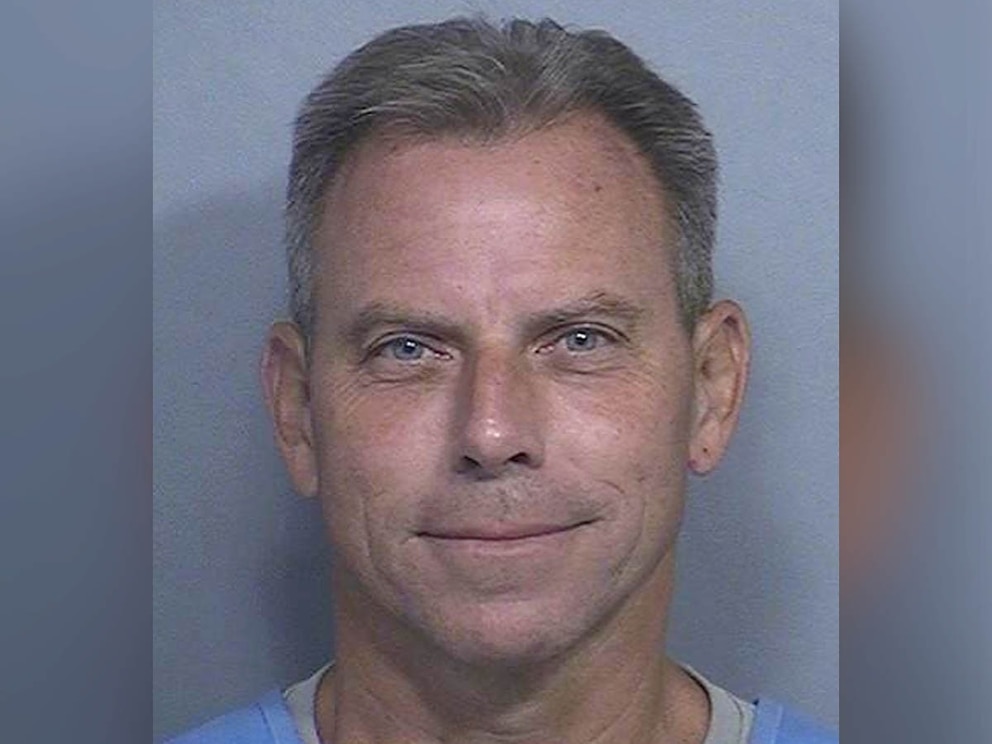
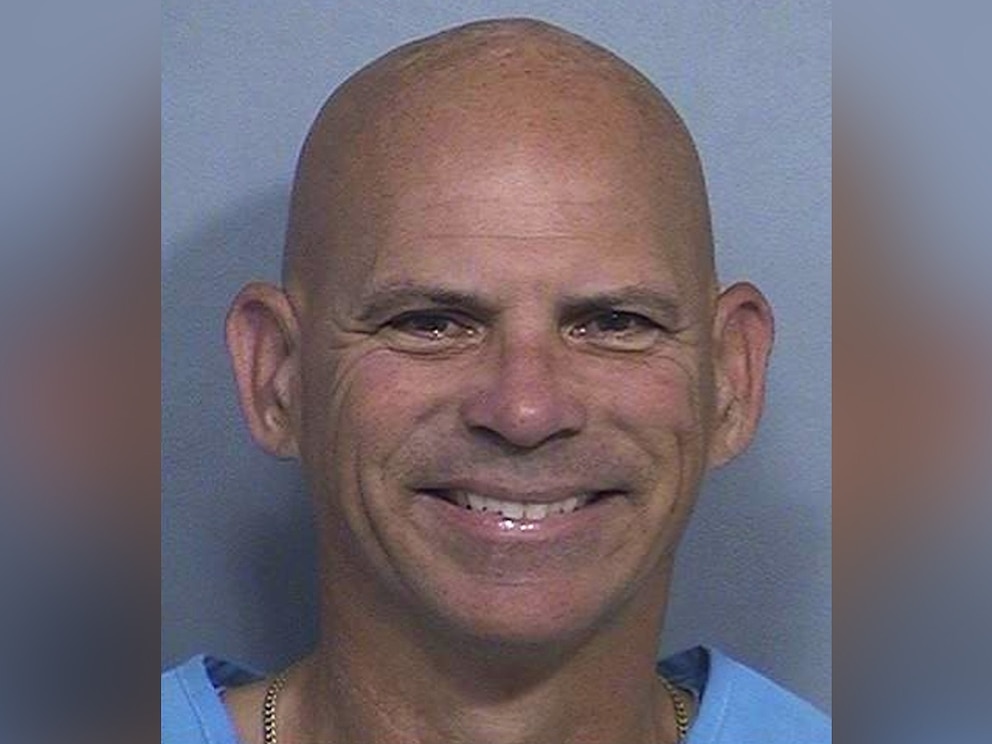
Erik Menendez's panel of commissioners based their decision on multiple factors, including rule-breaking in prison, participating in burglaries before the murders and the brutal killing of his mother.
But the commissioners said it was Erik Menendez's behavior in prison, not the seriousness of the crime, that was the primary reason he was denied parole. The board noted Erik Menendez's inappropriate behavior with visitors, drug smuggling, misuse of state computers, violent incidents and illegal cellphone use.
Lyle Menendez's panel of commissioners -- who were different from those reviewing Erik's case -- noted he also was caught illegally using cellphones.
"You have been a model inmate in many ways who has demonstrated the potential for change," parole commissioner Julie Garland said. "But ... you still struggle with anti-social personality traits like deception, minimization and rule-breaking that lie beneath that positive surface."
The brothers' relatives said they were "disappointed" by the denials, but not "discouraged."
"We know they will take time to reflect on the Board's recommendations and will continue to lead, mentor, and build programs that support rehabilitation and hope for others," the family said. "We know they are good men who have done the work to rehabilitate and are remorseful. We love them unconditionally and will continue to stand by them."
September 2025
In September 2025, Judge William Ryan denied the brothers' habeas corpus petition, which they filed in 2023 to try to toss their conviction and get a new trial based on newly discovered evidence.
The petition had presented two pieces of evidence: allegations from Roy Rosselló, a former member of the boy band Menudo, who in 2023 claimed that he'd been raped by Jose Menendez; and a newly recovered letter Erik Menendez wrote to his cousin Andy Cano eight months before the murders detailing his alleged abuse.
The judge said "neither piece of evidence adds to the allegations of abuse that the jury already considered."
Ryan disputed the relevance of testimony from Rosselló, saying it would not be "relevant to the [brothers'] state of mind at the time of the murders."
And regarding the letter to Cano, the judge said that it "only corroborates what was already discussed at length" by Erik Menendez and Cano at trial. "At best, it does not additionally inform the jury of [the brothers'] alleged fear at the time of the murders, and at worse, it puts a crack in the credibility of both witnesses," the judge added.