Mercedes-Benz's CEO is a 'petrol head.' He's also convinced EVs are the future
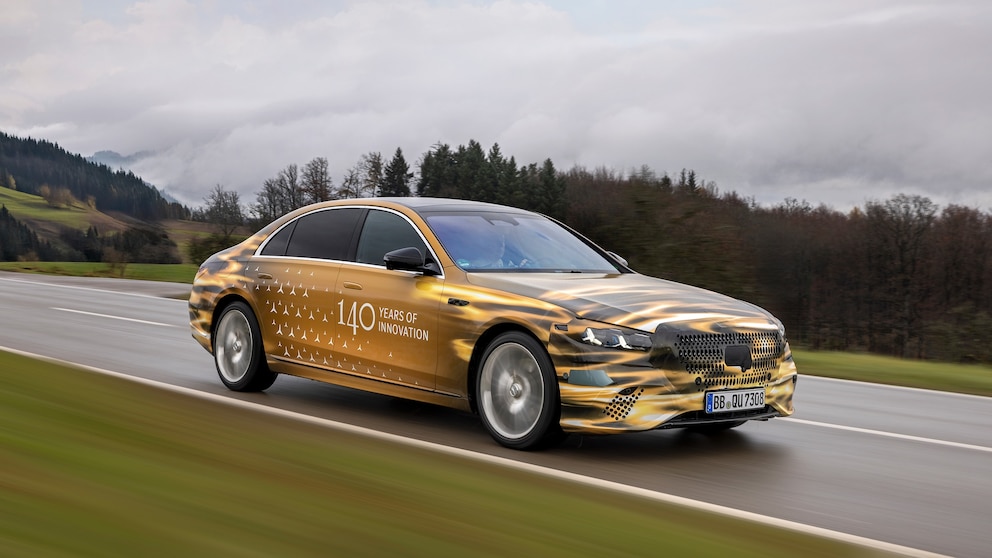
Ola Källenius is sitting in the back seat of the company's new S-Class sedan.
The CEO of Mercedes-Benz can talk for hours about the sedan's effortless ride, its high-tech operating system or the remodeled grille, which is 20% bigger and dotted with illuminated stars that shine at night.
What excites Källenius most is that back seat, which he calls the "best seat in the house."
Ambassadors, government officials and corporate executives like himself spend a lot of time in the back seat, which Mercedes has perfected: plush, luxurious and ergonomically friendly.
The sixth-generation S-Class makes its debut at the end of January and the stakes are high: the flagship vehicle represents where the the company is headed.
This particular version has more horsepower, more refinement, more engineering upgrades -- even a heated front seat belt.
More Americans, however, buy sport utility vehicles over sedans, a trend that Källenius is not overly concerned about: "Sedans are not a dying breed," he said.
The CEO spoke to ABC News ahead of the S-Class global premiere, answering questions about the future of electric vehicles, why the G-Wagen has become so desirable and the company's "investment spree" in the U.S.
The interview below has been edited for clarity.
Q: The latest S-Class is about to be unveiled. Tell me about the changes consumers can expect.
A: The back seat is the best seat. It's usually where the ambassador sits when being driven. We changed almost everything [in this new generation S-Class]: 2,700 parts, 50% of the vehicle. This is not a regular facelift. This is a whole new car. Aesthetically, on the outside, we have refreshed the look of it, down to the little details like an illuminated standing star on the bonnet.
But on the inside it's about comfort. You feel how smooth this ride is. It's about ergonomics. These seats, next to being extremely comfortable and beautiful, it's almost like they're orthopedic devices. If you step into this car and you ride for a few hours and step out, you feel more refreshed then when you stepped in.
[And] attention to detail, of course. New beautiful trim ... think of this car as your home. It's your living room. What would you have in your living room? You would have very nice furniture but you would also have high tech. So this car is now the first S-Class with a full-scale, newly developed what we call Mercedes-Benz Operating System [MB.OS].
The S-Class is the flagship car, we're in the 6th generation now. And the next one is in development.
You can talk for hours and hours about the S-Class. If you're in the market for something like that, go to your Mercedes-Benz partner and take it for a week and a test drive. That will answer all of your questions.
Q: You had mentioned that the new S-Class could be the most intelligent vehicle in the entire world. What do you mean by that? And there's a small but growing trend of consumers who are anti these so-called nanny devices. How would you respond to that?
A: So when we approach technology, and also new digital technology and artificial intelligence, MB.OS has been designed from the ground up. Twenty-seven sensors know exactly what's going on in the car the whole time. Mercedes' virtual assistant is your own butler inside the car. You have the world at your fingertips, at your voice command.
But what is the approach? It's not technology for the sake of technology. It's technology for the sake of the human. So it's not intrusive. It's there if you need it. Another person asked me, "What if I don't want to watch movies on the passenger screen?" And I said, "Well, you can personalize it. Take one of your beautiful photos from a place you like and put it on there as decor."
We will always do technology for the sake of humans, not just technology for the sake of technology.
Q: The sedan is a dying breed in the U.S. Many consumers prefer your SUVs. How do you convince Americans, especially younger drivers, to buy a sedan?
A: So the success of SUVs is, of course, something that we've experienced for decades. That is why Mercedes-Benz offers the biggest and best lineup of SUVs from top to bottom. The sedan is not a dying breed. The people who want the driving comfort on the very highest level go to the S-Class. There really is no substitute. And to the younger crowd, if you want to combine fun to drive but also convenience and safety, try out the C-Class or the soon-to-be-launched electric CLA, which is a revolutionary next-generation electric vehicle.
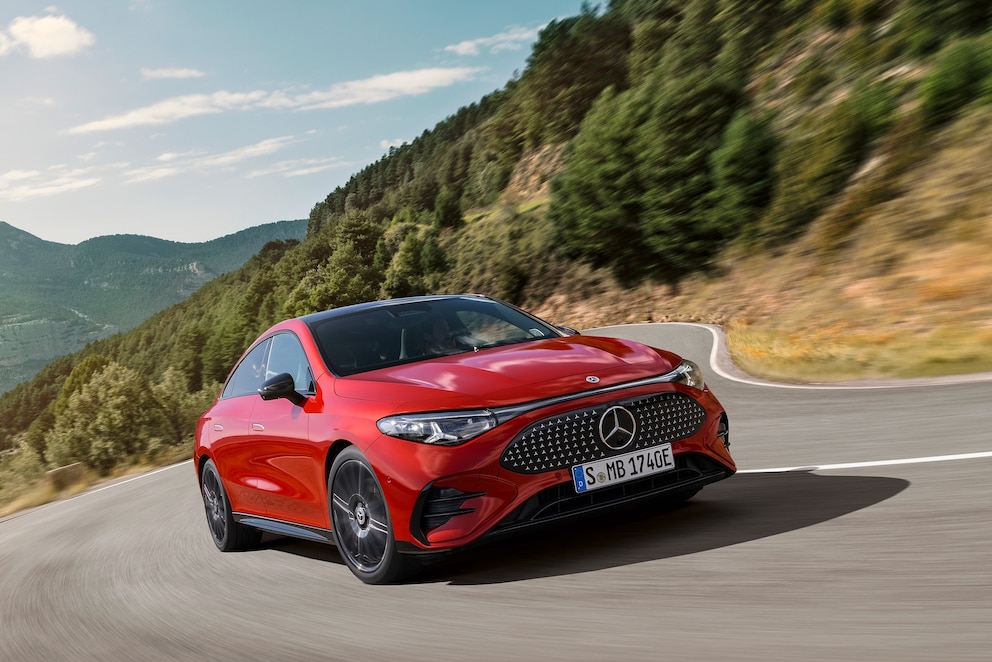
Q: Speaking of the CLA, you also have a hybrid version coming in addition to the electric model. Lots of Americans are choosing hybrids over EVs. Why not bring the hybrid to the U.S. first?
A: So they come shortly after each other. It's not that big of a time difference. We're going to be around the world in terms of drivetrain in all of the above scenarios for a long, long time. We have made a decision at Mercedes-Benz that we are going to cater to every customer's wish. So if you want a fully electric or a hybrid or just a high-tech combustion car, Mercedes-Benz has it for you. But I would suggest for those people who have not yet mentally jumped into the electric era, take the new CLA electric car for a spin. And I am pretty convinced you're going to stick with it.
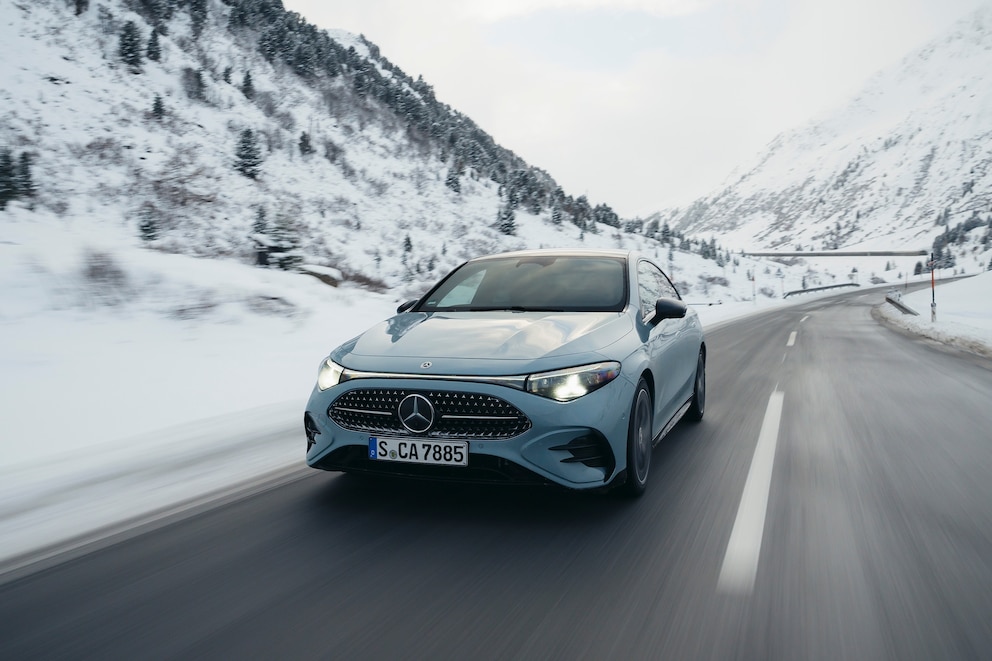
Q: The EV environment is challenging for all automakers in the U.S. and the federal tax credit is no longer available. How has the company's EV strategy shifted since the launch of the EQS?
A: Ultimately, all markets will have to find a new equilibrium. The transformation toward zero emissions is not something that happens in a few years. We sell cars in more than 150 countries around the world. To expect that transformation to be a straight line where everything happens at the same and the same pace, that is unrealistic.
So what you need to do is cater for all of the above, but you have to do it in an intelligent way. The drivetrains in our combustion vehicles and electric vehicles are obviously different, but MB.OS -- the supercomputer, the sensors, the software -- is shared. In my prediction, for the next 10 plus, maybe 15 [years] or even longer, we're going to have different swim lanes. We as car companies, will serve those swim lanes. But the destination we're ultimately going toward is zero emissions. That I am convinced about.
I used to work at AMG, I am a petrol head, I love the V8, I was in Formula 1. Nobody needs to convince me about the passion for motorsports and what that is all about. But the last few years, I have been driving electric vehicles and the power performance, but also the quietness of those vehicles, is unbelievable.
For the hardcore performance fans, we're going to launch next year a whole new high-performance, electric AMG car. That will blow your mind. And if you want it to sound like a V8, you can do that too.
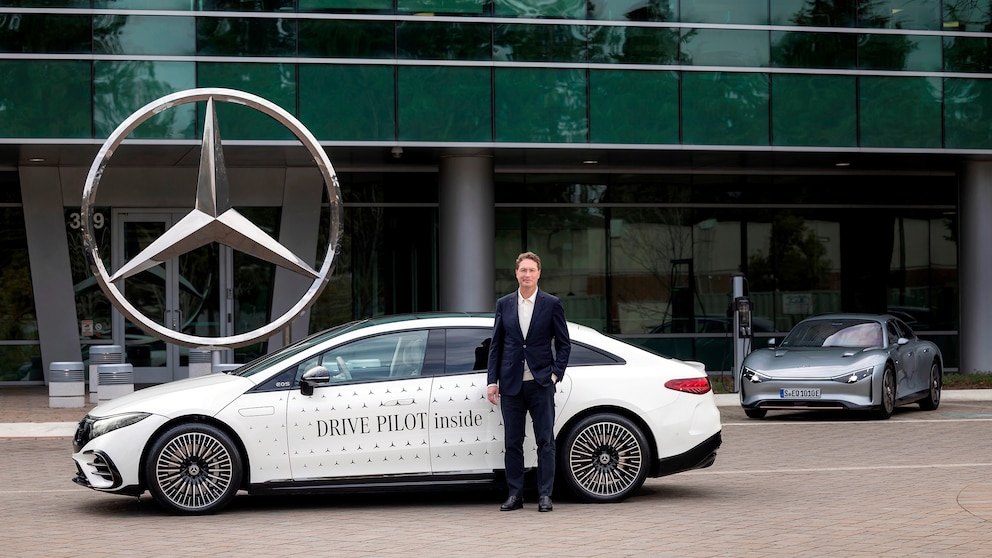
Q: Will the company's V12 engine always be available?
A: The V12 is available for the foreseeable future. It's all about the sound, right? The V12 is just a different sound. So stay calm. For the foreseeable future, we'll be able to get that.
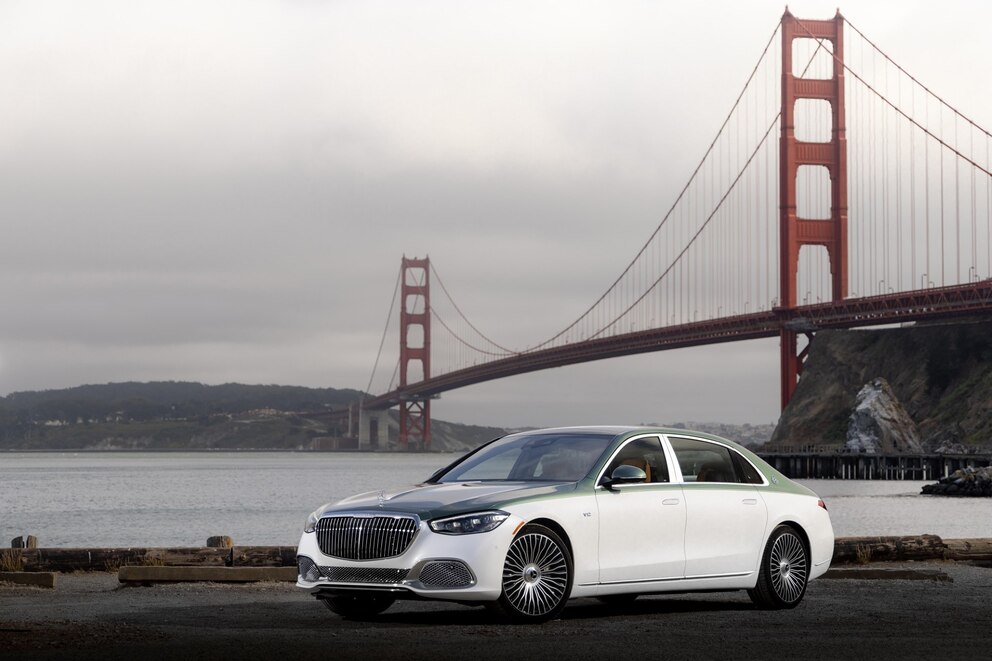
Q: Going back to emissions, you said Mercedes is a leader in powertrain technology. President Trump said he's going to gut full economy standards in the U.S. and he's encouraging automakers to build bigger engines again. How do you respond to that with all this attention on EVs?
A: We have super-efficient, hybridized next-generation four-cylinder [engines] that we're also going to launch in the CLA. That powertrain -- even though it's gasoline-powered -- is almost as efficient as diesel.
Technology never stands still; it always moves on. In parallel to that, we have developed a completely new V8 to meet the European emissions standards that are ultra tough. [It is] the cleanliest V8, ever.
You have a choice, you are the customer. So we're not going to mandate to you what you like. You decide what you like and we deliver.
Q: The G-Class is incredibly popular in the U.S. When are we seeing that convertible?
A: The G-Class is like its own class. It almost defies logic. The car was invented in the late 70s originally for military purposes, to move personnel. It's become like a religion, a cult. It's like the Birkin bag of the Mercedes lineup, the one you can't get.
And yes, by popular demand, we're bringing the G cabriolet back. Let's not forget, the last one didn't sell in the U.S. It's very sought-after and will come to the U.S.
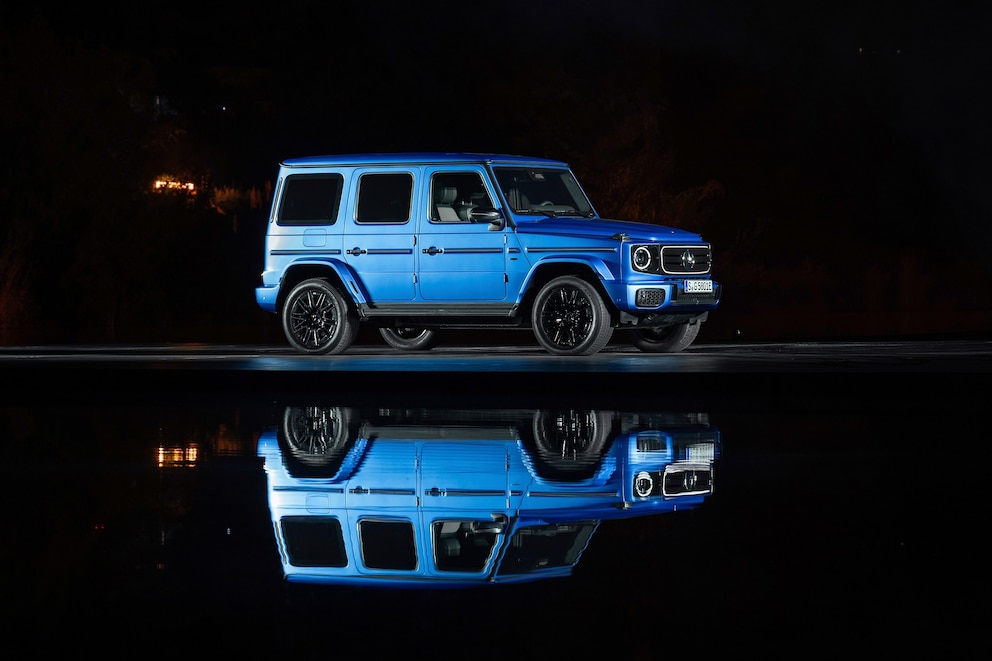
Q: How has the electric G, the G 580, been doing in the U.S.?
A: Remarkably well. It sits above our current average in the whole fleet in terms of electrification. The technology is unbelievably sophisticated: four individual electric motors that can control each wheel individually. If you're in a very tight spot, you can have two wheels go forward and two wheels go backward, like a tank. You just can't do this with a combustion car. So if you're a real hardcore off-road fan, that's the one to pick.
Q: In the G-Class,, there's a tiny screen and lots of buttons. In the new S-Class, there aren't many buttons. So talk about the button vs screen controversy which American journalists and consumers seem to be obsessed with.
A: Intuition is the key. How does it work. Yes, we have very large, very beautiful high-tech, high-resolution screens. But we have the right buttons. Just take a look at the steering wheel. What is the most important thing on the wheel? For the volume it's the roller. For your cruise control it's the rocker [switch]. Those two things are physical buttons. And the seat mechanisms. But on the digital offering, if you want to listen to a specific song, you don't want to touch anything. You tell the car, "Play this song for me." And it understands you and does that. So whether you use voice or touch or you use a button, it's about intuition.
Q: The company has been focusing very heavily on ultra luxury. Has there been a return to more affordable models to get more consumers into the brand?
A: So we have three segments. The top end -- the S-Class, the Maybach, the G, AMG cars -- that segment in terms of the percentage of our sales over the last five years has grown significantly. That's the home turf for Mercedes. But the bulk of our sales is what we call core -- C and E-Class -- and then we have the entry [models] -- the CLA, GLA, GLB -- which we have grown successfully in the last 10 years. All three segments are important. All of them will continue. They serve different purposes.
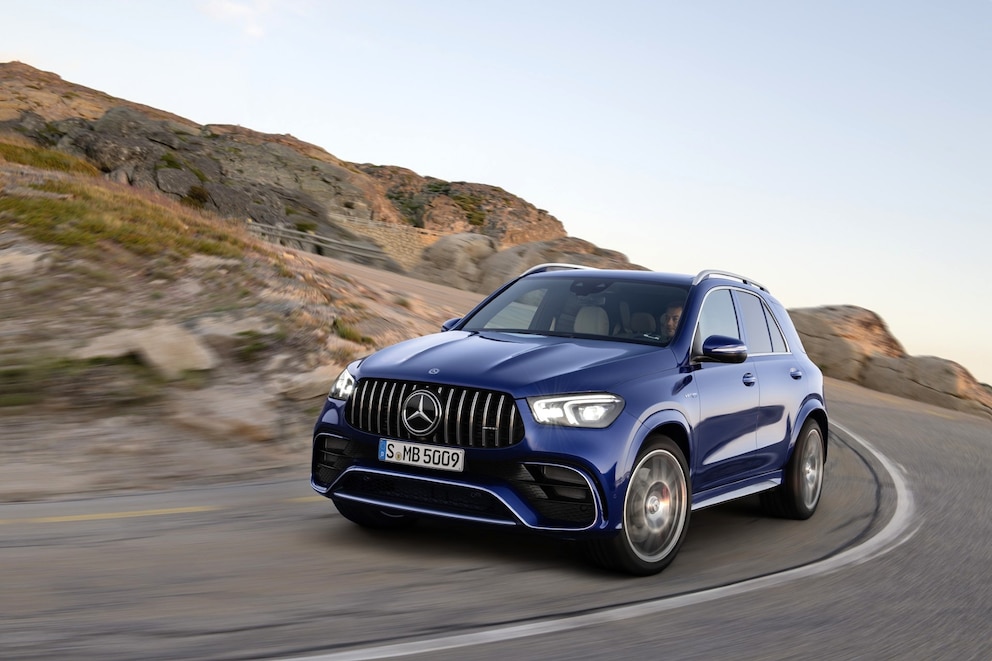
Q: Mercedes' Drive Pilot program is happening in California. That's Level 3 autonomous driving. You said the S-Class is prepped for Level 4. When will we see a fully autonomous vehicle made by Mercedes-Benz?
A: So this S-Class is, let's say, prewired for Level 4. We're launching pilots very soon.
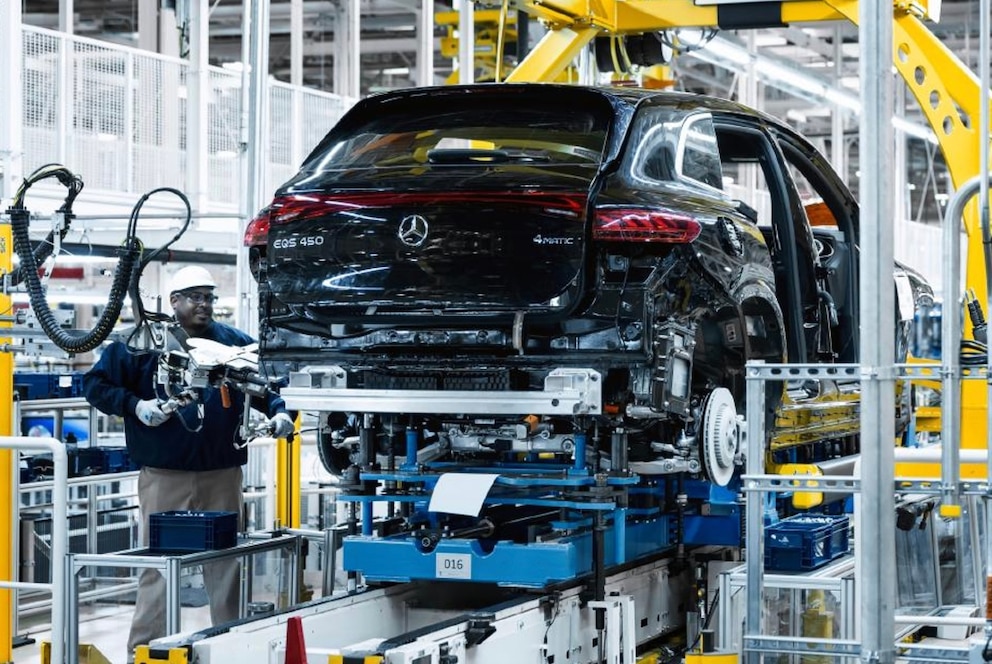
Q: The company builds a lot of cars in Alabama. Are you going to increase investment in the U.S.?
A: Absolutely. Over the decades, we have invested billions and billions into our operations in the U.S. We have production operations in Alabama and our light commercial vehicles in South Carolina, two fantastic states, two fantastic places to do business. We have more than 20 locations around the U.S. We have research and development in Silicon Valley, we have our marketing and sales HQ in Atlanta. We're on an investment spree in the U.S. In the next five years, we will continue to invest billions and we will also increase the number of models we're going to make in the U.S.