What the military oath of enlistment says about legal and illegal orders
A war of words between President Donald Trump and Democratic military and national security veterans on Capitol Hill has opened up a discussion about legal and illegal orders.
But the law governing the military clearly prohibits those in the service from following orders that are unlawful.
The issue came up after Democratic Sen. Elissa Slotkin, who served in the Central Intelligence Agency, in which she and five other Democratic members of Congress urged military members to not follow "illegal orders," telling them "Don't give up the ship."
"The threats to our Constitution aren't just coming from abroad, but from right here at home. Our laws are clear. You can refuse illegal orders," they say in the video. "No one has to carry out orders that violate the law or our Constitution."
Trump and his administration condemned their message, contending the Democrats were encouraging members of the military to disobey their oath of enlistment.
"This is really bad, and Dangerous to our Country. Their words cannot be allowed to stand. SEDITIOUS BEHAVIOR FROM TRAITORS!!! LOCK THEM UP???" Trump wrote on his social media platform Thursday morning.
White House press secretary Karoline Leavitt told reporters later in her weekly media briefing, "The president expects his Cabinet officials in the administration to follow the law and to demand accountability and hold people accountable for their dangerous rhetoric."
Federal law, however, does not permit members of the military to break the law, even if they were commanded by a superior officer, from the commander-in-chief down the chain of command.
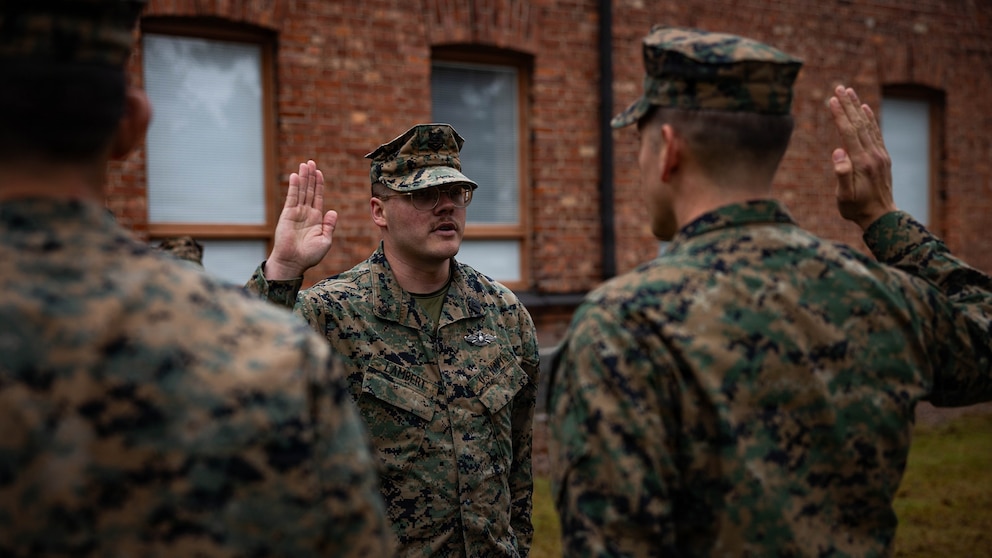
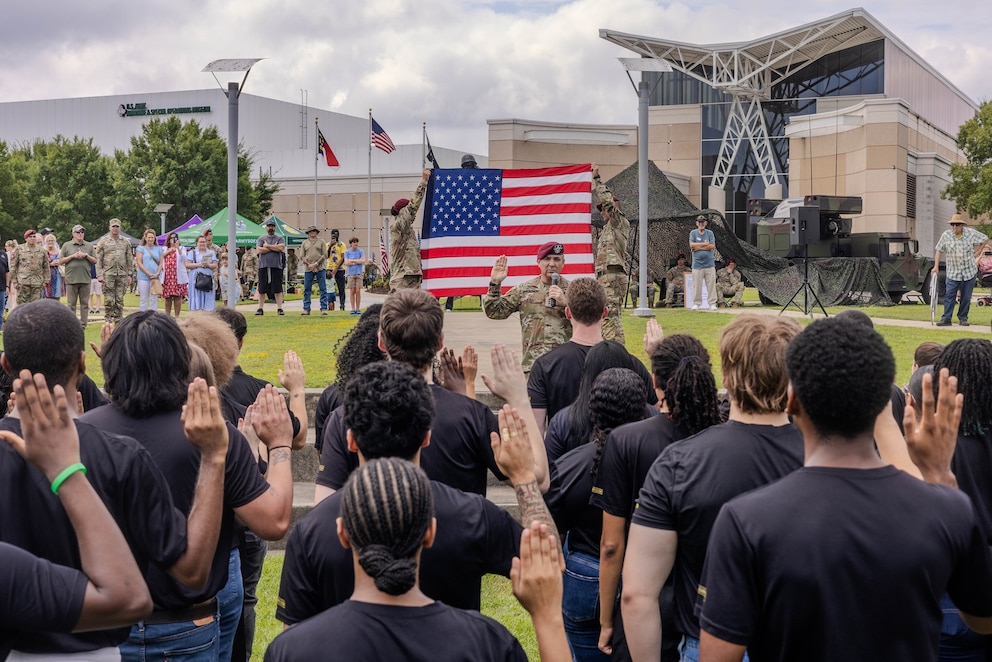
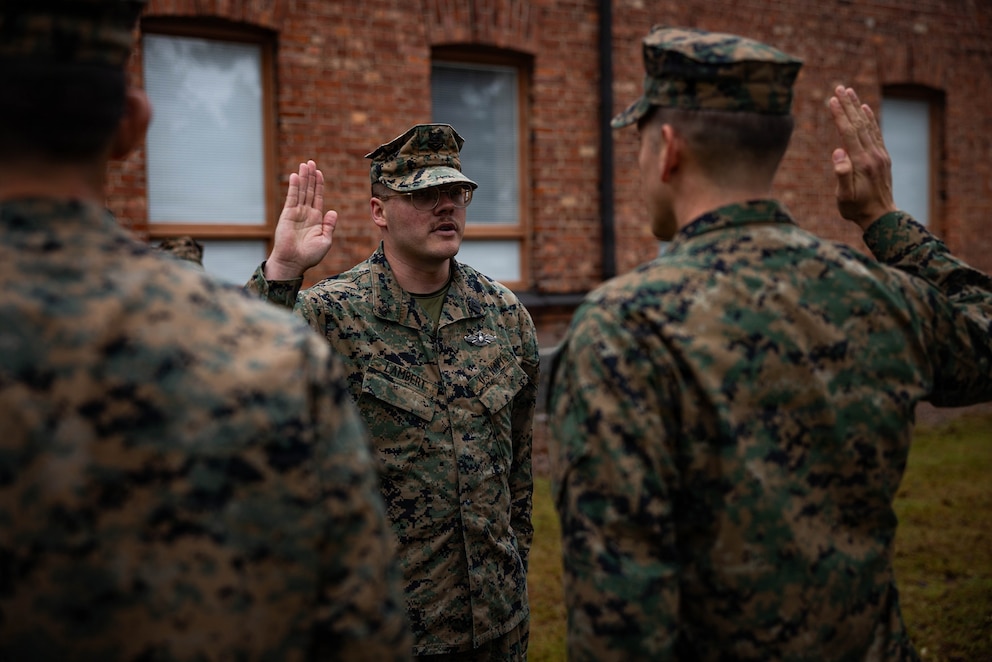
The oath of enlistment, sworn by everyone who joins the military, states they "will obey the orders of the President of the United States and the orders of the officers appointed over me, according to regulations and the Uniform Code of Military Justice."
The UCMJ contains several provisions and articles that stipulate that service men and women are liable for a wide variety of rules and regulations, regardless of whether they were ordered by a superior officer. That includes burglary, murder, assault, rape and property destruction.
UCMJ's Article 134 is a broad provision that prohibits "all disorders and neglects to the prejudice of good order and discipline in the armed forces, all conduct of a nature to bring discredit upon the armed forces, and crimes and offenses not capital," and is punishable in military court.
Article 90, which covers the rules over "Willfully Disobeying Superior Commissioned Officer," explicitly prohibits orders that "without such a valid military purpose, interfere with private rights or personal affairs."
They are also bound to follow international agreements to which the U.S. is a signatory.
The International Committee of the Red Cross, which protects victims under the rules of the Geneva Convention, also states that armed service members are liable for criminal responsibility "if the subordinate knew that the act ordered was unlawful or should have known because of the manifestly unlawful nature of the act ordered."
Unlawful orders have come up many times in U.S. military courts over the decades, with prosecutors pushing back against the "Nuremberg defense," a reference to the Nuremberg trials after World War II, in which several Nazis unsuccessfully defended their actions by claiming they they were following orders from their superiors.
In 1969 during the Vietnam War, the U.S. Court of Military Appeals ruled against a soldier who was convicted of killing a Vietnamese man and claimed that he was following orders.
The court ruled that there was no justification to follow orders if "the order was of such a nature that a man of ordinary sense and understanding would know it to be illegal."