• Video
  • Shop
  • Culture
  • Family
  • Wellness
  • Food
  • Living
  • Style
  • Travel
  • News
  • Book Club
  • Newsletter
  • Privacy Policy
  • Your US State Privacy Rights
  • Children's Online Privacy Policy
  • Interest-Based Ads
  • Terms of Use
  • Do Not Sell My Info
  • Contact Us
  • © 2026 ABC News
  • News

Million-year-old skull could rewrite timeline of human origin, researchers say
0:59
Million-year-old skull could rewrite timeline of human origin, researchers say
Jiannan Bai And Xijun Ni/Handout via Reuters
ByJulia Jacobo
September 26, 2025, 7:32 PM

Digital reconstruction of a crushed skull from an ancient human relative could rewrite the timeline of human evolution, researchers said.

A cranium dubbed Yunxian 2 was found in the Yunxian region of China's Hubei province in 1990, alongside another found the previous year, according to a paper published Thursday in Science.
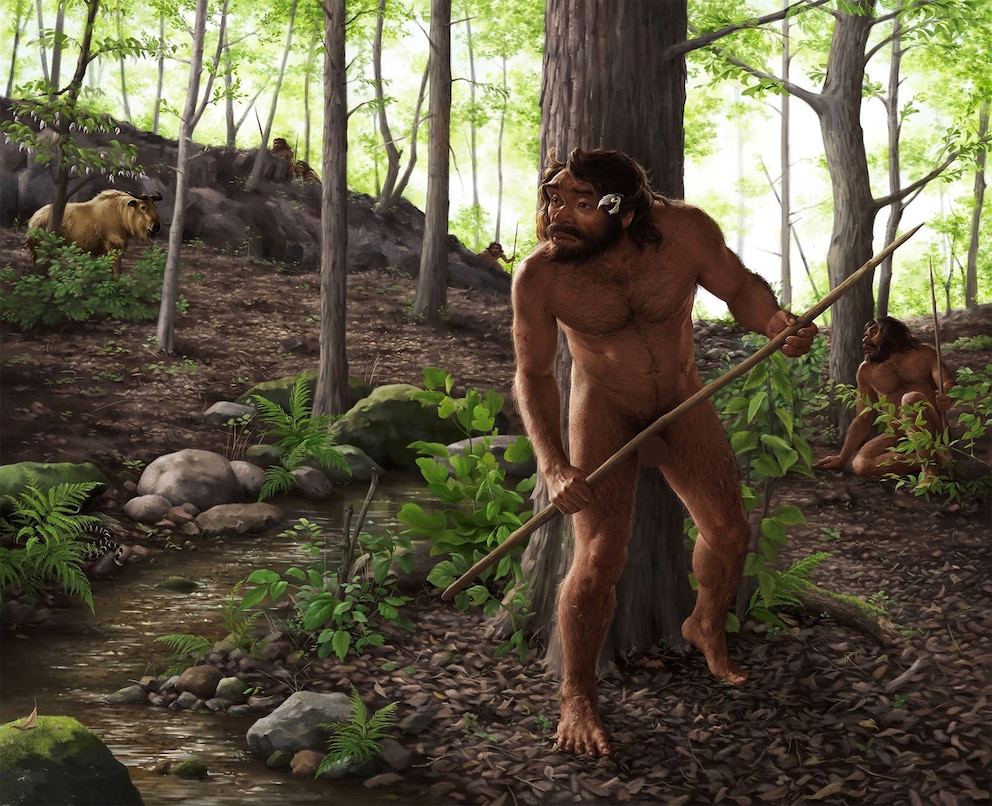
PHOTO: This artist's impression shows a group of archaic humans hunting in a forest roughly 1 million years ago in China's Hubei Province.
This artist's impression shows a group of archaic humans hunting in a forest roughly 1 million years ago in China's Hubei Province. The head of the adult male individual holding a wooden spear in the foreground is based on the digital reconstruction of a fossilized archaic skull, called Yunxian 2, unearthed in 1990, in this image released on Sept. 25, 2025.
Jiannan Bai And Xijun Ni/Handout via Reuters

The skull had been crushed, but digital reconstruction corrected previous distortions and allowed scientists to gain a better understanding of the early human's physical traits, researchers said.

Multiple "Homo" lineages existed during the Middle Pleistocene period, each of which had diverse physical forms, according to the paper. Much of what is known about human evolution and early hominins comes from skulls, but the fossils are often damaged or deformed.

Related Articles

MORE: DNA reveals new estimate for when modern humans began 'mixing' with Neanderthals

That damage adds a layer of challenge to making interpretations of the early humans, the researchers said.

Scientists first noticed that the skulls exhibited a mosaic of primitive traits resembling Homo erectus (the first species to have a human-like body shape and gait) as well as features suggestive of later hominin species, such as Homo sapiens.

Since Yunxian 2 was so distorted, its position on the evolutionary timeline was uncertain, according to the paper.
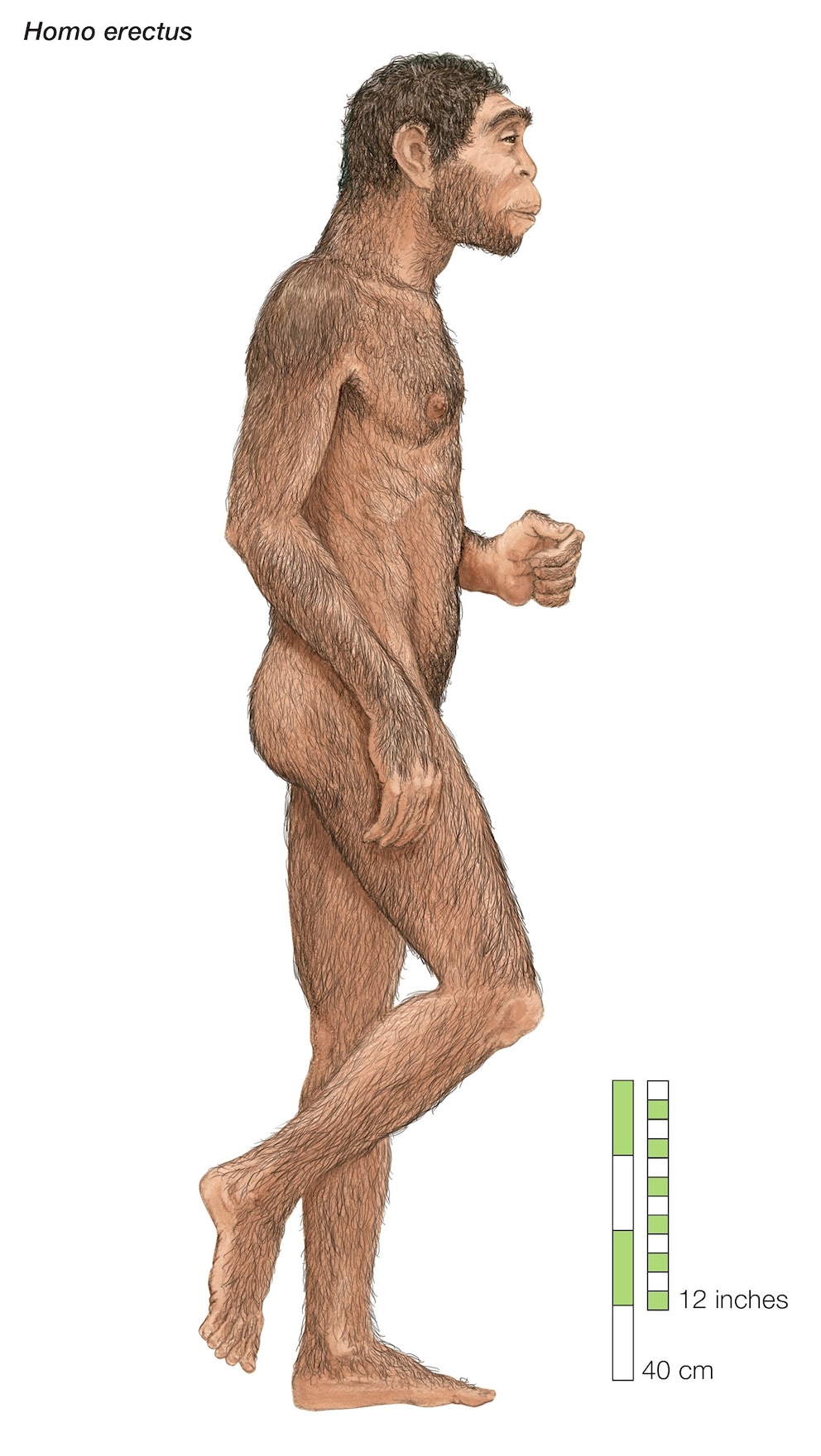
Homo Erectus, "Upright Man," Which Lived From Approximately 1,700,000 To 200,000 Years Ago.
Encyclopaedia Britannica/UIG via Getty Images

Recently introduced technology allowed researchers to reconstruct what the early hominin that Yunxian 2 belonged to would have looked like. They used advanced CT scanning and digital construction to correct the compression and distortions in the crania, which revealed a mix of previously unknown traits.

Related Articles

MORE: Early humans likely prompted the demise of woolly mammoths and other ancient species: Study

The reconstructed cranium appeared large and long, with a broad and flat braincase, according to the paper.

"The cranium is clearly plesiomorphic in overall form, presenting primitive traits shared by earlier hominins," the authors wrote.
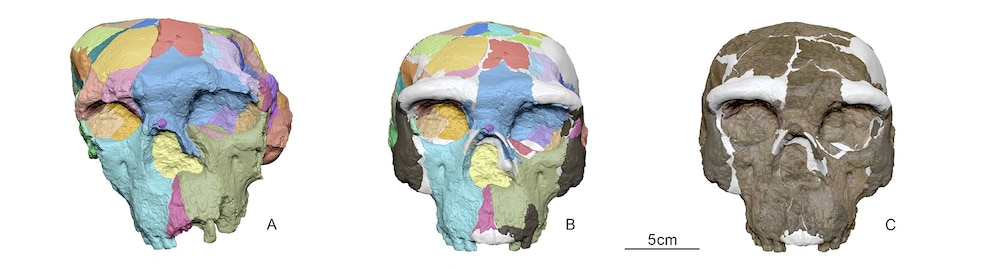
PHOTO: The digital reconstruction process used on an archaic human skull, called Yunxian 2, that was unearthed in 1990 in China's Hubei Province, is shown in this image released on Sept. 25, 2025.
The digital reconstruction process used on an archaic human skull, called Yunxian 2, that was unearthed in 1990 in China's Hubei Province, is shown in this image released on Sept. 25, 2025. Figure A shows the skull with the deformation caused by the fossilization process. Figure B shows the skull, after scientists used advanced CT scanning, structured light imaging and sophisticated virtual reconstruction techniques to digitally reconstruct the skull. Figure C shows the digitally reconstructed skull, with missing pieces marked in white.
Xijun Ni/Handout via Reuters

Further study of Yunxian 2 suggests that the cranium belongs to Homo longi, an Asian clade (or group of organisms) that includes the Denisovans and is considered of sister lineage to modern humans, the researchers said.

It lacked both the strongly angulated occipital -- a bone in the back of the head -- found in H. erectus as well as the protruding occipital region typical of Neanderthals, they noted.

H.longi individuals exhibited distinctive traits, such as a larger braincase and narrower spacing between the eyes and elongated frontal bone, according to the paper.

Related Articles

MORE: Change in landscape for early hominids may have led to the development of speech, new study finds

All of these characteristics were "clearly visible" in the digital reconstruction of the Yunxian 2 cranium, the researchers said.

The Yunxian fossils are likely the oldest within the H. longi clade, the paper suggests. The Yunxian 2 fossil may represent a transitional form within the clade, capturing an early phase of rapid diversification within the lineages of early hominins, according to the paper.

Both H. sapiens and H. longi clades have deep roots extending beyond the Middle Pleistocene and likely underwent rapid early diversification.
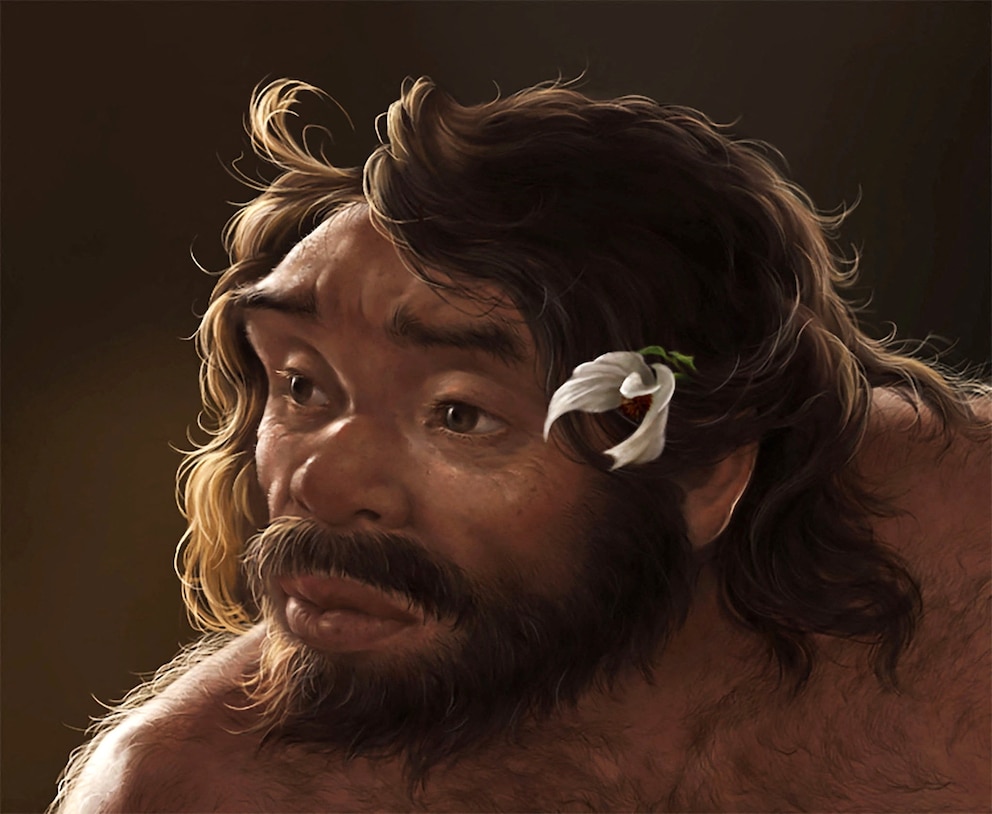
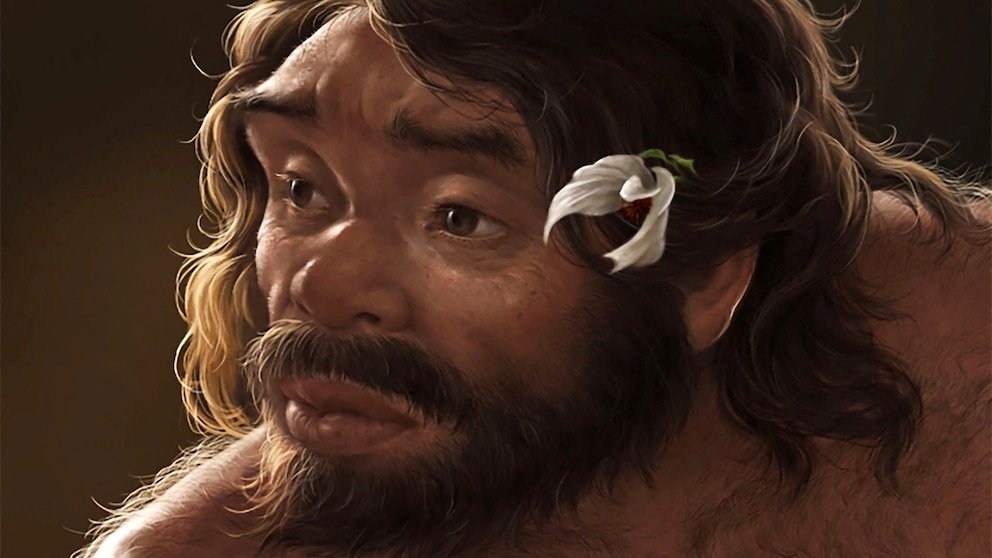
PHOTO: This artist's impression shows the head of an adult male individual who lived roughly 1 million years ago in China's Hubei Province, based on the digital reconstruction of a fossilized archaic human skull, called Yunxian 2.
This artist's impression shows the head of an adult male individual who lived roughly 1 million years ago in China's Hubei Province, based on the digital reconstruction of a fossilized archaic human skull, called Yunxian 2, in this image released on Sept. 25, 2025.
Jiannan Bai And Xijun Ni/Handout via Reuters

Yunxian 2 is important for understanding the cladogenesis -- an evolutionary process in which one species splits into two or more distinct species -- of early humans, the scientists said.

If the findings are accepted, it could push back the emergence of H. sapiens by hundreds of thousands of years, according to the researchers.


Up Next in News—

Man arrested near former Prince Andrew's home appears in court

May 8, 2026

Black educators say they're committed to the profession amid growing pressures, underrepresentation

May 8, 2026

Jake Reiner discusses death of parents Rob and Michelle Reiner in return to podcast

May 7, 2026

How to save on gas with new Fuel Day promo at Circle K amid soaring prices

May 7, 2026

Shop GMA Favorites

ABC will receive a commission for purchases made through these links.

Sponsored Content by Taboola

The latest lifestyle and entertainment news and inspiration for how to live your best life - all from Good Morning America.
  • Contests
  • Terms of Use
  • Privacy Policy
  • Do Not Sell My Info
  • Children’s Online Privacy Policy
  • Advertise with us
  • Your US State Privacy Rights
  • Interest-Based Ads
  • About Nielsen Measurement
  • Press
  • Feedback
  • Shop FAQs
  • ABC News
  • ABC
  • All Videos
  • All Topics
  • Sitemap

© 2026 ABC News
  • Privacy Policy— 
  • Your US State Privacy Rights— 
  • Children's Online Privacy Policy— 
  • Interest-Based Ads— 
  • Terms of Use— 
  • Do Not Sell My Info— 
  • Contact Us— 

© 2026 ABC News