• Video
  • Shop
  • Culture
  • Family
  • Wellness
  • Food
  • Living
  • Style
  • Travel
  • News
  • Book Club
  • Newsletter
  • Privacy Policy
  • Your US State Privacy Rights
  • Children's Online Privacy Policy
  • Interest-Based Ads
  • Terms of Use
  • Do Not Sell My Info
  • Contact Us
  • © 2026 ABC News
  • News

Million-year-old mammoth DNA discovered by scientists in northeast Siberia
1:00
Headlines from ABC News Live
Beth Zaiken/Centre for Palaeogenetics
ByJulia Jacobo
February 17, 2021, 4:02 PM

Scientists now have evidence that mammoths were roaming the earth more than 1 million years ago with the discovery of the oldest-dating skeletal fragments ever found.

An international team of researchers recently found molars from three mammoth specimens in northeast Siberia, two of which they determined are more than one million years old through the age deposits from which the teeth were collected from, according to a study published Wednesday in Springer Nature.
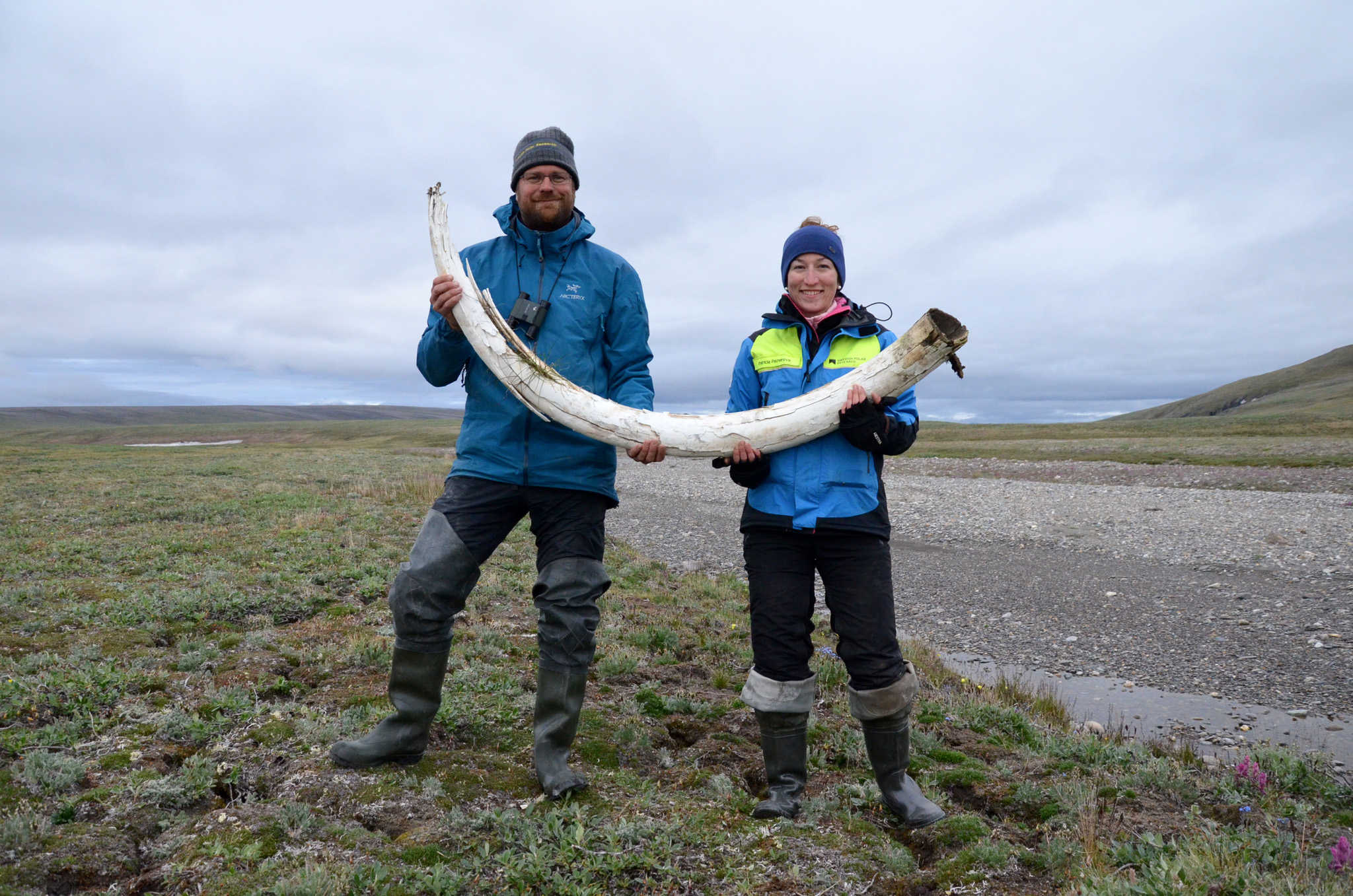
Love Dalén and co-lead author Patrícia Pečnerová with a mammoth tusk on Wrangel Island.
Gleb Danilov

One specimen, named Krestovka, is approximately 1.65 million years old, while another named Adycha is around 1.34 million years old and the third, Chukochya, is 0.87 million years old.

The authors estimate that the specimen named Krestovka diverged from other mammoths around 2.66 to 1.78 million years ago and was ancestral to the first mammoths that are believed to have colonized North America 1.5 million years ago, according to the study, while the specimen named Adycha is one of two lineages in eastern Siberia that later gave rise to the woolly mammoth.

Related Articles

MORE: Well-preserved mammoth skeleton found in Siberian lake

"This DNA is incredibly old," said Love Dalen, a professor of evolutionary genetics at the Centre for Palaeogenetics in Stockholm. "The samples are a thousand times older than Viking remains, and even pre-date the existence of humans and Neanderthals."
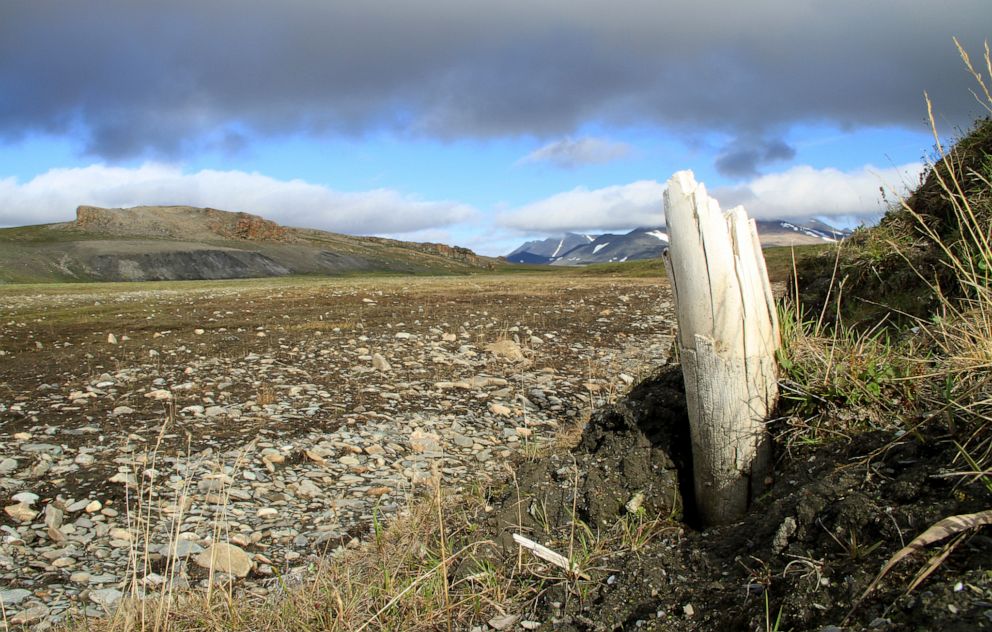
Woolly mammoth tusk emerging from permafrost on central Wrangel Island, located in northeastern Siberia.
Love Dalén

The oldest previously sequenced DNA was from an ancient horse found to live between 760,000 to 560,000 years ago, collected in 2013, according to the paper.

Related Articles

MORE: Biology student helps discover 65-million-year-old Triceratops skull named 'Alice' in North Dakota

In July, a well-preserved woolly mammoth skeleton was discovered in a lake in northern Siberia.
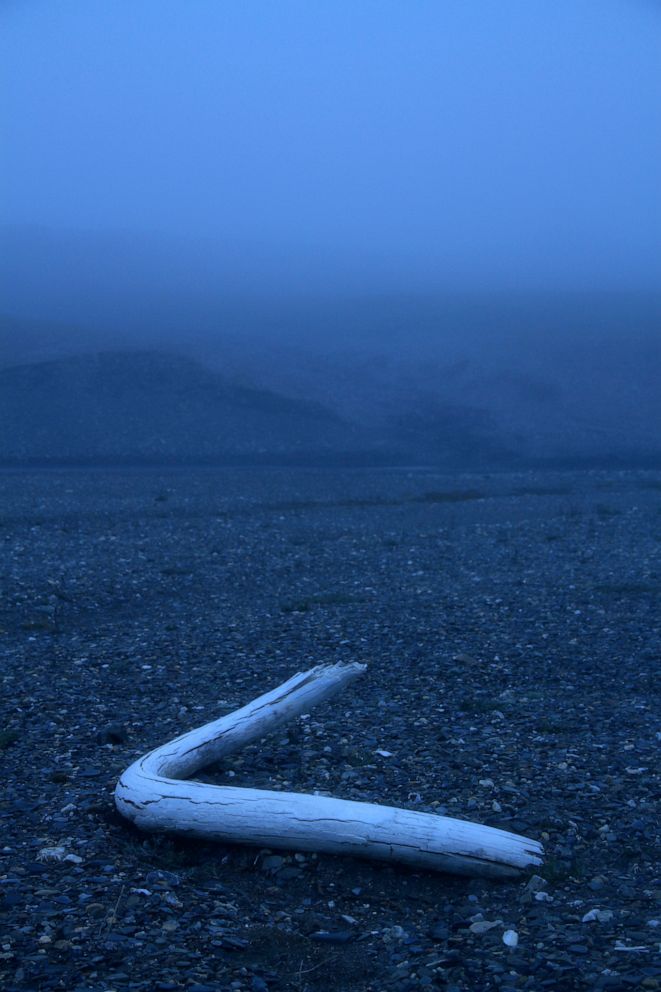
A tusk from a woolly mammoth discovered in a creek bed on Wrangel Island in 2017.
Love Dalén

Woolly mammoths are thought to have died out around 10,000 years ago, but small groups may have survived longer in Alaska and off the Siberian coast.

Related Articles

MORE: Why there are no more woolly mammoths

Mammoths appeared in Africa about 5 million years ago and then colonized much of the northern hemisphere, according to the study.


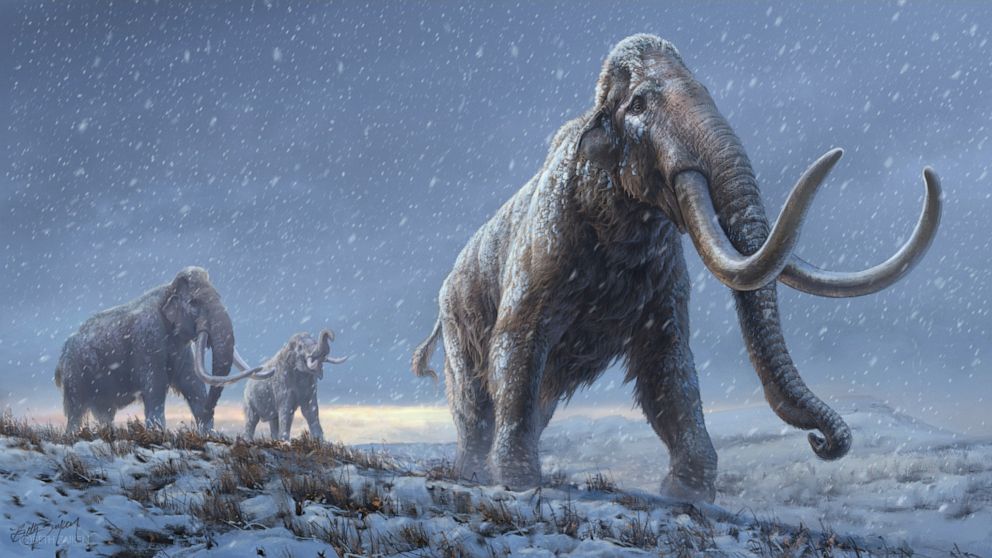
The illustration represents a reconstruction of the steppe mammoths that preceded the woolly mammoth, based on the genetic knowledge we now have from the Adycha mammoth.
Beth Zaiken/Centre for Palaeogenetics

Up Next in News—

Gas station clerk speaks out after foiling alleged kidnapping

April 15, 2026

Oklahoma high school principal takes down would-be shooter, hailed as hero

April 15, 2026

Family seeks answers after influencer Ashlee Jenae is found dead on vacation in Tanzania

April 15, 2026

Couple shares warning after nearly losing down payment in mortgage fraud

April 10, 2026

Shop GMA Favorites

ABC will receive a commission for purchases made through these links.

Sponsored Content by Taboola

The latest lifestyle and entertainment news and inspiration for how to live your best life - all from Good Morning America.
  • Contests
  • Terms of Use
  • Privacy Policy
  • Do Not Sell My Info
  • Children’s Online Privacy Policy
  • Advertise with us
  • Your US State Privacy Rights
  • Interest-Based Ads
  • About Nielsen Measurement
  • Press
  • Feedback
  • Shop FAQs
  • ABC News
  • ABC
  • All Videos
  • All Topics
  • Sitemap

© 2026 ABC News
  • Privacy Policy— 
  • Your US State Privacy Rights— 
  • Children's Online Privacy Policy— 
  • Interest-Based Ads— 
  • Terms of Use— 
  • Do Not Sell My Info— 
  • Contact Us— 

© 2026 ABC News