Millions of cicadas to emerge in parts of US for 1st time in 17 years, will produce 'alien-like wail'
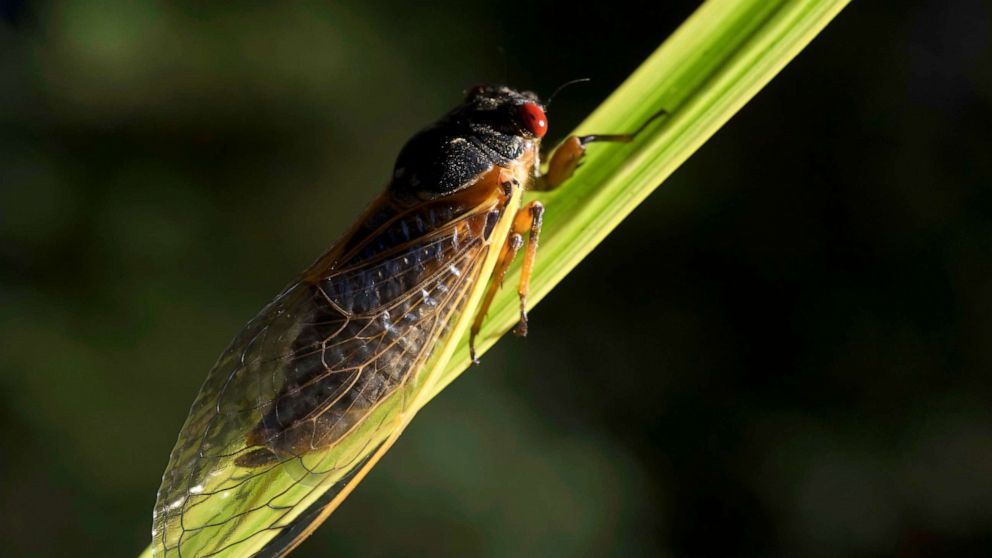
Americans won't be the only ones emerging from their isolation this summer; so too will millions of insects that have been underground for nearly two decades.
A species of cicadas will buzz around in southwest Virginia, parts of North Carolina and West Virginia for the first time in 17 years, with as many as 1.5 million cicadas emerging per acre, according to entomologists at Virginia Tech.
“Communities and farms with large numbers of cicadas emerging at once may have a substantial noise issue,” Eric Day, an entomologist in Virginia Tech’s Department of Entomology, said in a statement. “Hopefully, any annoyance at the disturbance is tempered by just how infrequent — and amazing — this event is.”
The cicadas that will emerge are part of the Brood IX species. They have spent most of their lives living in the soil and feeding on tree boots underground.
The transition from "nymphs" to mature adults living outdoors is synchronized based on the year and temperature of the soil. The timing of the cycle, which can be either 13 years or 17 years, remains a mystery to scientists.
Research suggests that the length of the brood cycle could be attributed to avoiding predators because when the cicadas emerge, the amount of biomass they provide could serve as a food source for potential predators. Because of this, one theory is that they evolve to avoid synching up with predator cycles.
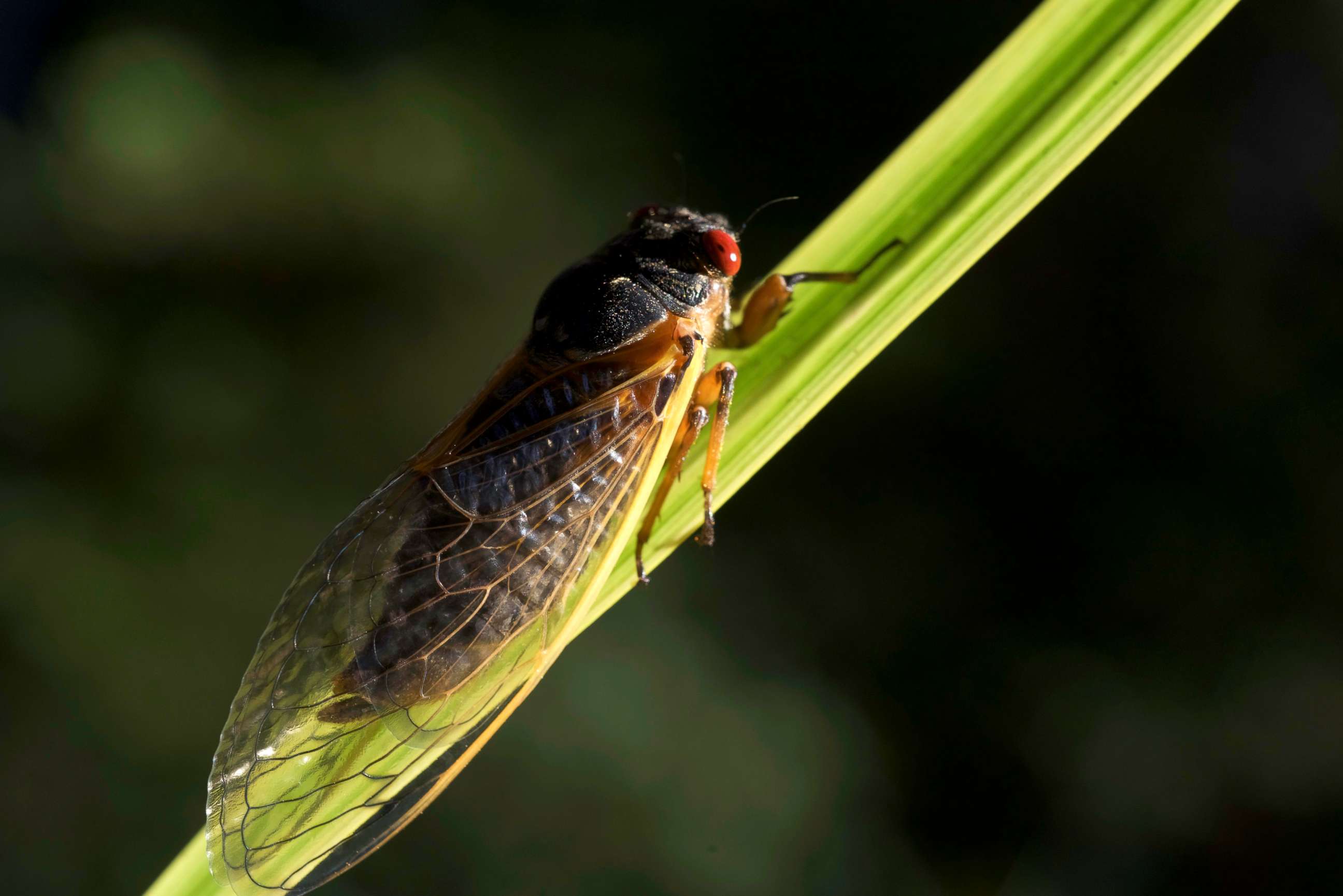
The cicadas are not harmful to humans and do not pose a danger to plants through feeding. The cicadas, however, can cause damage to plants through their egg-laying habits.
Adult female cicadas implant their eggs onto branches or vines, causing them to either split and wither in a process called "flagging." If it happens too many times, the plants can have their growth stunted or be killed altogether.
The noises that cicadas produce are mating calls from the males who are attempting to attract females. It could be an annoyance to some, considering it is described as an "alien-like wail," according to Virginia Tech.
Most cicadas only have four to six weeks of activity before they die.
"This insect is really fascinating, and if you don’t have fruit trees or grapevines to protect, you can enjoy this phenomenon while it lasts,” Doug Pfeiffer, a professor and Extension specialist in the Department of Entomology, said.
A separate species of cicadas emerge every year.