Monoculture farming is another way modern-day agriculture is killing bees, scientists say
Scientists have discovered another way modern-day farming techniques are killing off bee populations.
While pesticides have long been blamed for the decline in pollinators, a study published in Proceedings of the Royal Society B on Tuesday has found that the mass-flowering of single plant species is increasing the prevalence of bee populations infected with parasites.
Monoculture farming -- which involves growing only one type of crop at a time on a specific field -- is a common agricultural practice, especially in the U.S., which has about 440 million acres being cultivated for monoculture. But one of the consequences of the practice is that landscapes without much natural habitat can suddenly experience mass-bloom events and have negative impacts on bees, according to the study.
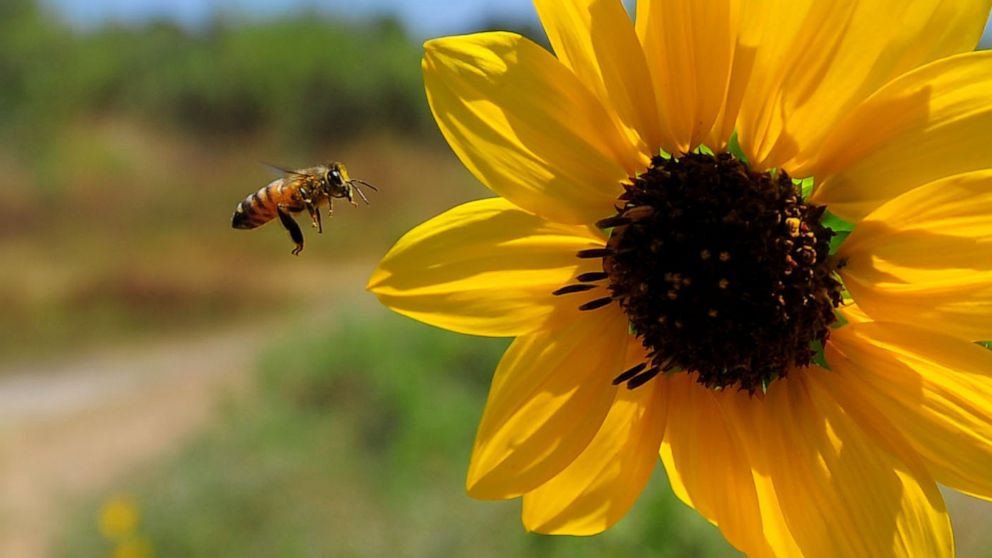
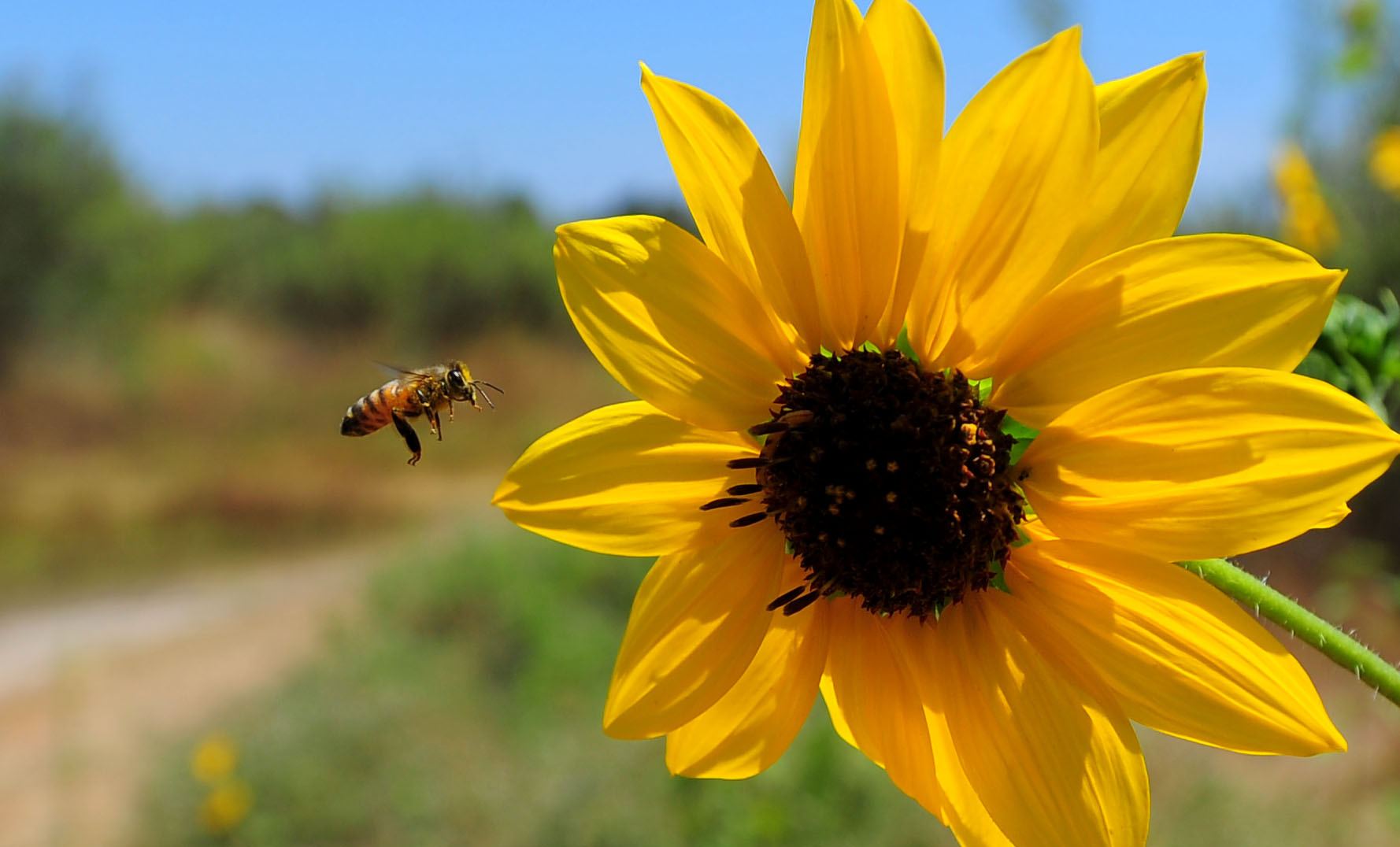
Researchers at the University of Oregon surveyed 1,509 bees in sunflower fields and non-crop flowering habitats in California's Central Valley, finding that when the crops flowered for a short period of time across a large space, the events can aggregate pollinator species together, which then results in increased rates of bees becoming infected with parasites as they come in contact with each other.
Monoculture landscapes are attractive to bees because of the massive amounts of pollen and nectar provided by flowers that bloom at the same time, the researchers said. While mass-bloom events have the potential to provide immune and nutritional benefits to the bees, they instead were associated with higher rates of disease-causing parasites and pathogens in bees, Hamutahl Cohen, a researcher of the at the University of Oregon's Institute of Ecology and Evolution and one of the authors of the study, told ABC News.
"We have an incredible amount of biodiversity on this earth," Cohen said. "And we're seeing that wildlife is declining, and one of the primary drivers of decline is disease."
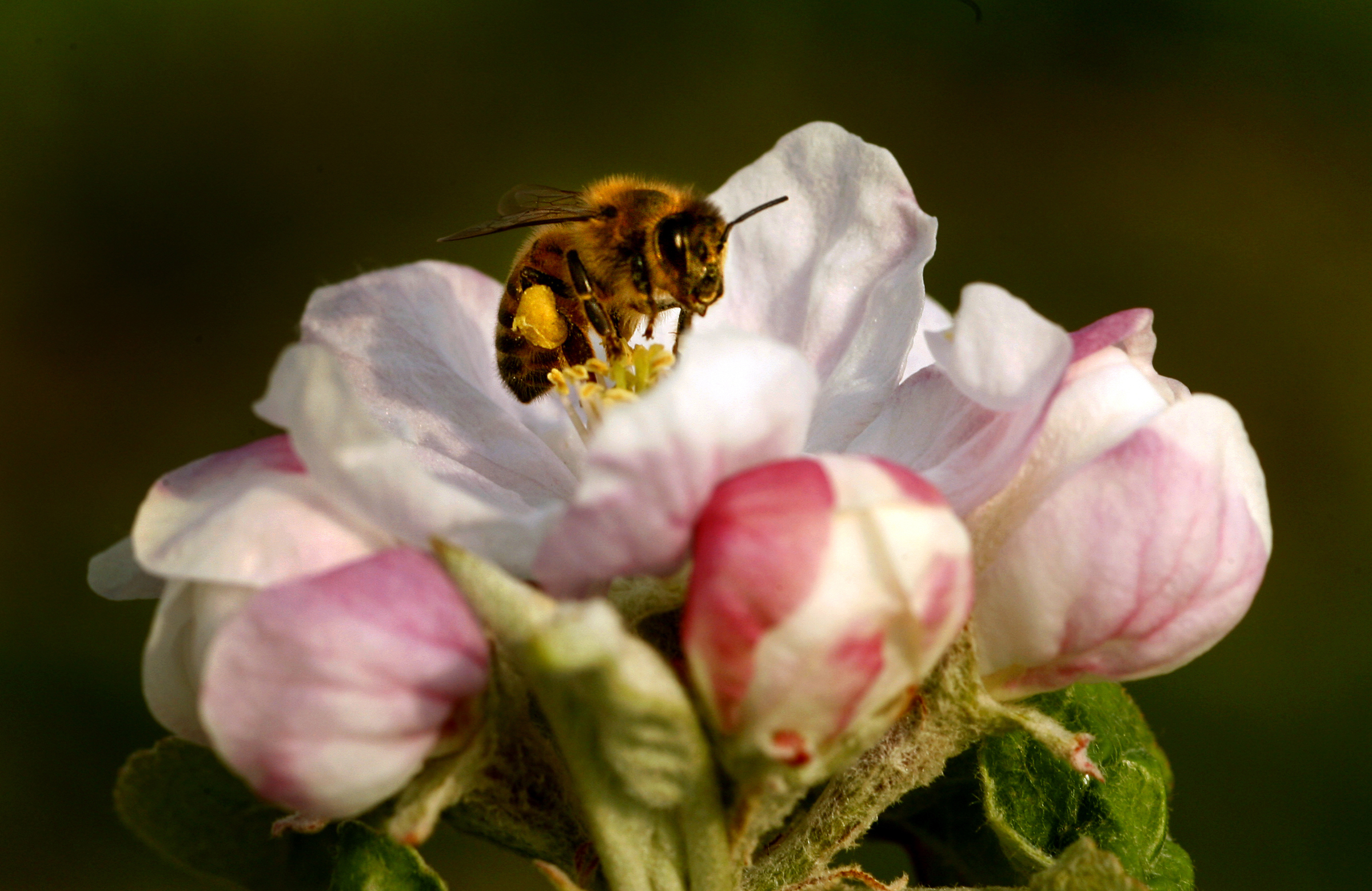
While in many ways the modification of landscapes is necessary to feed a growing population, Cohen described the mass-flowering crops as the "doorknobs of the bee world" as bees go from flower to flower to collect food amid their daily work.
"It's just the same thing as a human touching a doorknob," she said. "We all know this, because of the pandemic ... if you have a cold and you touch a doorknob, and someone else comes and touches that doorknob, they can get sick."
Scientists are suggesting that farmers stop the practice of monoculture farming, which are often in "highly degraded areas" such as California's Central Valley, which has seen an "incredible amount" of habitat loss in the past 100 years, Cohen said.
However, the fate of bees is not doomed, Cohen said. On fields where farmers who heeded the call to implement strips of perennial plants, bee aggregation was less likely to be associated with parasitism due to the increased diversity of flowers.
While Cohen was not surprised to see the enhanced rates of parasitism in bees and monoculture farming systems, she was surprised to find just how effective planting non-crop flowers were for conservation efforts.
"It didn't just dampen the effect of aggregating these," she said. "It actually reversed the effects."
The perennial plants are often selected for characteristics like drought tolerance and suitability for pollinators, Cohen said, adding that there can be "economic hurdles" to changing the landscape to implementing conservation practices.