• Video
  • Shop
  • Culture
  • Family
  • Wellness
  • Food
  • Living
  • Style
  • Travel
  • News
  • Book Club
  • Newsletter
  • Privacy Policy
  • Your US State Privacy Rights
  • Children's Online Privacy Policy
  • Interest-Based Ads
  • Terms of Use
  • Do Not Sell My Info
  • Contact Us
  • Recalls and Product Safety Alerts
  • © 2026 ABC News
  • News

Mortgage rates hit highest level since September as Iran war rattles financial markets
2:20
Trump addresses nation over war with Iran amid economic and global fallout
Michael Yanow/NurPhoto via Getty Images
ByMax Zahn
April 02, 2026, 5:58 PM

Mortgage rates have climbed to their highest level since September as fallout from the Iran war ripples through financial markets, Freddie Mac data on Thursday showed.

The average interest rate for a 30-year fixed-rate mortgage jumped to 6.46%, continuing a weeks-long surge since the war began on Feb. 28, during which time mortgage rates have increased nearly half a percentage point.

Mortgage rates remain slightly lower than this time a year ago, when the average rate for a 30-year fixed mortgage stood at 6.64%.

Related Articles

Stocks tick lower after Trump vows to hit Iran 'extremely hard' in coming weeks

The recent spike in borrowing costs risks further strain on U.S. households as they weather elevated gasoline prices.

The rise in mortgage rates owes to a jump in U.S. Treasury yields as investors fear a bout of inflation in response to the Middle East conflict.

High bond yields make borrowing more expensive for average Americans, since 10-year Treasury rates influence the rates offered for a variety of loans, including mortgages and credit cards.
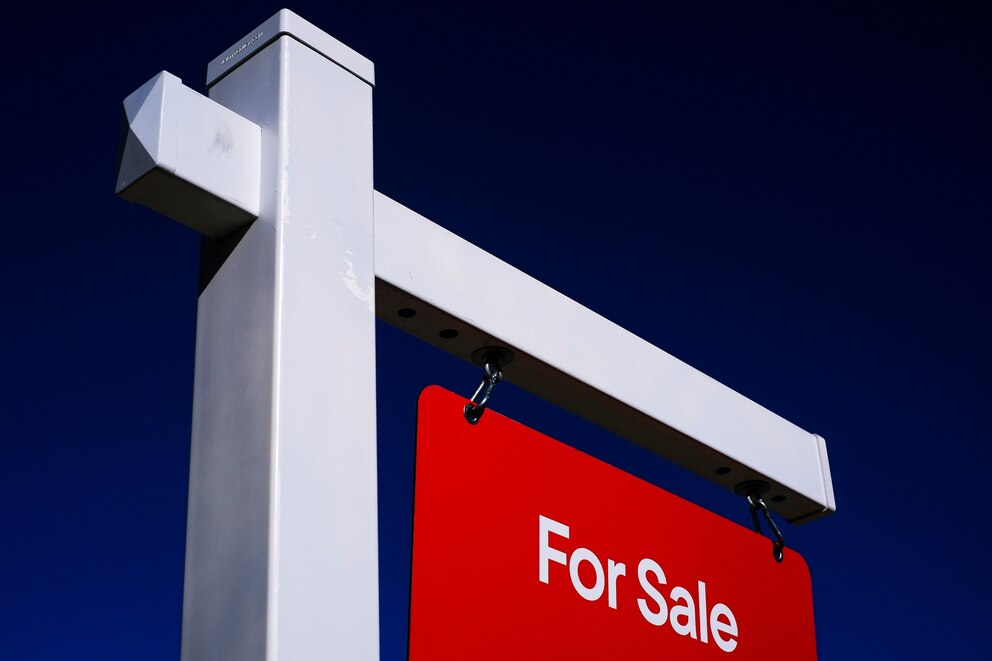
A ''For Sale'' sign is outside a residential home in Oro Valley, Ariz., Dec.12, 2025.
Michael Yanow/NurPhoto via Getty Images

Since bonds pay a given investor a fixed amount each year, the specter of inflation risks higher consumer prices that would eat away at those annual payouts. In turn, bonds often become less attractive in response to economic turmoil. When demand falls, bond yields rise.

The yield on a 10-year Treasury bond, meaning the amount paid to a bondholder annually, stands at about 4.31%, about 0.35 percentage points higher than pre-war levels.

"Mortgage rates have risen as bond market yields have sought to price in the risk of higher inflation in the future," Mark Hamrick, senior economic analyst at Bankrate, previously told ABC News.

Related Articles

Iran live updates: Iran fires dozens of projectiles across the region after Trump speech

Last week, bond yields soared close to levels reached in the aftermath of President Donald Trump’s “Liberation Day” tariffs in April 2025, when the 10-year Treasury yield peaked at around 4.5%.

Bond yields eased in recent days as Trump signaled a possible off-ramp from the war with Iran.

Up Next in News—

Trial begins for mom accused of killing her 3 children

July 20, 2026

Officer speaks out after rescuing driver trapped in burning car

July 20, 2026

Taylor Farms recalls lettuce in 27 states amid cyclosporiasis outbreak: What to know

July 20, 2026

Authorities 'monitoring' wildfires' impact on 2026 World Cup final, sources say

July 17, 2026

Shop GMA Favorites

ABC will receive a commission for purchases made through these links.

Sponsored Content by Taboola

The latest lifestyle and entertainment news and inspiration for how to live your best life - all from Good Morning America.
  • Contests
  • Terms of Use
  • Privacy Policy
  • Do Not Sell My Info
  • Children’s Online Privacy Policy
  • Advertise with us
  • Your US State Privacy Rights
  • Interest-Based Ads
  • About Nielsen Measurement
  • Press
  • Feedback
  • Shop FAQs
  • ABC News
  • ABC
  • All Videos
  • All Topics
  • Sitemap
  • Recalls and Product Safety Alerts

© 2026 ABC News
  • Privacy Policy— 
  • Your US State Privacy Rights— 
  • Children's Online Privacy Policy— 
  • Interest-Based Ads— 
  • Terms of Use— 
  • Do Not Sell My Info— 
  • Contact Us— 
  • Recalls and Product Safety Alerts— 

© 2026 ABC News