What did the Mueller report reveal about Trump's overtures to the Russians?
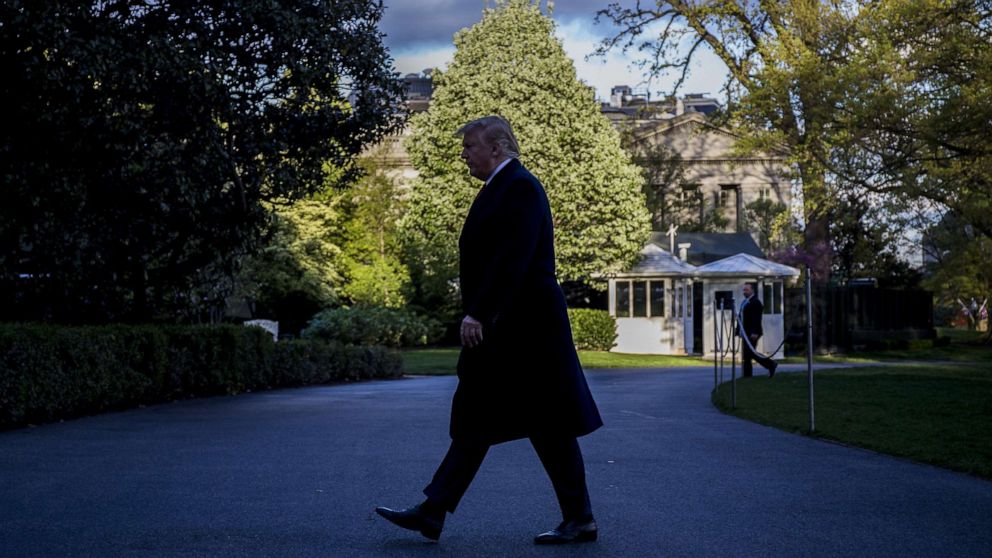
Special counsel Robert Mueller’s sprawling, 22-month long investigation culminated Thursday in the release of a meticulous examination of Russia’s efforts to sow discord in the 2016 presidential election and the Trump administration’s actions to block investigators.
But at its core, the Mueller probe sought to settle one question: Did then-candidate Donald Trump seek assistance from Russians to tip the balance of the 2016 election?
Setting aside the scintillating details about Russia’s social media campaign or descriptions of a toxic West Wing, what was the evidence of possible collusion between candidate Trump, personally, and any overtures for assistance from Russia?
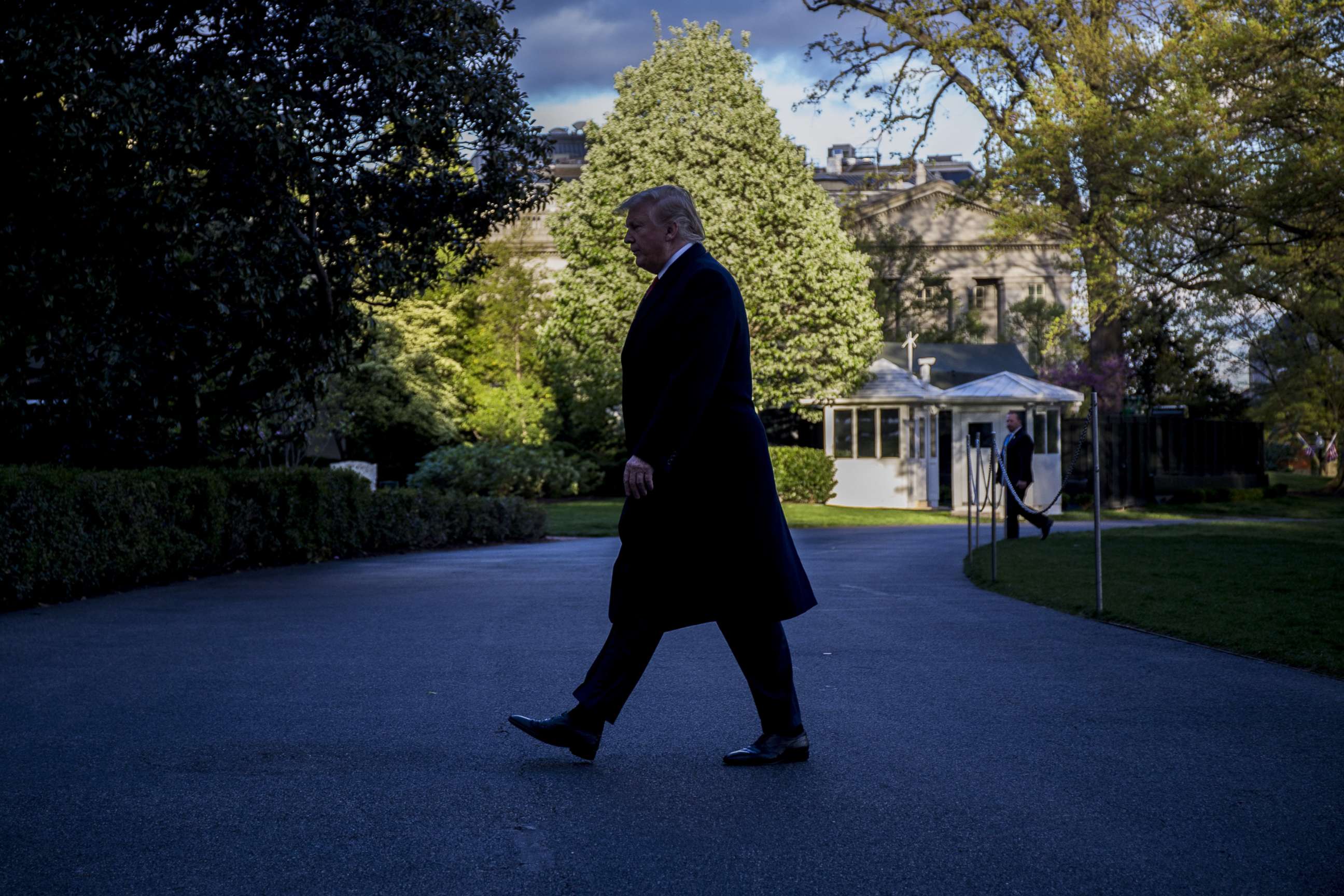
In December 2017, the special counsel informed the president’s lawyers that Trump was, indeed, a "subject" of their investigation -- a formal designation that meant his conduct fell under the scope of their probe. But there was little known publicly about what actions he took, personally, that most interested the investigators.
Two episodes unearthed by Mueller reveal how deeply interested and personally involved Trump was in his campaign’s efforts to find and disclose emails belonging to Hillary Clinton and her campaign -- particularly when examined alongside his public remarks on the campaign trail.
In July 2016, around the time Trump encouraged Russians "to find the 30,000 emails that are missing," Mueller found that "the Trump Campaign was planning a press strategy, a communications campaign, and messaging based on the possible release of Clinton emails by WikiLeaks."
In explaining how the campaign came to adopt this "press strategy," Mueller described -- with interspersed redactions -- a time in late summer of 2016 during which "Trump and Gates were driving to LaGuardia Airport."
The beginning of the next sentence is redacted, but the end of that sentence suggests Trump took a phone call from an unidentified person, and "shortly after the call," Mueller wrote, "candidate Trump told [former Trump campaign deputy director Rick] Gates that more releases of damaging information would be coming."
While redactions, codified as being due to an ongoing investigation, obscure the full story, it is clear that Trump welcomed updates about WikiLeaks’ activities. By July 2016, news reports had tied WikiLeaks’ document dumps back to the Russian government.
By late July 2016, Trump was "repeatedly" asking Michael Flynn, a senior campaign adviser and short-lived national security adviser, to "find the deleted Clinton emails," according to Mueller’s report.
Flynn eventually contacted multiple individuals to look into the matter, Mueller wrote, even as WikiLeaks continued weekly dispatches of the Clinton campaign and Democratic National Committee emails and internal documents.
For his part, the president has insisted from the outset that he had no role in alleged collusion with Russians.
In fact, in his first public comments about Mueller’s appointment as special counsel in May 2017, Trump told reporters, "there is no collusion between -- certainly myself and my campaign -- but I can always speak for myself and the Russians. Zero."
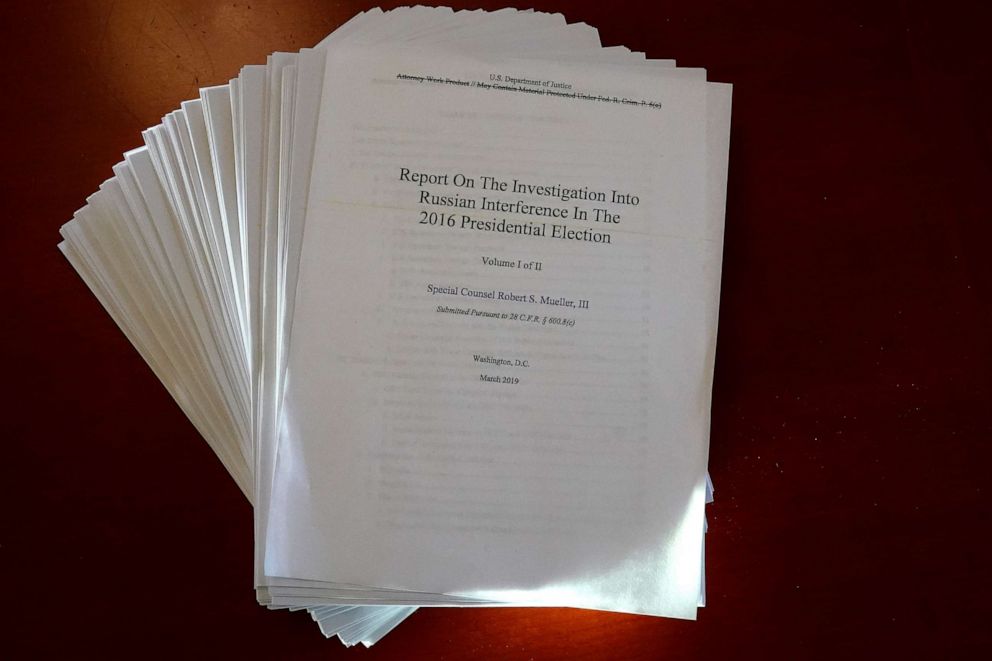
In his 448-page report, the special counsel unequivocally affirmed Trump’s stance in the eyes of the law. "Collusion," itself, does not appear in the federal code, but corresponds loosely to a crime of conspiracy.
"Although the investigation established … that the Campaign expected it would benefit electorally from information stolen and released through Russian efforts," Mueller wrote, "the investigation did not establish that members of the Trump Campaign conspired or coordinated with the Russian government in its election interference activities."