Mullin grilled about nationwide ground stop as FAA administrator says 'blame me'
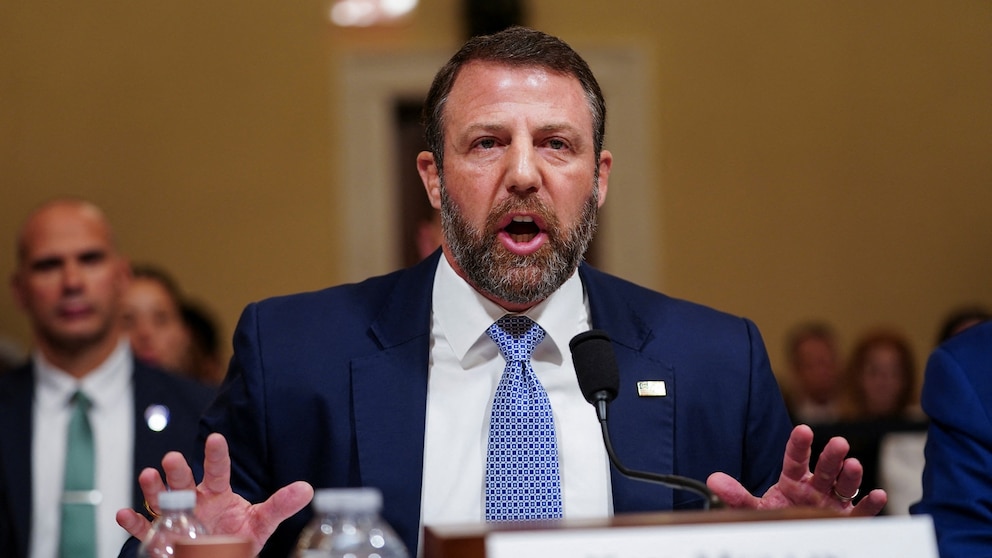
Department of Homeland Security Secretary Markwayne Mullin went to Capitol Hill on Wednesday to talk about worldwide threats since Sept. 11, 2001, but he was in the hot seat over questions about technology issues that disrupted millions of Americans over the last week and the Trump Administration's immigration policies.
Meanwhile, the head of the Federal Aviation Administration took blame upon himself for last week's nationwide ground stop that disrupted millions of air travelers.
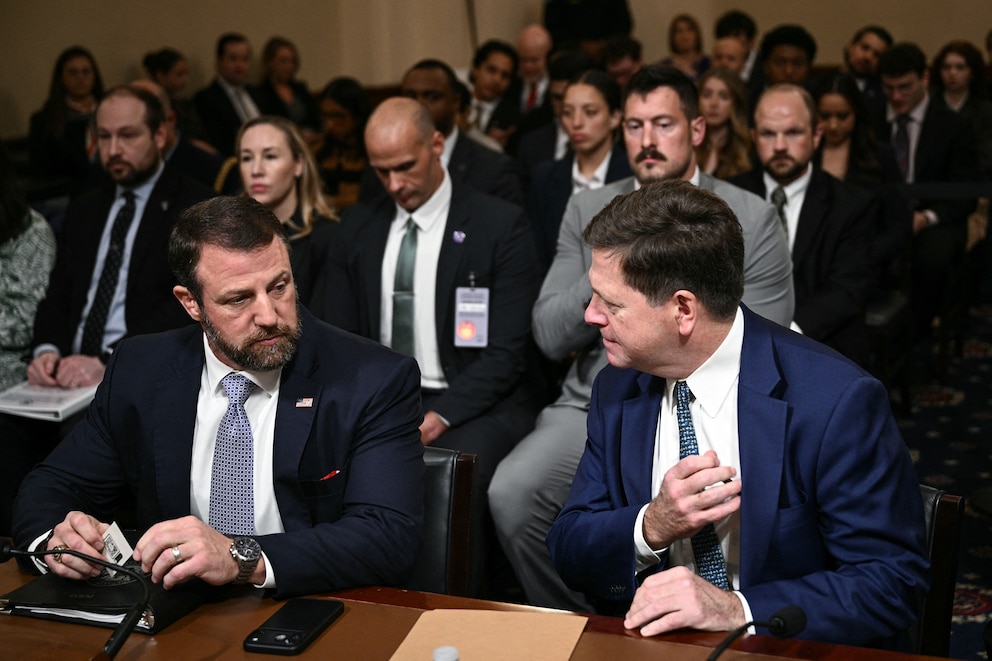
Mullin testified before the House Committee on Homeland Security for a hearing underway titled "Worldwide Threats to the Homeland: 25 Years After 9/11" along with Director of National Intelligence Jay Clayton and FBI Deputy Director Christopher Raia.
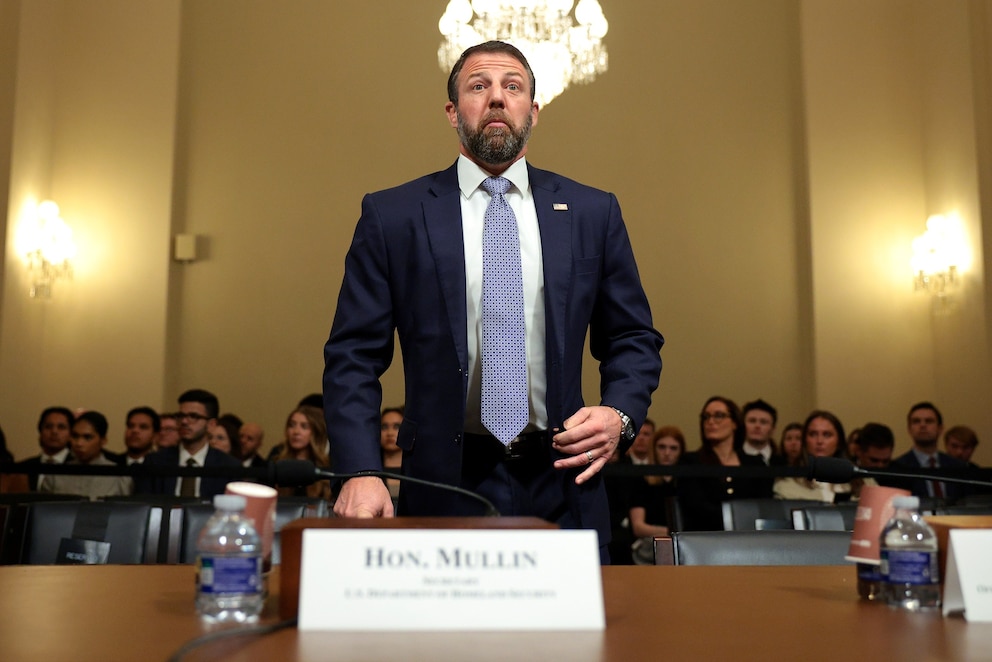
However, the hearing immediately shifted to other areas that DHS has come under heavy criticism over the last few weeks. The hearing started with congressmembers bringing up last Friday's rare nationwide ground stop, the second since 9/11, which stranded thousands of passengers going into last weekend.
Rep. Bennie Thompson, D-Miss., had his staff shuffle through several large placards as he cited multiple quotes from Mullin in the wake of the outage including his attendance Saturday at an LSU-Texas football game.
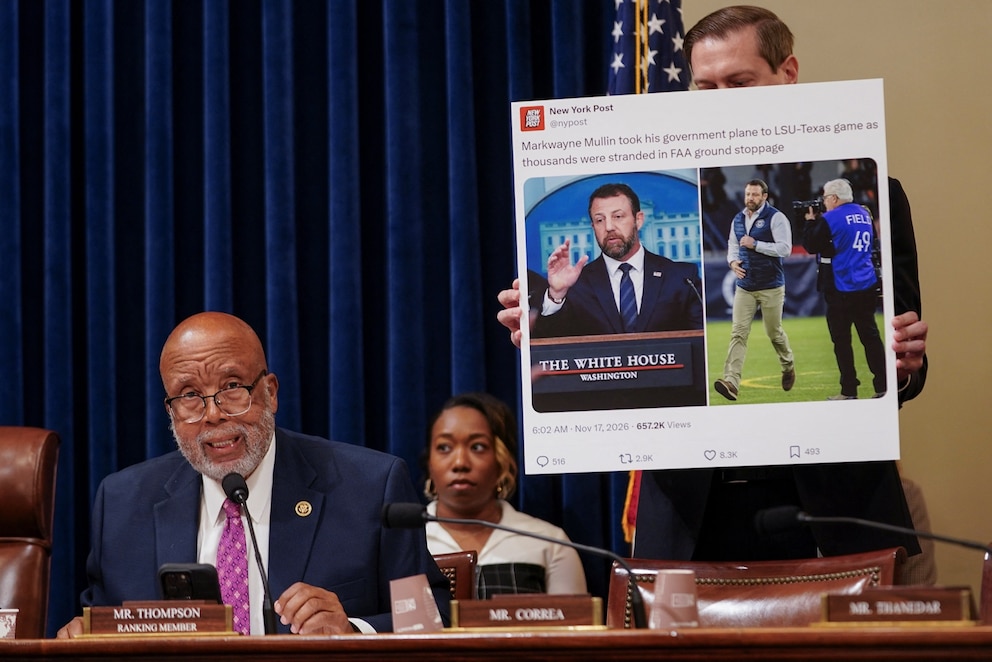
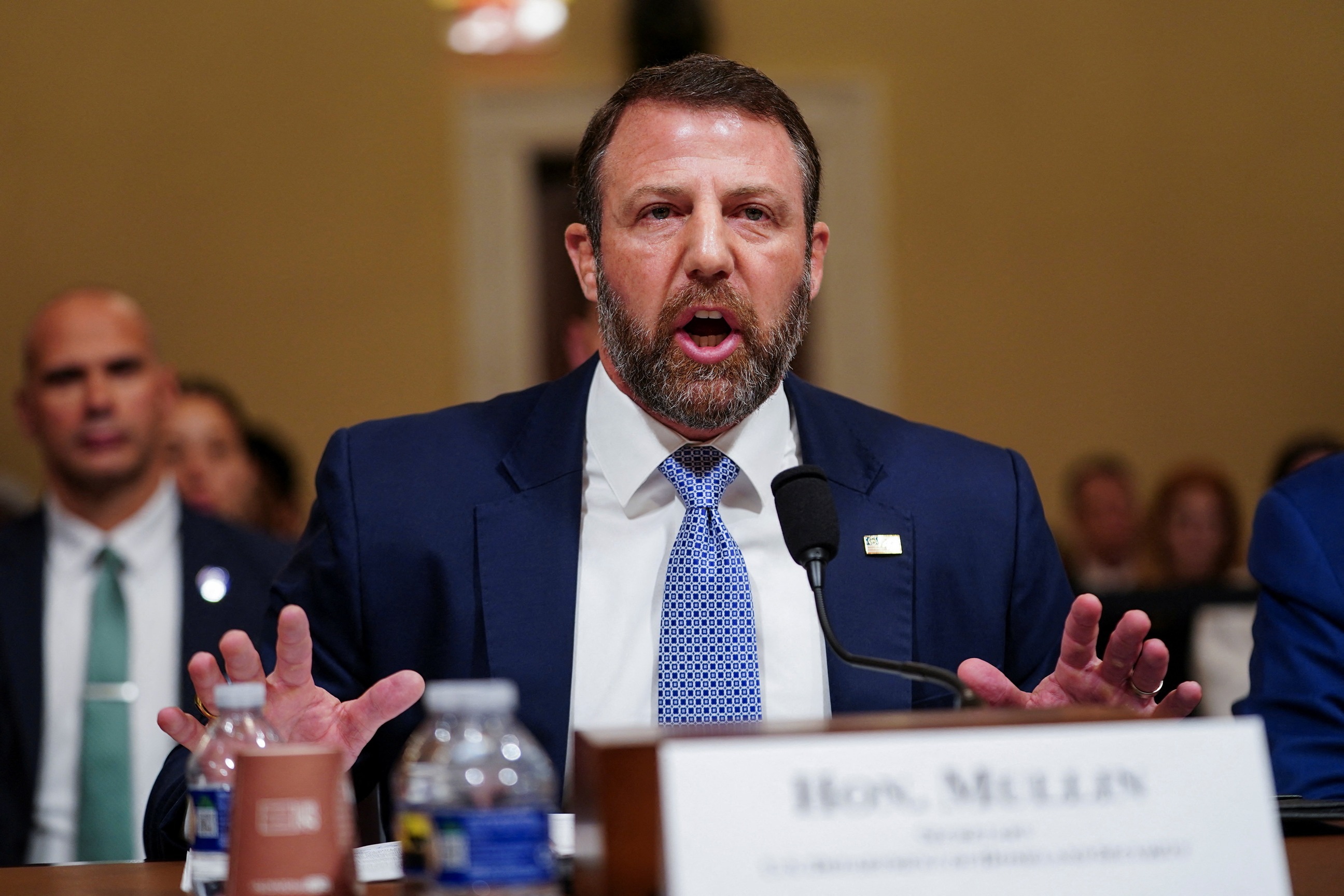
Mullin used his opening statement to rebuke Thompson for the remarks, contending the congressman was "making political points by holding up posters that are completely inaccurate."
Mullin defended his attendance at the LSU-Texas game, saying he "wanted to be a good uncle" in taking the trip that was scheduled weeks earlier and committed to reimbursing the government as required by law.
'Separate service outages'
Mullin, Clayton and Raia were also questioned about the cyber outages that have affected airlines, Microsoft Outlook, banks and other services.
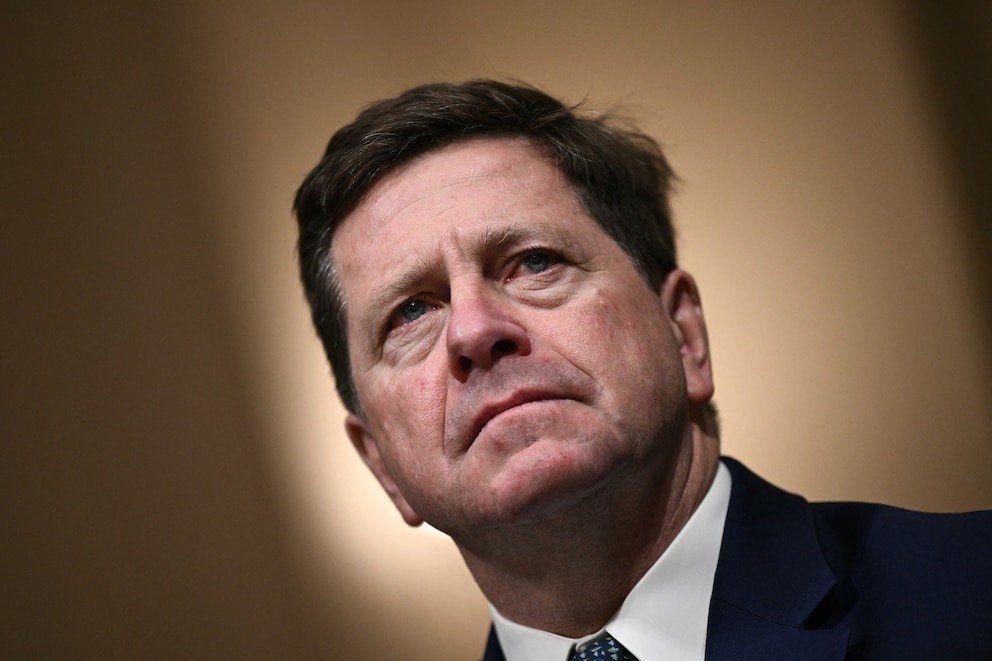
In his opening remarks, Clayton reaffirmed that recent cyber incidents causing disruptions for multiple companies and networks do not appear to be the result of coordinated cyberattacks -- despite widespread speculation among the public.
"I understand the timing of these incidents can raise questions, and it should. The American people should ask us these questions. But based on what we know today, after a great deal of diligence, these are separate service outages associated with maintenance and technical changes," Clayton said.
Mullin has repeatedly assured the public that Friday's air traffic incident, in which flights were grounded for four hours, was not nefarious and echoed Transportation Secretary Sean Duffy on what caused the disruption.
Duffy told ABC's "This Week" on Sunday that work was being performed to replace outdated copper wire with fiber cables in Arkansas, when the router communication believed to have caused the ground stop occurred.
The ground stop was issued after the installation of a Juniper router at the Arkansas facility flooded the network with data, overwhelming an older system and resulting in telecommunications issues, according to officials.
A spokesperson for Hewlett Packard Enterprise, which owns Juniper, said Sunday "based on what we know, they were working exactly as designed" on Friday.
Duffy told reporters on Tuesday that the FAA had spent a year testing the routers and that the issue occurred on the 69th installation.
'Blame me'
FAA Administrator Bryan Bedford took full responsibility for the router issue and insisted that Duffy should not be blamed for it. Bedford previously apologized to the public for the disruptions during a press conference on Saturday.
"I'm the guy they hired to get this done. So blame me. If we need to blame somebody, blame me," Bedford said on Wednesday. "We are going to continue to power through this. We'll learn the lesson. We'll have a transparent accounting on the forensics that we get from the router failure."
Other Democratic House members criticized Mullin over potential cybersecurity threats.
Rep. James Walkinshaw, D-Va., questioned the secretary over drastic staffing reductions to the nation's top cybersecurity defense agency, CISA, during the first two years of the second Trump administration.
"The Trump administration inherited a sizable workforce of 3,400 people. They fired and pushed out more than a thousand cyber defenders at precisely the moment the cyber threat was exploding," Walkinshaw said.
"Was it a mistake for them to have been fired and pushed out? Yes or no?" the congressman asked.
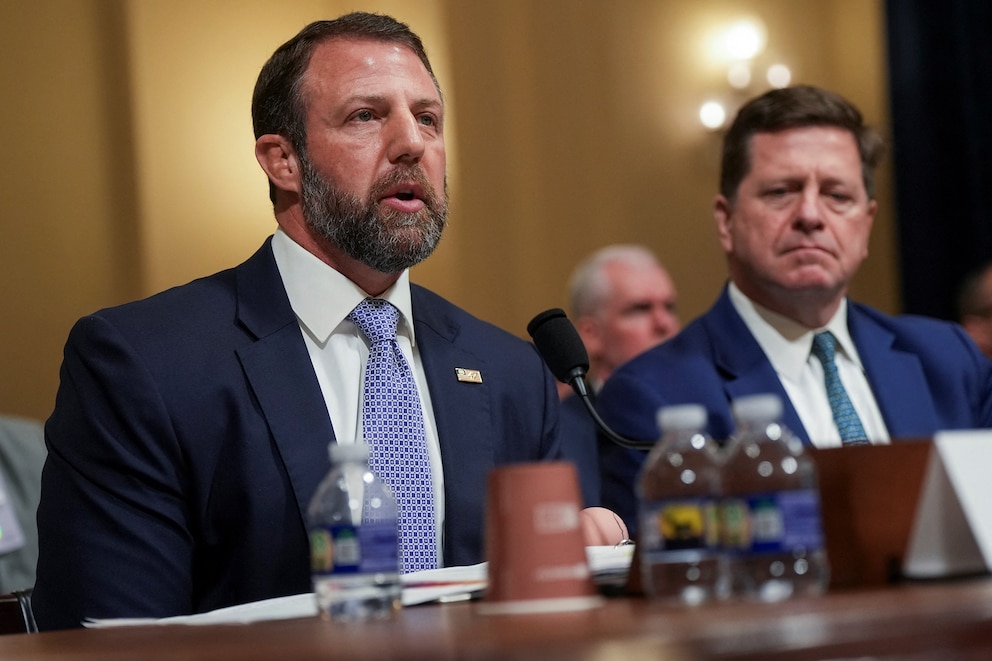
"I wasn't there when that was made. I don't know the reasoning behind it," Mullin responded. "So I'm not going to talk about why someone was let go when I wasn't involved in it."
'We're not killing people'
The hearing shifted to immigration, where Mullin was asked by several congressmembers about the administration's controversial increase in immigration related arrests and deportations.
Mullin got into a combative back-and-forth with Rep. Lamonica McIver, D-N.J., as he sought to defend the administration's actions.
"Do you have any regrets or reservations for the leading role you are playing in this administration's immigration agenda?" McIver asked.
"I'll never apologize about enforcing our nation's laws," Mullin responded.
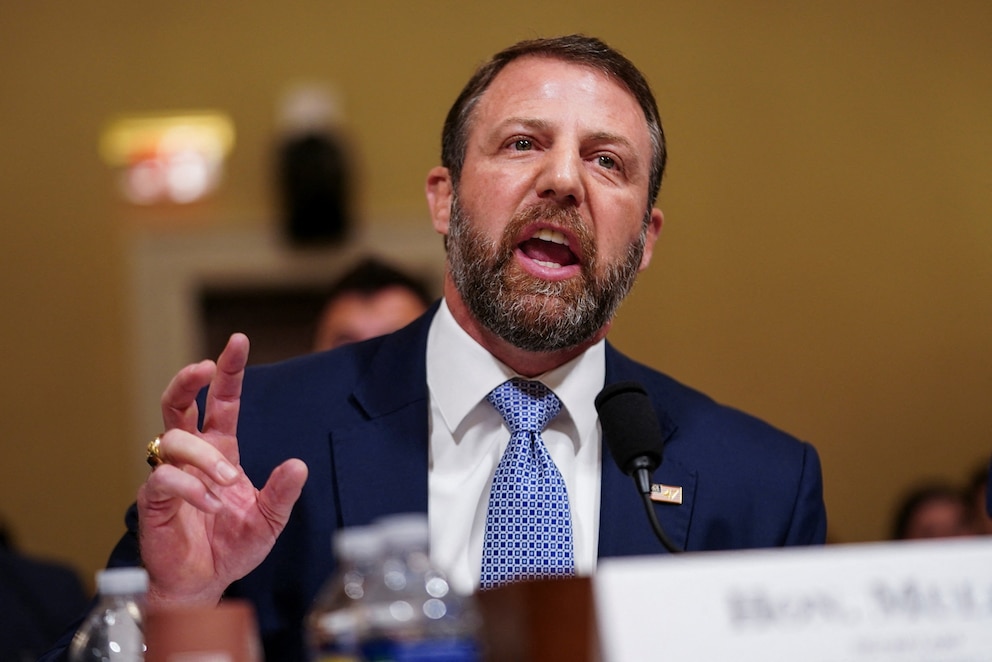
"Not about even killing people? No apologies for that?" the congresswoman asked.
"We're not killing people," Mullin said.