NASA Activates 'Tiger Teams' to Work on Troubled Space Station
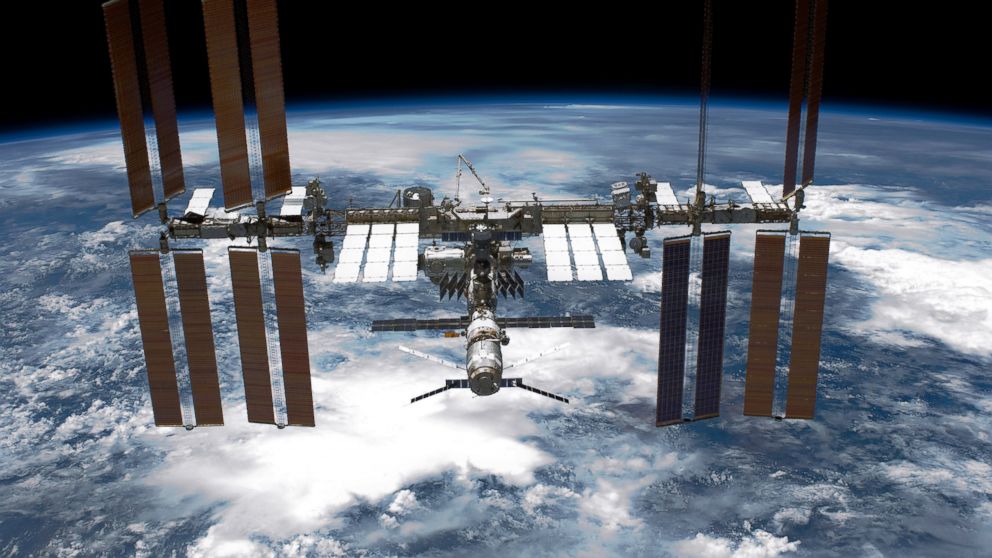
Dec. 12, 2013 — -- Mission Control has launched several "Tiger Teams" to work around the clock troubleshooting the cooling failure on the International Space Station, NASA officials said today.
A Tiger Team focuses specifically on one area of the problem to find a solution -- then the teams present their findings to the Mission Management Team. Tiger Teams became legendary during the ill-fated Apollo 13 mission. If you remember the scene in the movie where engineers dumped a pile of spare parts on the table, and said this is what the crew has, so this is what we have to work with -- that's a Tiger Team.
The MMT is meeting throughout the next few days trying to sort through their options to solve the cooling problem, officials said. Engineers hope to find a software solution for the stuck valve on the pump. A spacewalk is no one's first choice to solve the problem if an engineer in Mission Control can upload a patch, or hit a reset button.
By Monday, mission managers will decide if a spacewalk or two is needed to fix the broken pump.
Also at stake is the launch of the Cygnus cargo ship, which is scheduled for a nighttime launch near Washington, D.C., on Dec. 18. If the cooling loop isn't working by then the launch will have to be delayed.
Spacewalks are inherently dangerous. Outside temperatures fluctuate 500 degrees during one orbit of Earth and suits can malfunction. NASA is still puzzling through the spacesuit failure that nearly drowned Luca Parmitano earlier this year.
The U.S. isn't the only country to experience such problems. On Feb. 26, 2003, the cooling system on Cosmonaut Alexander Kaleri's Russian Orlon spacesuit stopped working, which caused him to overheat and moisture to form on his visor, making it hard for him to see. Kaleri and astronaut Michael Foale had just finished installing a Russian experiment on the orbiting outpost when the unit failed and the spacewalk was hastily aborted.
"Anytime we open that hatch it automatically gets dangerous," Doug Wheelock a veteran of six spacewalks, told ABC News. "We have to pay attention to our suits, to take care of each other. It's a very dangerous environment outside for sure."