'We are just getting going': NASA administrator says Artemis II is 1st step toward moon base, Mars missions
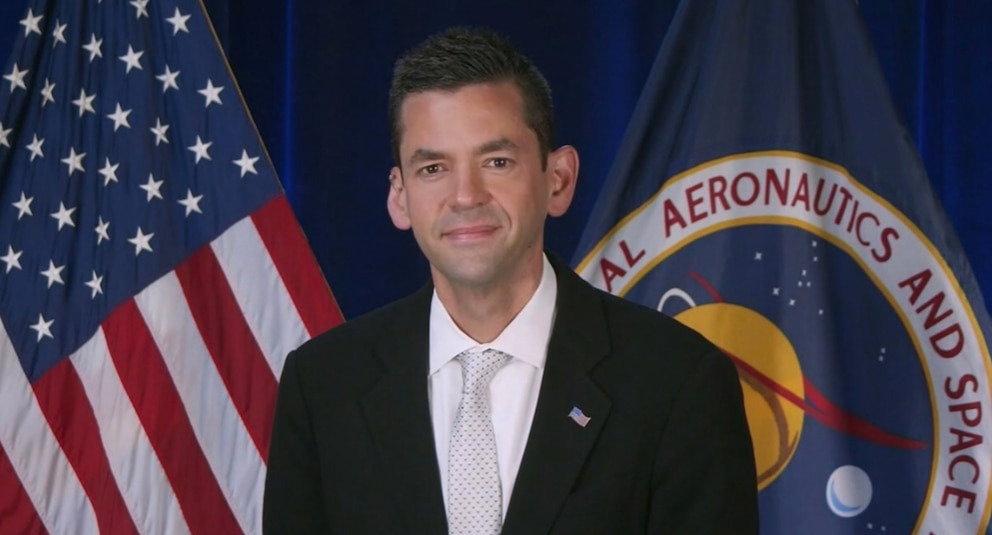
Artemis II is just the first step toward the goal of establishing a permanent base on the moon and eventually sending astronauts to Mars, NASA Administrator Jared Isaacman said on Monday.
"We got the mandate, the resources, we have a successful mission – Artemis II – under our belt. We are just getting going," Isaacman said Monday in an interview on ABC News' "Good Morning America."
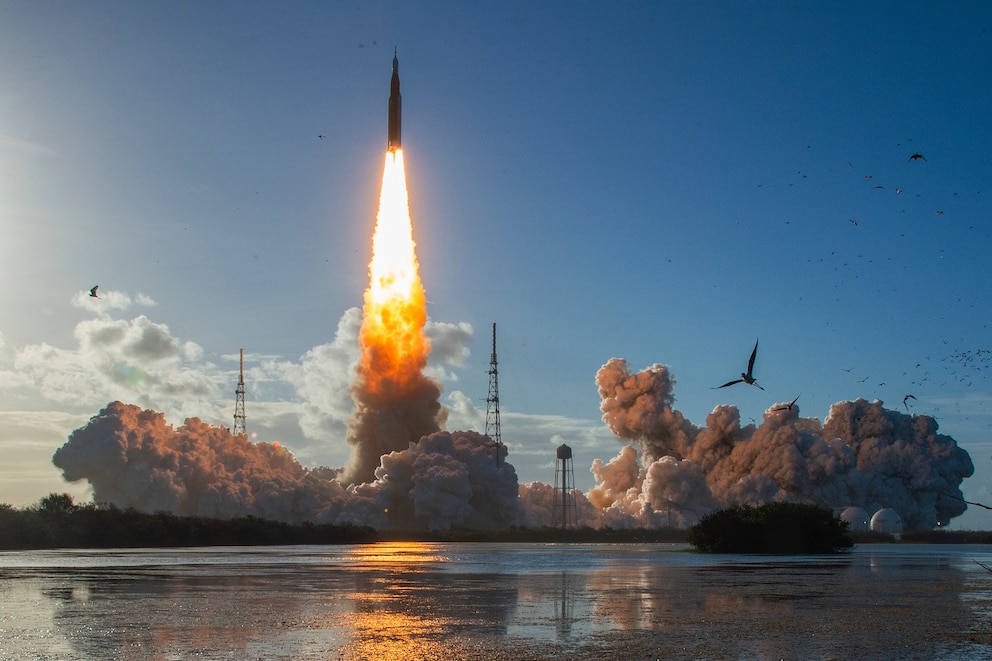
The Artemis II moon mission, which launched on April 1, took a four-person crew on a 10-day journey around the moon.
The crew consisted of mission commander Reid Wiseman along with mission pilot Victor J. Glover Jr. and mission specialists Christina Koch and Jeremy Hansen, the latter of whom is part of the Canadian Space Agency.
The more than 600,000-mile journey amounted to a test ahead of further missions, including the planned Artemis IV, which is intended to land astronauts near the moon's South Pole, a region never explored by humans, in 2028. That mission will mark the first crewed moon landing since Apollo 17 in December 1972.
The Artemis II crew splashed down on Friday, April 10, concluding a mission that Isaacman described as an "opening act" of America's return to the moon in an interview on Fox News. He said Monday that much was learned from Artemis II, including how the support systems inside the Orion spacecraft worked to keep the crew alive on its 10-day mission.
"On a pure human level, we learned how four outstanding human beings can bring the world together on this epic journey of discovery," Isaacman told "GMA."
Isaacman said the astronauts are currently enjoying rest and time with their families, but it won't be long before they debrief with NASA teams on what they learned on their mission and what can be improved. He added that Artemis II is the first step of President Donald Trump's space policy.
Trump signed an executive order in December 2025 calling for Americans to return to the moon by 2028 and to establish the initial elements of a permanent lunar outpost by 2030. The 2025 order also called for the deployment of nuclear reactors on the moon and in orbit, including a lunar surface reactor ready for launch by 2030. NASA announced an accelerated schedule March 25 during what it called its Ignition Event that eliminated some steps to achieve its goals.
"There is no better time to be at NASA right now than when you have a national space policy the president put in place my first day in office, which says not just return to the moon; do it with frequency," Isaacman said on "GMA."
"So let's get America back in the business of launching moon rockets and when you get back to the moon, don't just do it for the flags and footprints," he continued. "Build the base, establish the enduring presence for all its scientific value to be the technological proving ground for all the skills we're going to have to master to some day send astronauts to Mars and bring them back home safely."