• Video
  • Shop
  • Culture
  • Family
  • Wellness
  • Food
  • Living
  • Style
  • Travel
  • News
  • Book Club
  • Newsletter
  • Privacy Policy
  • Your US State Privacy Rights
  • Children's Online Privacy Policy
  • Interest-Based Ads
  • Terms of Use
  • Do Not Sell My Info
  • Contact Us
  • © 2026 ABC News
  • News

NASA blames 'automation' and timers not being in sync for Boeing Starliner flop
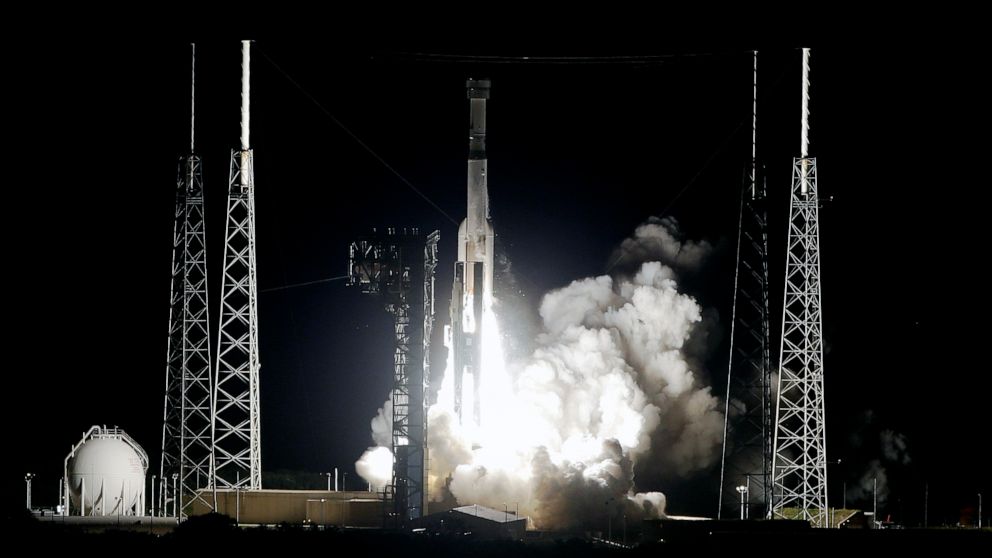

3:32
Starliner forced to abort mission after flying into wrong orbit
Terry Renna/AP
Catherine Thorbecke
ByCatherine Thorbecke
December 20, 2019, 3:37 PM

It was supposed to be a historic day for Boeing, but the launch of its hyped-up Starliner spacecraft did not go exactly as planned.

Instead of heading to the International Space Station, the unmanned spacecraft is now supposed to return to Earth on Sunday.

NASA officials blamed the error on "automation," saying at a news conference Friday that the spacecraft believed the time was "different than it actually was."

All seemed to go as planned initially -- the liftoff successfully took place just before 7 a.m. from Cape Canaveral Air Force Station in Florida. Shortly after, however, NASA's live coverage of the launch appeared to go down and Boeing put out a statement that the spaceship was dealing with an "off-nominal insertion" but maintained it was "in a safe and stable configuration."
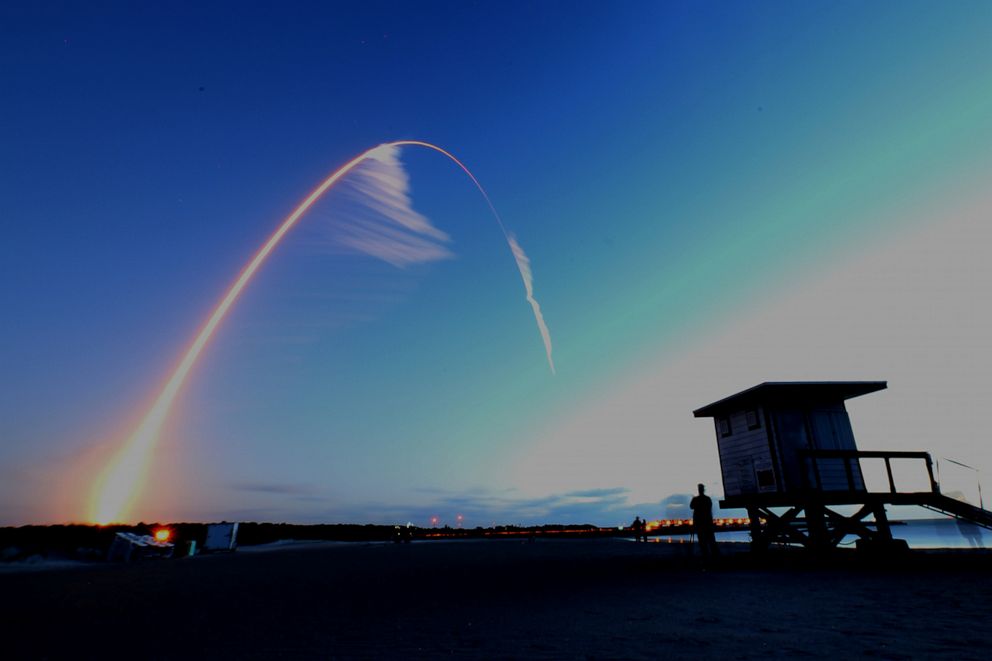
PHOTO: The Boeing CST-100 Starliner spacecraft, atop an ULA Atlas V rocket, flies during Orbital Flight Test to the International Space Station from launch complex 40 at the Cape Canaveral Air Force Station in Cape Canaveral, Fla., Dec. 20, 2019.
The Boeing CST-100 Starliner spacecraft, atop an ULA Atlas V rocket, flies during Orbital Flight Test to the International Space Station from launch complex 40 at the Cape Canaveral Air Force Station in Cape Canaveral, Fla. Dec., 20, 2019.
Joseph Rimkus/Reuters

Related Articles

(MORE: Boeing's Starliner launch ushers in 'new era in space exploration' as private companies take flight)

It soon became clear that the Starliner was not going to make it to the International Space Station as planned.

"This is in fact why we test," NASA administrator Jim Bridenstine said at a news conference Friday.

Bridenstine said it was an "automation" error.

"The anomaly resulted in the vehicle believing the time was different than it actually was, and because that timing was a little bit off, what ended up happening is the spacecraft tried to maintain a very precise control that it normally wouldn’t have tried to maintain and it burned a lot of prop," Bridenstine said.

"And when that prop got burnt it looked like we weren’t able to go ahead and rendezvous with the International Space Station," he added.

Related Articles

(MORE: SpaceX unveils Starship, to transport humans to the moon and Mars)

By the time the engineers were "able to get the signals up to actually command it to do the orbital insertion burn, it was a bit too late," Bridenstine said.
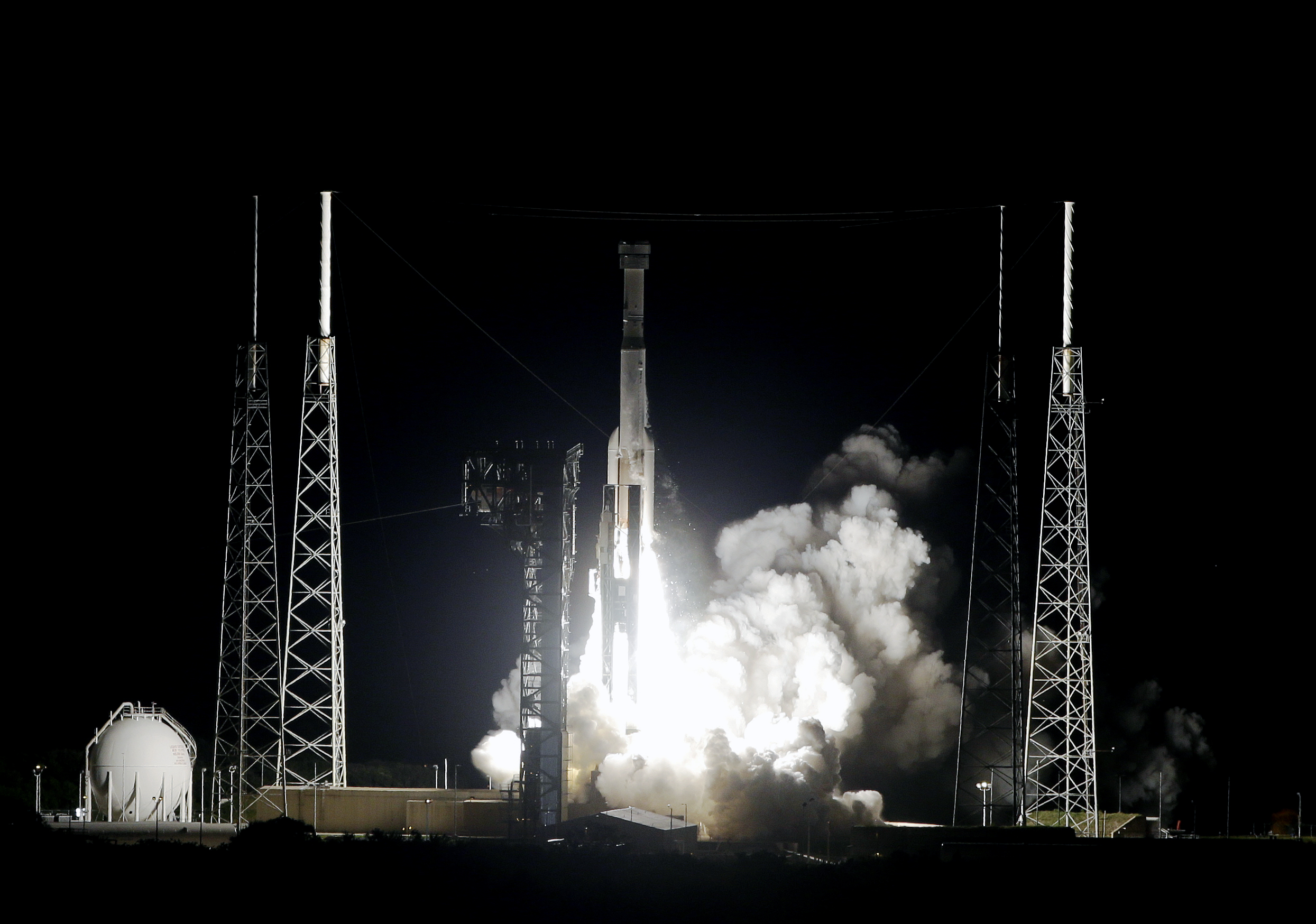
PHOTO: A United Launch Alliance Atlas V rocket carrying the Boeing Starliner on an Orbital Flight Test to the International Space Station lifts off from Space Launch Complex 41 at Cape Canaveral Air Force station, Dec. 20, 2019, in Cape Canaveral, Fla.
A United Launch Alliance Atlas V rocket carrying the Boeing Starliner crew capsule on an Orbital Flight Test to the International Space Station lifts off from Space Launch Complex 41 at Cape Canaveral Air Force station, Dec. 20, 2019, in Cape Canaveral, Fla.
Terry Renna/AP

He maintained, however, that the error likely would have been solved had a crew been onboard.

"This anomaly had to do with automation, and [astronauts] Nicole and Mike are trained specifically to deal with the situation that happened today where the automation was not working according to plan," he said. "Had they been in there we very well may be docking with the International Space Station tomorrow, had they been in the space craft."

Bridenstine said he did not know what the "root cause" of the error that caused the timing to be off.

The Starliner's failure to make it to the ISS is another setback Boeing. On Monday, the company announced it was suspending production of its 737 Max jets which have been grounded since March after two deadly crashes that killed a total of 346 people. The company admitted that its automatic flight control system played a role in the deadly 737 Max crashes.

Up Next in News—

Pilot killed in Florida plane crash hailed as hero

April 21, 2026

Athlete drowns during Ironman Texas triathlon

April 20, 2026

Skydiver speaks out after crashing into Virginia Tech stadium scoreboard

April 20, 2026

Gas station clerk speaks out after foiling alleged kidnapping

April 15, 2026

Shop GMA Favorites

ABC will receive a commission for purchases made through these links.

Sponsored Content by Taboola

The latest lifestyle and entertainment news and inspiration for how to live your best life - all from Good Morning America.
  • Contests
  • Terms of Use
  • Privacy Policy
  • Do Not Sell My Info
  • Children’s Online Privacy Policy
  • Advertise with us
  • Your US State Privacy Rights
  • Interest-Based Ads
  • About Nielsen Measurement
  • Press
  • Feedback
  • Shop FAQs
  • ABC News
  • ABC
  • All Videos
  • All Topics
  • Sitemap

© 2026 ABC News
  • Privacy Policy— 
  • Your US State Privacy Rights— 
  • Children's Online Privacy Policy— 
  • Interest-Based Ads— 
  • Terms of Use— 
  • Do Not Sell My Info— 
  • Contact Us— 

© 2026 ABC News