• Video
  • Shop
  • Culture
  • Family
  • Wellness
  • Food
  • Living
  • Style
  • Travel
  • News
  • Book Club
  • Newsletter
  • Privacy Policy
  • Your US State Privacy Rights
  • Children's Online Privacy Policy
  • Interest-Based Ads
  • Terms of Use
  • Do Not Sell My Info
  • Contact Us
  • © 2026 ABC News
  • News

New species of dome-headed dinosaur discovered in Montana
4:22
New species of dinosaur discovered at US landmark
Eduardo Cabanas/Getty Images
ByJulia Jacobo
October 22, 2025, 7:23 PM

A new species of dome-headed dinosaur has been discovered in fossils found in Montana, according to researchers.

The dinosaur, named Brontotholus harmoni, belongs to the family pachycephalosauridae and is believed to have lived about 75 million years ago during the Late Cretaceous period, according to a paper published earlier this month in the Zoological Journal of the Linnean Society.
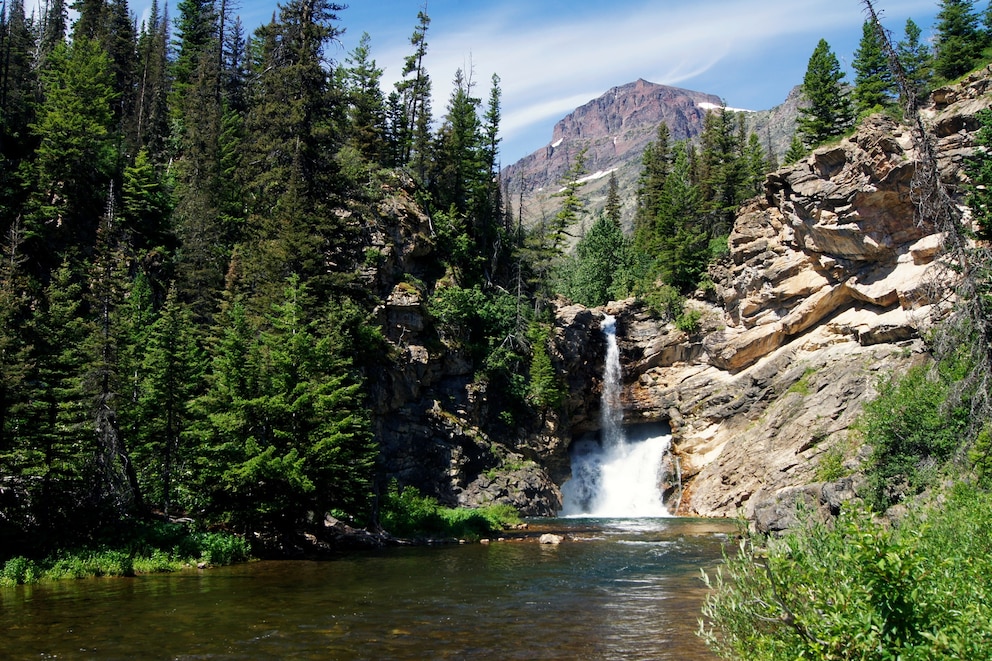
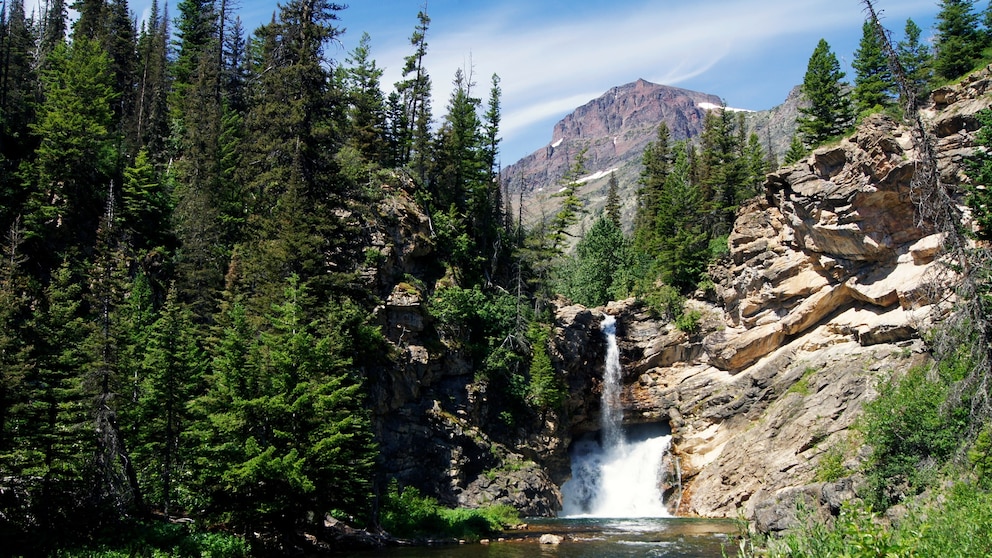
Glacier National Park, Two Medicine, Montana
Eduardo Cabanas/Getty Images

Related Articles

MORE: New species of long-necked dinosaur discovered in mountains of Argentina

Five specimens now identified as B. harmoni were unearthed in the Two Medicine Formation in Glacier County, Montana, according to the paper. B. harmoni is the first pachycephalosaurid from the Late Cretaceous period to be found in the region.

Related Articles

MORE: Fossils of new dinosaur species found with crocodile bone in its mouth

Pachycephalosaurids are known for its species of bi-pedal, dome-headed dinosaurs. The clade -- a group consisting of a single ancestor and all of its descendants -- is "exclusively known" from the Late Cretaceous periods in Asia and western North America, the authors wrote.
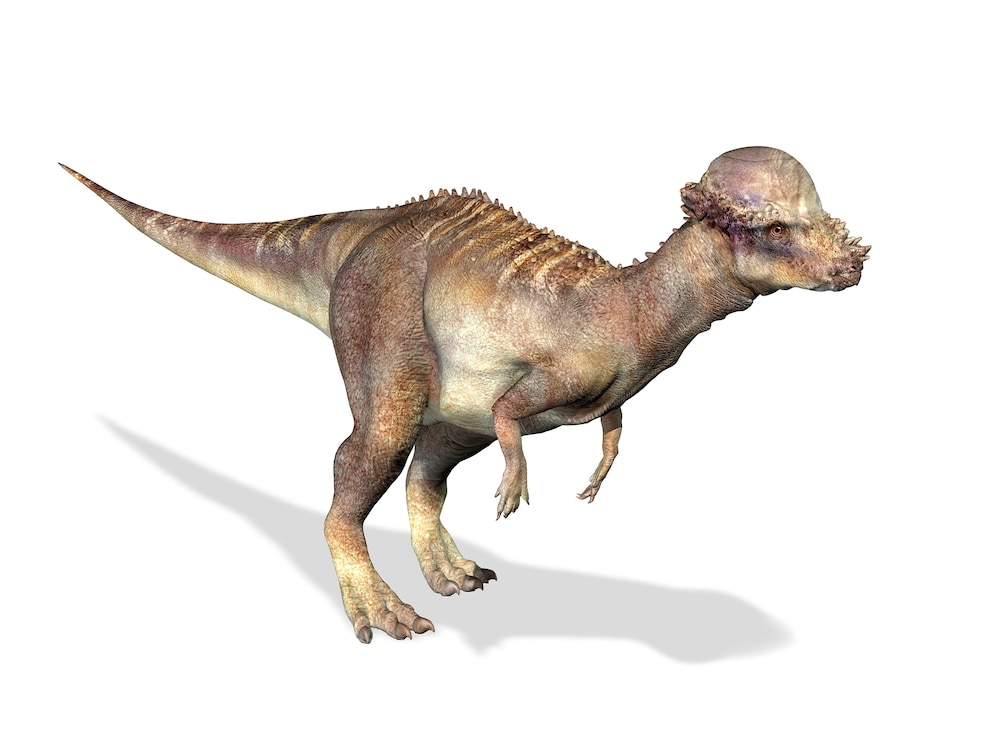
Stock photo of a 3D-rendering of a Pachycephalosaurus dinosaur.
Leonello Calvetti/Stocktrek Images/Getty Images

During the late Cretaceous, western North America experienced several regressive and transgressive cycles of the Western Interior Seaway, which allowed dinosaur clades such as tyrannosaurids, ceratopsids, hadrosaurids and pachycephalosaurids to evolve due to habitat area fluctuations related to sea level change, according to the paper.

The majority of what scientists know about pachycephalosaurid species is from cranial remains, according to the paper.

Related Articles

MORE: Paleontologists discover earliest dome-headed dinosaur

B. Hamorni possesses a "distinct suite of morphological features" from other pachycephalosaurids, including a bipedal gait, thickened domes and ornamented skulls, the researchers said.

The herbivore likely measured at about 10 feet long, and the size of its dome indicates that it's the third-largest pachycephalosaurid to have been found in North America.

The discovery increases the understanding of pachycephalosaurid morphology and diversity and shows that the clade contained relatively large body-sized dinosaurs as early as the Middle Campanian, the researchers said.


Up Next in News—

Gas station clerk speaks out after foiling alleged kidnapping

April 15, 2026

Oklahoma high school principal takes down would-be shooter, hailed as hero

April 15, 2026

Family seeks answers after influencer Ashlee Jenae is found dead on vacation in Tanzania

April 15, 2026

Couple shares warning after nearly losing down payment in mortgage fraud

April 10, 2026

Shop GMA Favorites

ABC will receive a commission for purchases made through these links.

Sponsored Content by Taboola

The latest lifestyle and entertainment news and inspiration for how to live your best life - all from Good Morning America.
  • Contests
  • Terms of Use
  • Privacy Policy
  • Do Not Sell My Info
  • Children’s Online Privacy Policy
  • Advertise with us
  • Your US State Privacy Rights
  • Interest-Based Ads
  • About Nielsen Measurement
  • Press
  • Feedback
  • Shop FAQs
  • ABC News
  • ABC
  • All Videos
  • All Topics
  • Sitemap

© 2026 ABC News
  • Privacy Policy— 
  • Your US State Privacy Rights— 
  • Children's Online Privacy Policy— 
  • Interest-Based Ads— 
  • Terms of Use— 
  • Do Not Sell My Info— 
  • Contact Us— 

© 2026 ABC News