• Video
  • Shop
  • Culture
  • Family
  • Wellness
  • Food
  • Living
  • Style
  • Travel
  • News
  • Book Club
  • Newsletter
  • Privacy Policy
  • Your US State Privacy Rights
  • Children's Online Privacy Policy
  • Interest-Based Ads
  • Terms of Use
  • Your Privacy Choices
  • Contact Us
  • Recalls and Product Safety Alerts
  • © 2026 ABC News
  • News

New NOAA satellite imaging allows unprecedented tracking of lightning strikes
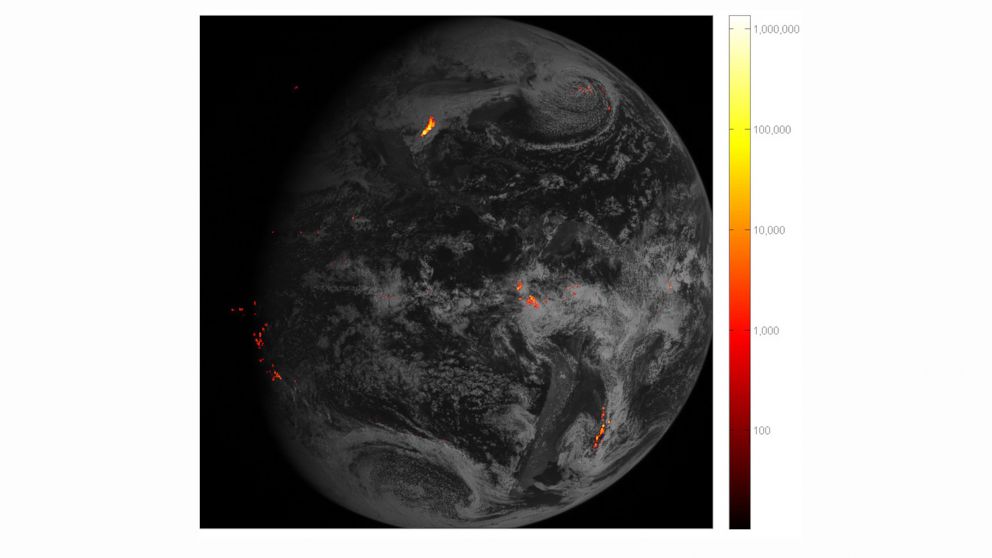
The first image from NOAA's new satellite that maps lightning.
NOAA/AP Photo
ByGABRIELA MILIAN
March 06, 2017, 11:32 PM

— -- A new lightning tracker that is hovering above the Western hemisphere in geostationary orbit has sent back its first images of lightning storms, NASA announced today.

The new instrument on a weather satellite called GOES-16 will give forecasters an unprecedented view of lightning strikes, and will allow them to give better warnings to the public when a storm is strengthening, scientists said.

The images released today show lightning flashes over the course of an hour on Feb. 14 around the Gulf of Mexico and in South America.

The National Oceanic and Atmospheric Administration (NOAA), which runs the satellite that NASA parked 22,300 miles above Earth in December 2016, also released a video today showing ghostly lightning strikes along the southeast coast of Texas captured on Feb. 14.

These images show “data never before available to forecasters,” NOAA said in a statement today.

Related Articles

Earth has a new continent called 'Zealandia'

Related Articles

NASA Seeks Robotic Spacecraft to Help It Move an Asteroid

The satellite's new capabilities from the Geostationary Lightning Mapper (GLM) mean forecasters can predict severe weather more accurately. in this in turn could help disaster preparedness and response to tornadoes and hurricanes, according to NOAA.

"During heavy rain, [the satellite] data will show when thunderstorms are stalled or if they are gathering strength,” according to NOAA. “When combined with radar and other satellite data, GLM data may help forecasters anticipate severe weather and issue flood and flash flood warnings sooner.”

Up Next in News—

Ella Langley's Tulsa show canceled over 'serious security threat'; police say no credible threat found

October 10, 2026

What to know about storm surge dangers as Hurricane Isaias nears Florida Panhandle

October 9, 2026

New report says only 6% of adults are eating enough fiber: How to eat more

October 2, 2026

Texas zoo welcomes first Sumatran tiger cubs

October 2, 2026

Shop GMA Favorites

ABC will receive a commission for purchases made through these links.

Sponsored Content by Taboola

The latest lifestyle and entertainment news and inspiration for how to live your best life - all from Good Morning America.
  • Contests
  • Terms of Use
  • Privacy Policy
  • Your Privacy Choices
  • Children’s Online Privacy Policy
  • Advertise with us
  • Your US State Privacy Rights
  • Interest-Based Ads
  • About Nielsen Measurement
  • Press
  • Feedback
  • Shop FAQs
  • ABC News
  • ABC
  • All Videos
  • All Topics
  • Sitemap
  • Recalls and Product Safety Alerts

© 2026 ABC News
  • Privacy Policy— 
  • Your US State Privacy Rights— 
  • Children's Online Privacy Policy— 
  • Interest-Based Ads— 
  • Terms of Use— 
  • Your Privacy Choices— 
  • Contact Us— 
  • Recalls and Product Safety Alerts— 

© 2026 ABC News