North Atlantic hurricane season could soon shift earlier in the year, scientists say

Communities on the East and Gulf coasts of the U.S. could soon be preparing for a longer hurricane season as the formation of tropical cyclones shifts to earlier in the year, according to a new study.
Researchers who analyzed changes in the onset of Atlantic tropical cyclone activity from 1979 to 2020 found that the first named storms of the North Atlantic hurricane season have been occurring five days earlier every decade since 1979, according to a study published in Nature Communications on Tuesday.
Currently, the North Atlantic hurricane season runs annually from June 1 to November 30 -- a definition that was established in 1965.
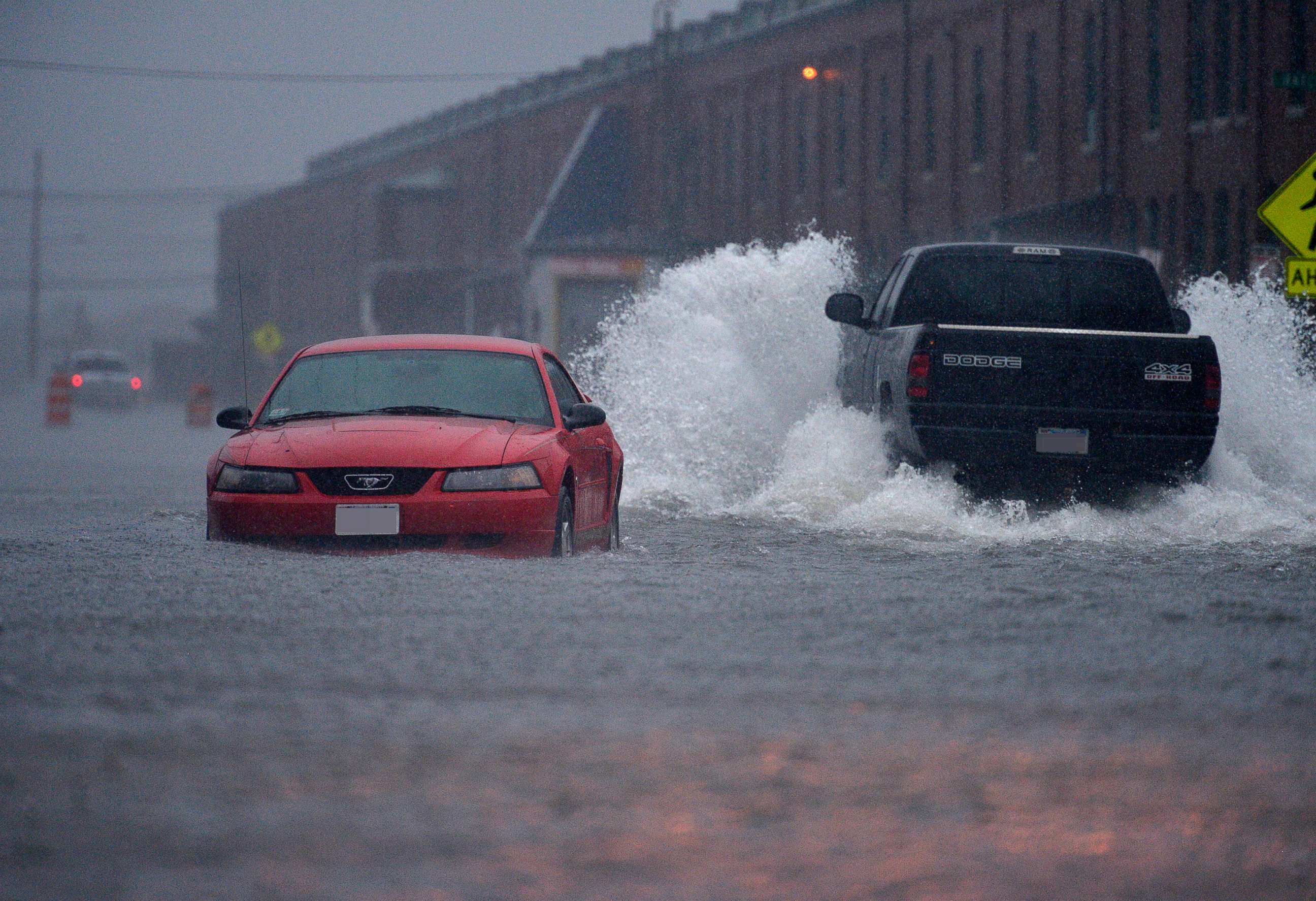
Last year marked seven consecutive seasons that the National Hurricane Center issued watches or warnings for the continental U.S. before the start of the season on June 1, which prompted the researchers to study the phenomenon further, Ryan Truchelut, chief meteorologist at Weather Tiger, a consulting and risk management firm, and author of the study, told ABC News.
"The concern here is that this is, you know, historically very unusual," Truchelut said.
This trend could soon change the current definition of the North Atlantic hurricane season, and a panel at the National Oceanic and Atmospheric Administration is currently weighing whether to adjust the current season to start earlier, Truchelut said.
"I think that that's going to be an important signal to coastal residents and people living well inland who are at risk from tropical storm-driven flooding events," Truchelut said of the potential change in season.

In addition, the findings also suggest that the first named storm to make landfall in the U.S. occurred earlier by about two days per decade since 1900, according to the study.
In 2021, climate factors such as La Niña, above-normal sea surface temperatures earlier in the season and above-normal West African monsoon rainfall were the primary contributors to the early start and the above-average season. But springtime warming in the western Atlantic Ocean, which has also shown an increasing trend during the same period, could be linked to the earlier onset of named storms, the authors said.
Additional increases in ocean temperatures may exacerbate the exposure of populated landmasses to tropical cyclones by shifting the onset of their formation earlier, according to the study.

While it does not appear that the timing of the peak or end of hurricane season has changed, information about the earlier onset of hurricanes will be important for communities to properly assess necessary risk management measures as hurricanes continue to intensify as a result of global warming, Truchelut said.
"Hopefully it'll help people be more prepared to respond to those watches and warnings, and respond and react if they receive an emergency flash flood warning," Truchelut said of the research.
ABC News' Melissa Griffin contributed to this report.