North and South Korea agree to talk with goal to 'relieve military tensions'
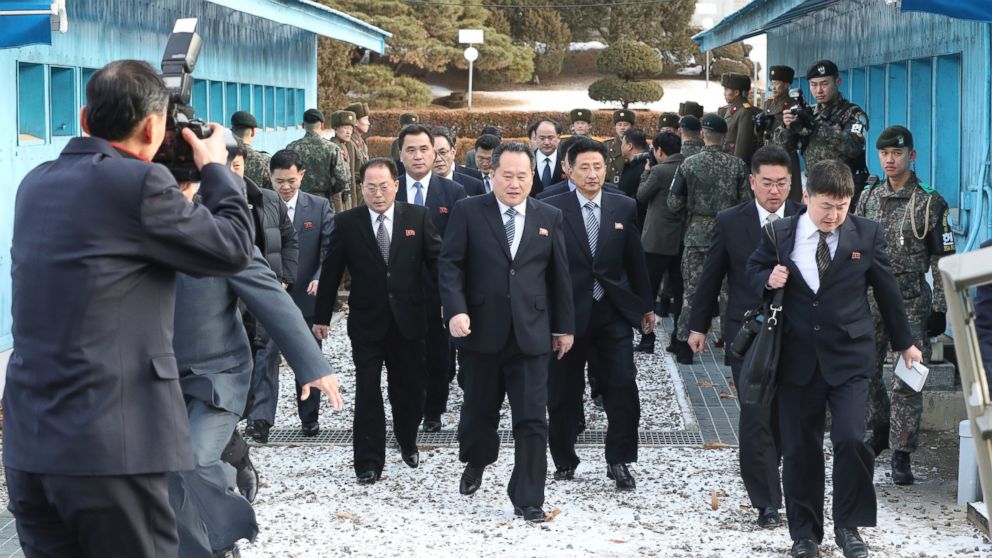
—SEOUL -- North and South Korea will hold "military talks" in order "to relieve military tensions," the two countries said in a joint statement today after nearly 12 hours of highly anticipated negotiations on their border.
North Korea will also send athletes and a high-level delegation to the Winter Olympics next month in Pyeongchang, South Korea, they said.
Cheerleaders, artists, spectators, a taekwondo demonstration and members of the North Korean news media will also attend the Games, according to the statement. The two sides said they would negotiate over whether their cheerleading groups would perform as one.
South Korea "will guarantee convenience" and "working level meetings will follow," while a "date will be decided later," the countries said.
The two countries also pledged to resolve "national problems on our own," a possible nod to those who believe the Korean conflict should be resolved by the two Koreas, without the United States and other outside actors.
South Korea had previously invited the North to send a team, and the talks today came after a New Year's speech by North Korean leader Kim Jong Un in which he brought up the idea of sending a delegation.
The seesaw relationship between North Korea and the United States
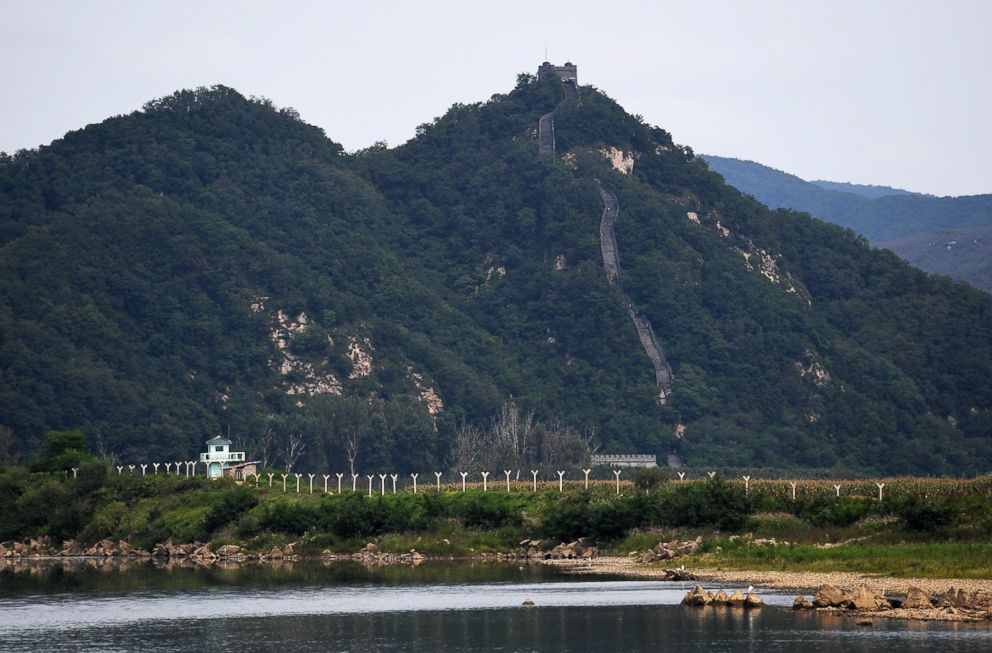
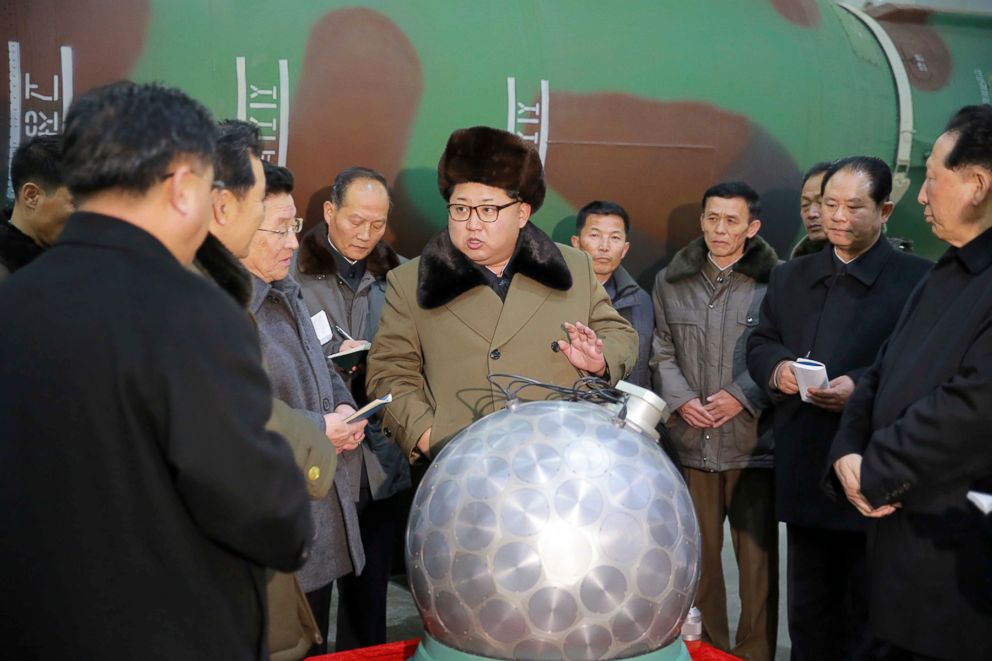
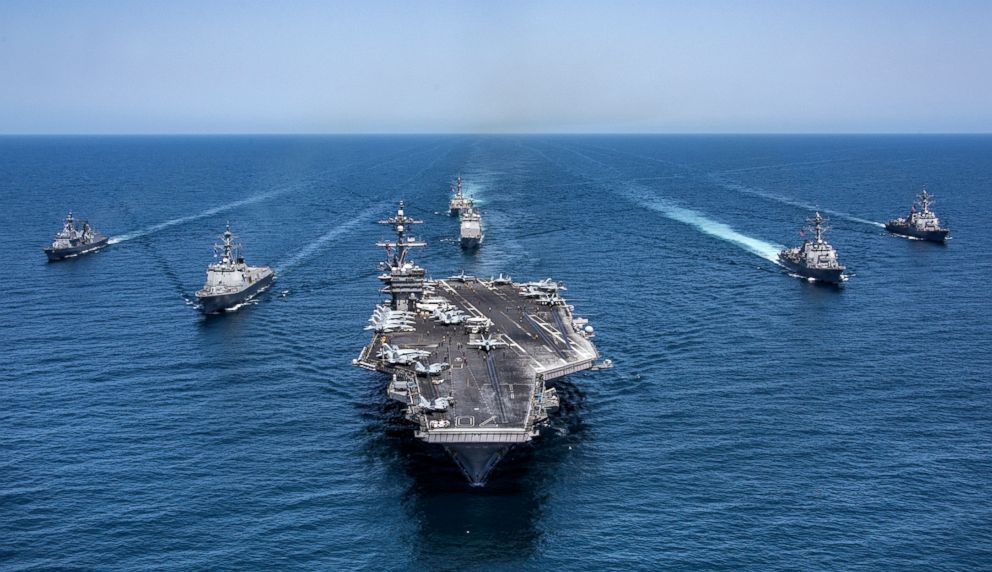
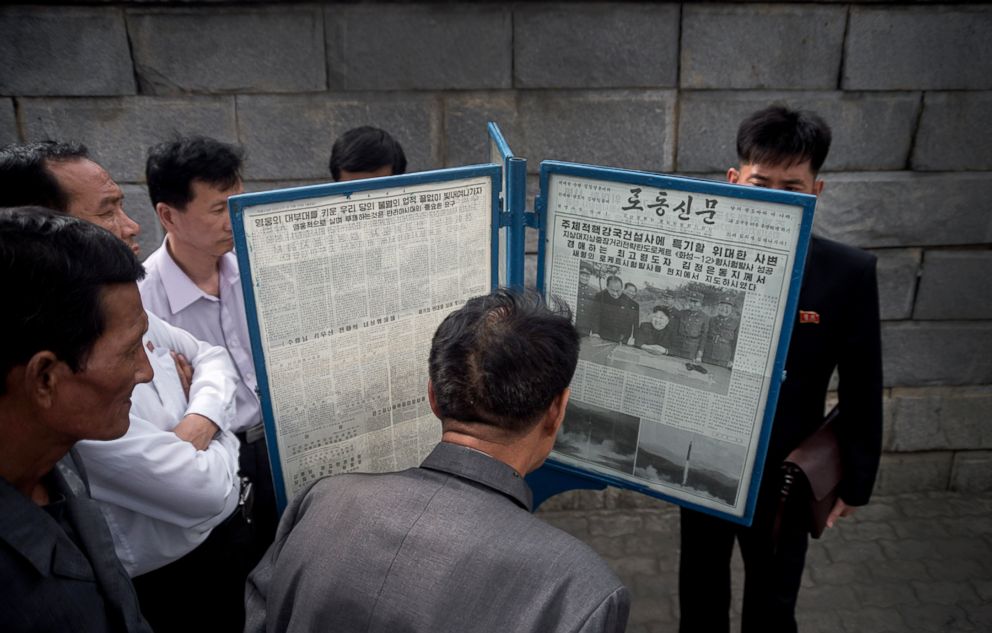
Photos from the history of North Korea and the United States.
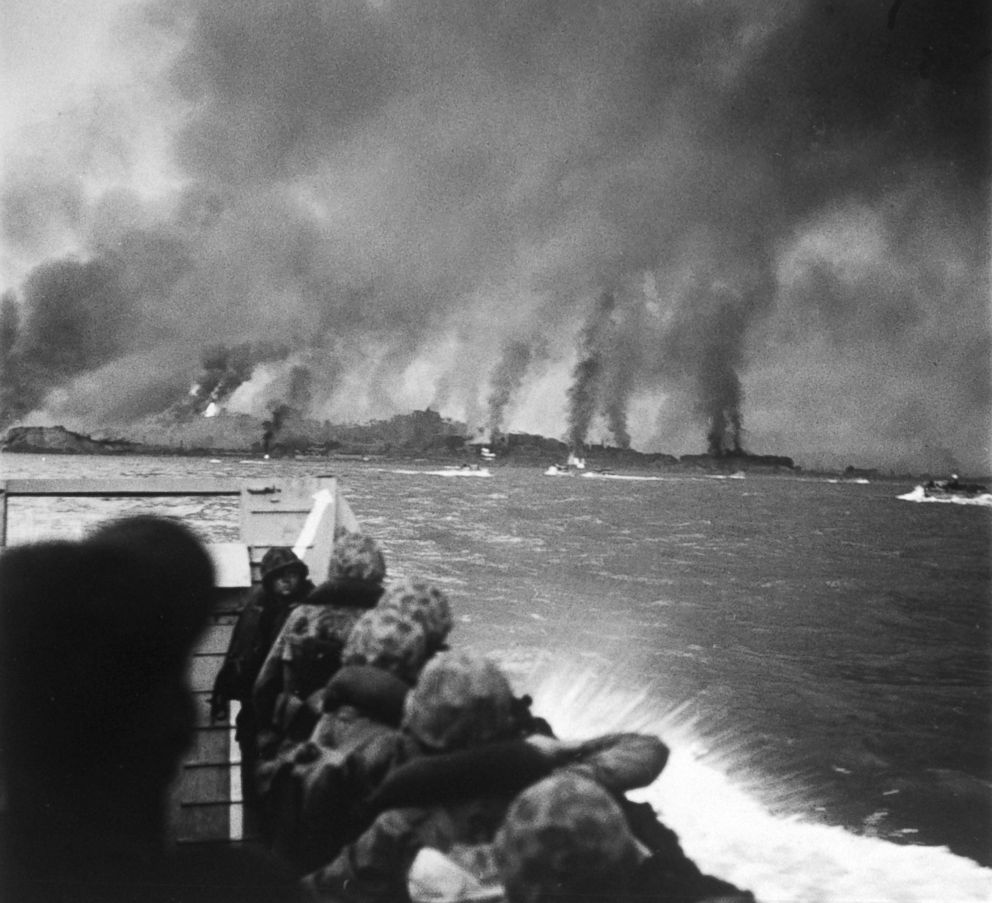
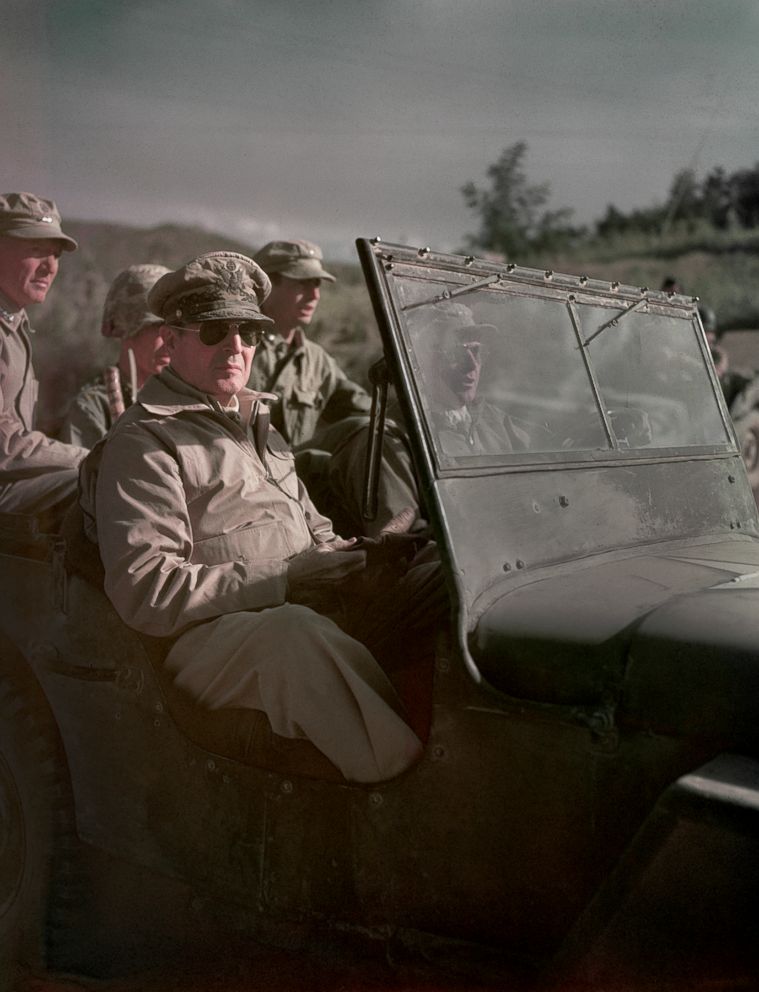
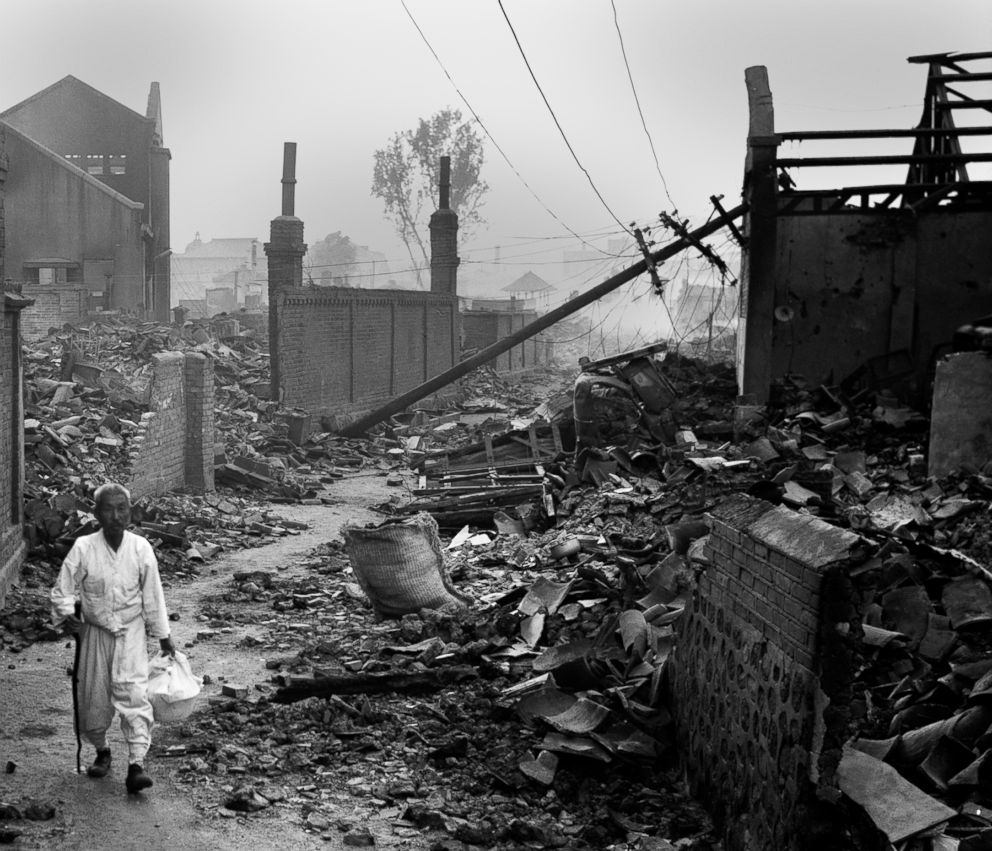
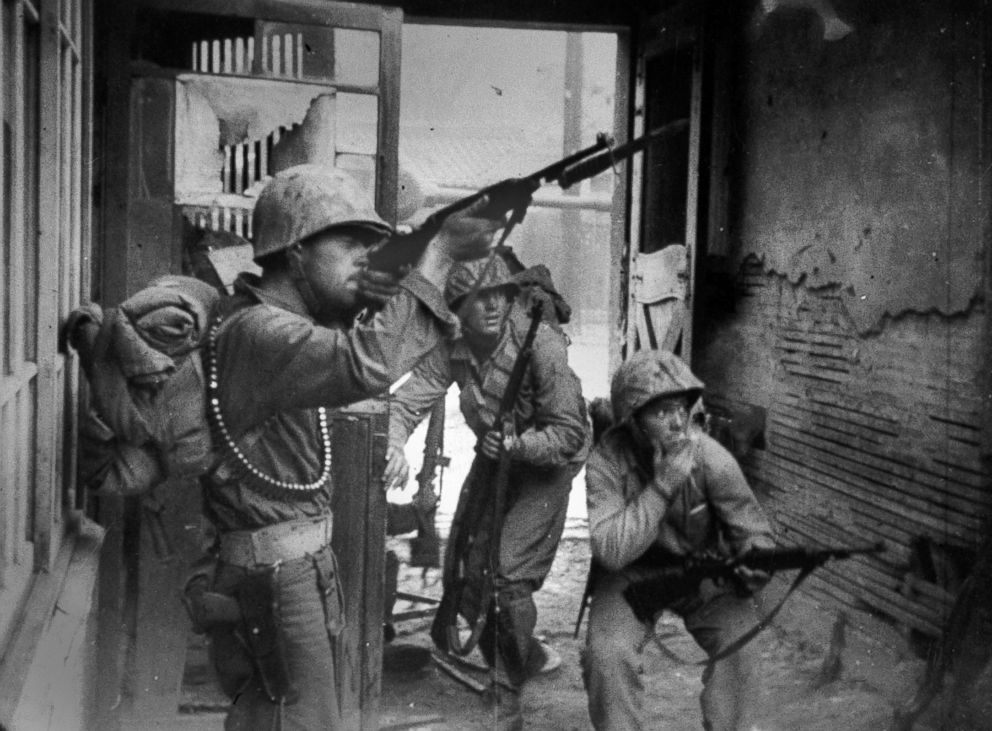
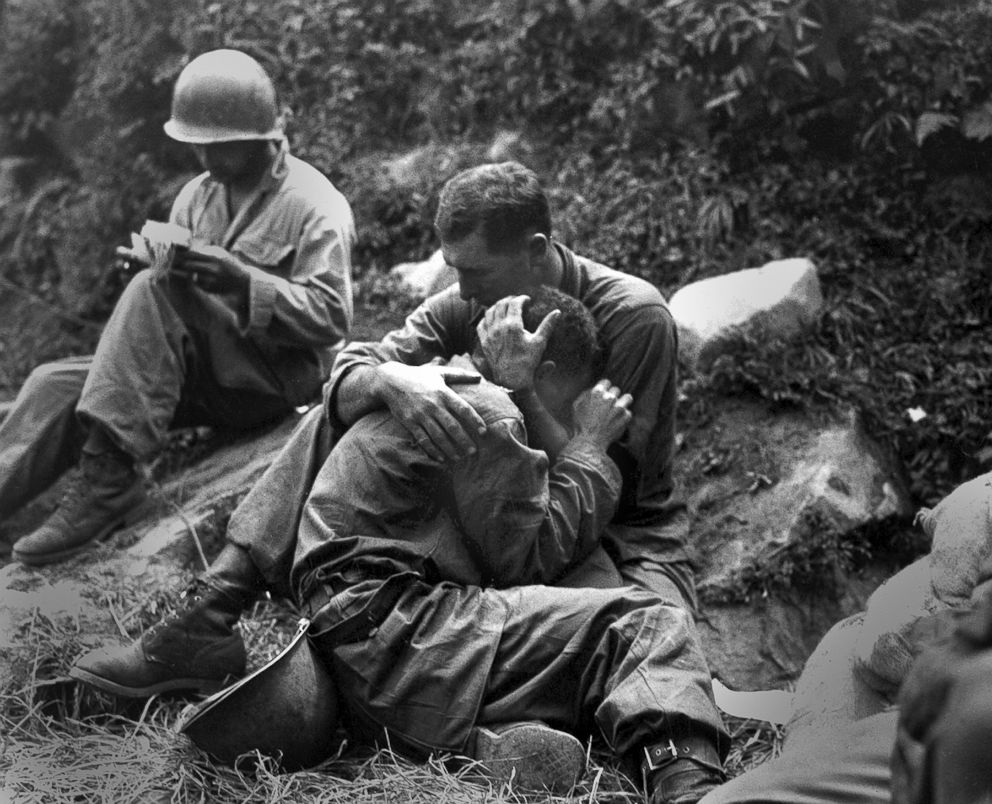
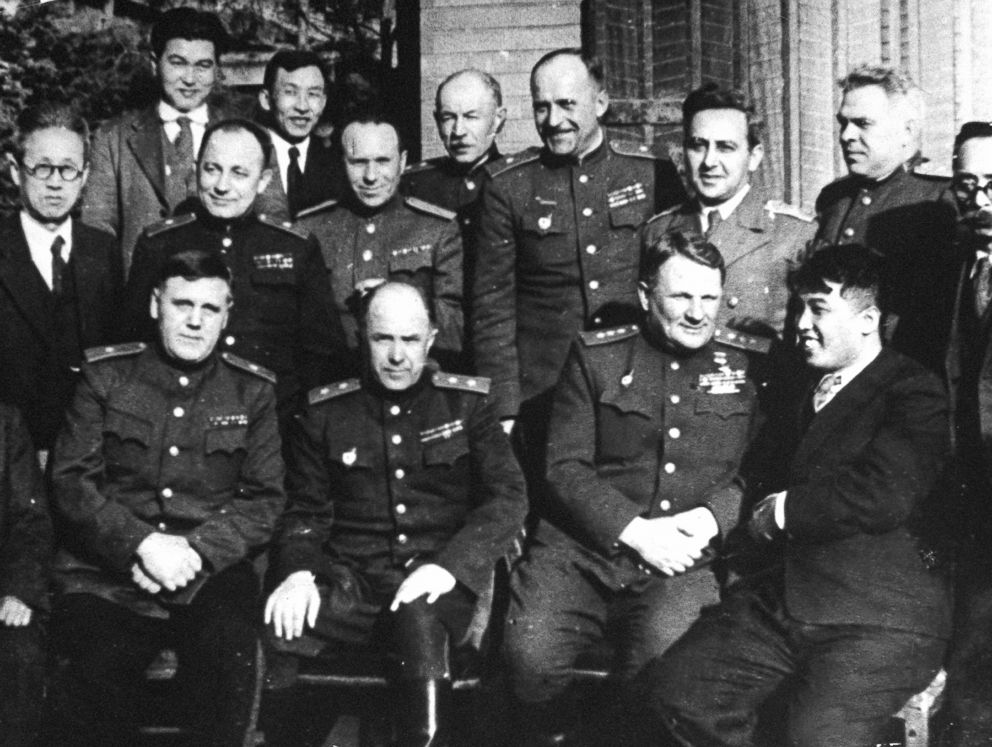
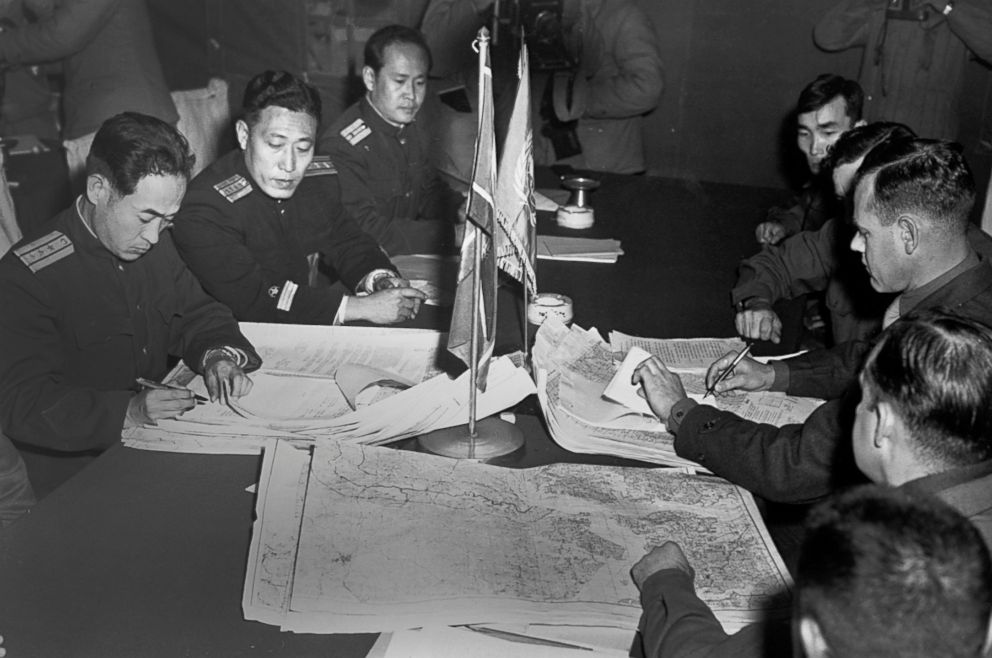
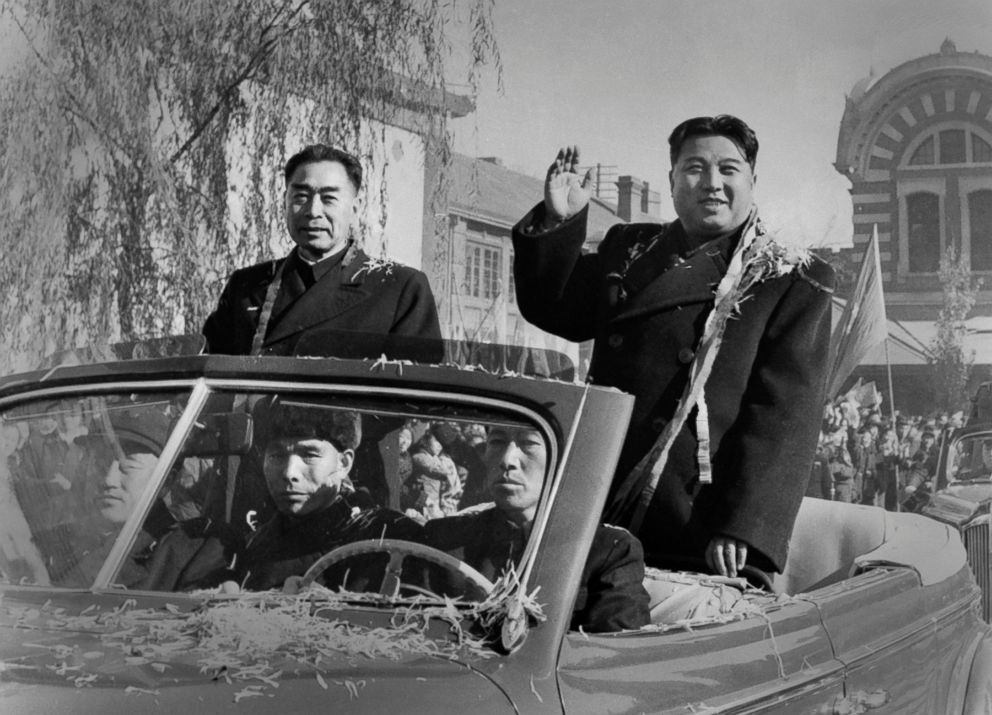
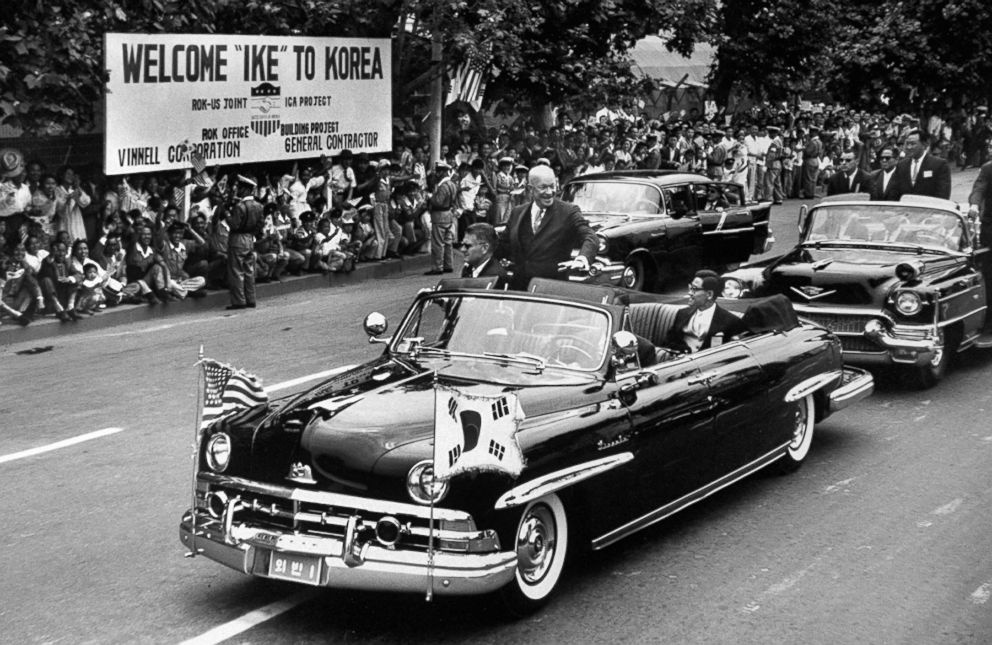
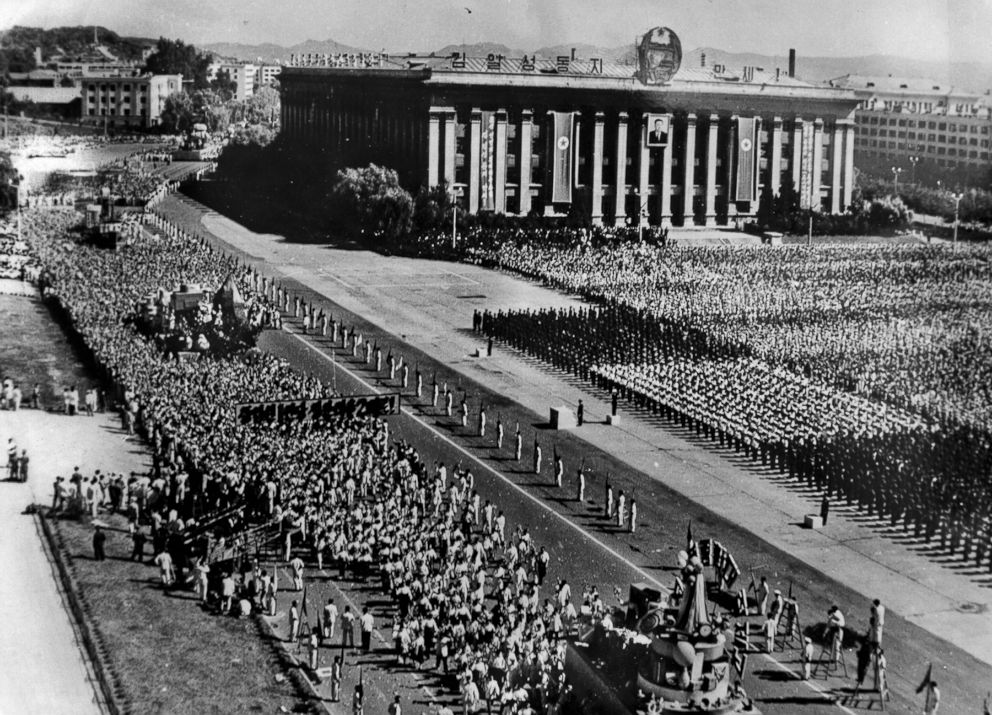
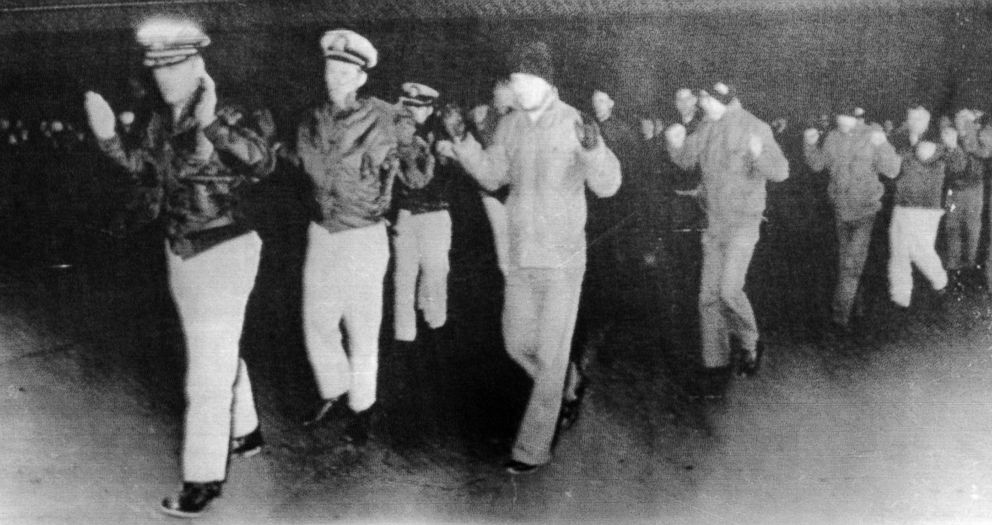

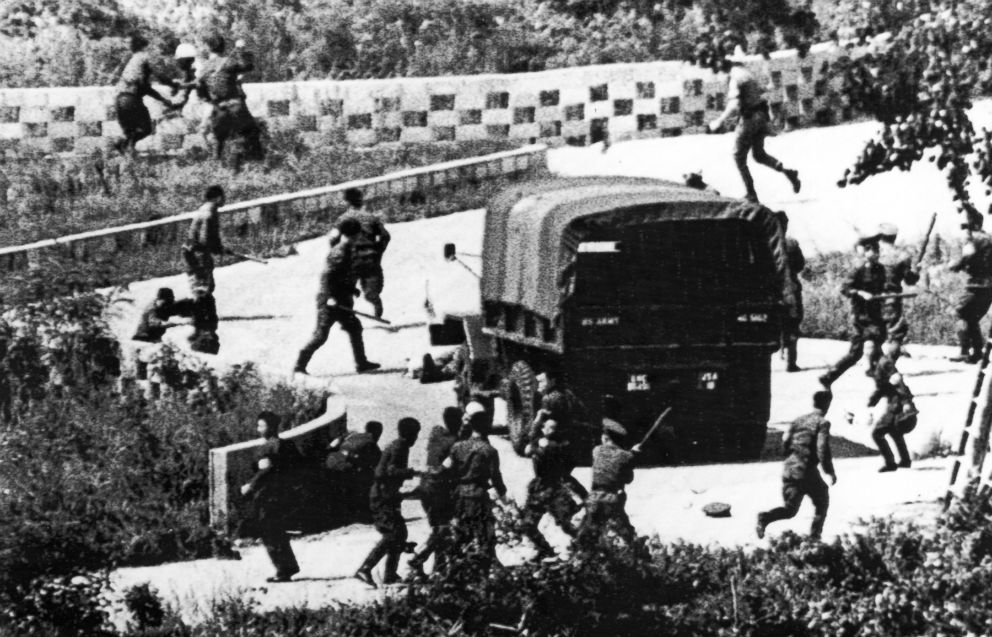
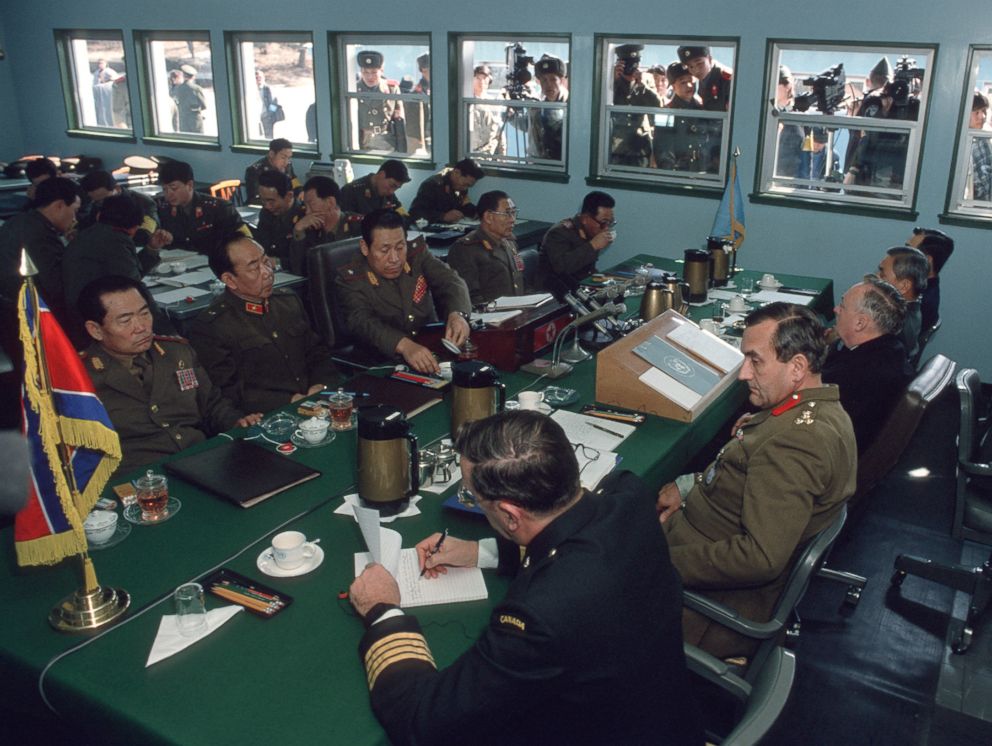
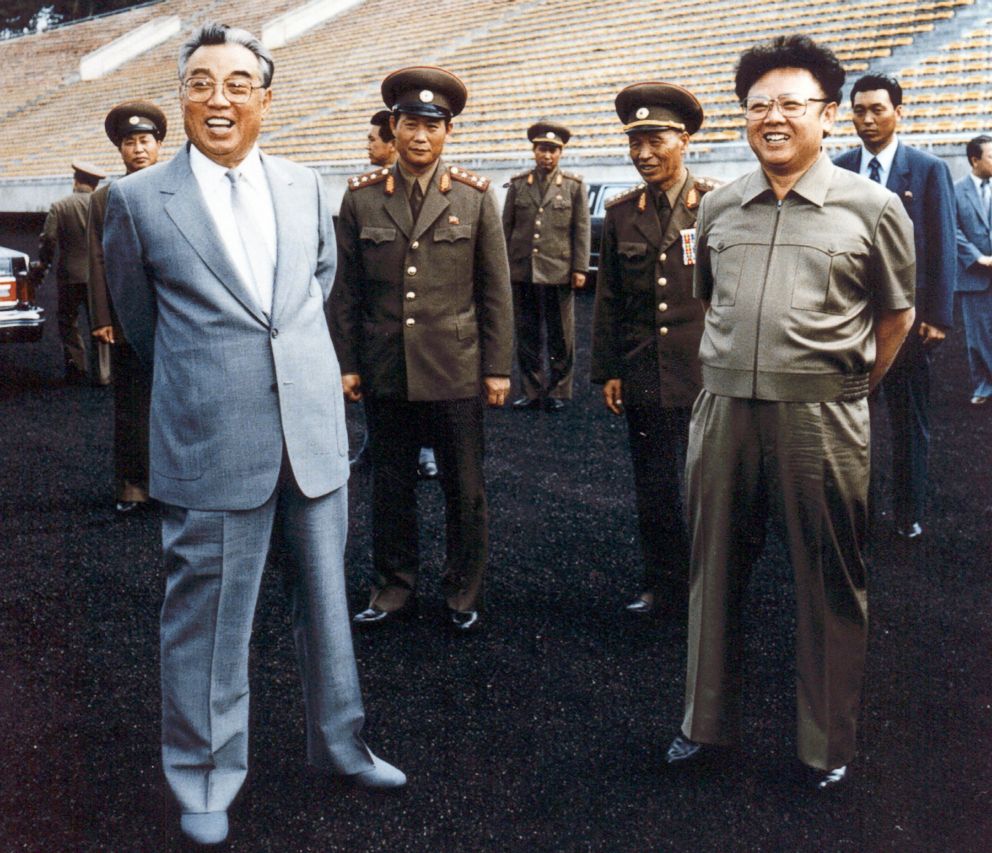
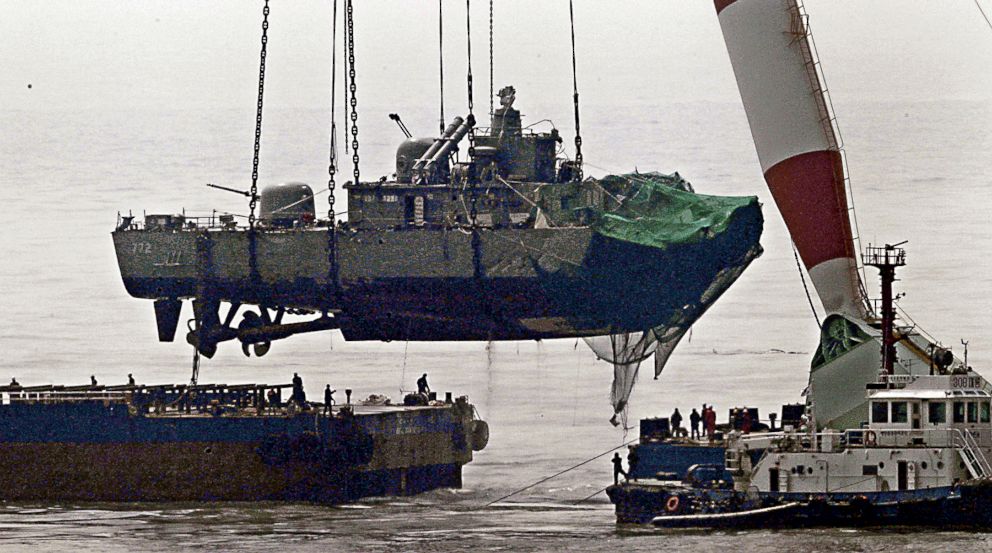
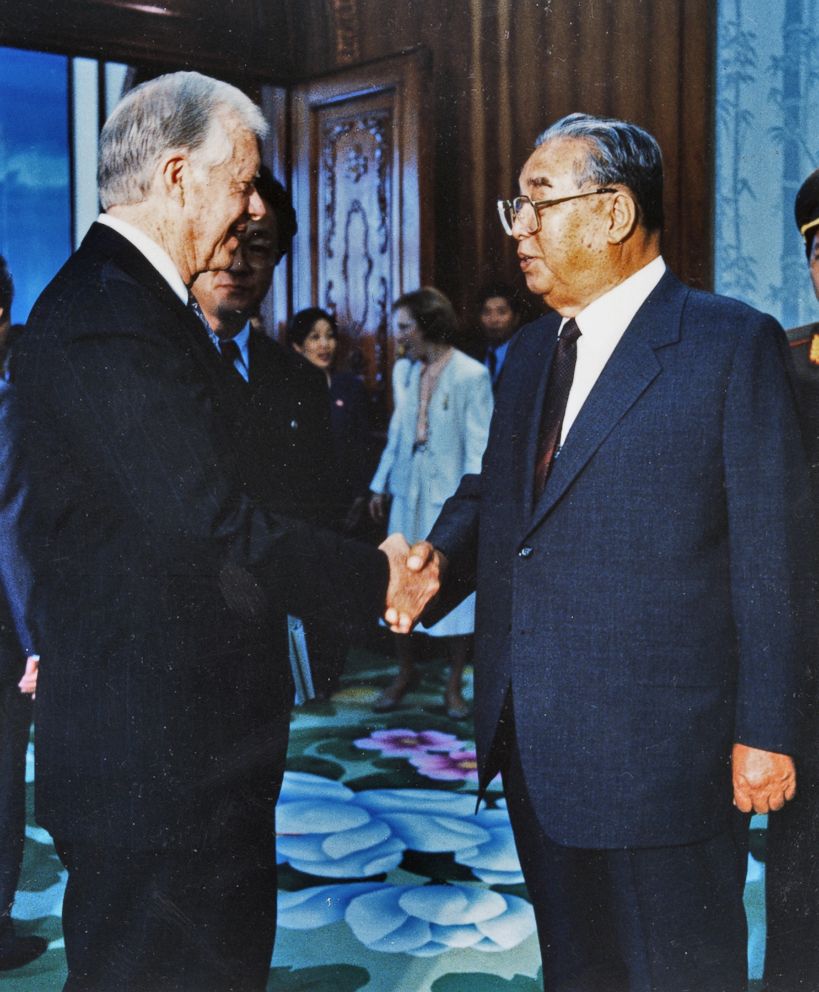
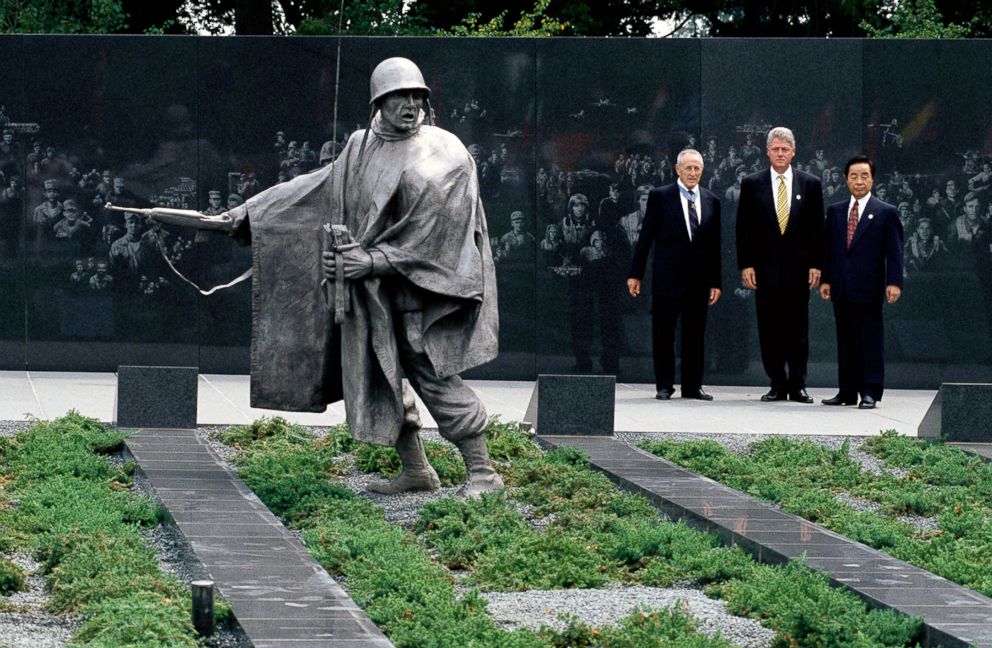
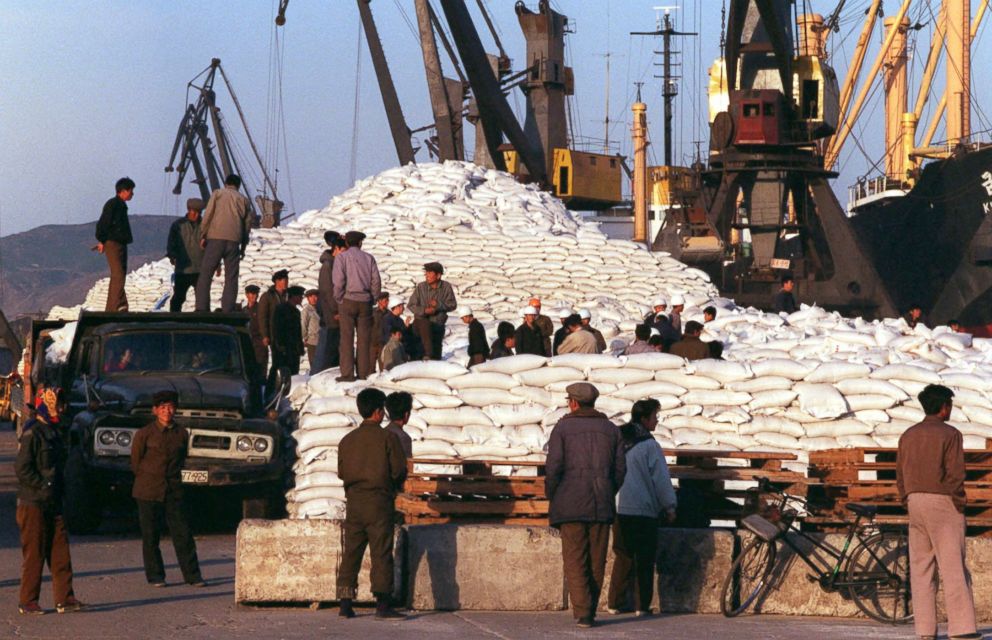
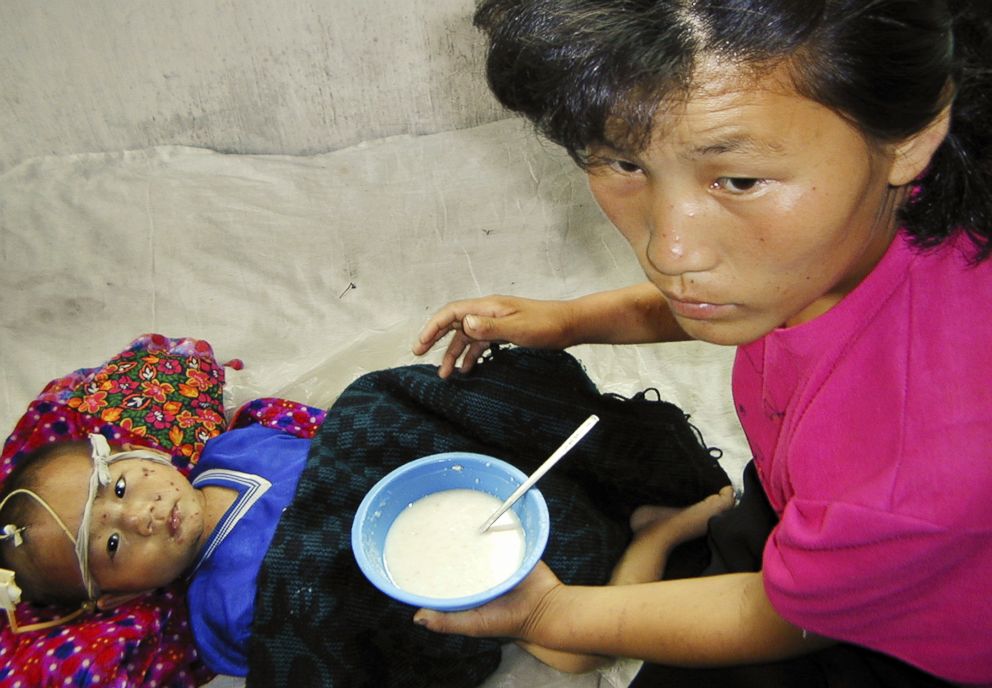
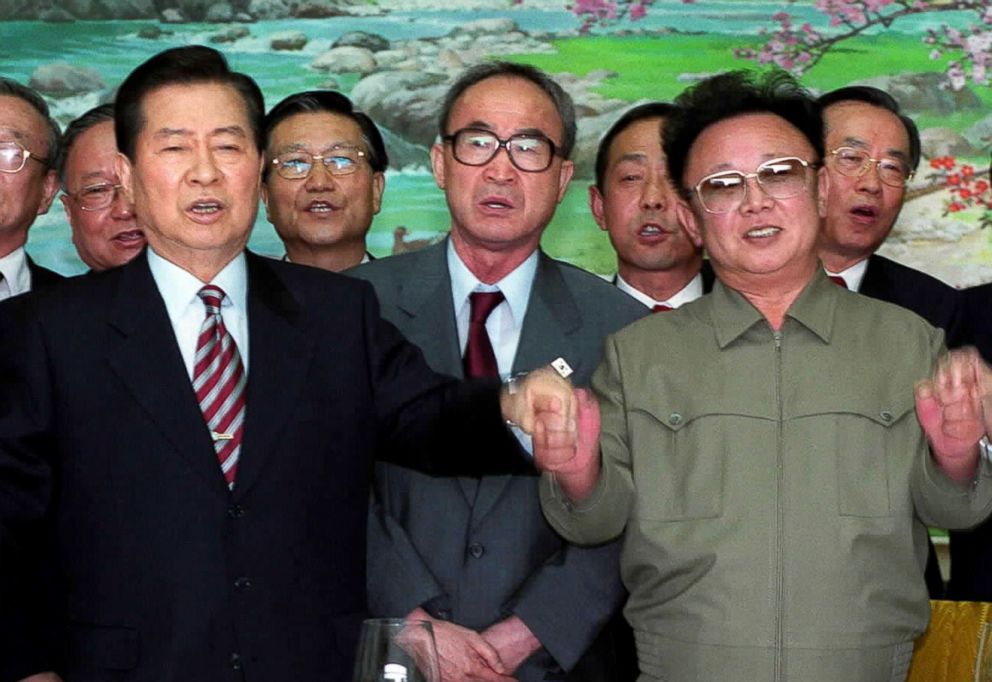
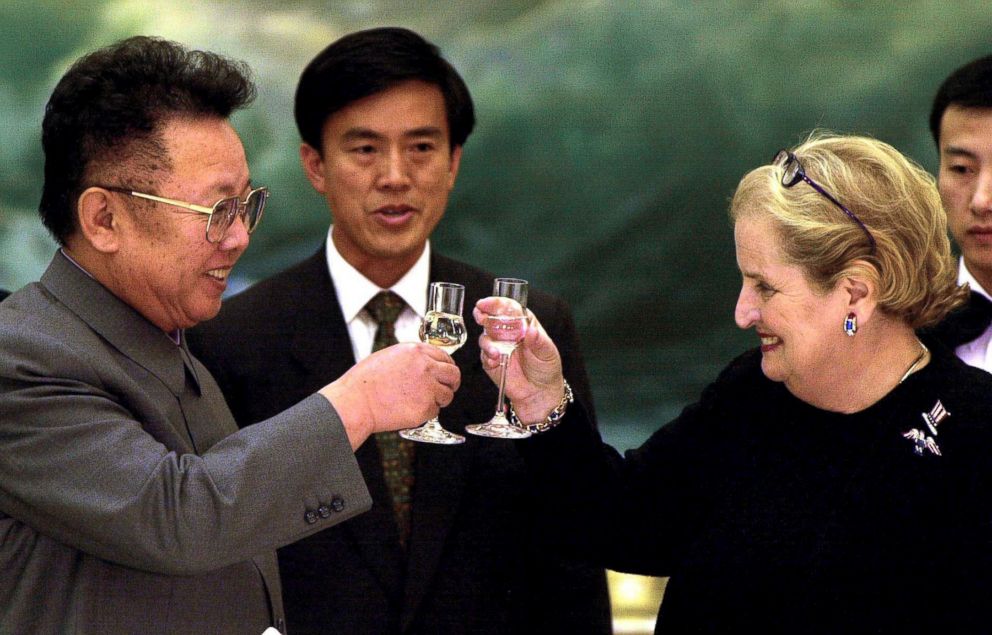
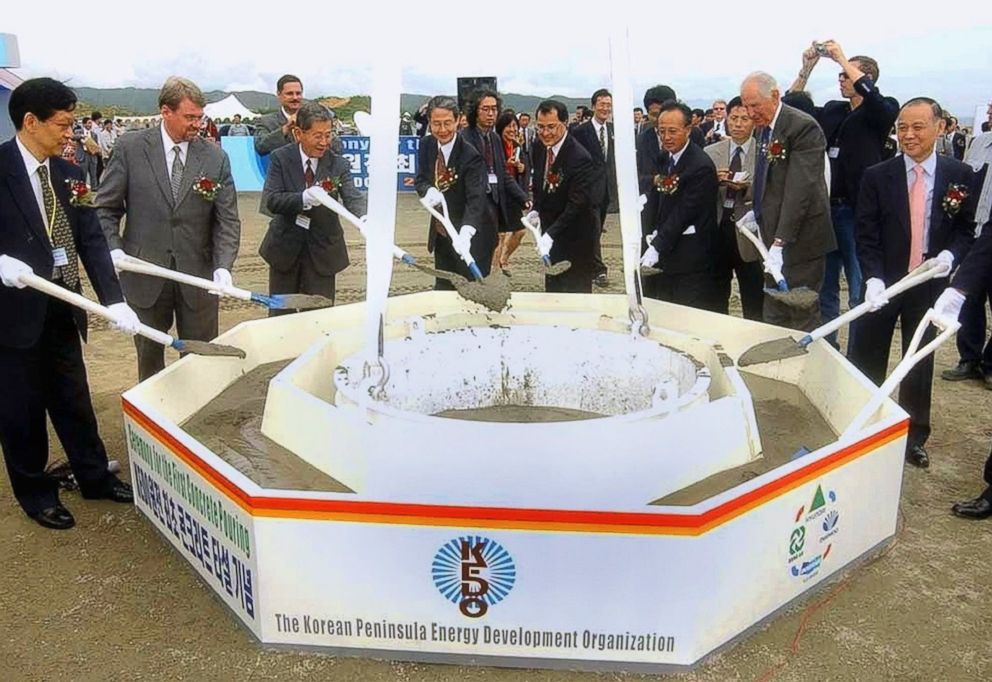
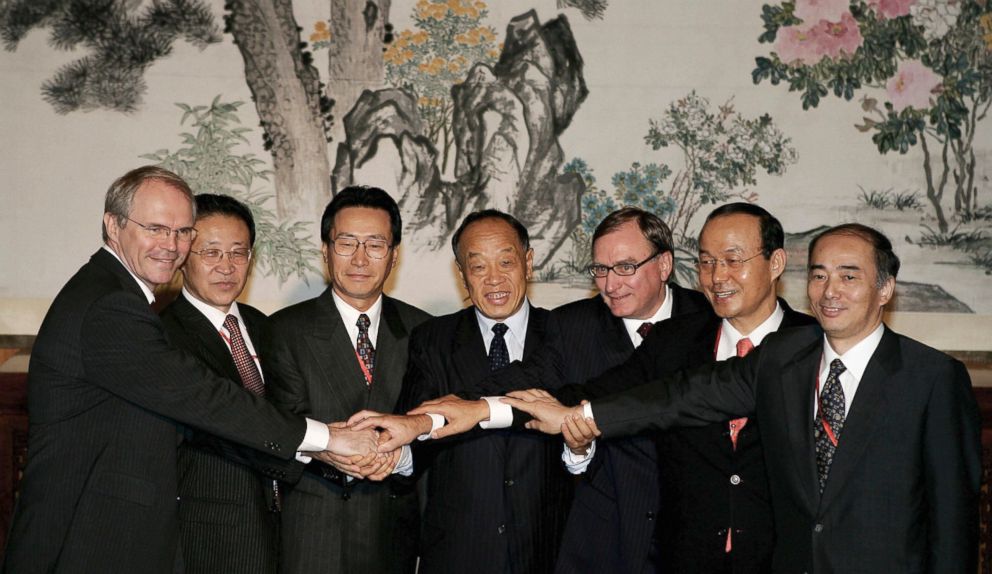
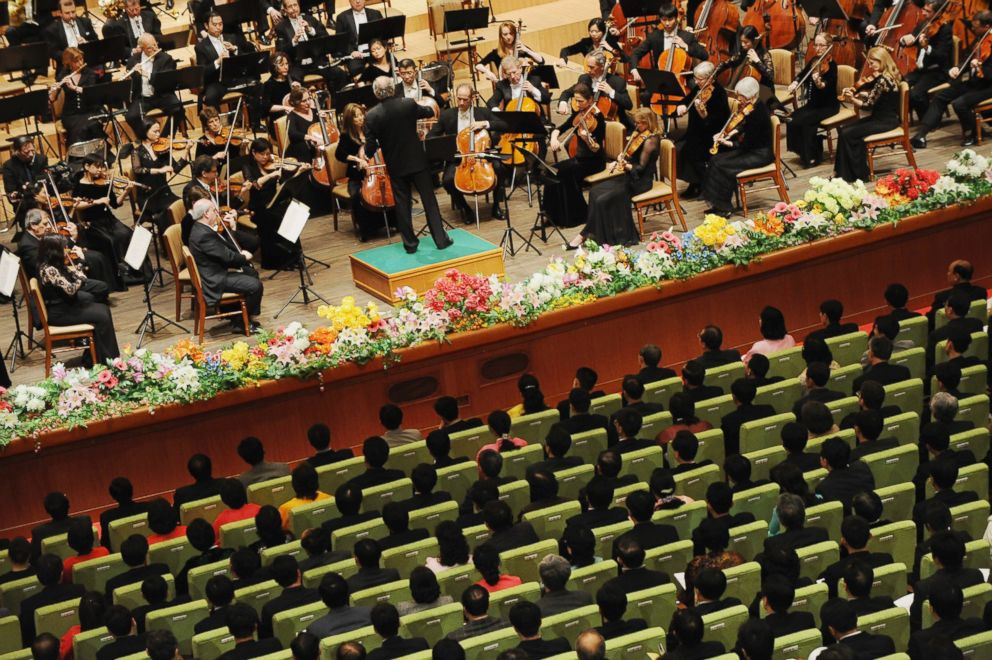
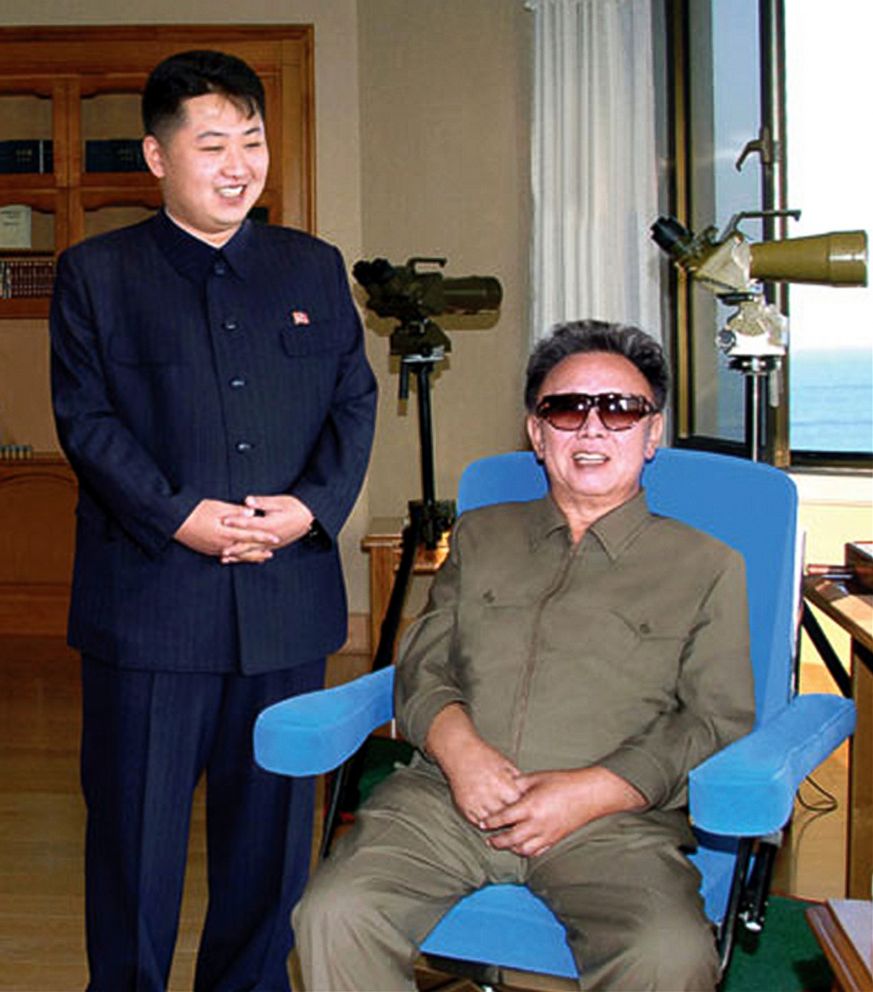
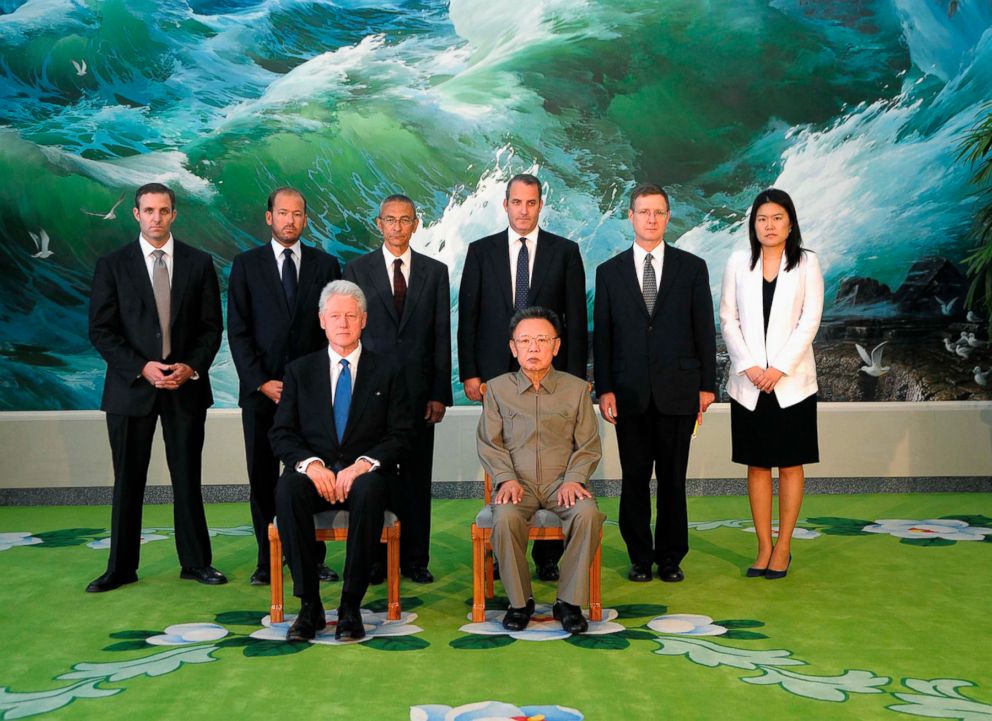
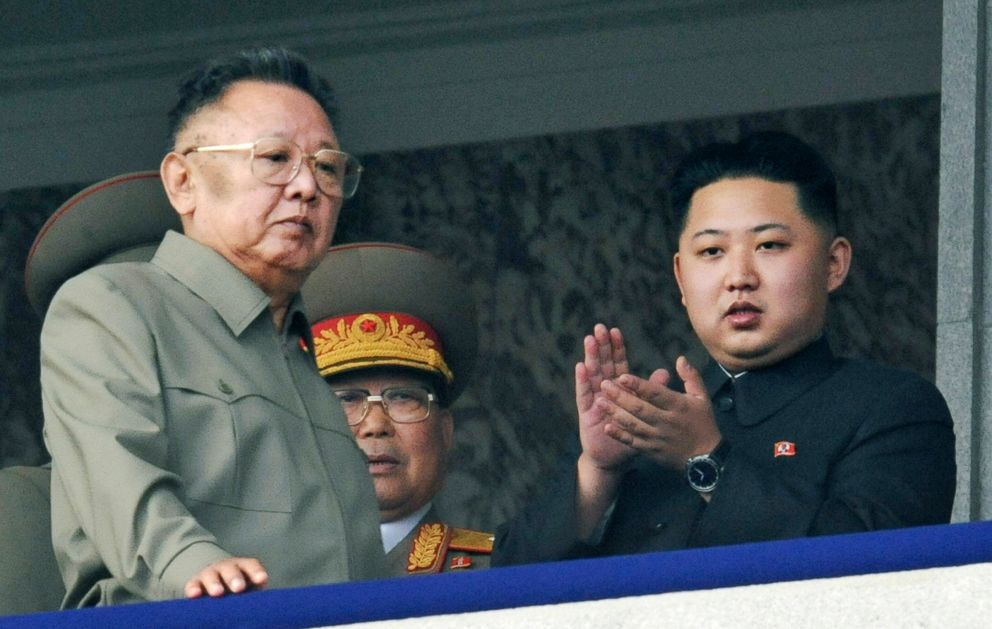
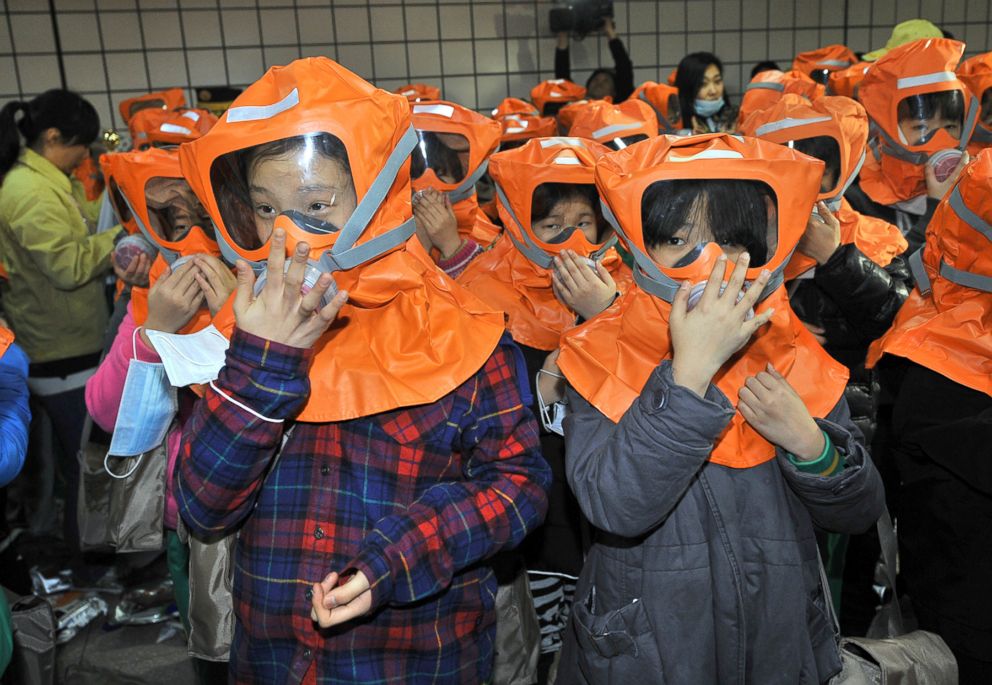
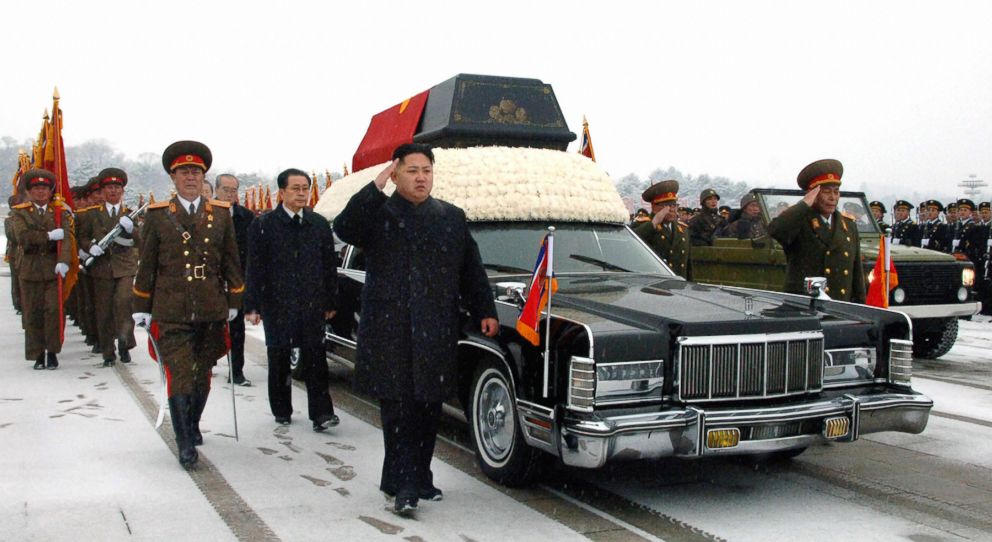
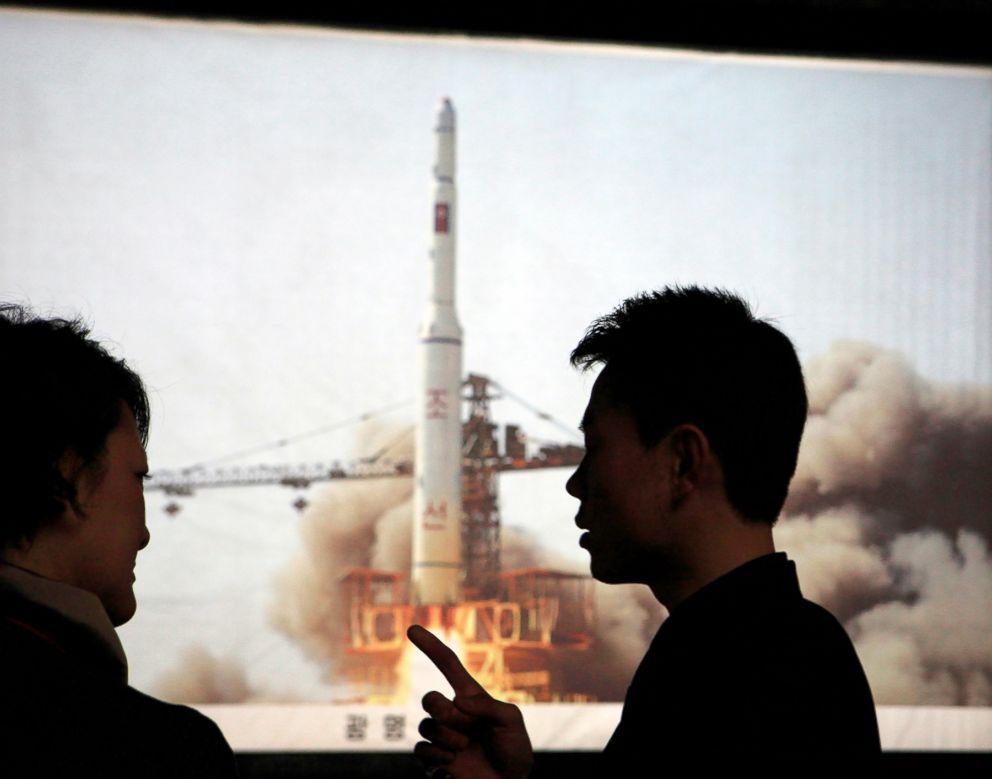
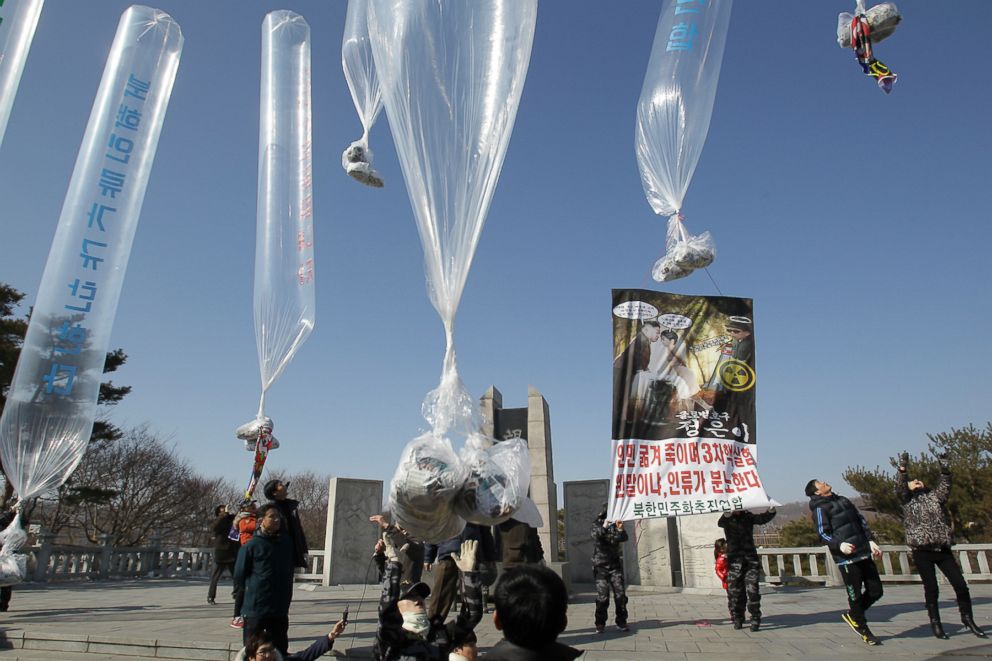
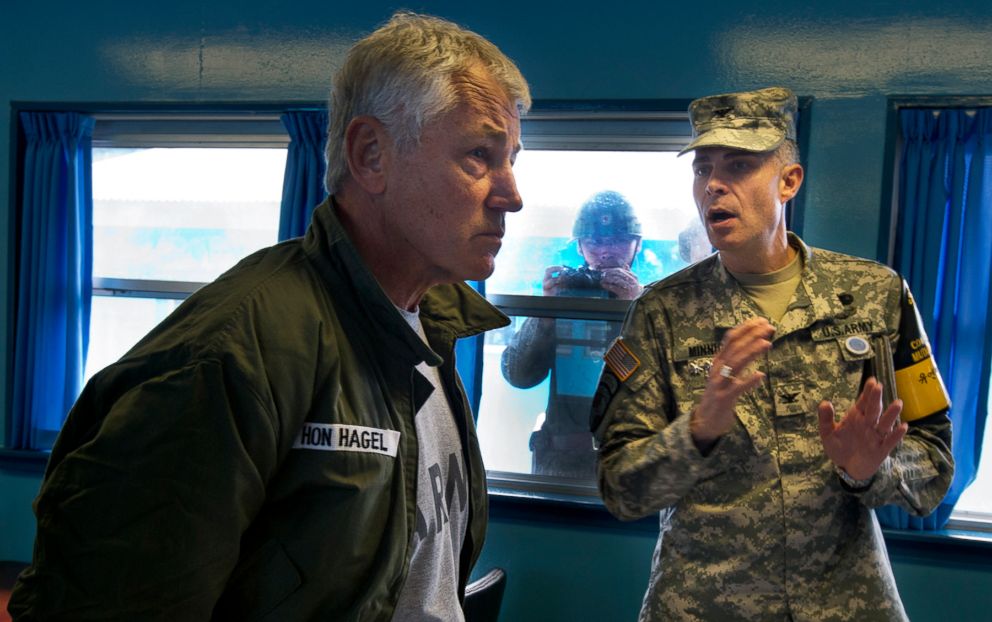
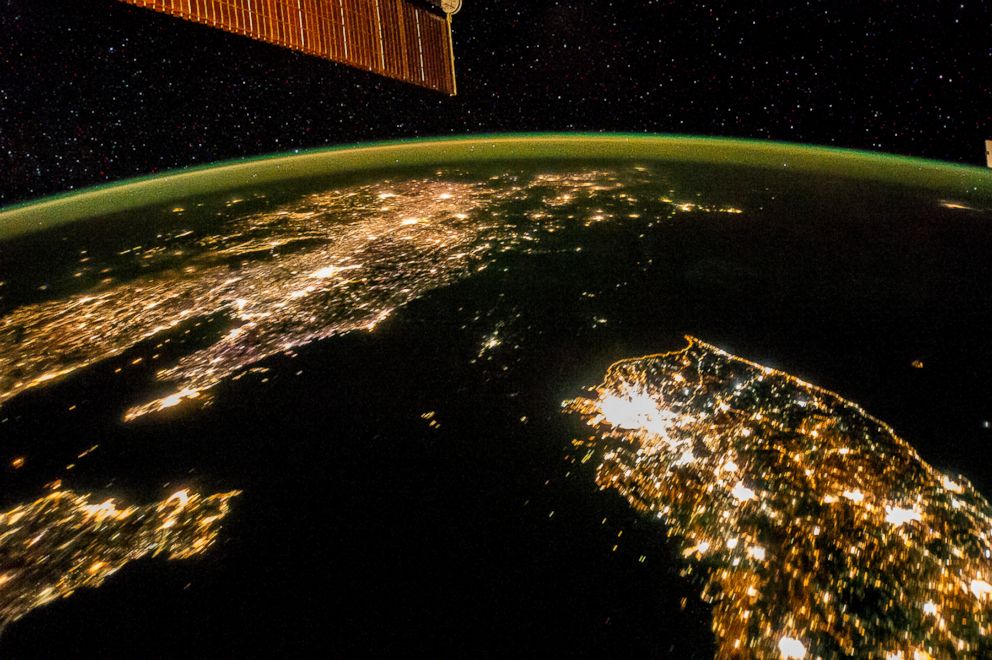
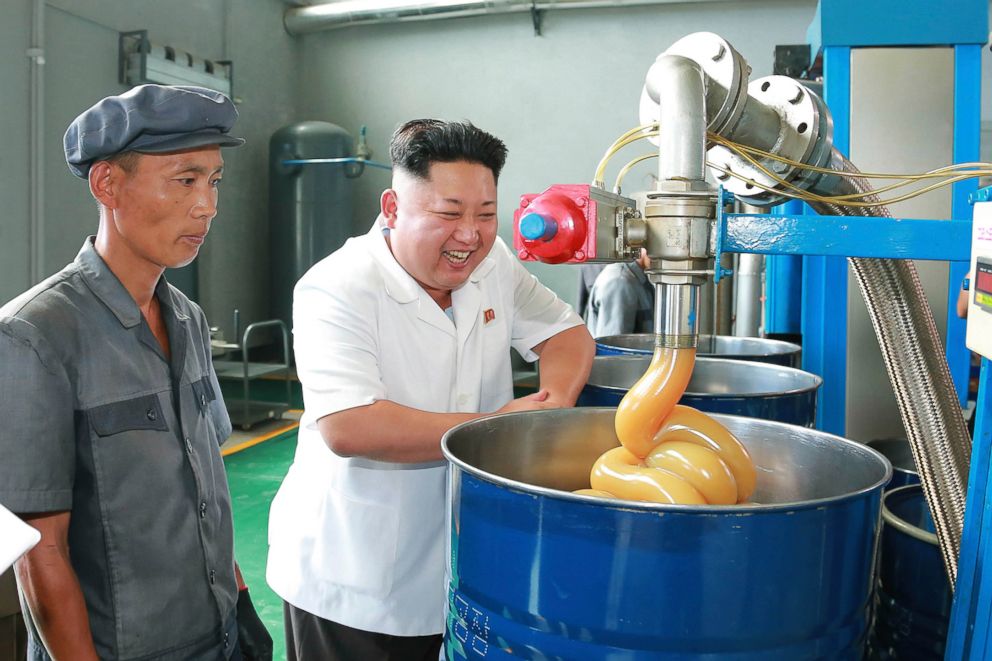
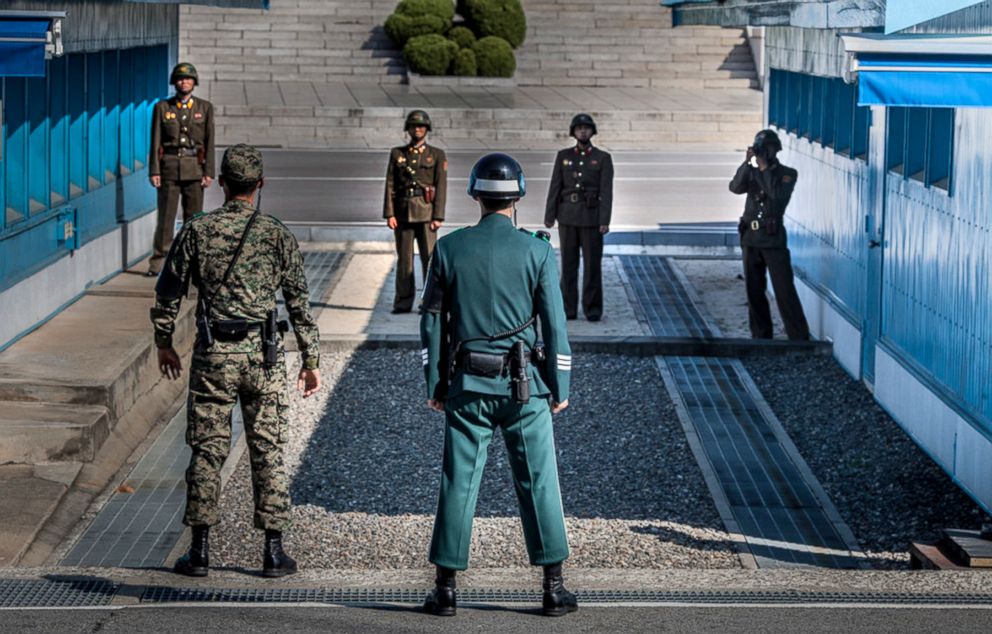
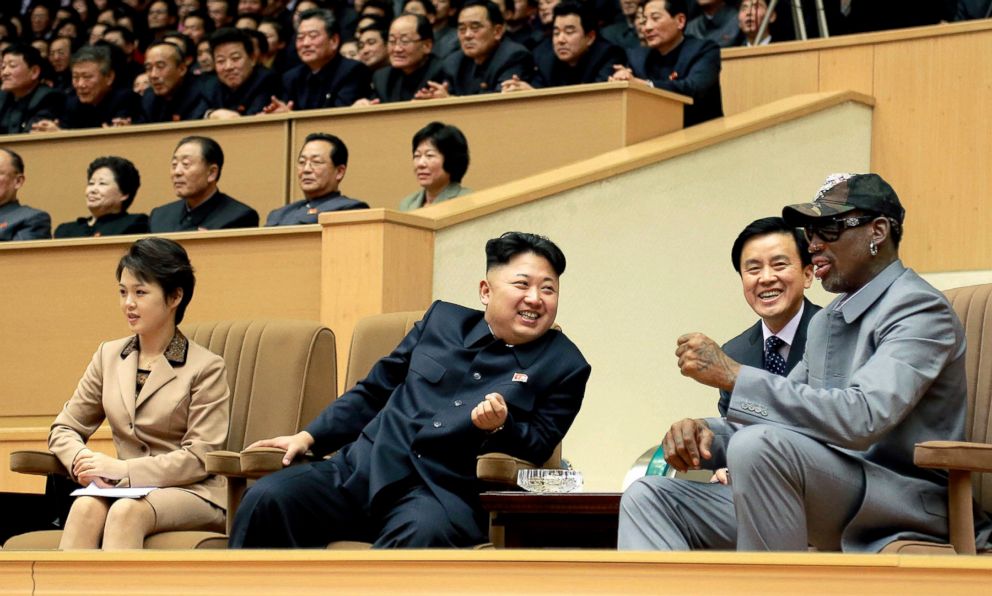
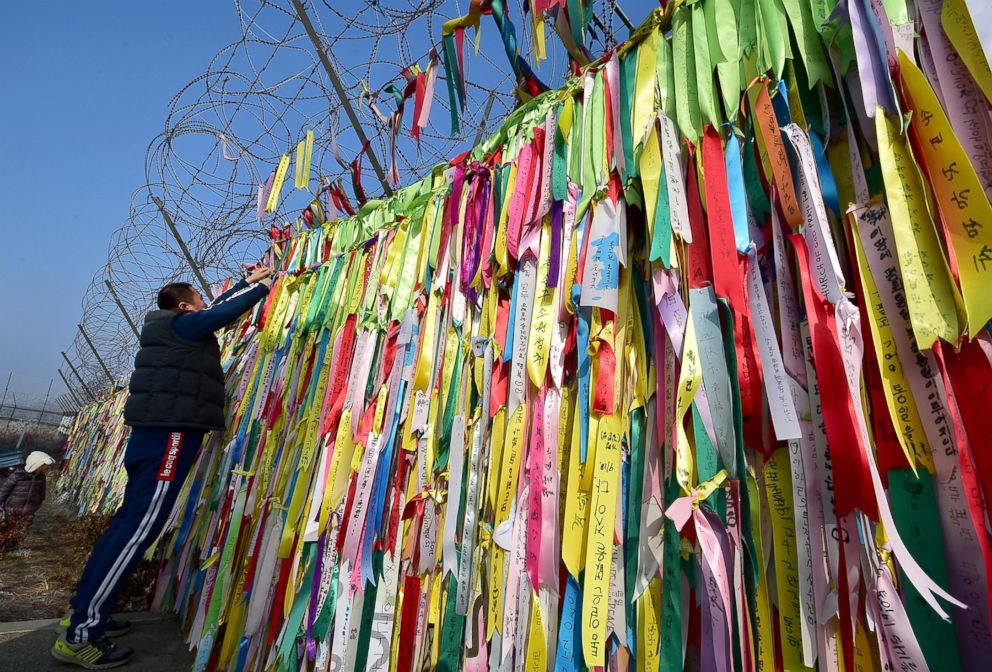
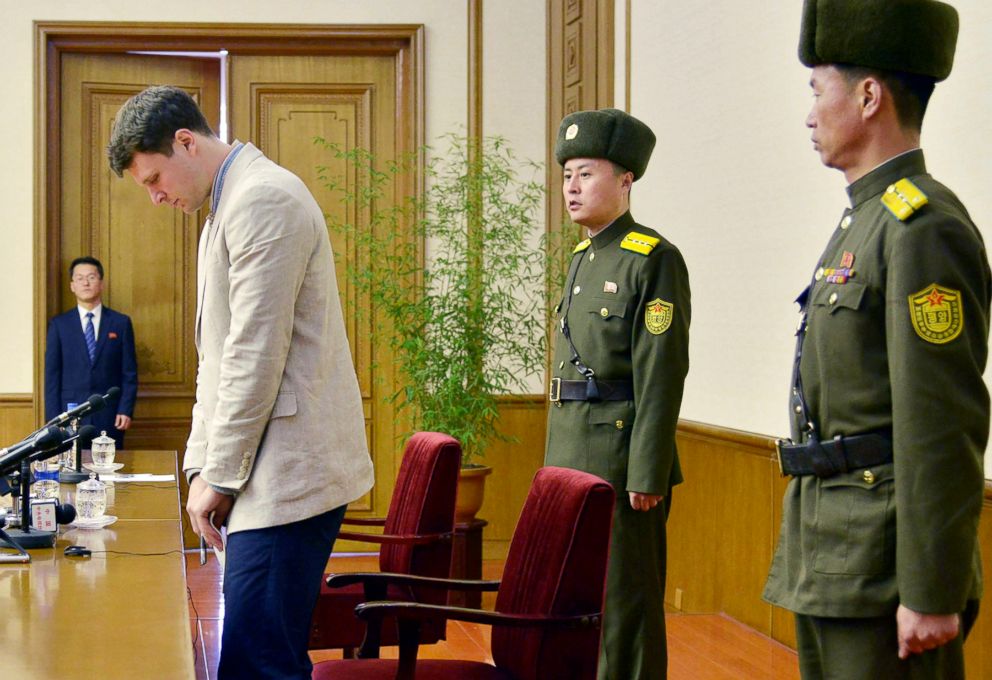
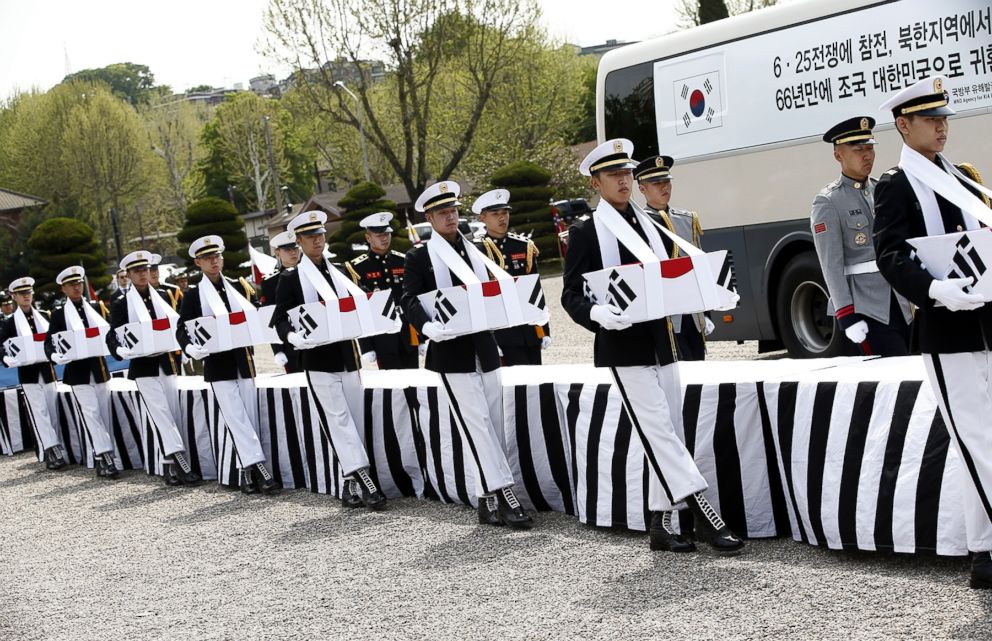
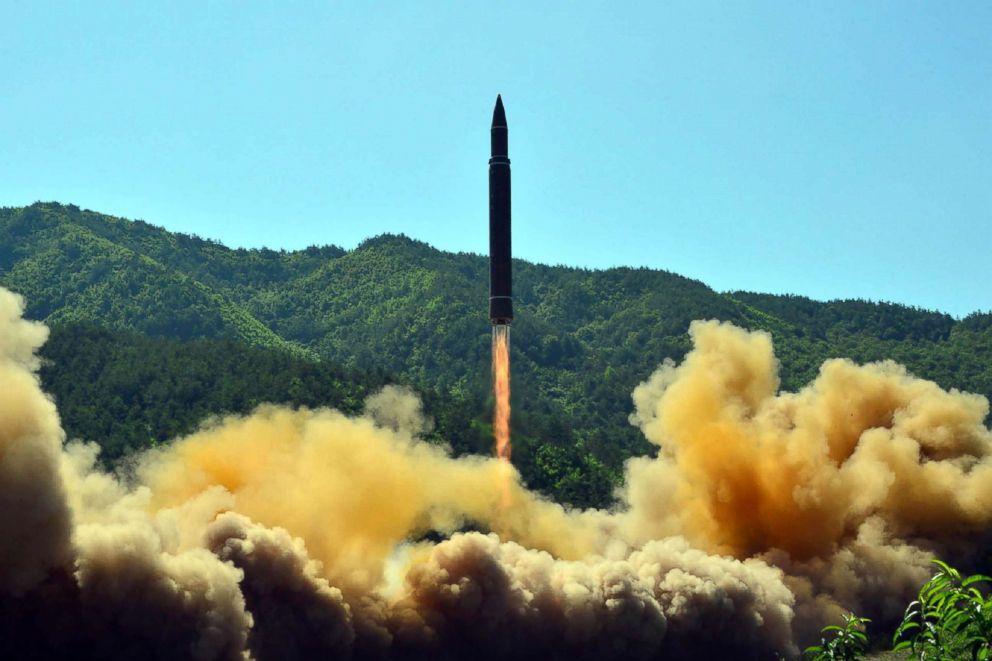
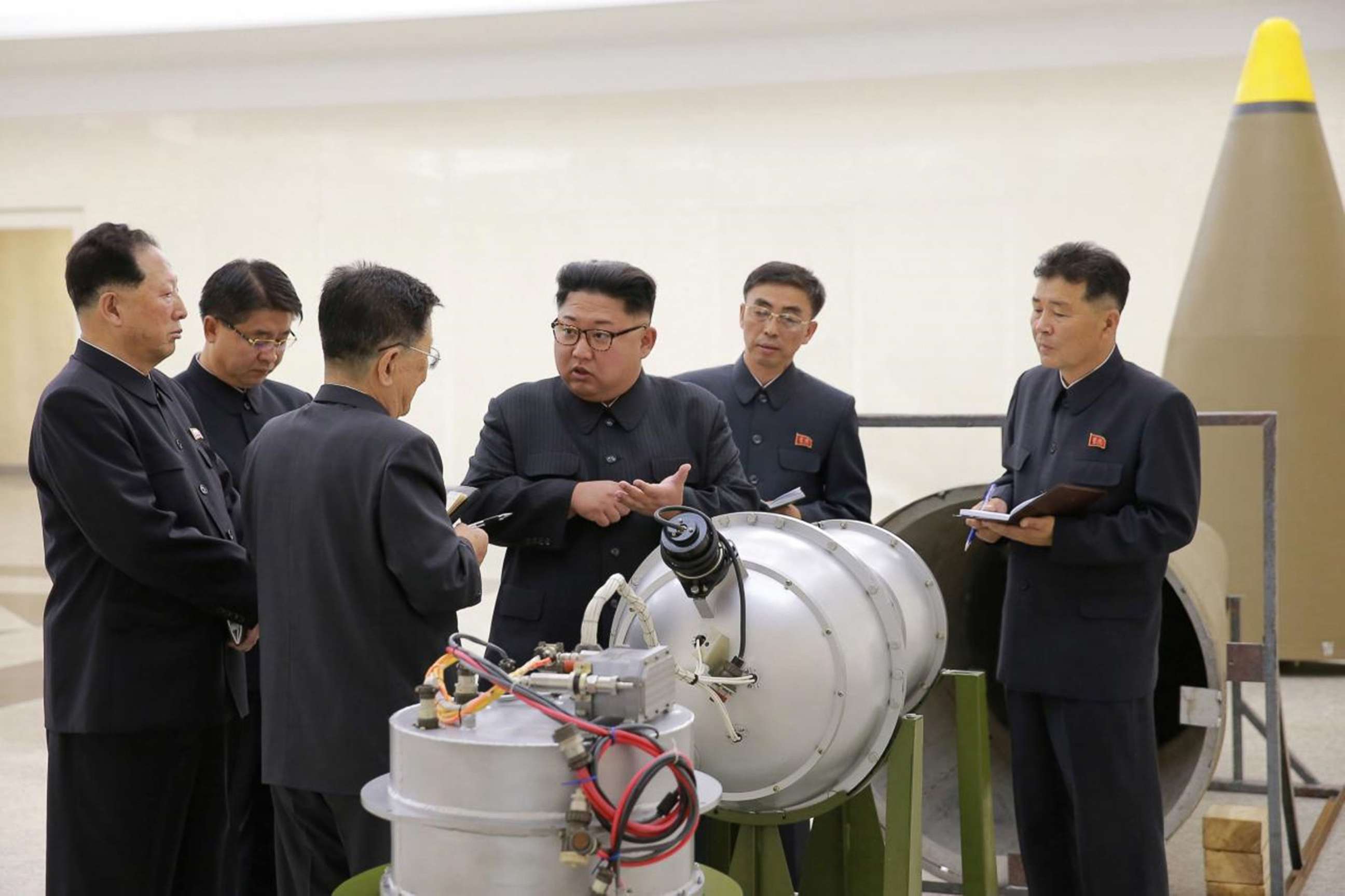
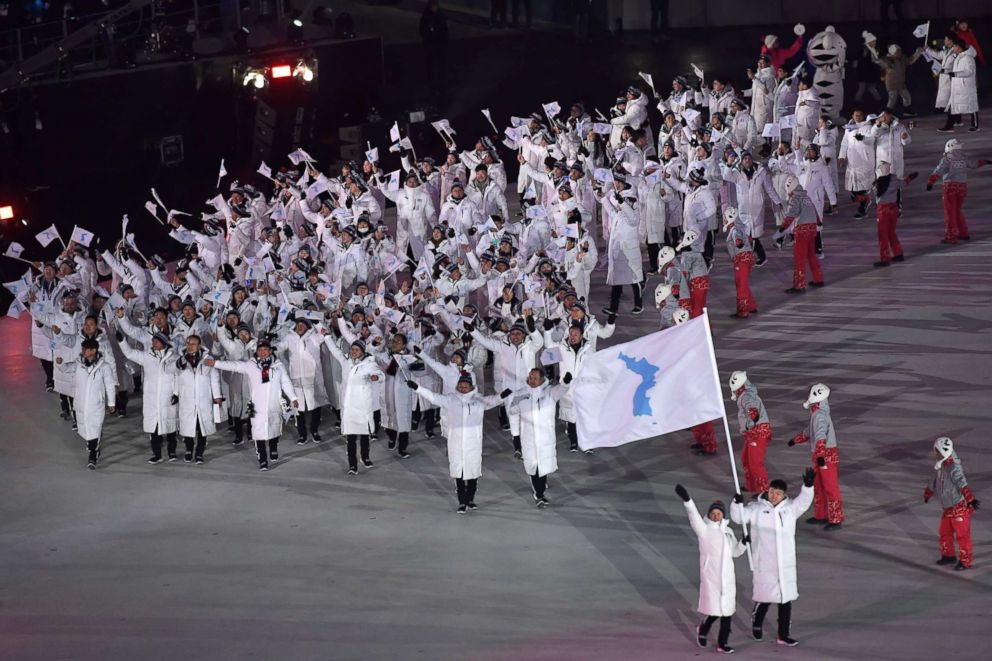
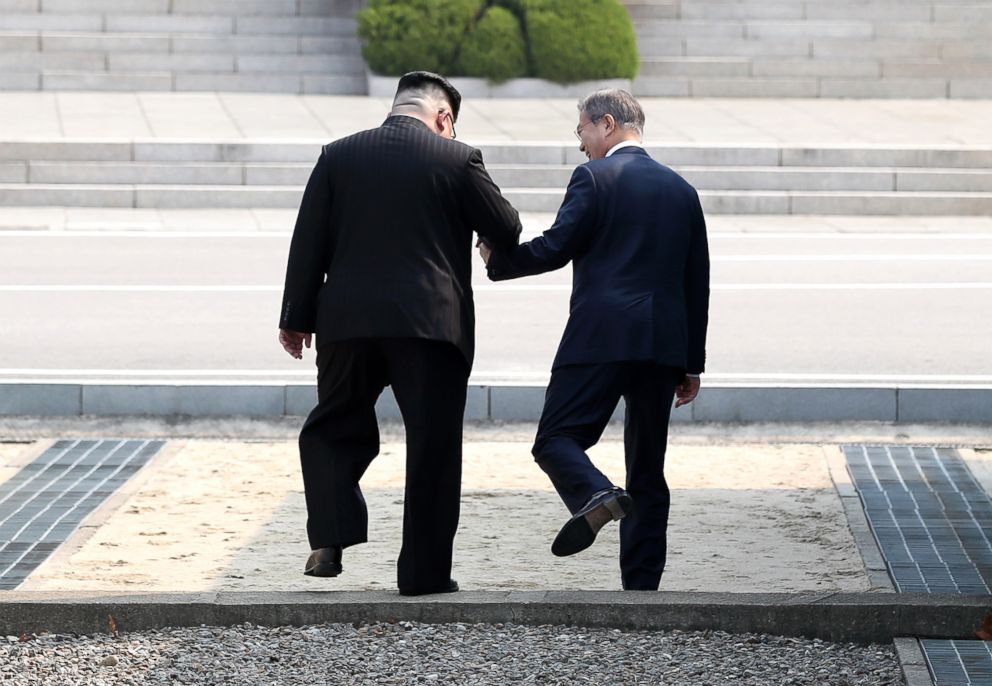
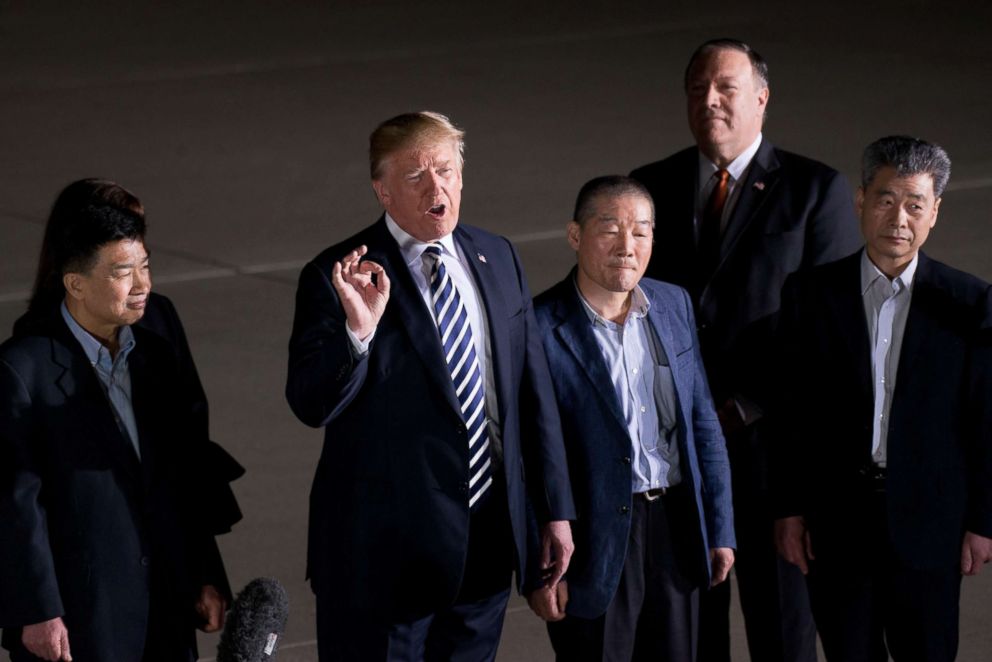
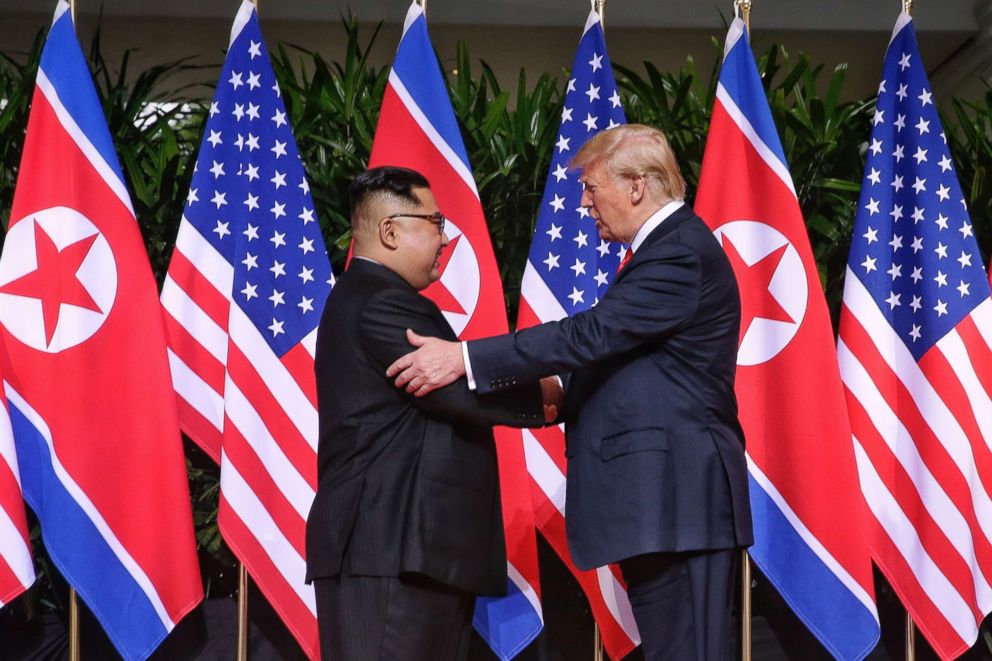
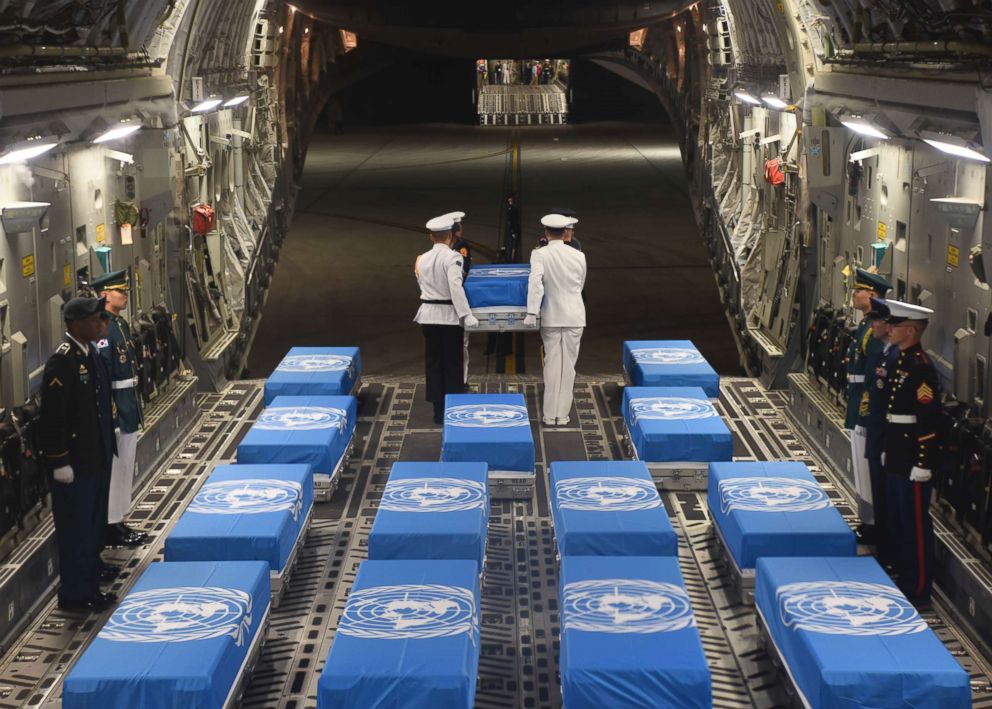
South Korea proposed the two countries march together in the Opening Ceremonies, but that offer has yet to be accepted.
In its opening statement, South Korea mentioned further denuclearization talks between the two countries. In the joint closing statement, the head of North Korea's delegation, Ri Son-gwon, expressed "strong discontent" at the mention of denuclearization.
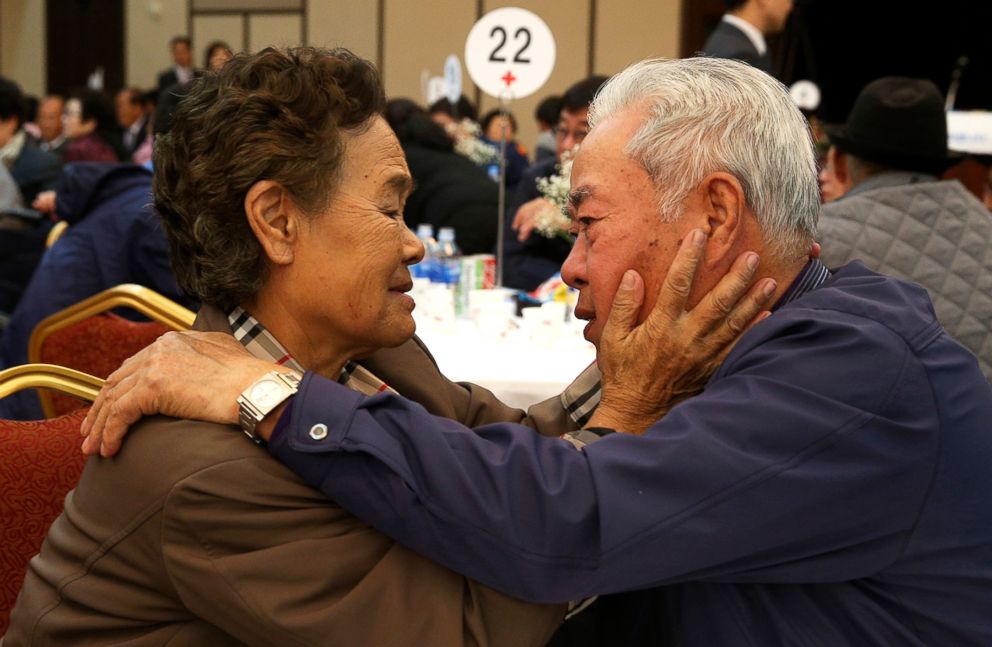
Earlier, South Korea's vice unification minister, Chun Hae-Sung, said the South's negotiating team brought up topics beyond the Olympics, with Opening Ceremonies Feb. 9. "We proposed resuming temporary reunions of families separated by war and holding inter-Korean Red Cross talks to discuss this," Chun said after talks in the morning.
“Along with this, we also proposed holding inter-Korean military talks designed to reduce animosities in frontline areas."
Five representatives from the highest levels of both governments -- including South Korean Unification Minister Cho Myoung-gyon and Ri, North Korea's chairman of the Committee for the Peaceful Reunification of the Country -- kicked off by meeting with a symbolic crossing by the northern delegation into the South-controlled building called House of Peace.
The two top leaders of the delegation were not involved in afternoon talks as the sides ironed out the details of the agreement.
Neither president was in attendance, but the South's leader, President Moon Jae-in, had planned to watch the talks on CCTV live with audio. His counterpart, Kim, could only listen and not watch.
Journalists from both countries reported on the meeting by the minute, and described the mood as "good." At 10 a.m. South Korean time, the officials shook hands and took their seats.
In his opening remarks, Ri made the surprising suggestion to broadcast the talks live to show how they are "efforting to work" on the talks "in a transparent manner."
"We want to give the entire nation a New Year's present with a precious conclusion," he said, referring to both countries.
South Korea's Cho, however, said the talks should be closed, and they would perhaps show them live later if necessary.
The talks had been expected to also cover, among other things, who will bear the costs for the trip and the size of the North Korean delegation.
They were the first inter-Korean talks in 25 months and came just eight days after Kim announced he wanted to send a delegation to the Olympics during his New Year's speech.
The South welcomed the proposal and followed up by reconnecting the direct communication link at the joint security area between the two Koreas.
The reaction was mixed among the South Koreans ABC News interviewed about the talks.
"I think it's good that North and South are actually talking at last," Jiwon Kim, a 26-year-old student, said. "The last two regimes in South Korea did not have a chance to [reconcile] with North Korea. Maybe this will lead to talks about peace or could lead to reunification between the two Koreas. I think the talks signal an important start."
North Korea sent a delegation to the Summer Olympics in 2016 but last sent a team to the Winter Olympics in 2010, skipping the 2014 games in Sochi, Russia.
As proposed for 2018, North Korea and South Korea’s marching together in the Opening Ceremonies is not unheard of. The two countries marched under the Korean Unification Flag during the Summer Olympics in 2000 and 2004, and the Winter Olympics in 2006. The countries competed separately each time.
The talks also came as U.S. President Donald Trump is having a war of words with Kim, recently taunting the North Korean leader by saying his "nuclear button" was "much bigger & more powerful" than his. The two countries have traded insults for months, with South Korea stuck in the middle.
"I am seriously worried about South Korea's future," Seoul resident and businesswoman Eun-Young Kim, 51, told ABC News. "Looking at the North-South talks that have been organized so abruptly after Kim Jong Un's decision, South Korea seems to be in the palm of North Korea's hands."
ABC News’ Hakyung Kate Lee contributed to this report from Seoul.