North Korean staff return to Kaesong inter-Korean liaison office without explanation
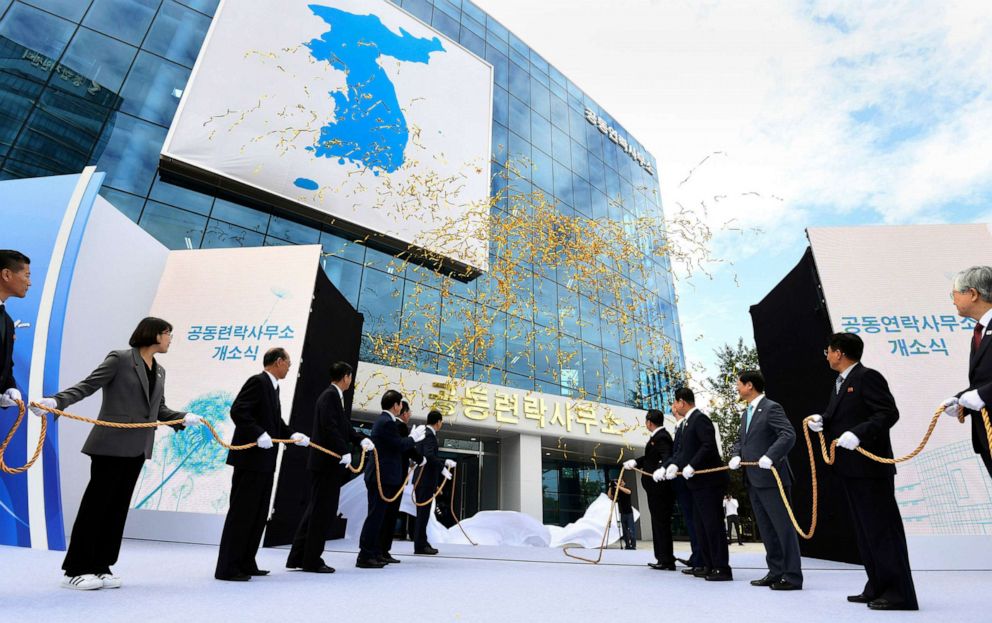
SEOUL, South Korea -- Several North Korean officials returned to the inter-Korean liaison office on Monday, just three days after the entire North Korean staff was withdrawn due to unspecified orders from "superiors."
North Korea's seemingly sudden decision to pull its officials from the Kaesong office alarmed the region, causing speculation that North Korea might be gearing up to heighten tensions after the fallout from last month's Hanoi summit and U.S. officials' reluctance to ease sanctions.
"North Koreans said they came down, as usual, to take their shift," the Unification Ministry told ABC News. "The representatives of liaison officers from either sides held a meeting in the morning and plan to operate [the office] as normal."
The Unification Ministry added that officials from North Korea conveyed a message that there is no change in the role of the liaison office in its commitment to carry out projects in line with North-South joint declarations.
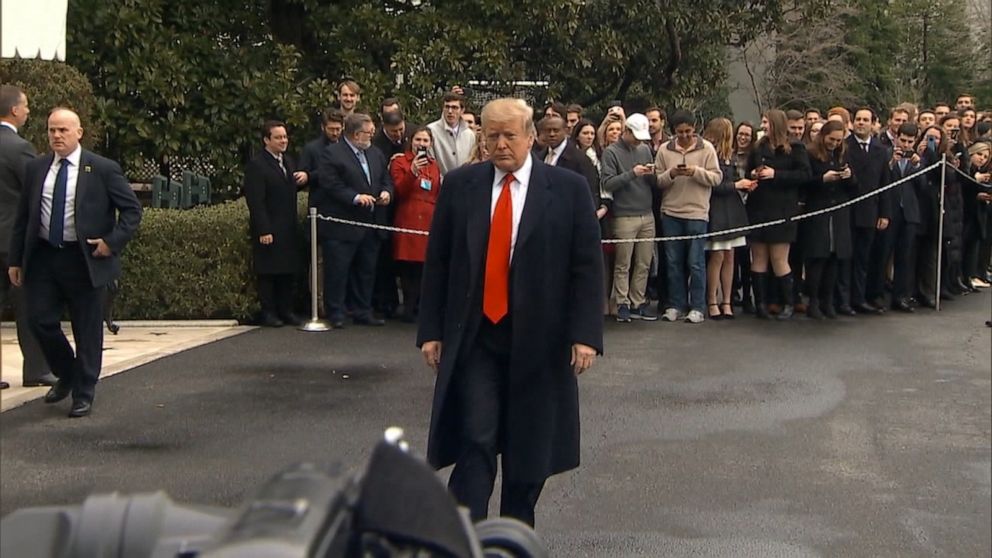
Analysts in South Korea speculate that President Donald Trump’s tweets announcing a cancellation of new sanctions must have worked to bring North Korean personnel back to the liaison office.
"North Korean leadership might have thought that it was not a good time to continuously increase the pressure on both the U.S. and South Korea when the White House announced not to proceed with the decision to add economic sanctions on North Korea," Bong Young-shik, research fellow at Yonsei Institute for North Korean Studies, told ABC News. "North's leadership may have chosen to be in a wait-and-see mode."
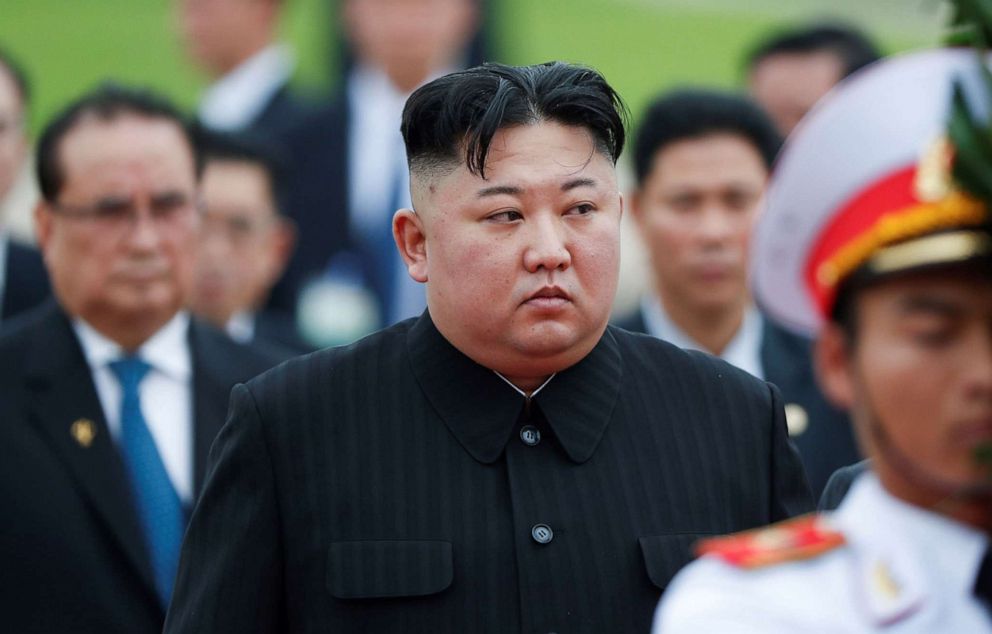
Some saw the withdrawal and return as a tacit statement from Kim Jong Un's and a message that North Korea is aware of public sentiment eyeing their actions.
"It seems North Korea was under pressure of being viewed in a negative light if they closed down the liaison office for good, thereby refusing to maintain dialogue," Kim Yong-hyun, professor of North Korean Studies at Seoul-based Dongguk University, told ABC News. "At the same time, North Korea is also sending a signal that they are willing to communicate with the U.S."
"Through the withdrawal of its staff, North Korea seems to have concluded that they are able to spoil the mood of inter-Korean talks if needed and to call for full-scale economic cooperation," Shin Beom-chul, director of the Center for Security and Unification at the Seoul-based Asan Institute for Policy Studies, said.
Bong also predicted that North Korean leadership is not likely to resume its missile tests or nuclear tests immediately, for that could force the Trump administration to choose maximum pressure on the regime.
"When North Korea crosses the red line, then it will really tighten the choices for the Trump administration even if it favors engagement and dialogue with North Korea," Bong said.
ABC News’ Hansol Park and Sorah Choi contributed to this report.