An Obscure Ohio State Law Could Shake Up the Republican Convention
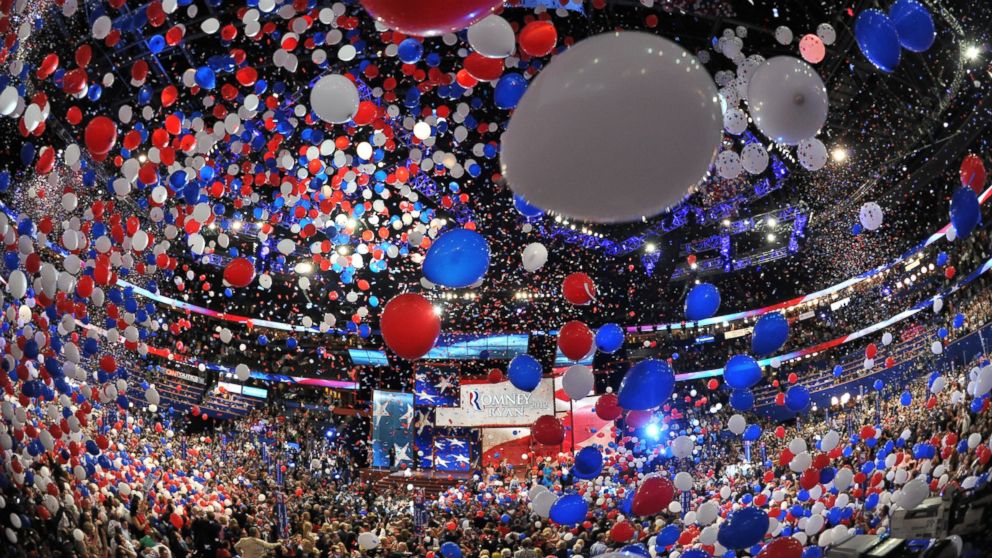
— -- If Republican presidential hopefuls are planning eleventh-hour wooing of delegates on the convention floor in Cleveland this July, they’d better be careful -- they might be breaking the law in the state of Ohio.
When the mayor of a small Cincinnati suburb threatened to have a mayor-appointed magistrate sentence a resident to the maximum jail time unless she and her housemates voted for his 1991 re-election bid, he was convicted under an obscure state law on bribery in elections.
After a northeastern Ohio city judge candidate put a $1-off car wash coupon on the back of his campaign fliers, his opponent took a bribery complaint under the same rule all the way to the state’s highest court in 1982.
And most recently, the Ohio GOP tried to use the law in 2012, filing a unsuccessful complaint with the county elections board when the Obama campaign gave free pizza to college students, according to a Columbus Dispatch article from the time.
But this July, when delegates and candidates descend on Cleveland for the Republican convention, that little-known, rarely-used 142-year-old law passed on the cusp of another national convention in Ohio may come front and center during last-minute deal-making that could decide the Republican nominee.
“It’s one of those laws that’s been threatened but not used a heck of a lot over the years -- but something that very well could be in play,” said Tom Hodson, a visiting judge for the Ohio Supreme Court and a professor at Ohio University. “I think it would be prudent for people to understand that this law exists and how it’s been interpreted so far in Ohio and act accordingly.”
The Republican National Committee rulebook is silent on restrictions on horse-trading between campaigns and the roughly 130 delegates who are free to vote however they choose on the first ballot of the GOP convention. The RNC instead points to Federal Election Commission guidelines on campaign expenditures as the main relevant authority. Experts say it’s likely candidates are legally allowed to pay for delegate expenses during the convention.
But Ohio's revised code section 3599.01 offers a unexpectedly pointed and specific rebuke, saying people who “give, lend, offer, or procure ... money, office, position, place or employment, influence, or any other valuable consideration” to delegates at a party convention are guilty of bribery, a fourth-degree felony. It also bans “intimidation” and “coercion” of delegates to party conventions.
“It’s entirely imaginable that these kind of controversies will emerge if Donald Trump goes into Cleveland without 1,237,” said Dan Tokaji, an expert in election law at the Moritz College of Law at Ohio State University, referring the number of delegates needed to clinch the nomination. “There’s going to be a furious jockeying for these delegates.”
An ABC News analysis of historical records from the Supreme Court of Ohio Law Library shows that Ohio lawmakers added this specific language for conventions and delegates for moments just like the upcoming convention in Cleveland.
Lawmakers passed the original law on bribery in state elections in 1871, but added language to “protect the elections of voluntary political associations” three years later, on the cusp of the contentious 1876 Republican convention in Cincinnati, which took seven ballots to crown a nominee.
“Purchases of votes for money have been openly made in the hall where conventions were held,” says an 1874 Cincinnati Enquirer story decrying people “who become delegates for no purpose in the world but to sell their votes to the highest bidder” at local conventions.
“The Ohio state statute is a regulation set forth by the state of Ohio,” said RNC spokesperson Lindsay Walters. “It is up to the individual delegates and campaigns to ensure that they are in compliance with any applicable federal regulations.”
The law ultimately adds that a candidate would need to forfeit the nomination if they are found guilty of bribery. “I think it is something that could be accomplished with respect to state and local options,” Tokaji said. “I doubt it would be enforceable with respect to a president.”
Still, more questions than answers remain about how the law would be interpreted. “Could one use it against another campaigns?” wondered Hodson. “If you thought an opponent was violating this statute, would you then run to the county prosecutor or state attorney general and ask that criminal charges be brought?”
Tokaji raised questions about how the law’s broad language would ultimately be applied. “It’s not the most clearly written law,” he said. “Let’s say your dad is a delegate: you couldn’t give him a birthday present.”