Oil tanker seizure ratchets up pressure on Maduro: Analysis
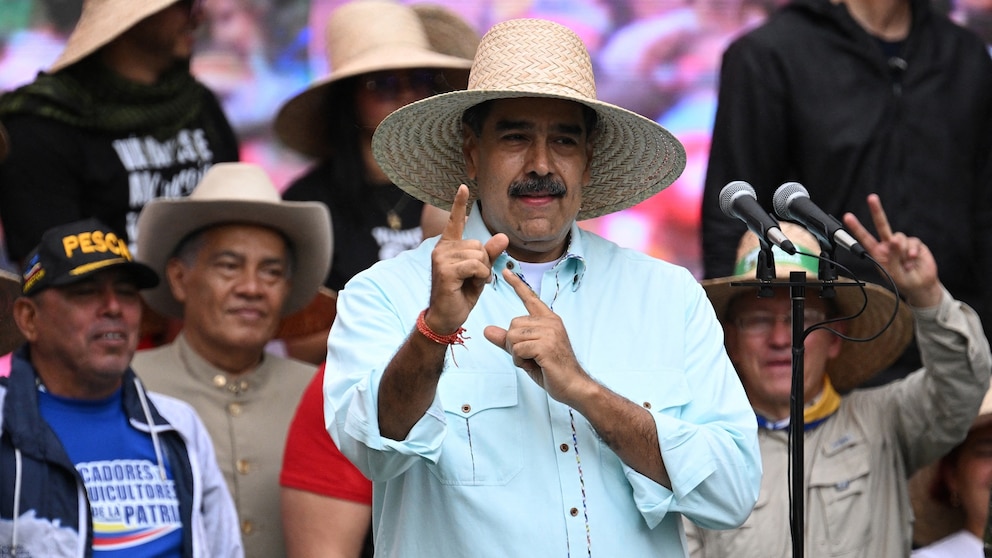
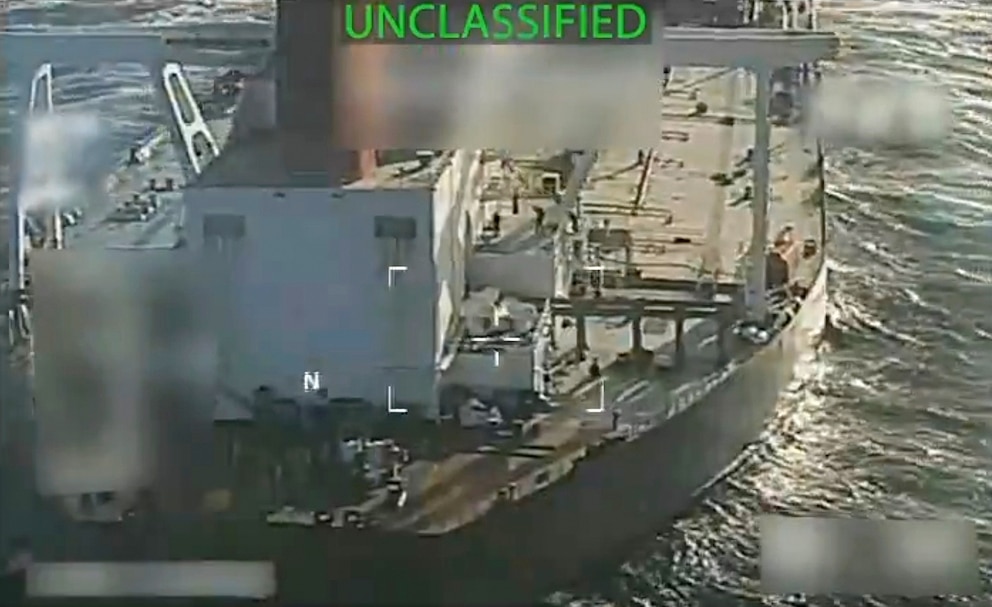
The U.S. Coast Guard's seizure of a sanctioned oil tanker near the coast of Venezuela dealt a blow to Venezuelan President Nicolas Maduro -- an act that could have major economic implications, as President Donald Trump said publicly the strongman won't last in power much longer.
White House Press Secretary Karoline Leavitt would not characterize the seizure as an escalation at a briefing on Wednesday.
"The president considers the seizure of the oil tanker as effectuating the administration's sanction policies," Leavitt told reporters.
The law enforcement action, which was supported by U.S. Navy helicopters that dropped Coast Guard tactical operators aboard the vessel, ramped up Trump's pressure campaign on Maduro into a new territory, targeting the government's primary revenue source.
"This isn't really a narco-state -- it's a petrostate," Phil Gunson, a senior analyst at the International Crisis Group who is based in Caracas, told ABC News.
The lucrative state business -- generating billions for the regime's coffers -- represents a "real economic lever" for the U.S. by way of sanctions enforcement, Gunson said. "In a way, it's surprising that they haven't done it before, given that they have this huge fleet out there."
Leavitt wouldn't preview future actions, but said sanctions enforcement would continue.
"We're not going to stand by and watch sanctioned vessels sail the seas with black market oil," she said.
U.S. officials have told ABC News that more seizures of oil tankers are expected in the coming weeks.
While Venezuela is not among the world's largest oil producers as it once was, it's believed to have the largest oil reserves in the globe.
"If the US is going to start cutting off that lifeline. ... that's going to be very difficult for Maduro to manage," Gunson said.
"Who's going to want to send tankers in or buy cargo to load on them if they're going to be seized? That's not a profitable business, clearly," he said.
Trump has indicated the U.S. would continue similar sanctions enforcement operations, consistent with his blustery rhetoric about Maduro, who has held on to power in Venezuela despite losing an election to Edmundo Gonzalez in 2024.
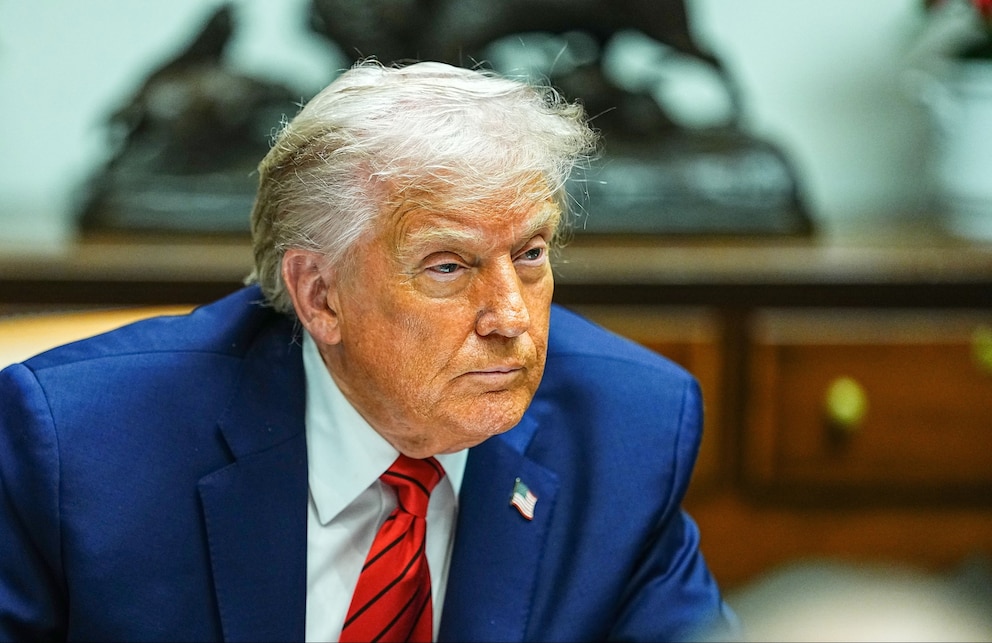
Trump has repeatedly called Maduro's days in power "numbered."
The opposition leader to Maduro, Maria Corina Machado, who has been in hiding in Venezuela, fled the country this week and arrived to roaring crowds in Oslo, where she accepted the Nobel Peace Prize, which she had dedicated to Trump.
Some experts told ABC News that Trump's ambiguous intentions in his Venezuela policy -- in which he's expressed a desire to see Maduro leave power but not stated it as the administration's objective -- reflect his reluctance to deploy U.S. ground troops.
Those experts also said a day-after scenario in Venezuela -- with an ailing economy and corrupted institutions -- would require external support from the U.S., or even boots on the ground, a possible source of hesitation for the president to engage militarily.
The fact that the vessel is sanctioned "matters less than the message being sent" by its seizure, said Henry Ziemer, an associate fellow at the Center for Strategic and International Studies, who said the economic pressure could have security implications for the regime.
"The debate over what to do exactly in Venezuela seems to still be raging within the White House," Ziemer told ABC News. "But seizing or turning away sanctioned oil tankers that help Maduro sustain his security apparatus is another important use of the increased U.S. force posture in the region."
The U.S. has amassed 15,000 troops in the Caribbean in its show of force, according to defense officials.
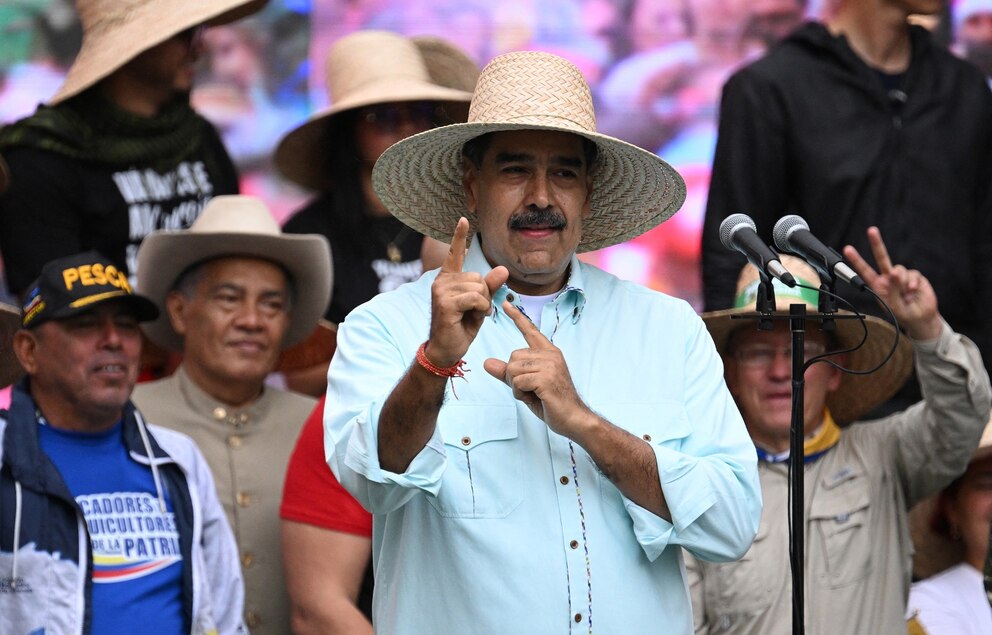
Gunson assesses that the tanker seizure is not a harbinger of war, but instead a doubling down of the pressure campaign.
"I continue to think Trump doesn't want to start a war and is looking for ways to keep up the pressure without starting a war," he said. "He still wants Maduro to believe that his time is up, but he doesn't even want to bomb things."
"Any impartial analysis of what they get up to suggests that they really want to get rid of Maduro, but they don't want to do it themselves," Gunson added.
Some experts said it was unlikely Maduro would leave on his own accord or negotiate his exit.
"From my perspective, Maduro has never engaged in meaningful dialogue that could potentially result in him losing power to the point of being shown the door," former Ambassador James Story, who was the top U.S. envoy to Venezuela between 2018 and 2023, told ABC News.
"I would highly doubt that Maduro would make an offer that is in line with what I believe the policy of the administration is, which is to get him out of the country," he said.
The perception in Caracas, Gunson said, is that Trump won't authorize an invasion of the country.
"The basic reading from the Maduro government of what's going on is Trump doesn't want to go to war. ... [So] of course, they have felt fairly free to be defiant," he said.
The "danger" is that Maduro could be emboldened by continued U.S. escalations, Gunson said.
"How can the [U.S.] retreat without giving him a like a Bay of Pigs moment where [Maduro] says, you know, 'I faced down the empire?'"