Federal appeals court hears arguments over Rumeysa Ozturk, Mohsen Mahdawi arrests by ICE

A federal appeals court in New York heard arguments Tuesday in cases involving two graduate students who claim they were unlawfully detained earlier this year by Immigration and Customs Enforcement as part of the Trump administration’s crackdown on pro-Palestinian campus activism.
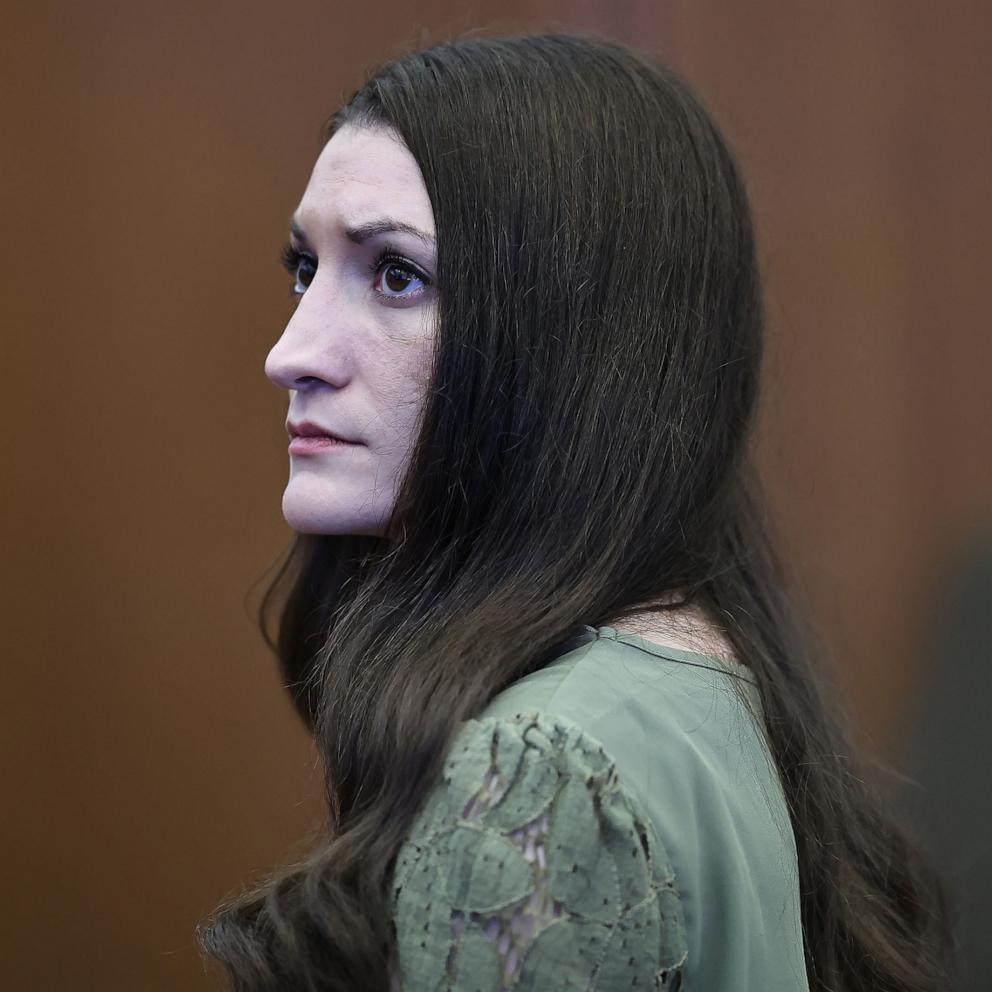
The detention in March of Tufts doctoral candidate Rumeysa Öztürk was captured on a video that depicted a man in a hoodie stopping her on a street in Somerville, Massachusetts. Men and women in masks approached her and she was heard screaming as she was taken into custody.
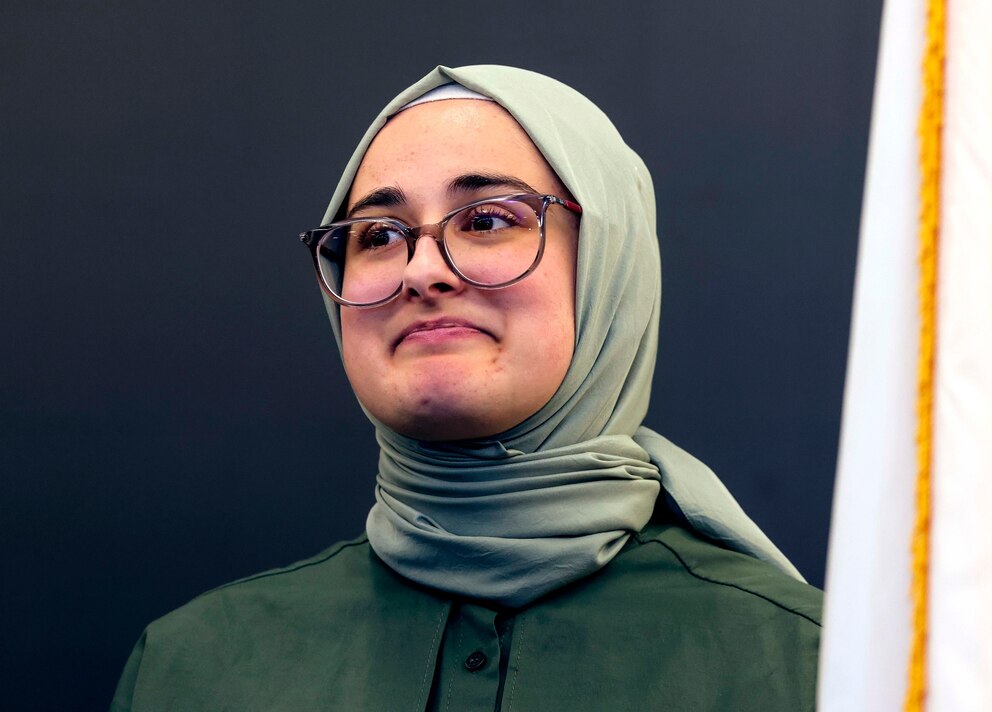
Her attorneys said Öztürk, a Turkish national, spent six weeks in detention for writing an op-ed in her student newspaper the year before that criticized the university’s rejection of student government resolutions concerning Israel’s military campaign in Gaza. They called it "a shocking violation of the First Amendment."
The arguments Tuesday before a three-judge panel of the U.S. Court of Appeals for the 2nd Circuit, came as the federal government appeals a lower court decision granting Öztürk release on bail while her immigration case is pending.
In court on Tuesday, Justice Department attorney Tyler Becker said Öztürk should have first been required to appeal an immigration judge's decision to deny her bond before seeking relief from a U.S. District Court judge in Vermont.
Becker said that if the appeals court panel finds that transfer of custody to have been unlawful, the Trump administration would interpret the decision to grant her bail as also unlawful and allow them to move forward with their plan to re-detain her.
Her attorneys urged the panel to reject that argument.
"Ms. Öztürk is now free, back living and studying in Massachusetts," her attorneys said. "Respondents did something they had no power at all to do: unconstitutionally detain her to retaliate against and punish her for her speech in support of Palestinian human rights."
The government is also challenging Mohsen Mahdawi's release on bail.
Mahdawi, who was detained in April at his naturalization interview, had been outspoken on the Columbia University campus in opposition to the war in Gaza.
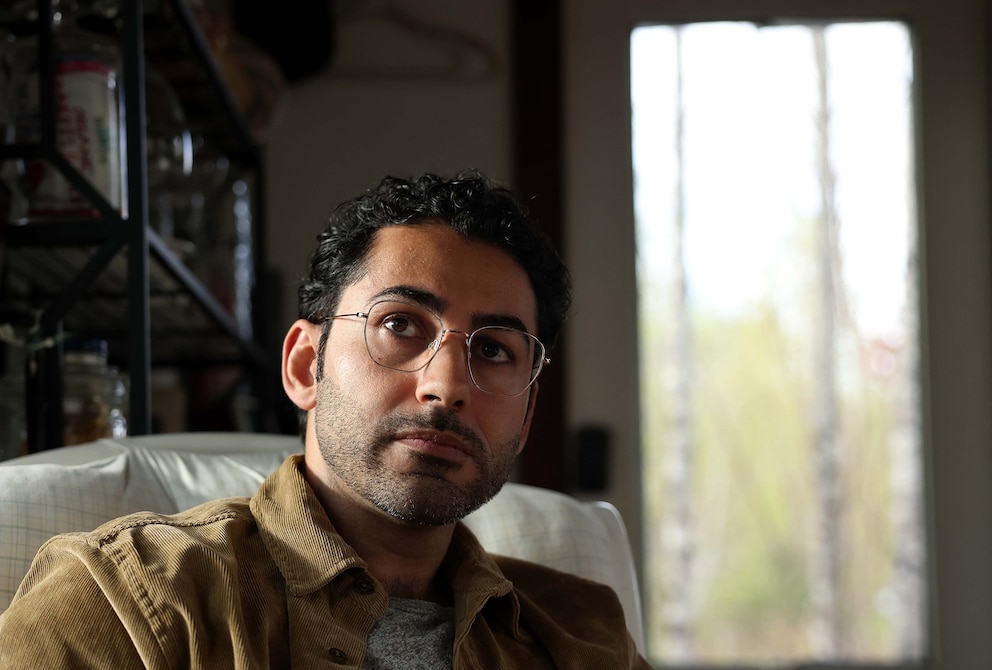
In that case, Becker argued Tuesday that Mahdawi posed a potential threat to national security, referencing a 2015 FBI investigation into Mahdawi that stemmed from allegations made by a gun shop owner who said Mahdawi had claimed to have built machine guns in the West Bank to kill Jews.
The Trump administration lawyer also referenced that investigation in proceedings in U.S. District Court, but Judge Geoffrey Crawford noted that Mahdawi was never charged with any crime and ordered his release from immigration detention in April.
In court on Tuesday, Mahdawi's attorney, Michael Tan, with the American Civil Liberties Union, defended Mahdawi's release, saying the FBI would have continued its investigation if the allegations were legitimate.
The appeals court judge William Nardini called that a "dramatic overstatement."
Overall, in both cases, the government argued that no federal court can hear a habeas challenge until the administrative immigration review process runs its course.
Mahdawi’s attorneys, and Öztürk’s attorneys, argued nothing in federal law allows for indefinitely detaining noncitizens before they can appeal the constitutionality of their detention.
“Any other conclusion would give the executive branch a powerful tool of unchecked censorship -- the ability to detain noncitizens as punishment for their political viewpoints, thereby chilling the speech of untold others for as long as the government takes to administer its executive branch immigration procedures,” Mahdawi’s lawyers argued.
Speaking to reporters during a virtual press conference after the hearing Tuesday, Esha Bhandari, with the ACLU, who argued for Öztürk in court, said: “We remain hopeful that the court will recognize that the government's position is extreme and unprecedented. … The day you're put behind bars because you wrote something the government didn't like, or said something the government didn't like, and it keeps you behind bars because it wants you to remain silent, that harm can never be undone, and that's why you need to have immediate access to the courts.”