• Video
  • Shop
  • Culture
  • Family
  • Wellness
  • Food
  • Living
  • Style
  • Travel
  • News
  • Book Club
  • Newsletter
  • Privacy Policy
  • Your US State Privacy Rights
  • Children's Online Privacy Policy
  • Interest-Based Ads
  • Terms of Use
  • Do Not Sell My Info
  • Contact Us
  • © 2026 ABC News
  • News

Oregon reports biggest daily COVID-19 case total, wildfires contributing to recent rises
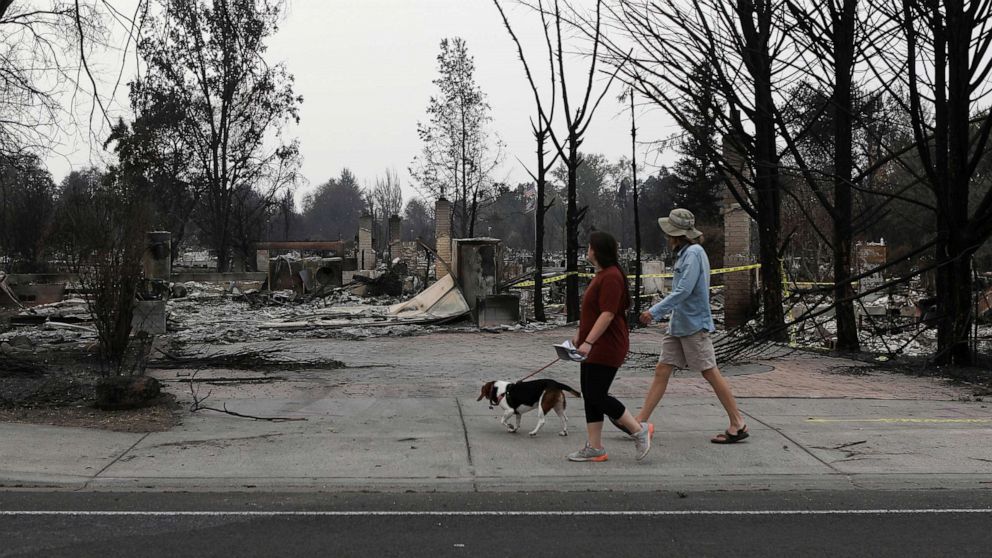
1:37
Headlines from ABC News Live
Jim Urquhart/Reuters
ByEmily Shapiro
September 26, 2020, 6:44 PM

After weeks of steady decline, COVID-19 cases are rising in Oregon, in part due to Labor Day gatherings, college students returning to school and the state's recent wildfires, according to the Oregon Health Authority.

The state agency reported 457 new cases on Friday -- the single highest daily total since the pandemic began.

Oregon's coronavirus total now stands at over 32,000 cases.

Among the recent cases was an outbreak connected to Pacific Seafood in Clatsop County, the Oregon Health Authority noted Friday. That outbreak investigation began on Sept. 15 and now has been linked to 79 people with COVID-19.

Related Articles

MORE: Twin disasters: How the West Coast fires might impact the COVID-19 pandemic

The recent wildfires in Oregon, which erupted earlier this month, likely played a role in the COVID-19 uptick, Oregon Health Authority spokesperson Tim Heider told ABC News on Saturday.
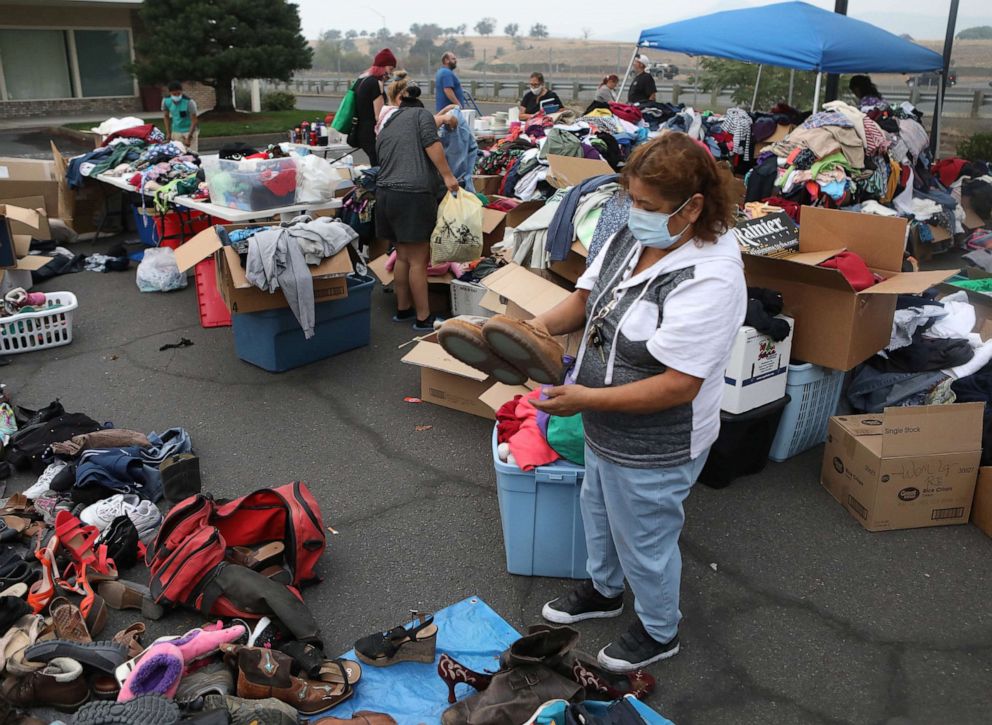
Maria Arevalo searches for donated clothing after her home, in a largely Latino neighborhood, was destroyed by a wildfire that came through the area in Phoenix, Ore., Sept. 22, 2020.
Jim Urquhart/Reuters

When people fled the wildfires, their social distancing efforts could have been compromised if they went to stay with families, friends or at a shelter.
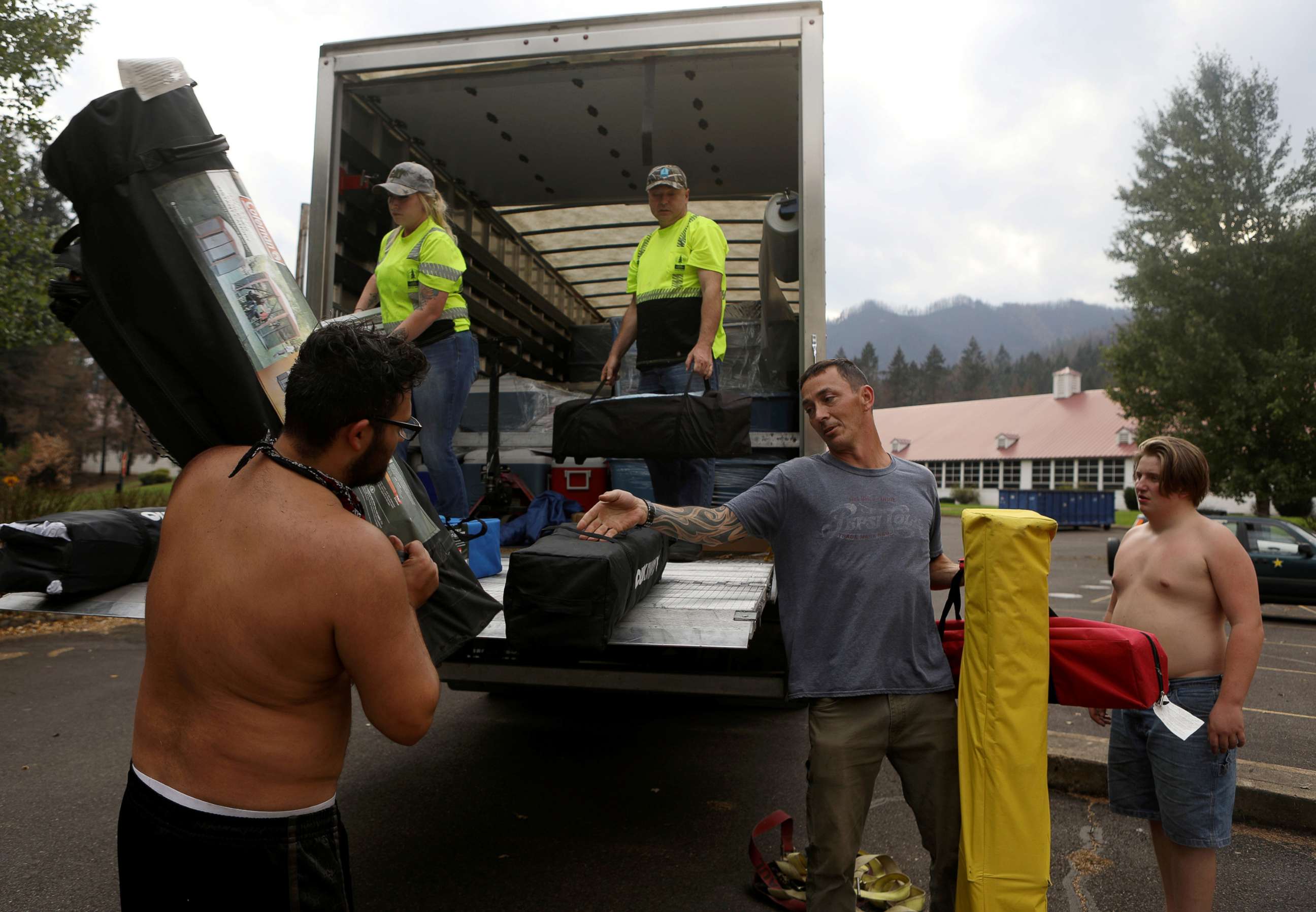
Volunteers and Lane County employees unload supplies for the community after a wildfire came through the area in Blue River, Ore., Sept. 23, 2020.
Jim Urquhart/Reuters

There have been "testing interruptions in fire ravaged areas of the state" as well as "higher numbers of people seeking care for respiratory illnesses due to subsequent poor air quality," Heider said.

Bad air quality could make people more susceptible to COVID-19 and similar illnesses.

Related Articles

MORE: How to protect yourself from low air quality, pollution amid raging wildfires

"Air pollution makes COVID-19 worse, especially if you have underlying conditions," Dr. Simone Wildes, an infectious disease specialist at South Shore Health and ABC News Medical Unit contributor, said last week. The combination of airway inflammation caused by irritants in smoke plus underlying conditions such as asthma or chronic obstructive pulmonary disease create a "perfect storm" for poor COVID-19 outcomes, she said.

Oregon has one of the lowest coronavirus infection rates in the U.S., Heider added.

ABC News' Dr. Leah Croll contributed to this report.

Up Next in News—

Barack, Michelle Obama reflect on new presidential center, greatest White House legacy

June 18, 2026

Knicks victory parade comes with increased security, street closures in New York City

June 17, 2026

British prime minister announces social media ban for kids 16 and under

June 15, 2026

Residents fight to keep AI data center campus away from Nashville Zoo

June 12, 2026

Shop GMA Favorites

ABC will receive a commission for purchases made through these links.

Sponsored Content by Taboola

The latest lifestyle and entertainment news and inspiration for how to live your best life - all from Good Morning America.
  • Contests
  • Terms of Use
  • Privacy Policy
  • Do Not Sell My Info
  • Children’s Online Privacy Policy
  • Advertise with us
  • Your US State Privacy Rights
  • Interest-Based Ads
  • About Nielsen Measurement
  • Press
  • Feedback
  • Shop FAQs
  • ABC News
  • ABC
  • All Videos
  • All Topics
  • Sitemap

© 2026 ABC News
  • Privacy Policy— 
  • Your US State Privacy Rights— 
  • Children's Online Privacy Policy— 
  • Interest-Based Ads— 
  • Terms of Use— 
  • Do Not Sell My Info— 
  • Contact Us— 

© 2026 ABC News