Overdraft fees could be capped at $5 under new federal rule

Banking customers could save up to $5 billion per year on overdraft fees under a new rule finalized Thursday by the Consumer Financial Protection Bureau.
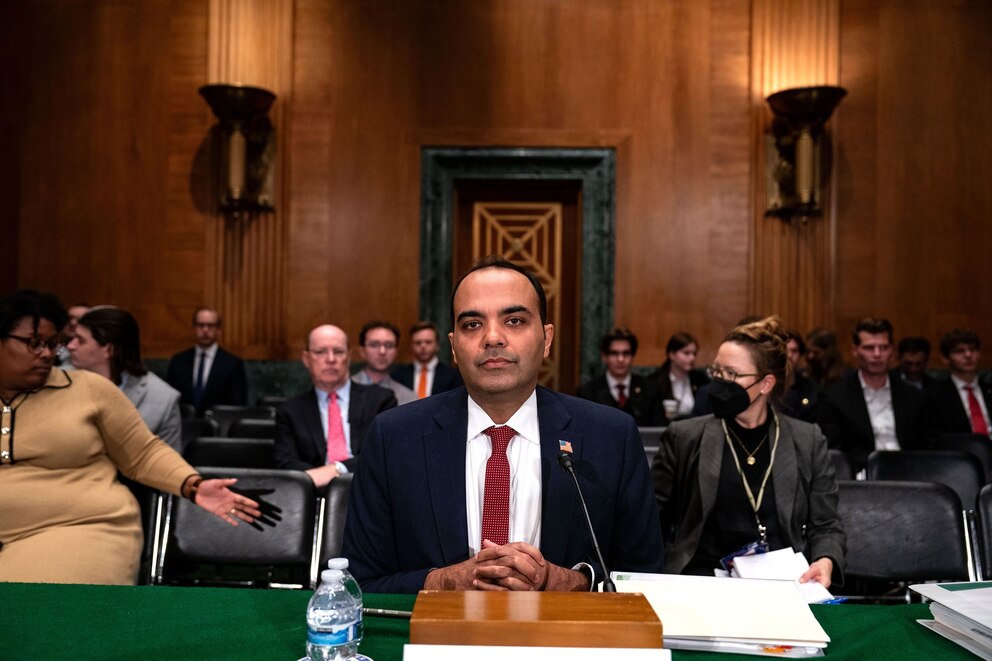
Rohit Chopra, the director of the government watchdog in charge of protecting the public's finances, told ABC News the final rule would cap overdraft fees at $5 for many customers.
That would mark a significant savings from the typical $35 fee that millions of customers pay when they withdraw more money from their checking accounts than they have available. The CFPB estimated the new rule could save the typical household $225 per year.
"Big banks love overdrafts. It is easy profit for them, but it is punishing for so many Americans, especially those who live paycheck to paycheck," Chopra told ABC News in an exclusive interview.
The CFPB announced the proposal in January as part of a broader effort by the administration of President Joe Biden to crack down on so-called junk fees. The new rule will take effect Oct. 1, 2025 -- but legal challenges could delay that timeline. And Republicans in Congress could also pursue avenues to roll back the rules under a Trump administration.
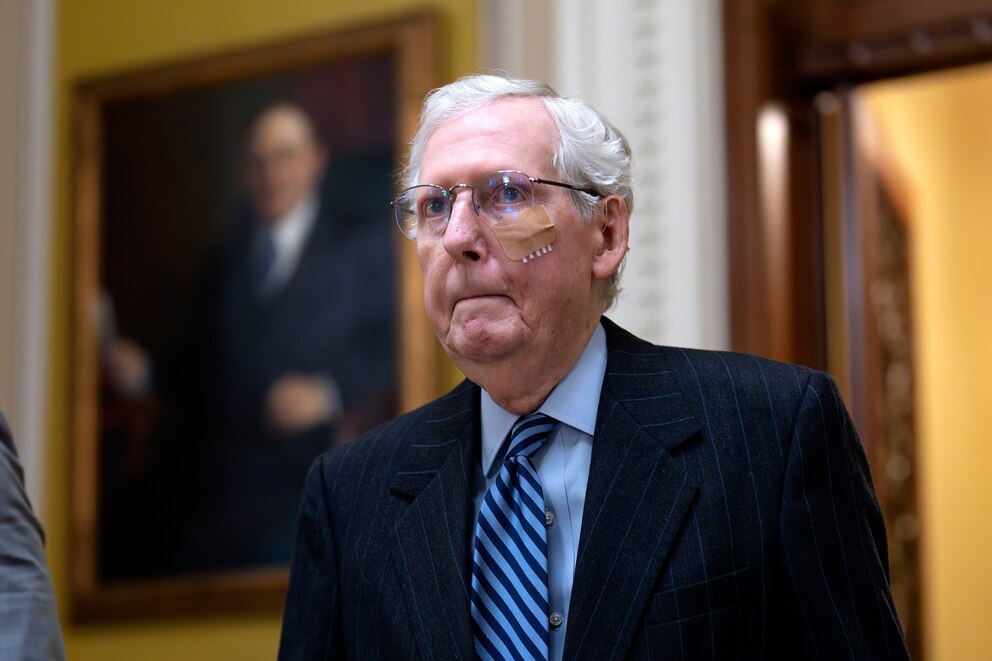
GOP leaders, including Senate Minority Leader Mitch McConnell, have frequently criticized the Biden administration for overreach and "runaway regulation."
Banking industry groups have echoed those concerns. The Consumer Bankers Association (CBA), which represents the nation's biggest banks, called the CFPB rule "blatant overreach of its statutory authority."
"The CFPB's rule jeopardizes access to overdraft services when hardworking Americans face unexpected expenses, leaving them with worse alternatives like payday loans and pawnshops," CBA President and CEO Lindsey Johnson said in a statement to ABC News Thursday.
"The CFPB also disregards the bank-led innovations that have enhanced consumer benefits and delivered significant savings within the overdraft ecosystem over the past decade…CBA is exploring all potential options to ensure consumers continue to have access to this critical safety net," she added.
Some big banks, including Bank of America, Citi and Capital One, already voluntarily lowered or eliminated overdraft fees -- giving heft to the rule, regardless of its final implementation.
"I think some big banks admit that this has gone way too far and gone on way too long. And many of them are even finding that offering low or free overdraft products and services actually helps them gain customers who are looking to be treated fairly," Chopra said.
The CFPB said consumers still paid a total of nearly $6 billion in overdraft fees last year.
Under the final rule announced Thursday, banks and credit unions will have three different options. They can limit all overdraft fees at $5, which is the amount the CFPB estimated will allow institutions to break even when they offer courtesy overdraft programs.
Banks can also choose to set their fees at "an amount that covers their costs and losses."
Or if banks choose to make money from overdraft fees, they will be forced to disclose terms of the loan to customers clearly -- in the same way customers may agree to high interest rates associated with credit card loans.
"If your bank is charging you big overdraft fees or reordering your payments to enrich themselves, you need to break up with your bank. There are so many local banks, credit unions and others that are offering a better deal, and you should take your business elsewhere," Chopra said.
The CFPB rule would apply to banks with more than $10 billion in deposits.