Ozone hole over Antarctica is 'largest' and 'deepest' it's been in years, researchers say
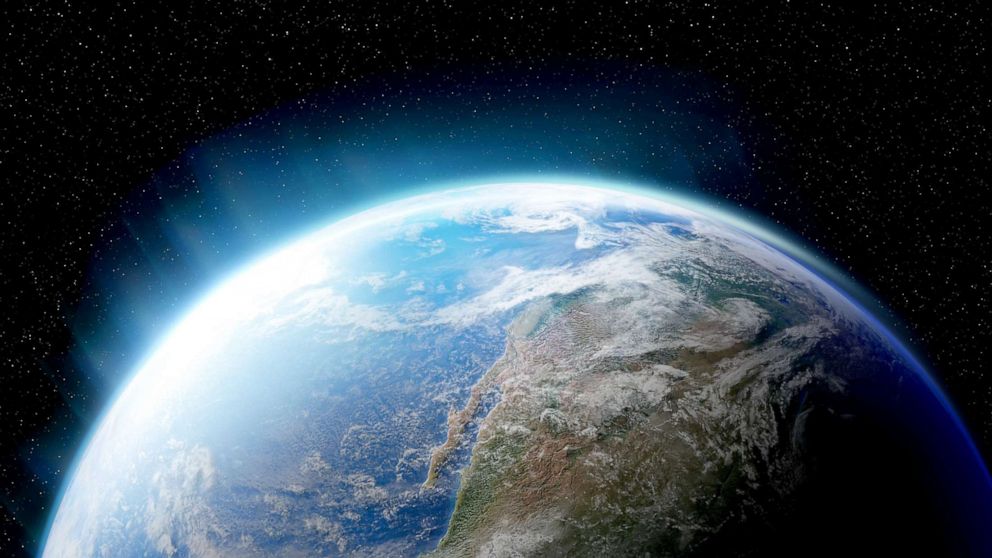
The ozone hole over Antarctica has grown to its "maximum size" just one year after researchers reported that it was at its smallest since its discovery.
The hole, which occurs annually, grew "rapidly" from mid-August and peaked in early October at about 9.2 million square miles, the World Meteorological Organization announced on Tuesday.
It is at its "largest" and "deepest" in recent years, according to WMO, and was driven by a strong, stable and cold polar vortex, which kept the temperature of the ozone layer over Antarctica consistently cold.
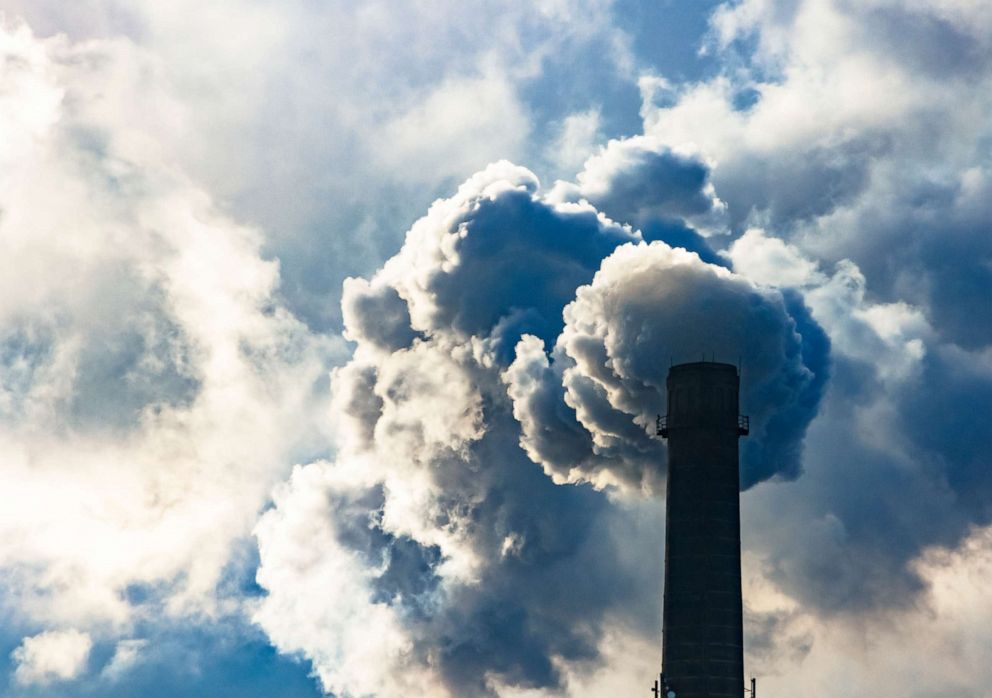
Ozone depletion is directly related to the temperature in the stratosphere, as polar stratospheric clouds only form at temperatures below -78 degrees Celsius. The polar stratospheric clouds contain ice crystals that can turn non-reactive compounds into reactive ones, an important role in the chemical destruction of the ozone, which protects Earth from the harmful ultraviolet rays of the sun.
Continued depletion of the ozone occurred after the sun returned to the South Pole in recent weeks and solar radiation ignited the chemical reactions, according to WMO.
The hole will begin to return to its normal size after mid-October, when temperatures in the atmosphere begin to rise.
At this time last year, scientists were happy to report that the hole had shrunk to its smallest size since it was discovered.
Abnormal Antarctic weather was responsible for the occurrence rather than efforts to reduce fuel emissions, according to NASA.
WMO monitors the Earth's ozone layer in conjunction with partners such as the Copernicus Atmospheric Monitoring Service, NASA and the Environment and Climate Change Canada.
This year's hole resembles the one that formed in 2018, which was also a considerable size.
"There is much variability in how far ozone hole events develop each year," the director of Copernicus Atmosphere Monitoring Service, Vincent-Henri Peuch, said in a statement.
Peuch called for the continued enforcement of the 1987 international Montreal Protocol, which bans emissions of ozone-depleting chemicals. Data "clearly show a trend in decreasing area of the ozone hole" since a ban on halocarbons was enacted, according to WMO.
The ozone layer, however, has the potential to return to pre-1980 levels over Antarctica by 2060, a scientific assessment published by the WMO and the United Nations in 2018 concluded.