• Video
  • Shop
  • Culture
  • Family
  • Wellness
  • Food
  • Living
  • Style
  • Travel
  • News
  • Book Club
  • Newsletter
  • Privacy Policy
  • Your US State Privacy Rights
  • Children's Online Privacy Policy
  • Interest-Based Ads
  • Terms of Use
  • Do Not Sell My Info
  • Contact Us
  • © 2026 ABC News
  • News

Parents Opt Not to Separate Conjoined Twin Boys
NaN:NaN
Conjoined Twins Arrive Home After Defying Odds
WTAE
ByGILLIAN MOHNEY and LIZ NEPORENT
April 25, 2014, 3:01 PM

— -- With a minuscule chance both of their conjoined twin boys would survive separation surgery, a Pennsylvania couple has made the decision to keep their babies conjoined.

“The best thing is to keep them together,” their mother, Michelle Van Horne, told ABC News. “They were born together they can stay together. It would hurt to lose one and have the other.”

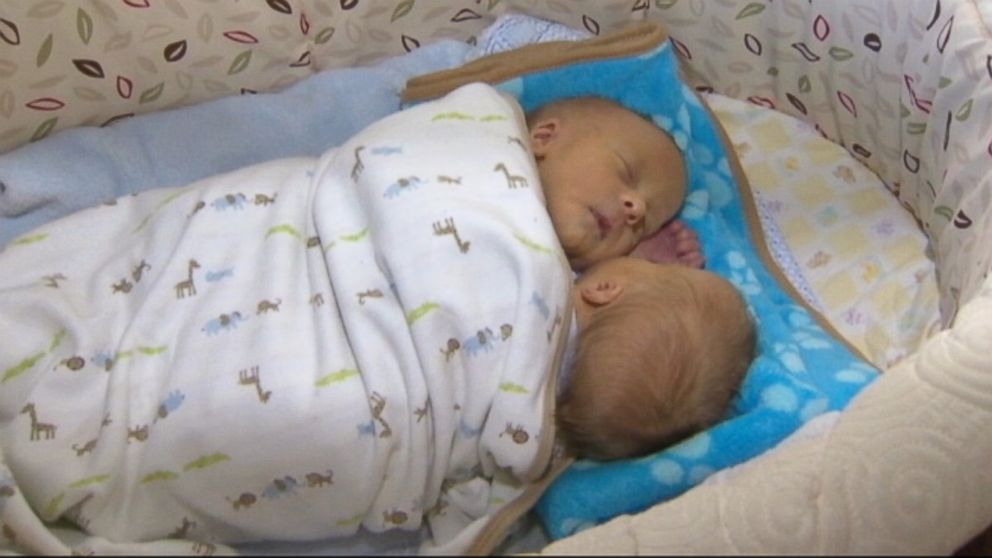
Conjoined twins, Andrew and Garrett Stancombe, were born last week in a Pennsylvania hospital. Doctors say it is too risky to separate them.

Andrew and Garette Stancombe were born two weeks ago in Indiana, Pa., joined from the breastbone to the waist. Doctors said it was too medically risky to separate them, giving them between a 5 and 25 percent chance of survival. They share a heart and a liver and, their parents said, an unbreakable bond.

“We’re grateful they have been able to survive this long and they’re both going strong,” said the boy’s father, Kody Stancombe.

Van Horne added, “Losing them isn’t an option.”

Today, the Stancombe twins are heading home, where they will join their older brother, 23-month-old Ryan Stancombe.

Last week, another set of conjoined twins, 9-month-old Owen and Emmitt Ezell, also left the hospital and will eventually make it home after a few months in a rehab facility. The Ezell twins shared a liver and intestines and were successfully separated last year. While their surgeon, Dr. Tom Renard of Medical City Children’s Hospital in Dallas, said their surgery was “tricky”, they are expected to thrive from here on out.

Van Horne said her favorite thing about her babies is “just spending time with them.” Her biggest fear is losing them.

“I feel like I am living on pins and needles,” she said.

The Stancombe twins had a less than 25 percent chance of surviving separation surgery.

According to the Children’s Hospital of Philadelphia, conjoined twins occur once for every 50,000 to 60,000 births and approximately 75 percent of conjoined twins are joined at the chest.


Related: Formerly Conjoined Twins Meet Famous Dolphin

Up Next in News—

This San Francisco shop is run completely by an AI agent

April 23, 2026

Mother charged after teen son allegedly hits and injures 81-year-old veteran while riding e-motorcycle

April 23, 2026

UK bill banning smoking products for those born after 2008 is one step away from becoming law

April 22, 2026

Pilot killed in Florida plane crash hailed as hero

April 21, 2026

Shop GMA Favorites

ABC will receive a commission for purchases made through these links.

Sponsored Content by Taboola

The latest lifestyle and entertainment news and inspiration for how to live your best life - all from Good Morning America.
  • Contests
  • Terms of Use
  • Privacy Policy
  • Do Not Sell My Info
  • Children’s Online Privacy Policy
  • Advertise with us
  • Your US State Privacy Rights
  • Interest-Based Ads
  • About Nielsen Measurement
  • Press
  • Feedback
  • Shop FAQs
  • ABC News
  • ABC
  • All Videos
  • All Topics
  • Sitemap

© 2026 ABC News
  • Privacy Policy— 
  • Your US State Privacy Rights— 
  • Children's Online Privacy Policy— 
  • Interest-Based Ads— 
  • Terms of Use— 
  • Do Not Sell My Info— 
  • Contact Us— 

© 2026 ABC News