With passage to India, Trump following in footsteps of his predecessors
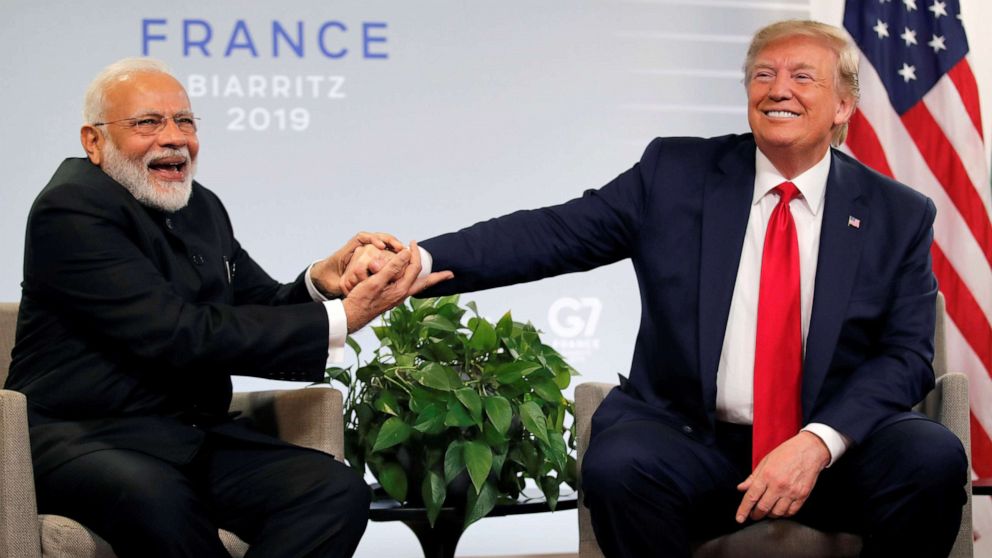
President Donald Trump's "America First" worldview has, at times, shaken the foundation of some of the United States' traditional alliances and earned the 45th president the reputation as a disrupter on the world stage.
What makes his approach to India unique is how remarkably consistent he has been in advancing the same core goals of his predecessors in looking to deepen the strategic and symbolic alliance, despite simmering tensions over trade.
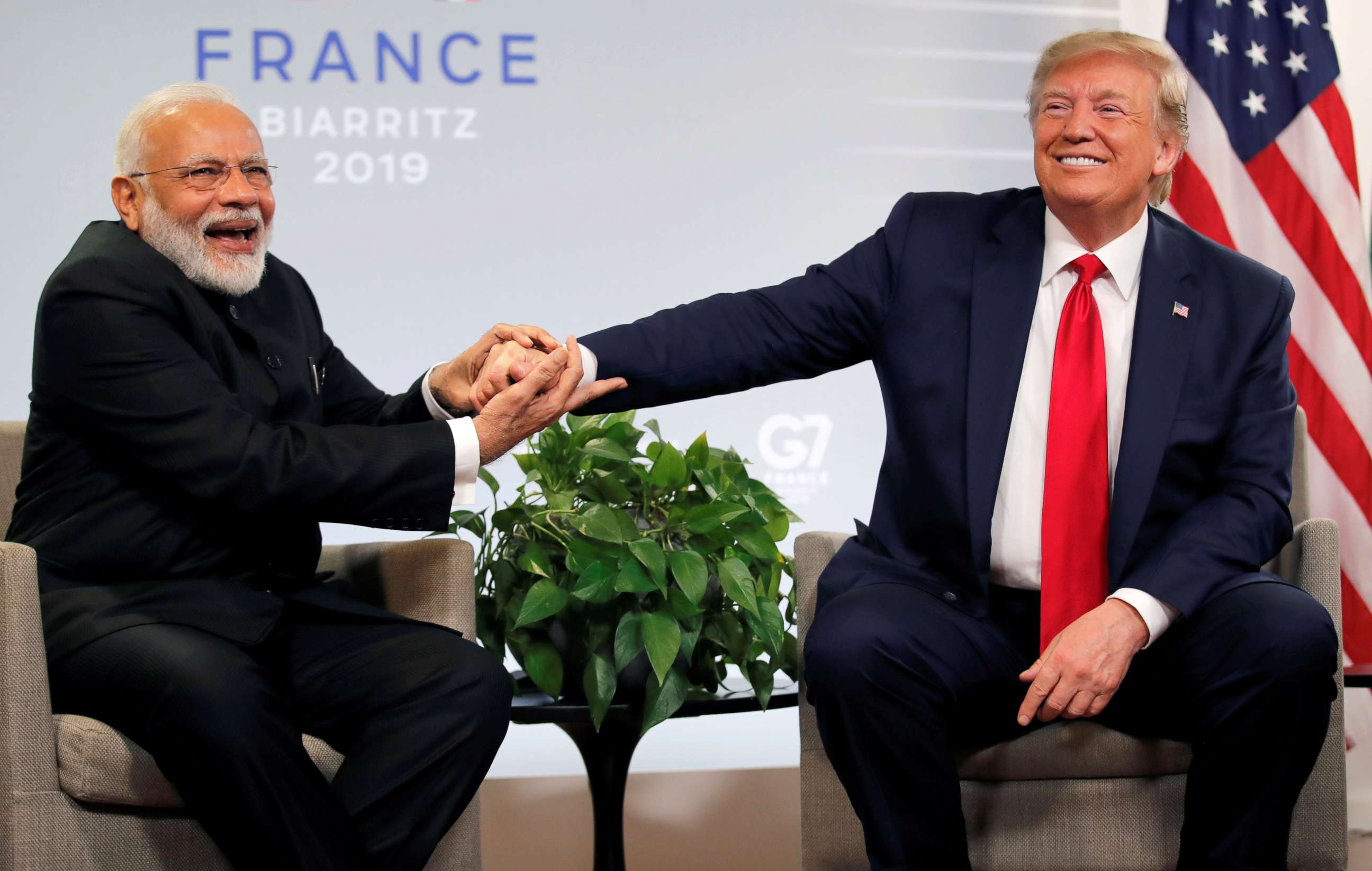
As Trump touched down in India on Monday, he became the fourth consecutive U.S. president to visit the world's largest democracy. The brief, two-day visit is expected to be heavy on ceremony and light on substance, but is a symbolic display of the close alliance between the two nations.
But it wasn't always the case that relations between the U.S. and India were so warm and American presidents made a point of visiting.
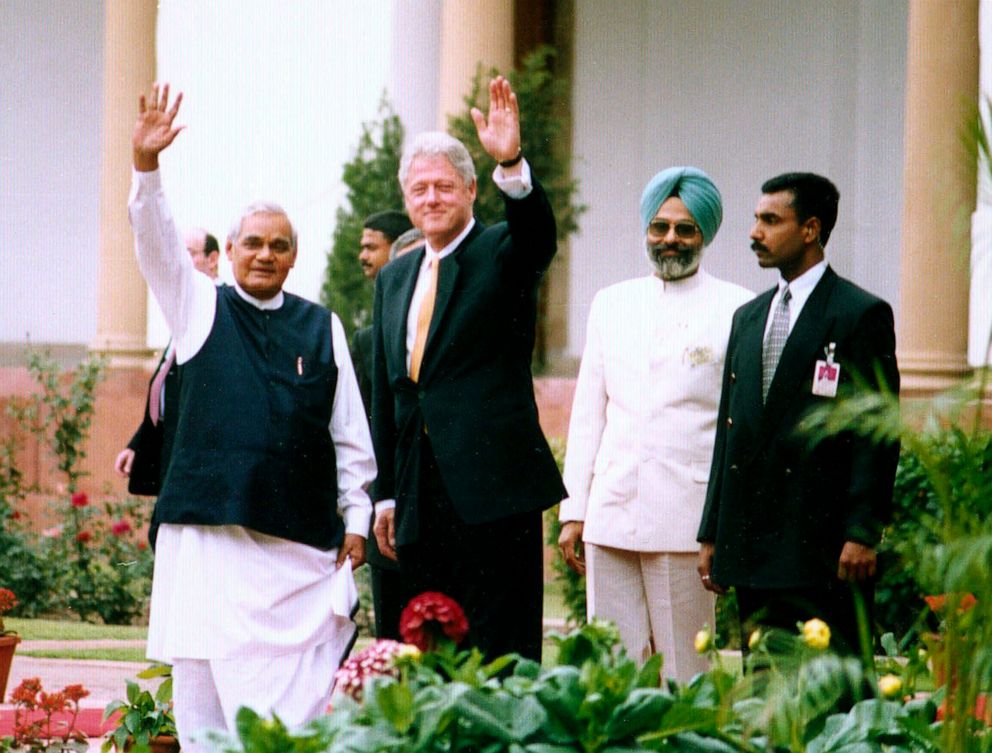
President Bill Clinton broke what had been a 22-year drought with a five-day charm offensive in 2000 and opened the door for a new chapter in the U.S.-India relationship at a time when China's ascent made a strategic U.S.-India partnership attractive.
Bruce Riedel of the Brookings Institution organized Clinton's historic visit and compared his welcome to a rock star's.
"The nearest thing I can say to it was it must've been like what it was when The Beatles came to America for the first time. It was just crazy -- enormous crowds everywhere he went -- and this for the man who had just imposed the most intense economic sanctions on India in the history of the bilateral relationship, which were still in place during that visit. The outpouring was enormous," Reidel said.
Ever since, visiting U.S. presidents have come to consistently enjoy India's warm embrace.
"In some ways, American presidents go to India to feel loved," said Tanvi Madan, also of the Brookings Institution.
It's unbridled affection that President George W. Bush also benefited from when he visited India in 2006.
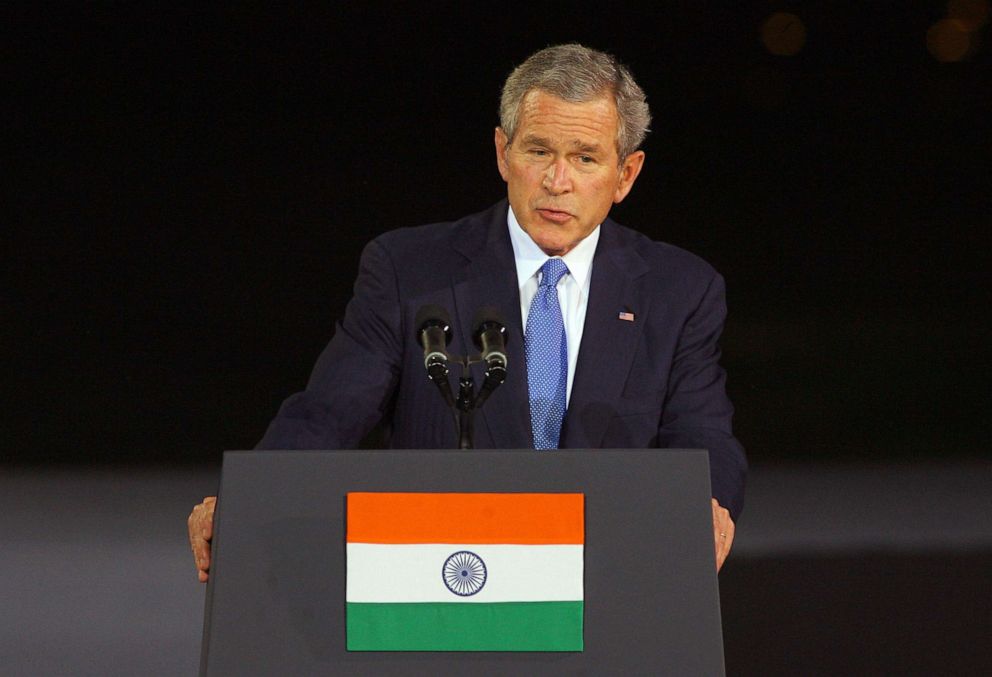
"Even President Bush, who was not considered to be very popular around the world, when he went to India towards the end of his administration, when he was getting criticized in U.S. allies and in other places, his popularity rating was very high and his favorability ratings were very high in India. Prime Minister Manmohan Singh then hugged him and told him that, 'All of India loves you.'"
But Bush's visit to India wasn't without its detractors. Thousands of Indians, most of them Muslim, also came out to protest Bush over their opposition to the war in Iraq.
Beyond the pomp and protest of Bush's visit, his trip locked in the budding friendship between the two nations as a strategic alliance with the signing of a landmark nuclear agreement by which the U.S. effectively recognized India as a nuclear power.
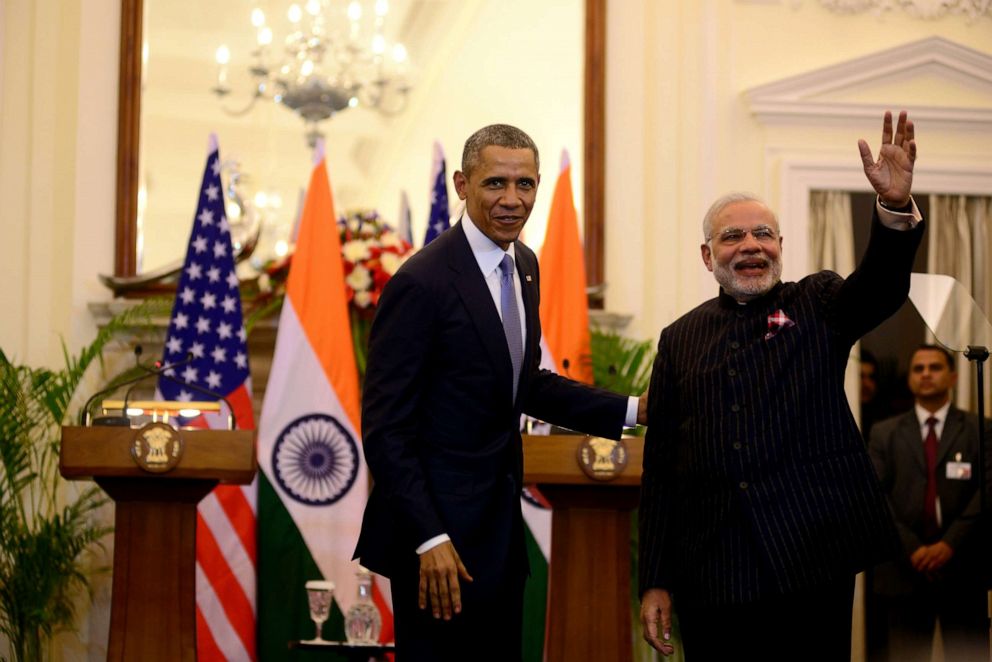
President Barack Obama sought to deepen the U.S.-Indian alliance still further, and in a demonstration of that prioritization, he became the first American president to make the passage twice.
"I am the first American president to come to your country twice. But I predict I will not be the last. Because, as Americans, we believe in the promise of India," Obama said during his 2015 visit.
This report was featured in the Feb. 25 episode of “Start Here,” ABC News’ daily news podcast.
"Start Here" offers a straightforward look at the day's top stories in 20 minutes. Listen for free every weekday on Apple Podcasts, Google Podcasts, Spotify, the ABC News app or wherever you get your podcasts.