How penguin poop can help to mitigate climate change

Penguins could be playing a crucial role in stabilizing the climate in Antarctica when they go No. 2, according to new research.
The ammonia in penguin guano -- or poop -- could help to reduce the impacts of climate change by contributing to increased cloud formation, a paper published in Communications Earth & Environment on Thursday found.
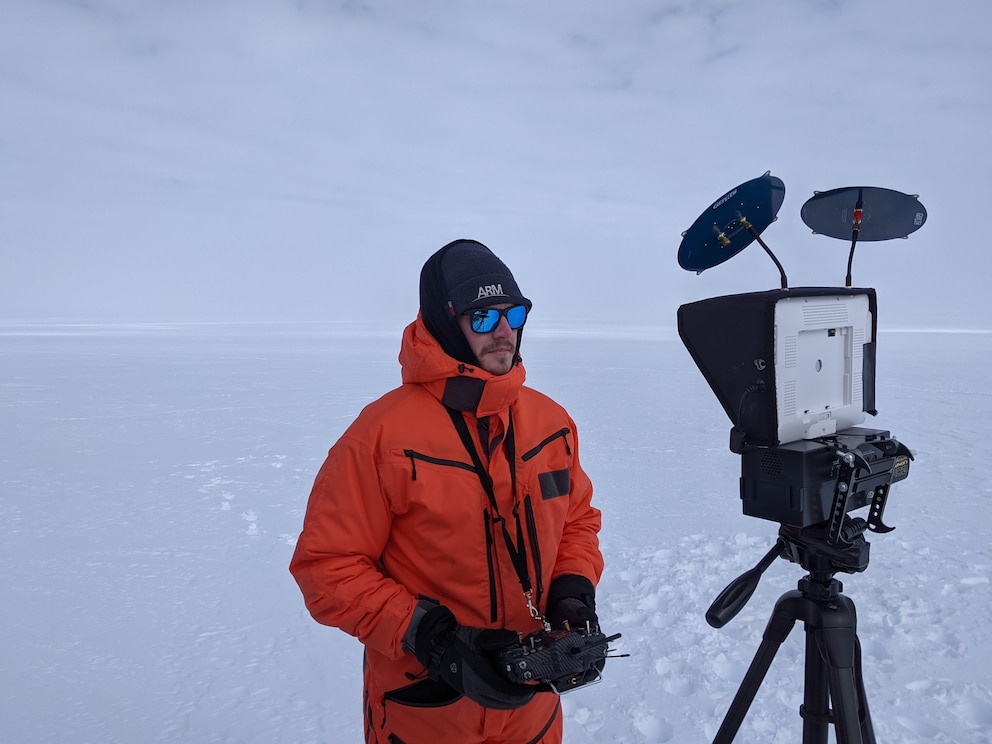
Penguins, a key species in Antarctica, are "major emitters" of ammonia, according to the paper. When the ammonia reacts with gases that contain sulfur emitted from phytoplankton in the ocean, it increases the creation of aerosols, which give water vapor a surface to condense upon and leads to cloud formation, Matthew Boyer, a researcher at the University of Helsinki's Institute for Atmospheric and Earth System Research and lead author of the paper, told ABC News.
"They have a synergistic role for the formation of particles in the atmosphere," Boyer said.
The clouds can then act as an insulation in the atmosphere, helping to reduce surface temperatures, which in turn prevents the sea ice from melting, according to the paper.
The smell of ammonia is quite distinct when in the proximity of penguin colonies, Boyer said.
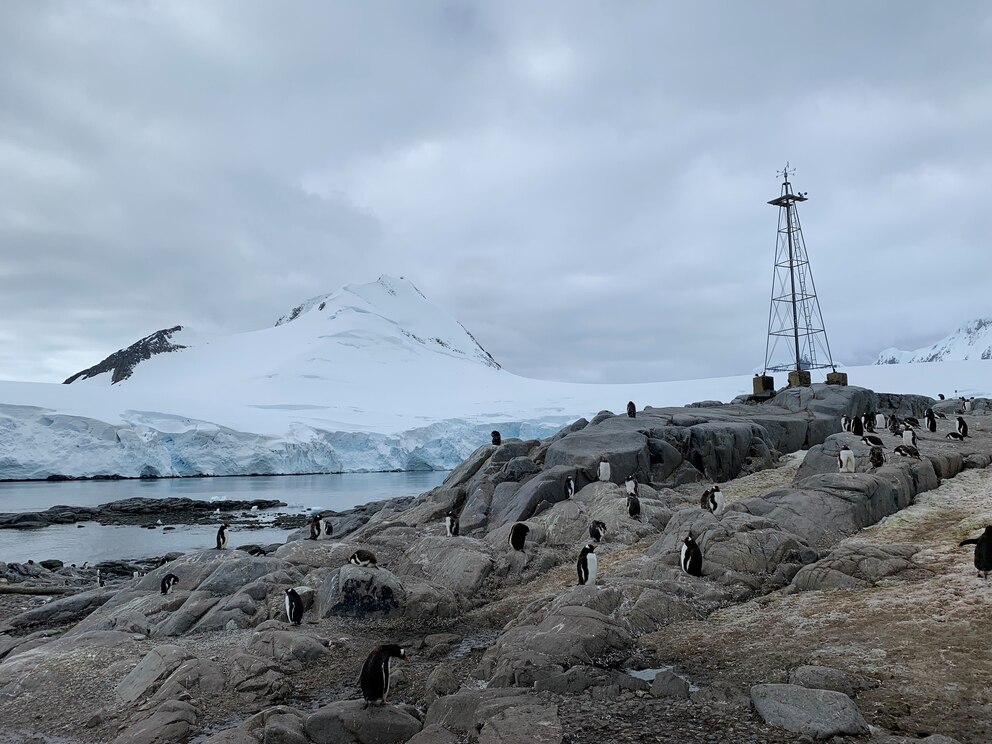
The researchers spent two months from January to March 2023 measuring the concentration of ammonia in the air near a colony of 60,000 Adelie penguins at Marambio Base in Antarctica. They observed that when the wind blew from the direction of the colony, the ammonia concentration increased to more than 1,000 times higher than the baseline value, according to the paper.
Ammonia concentrations remained more than 100 times the baseline even after the penguins migrated from the area, as the poop left behind continued to emit ammonia, the researchers said.
The scientists recorded several additional atmospheric measurements on a single day to confirm that the increase in ammonia concentration affected aerosol particle concentration, according to the paper.
They found that when the wind blew from the penguin colony, the number and size of aerosol particles sharply increased. A fog that remained three hours after the wind charged was likely a result of the increased concentration of aerosol particles, the researchers said.
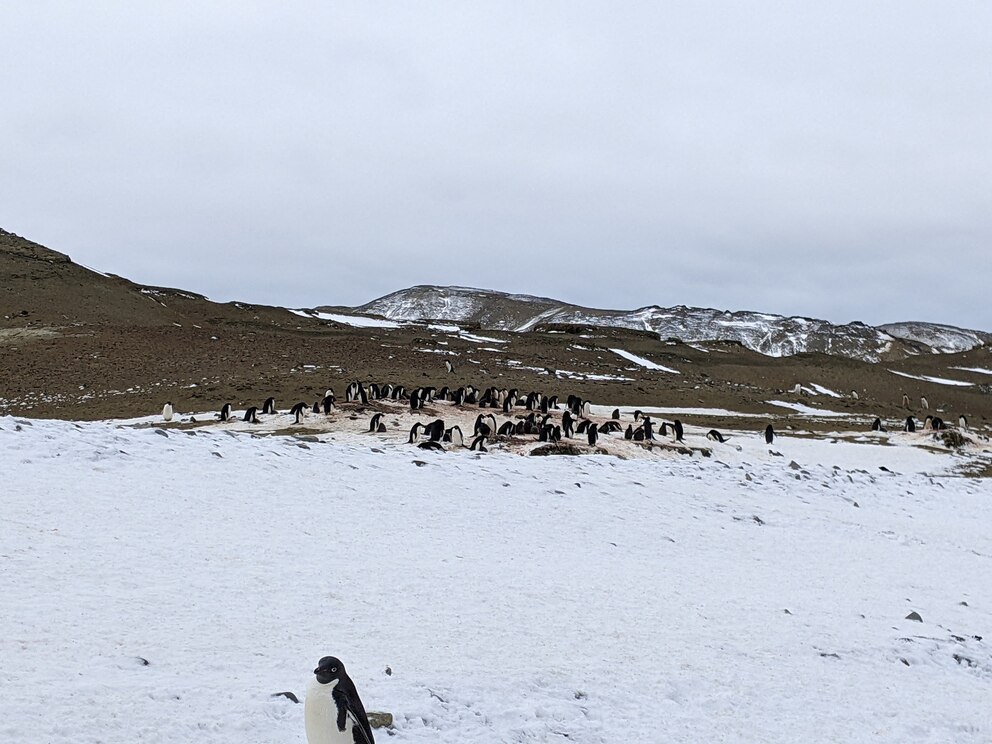
The poop is likely helping to reduce the impacts of climate change on the continent, further highlighting the necessity of protecting native ecosystems and biodiversity, which are critical to mitigating climate change.
"What we have demonstrated is that there is a deep connection between ecosystem processes -- being the ocean phytoplankton activity as well as penguins -- and atmospheric processes that can have an impact on the local climate," Boyer said.
As the local climate in Antarctica changes and evolves, it will have an influence on climate systems in the rest of the world, Boyer said.
The ice, ocean and ecosystems in Antarctica play a critical role in regulating global temperatures, scientists say. But researchers are closely watching as climate change causes rapid melt of ice on the continent, due to its contribution in helping to drive important ocean currents, slow global warming and acting as a carbon sink.
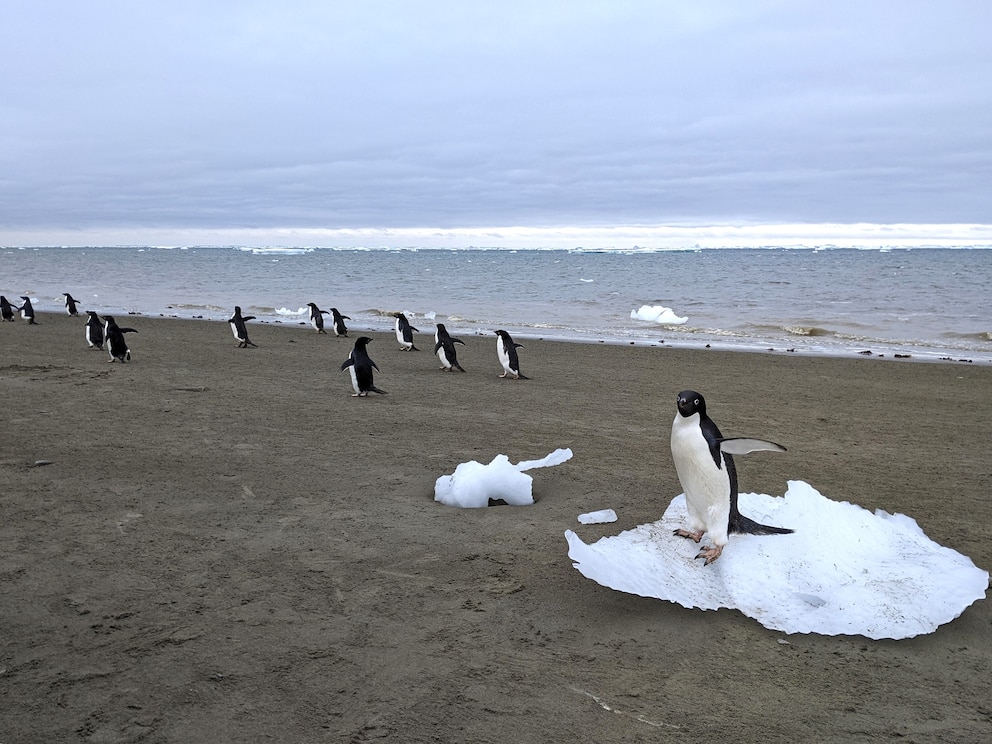
The western portion of the continent is in particular peril of ice shelf retreat. The region includes the Thwaites glacier, nicknamed the "Doomsday Glacier," which could contribute to 10 feet of sea level rise if it were to melt. Thwaites is among the fastest-changing glaciers in the region.
"Really, understanding what's happening locally in Antarctica ... allows us to predict how things could change in the future for other regions of the planet too," Boyer said.