A Pennsylvania sheriff struck a deal with ICE. Months later, he was voted out.

A Philadelphia-area sheriff was ousted last week after facing criticism from his Democratic opponent and rights groups over a partnership he forged with federal immigration authorities.
Fred Harran, the Republican sheriff of Bucks County, signed up in April for the United States’ Immigration and Customs Enforcement (ICE) 287(g) program, which delegates some federal immigration responsibilities to local law enforcement departments.
Under the agreement, some Bucks County deputies can “enforce limited immigration authority while performing routine police duties, such as identifying an alien at a DUI checkpoint and sharing information directly with ICE,” according to an ICE webpage describing the program.
Out of three models, Harran chose the one that grants the most authority to local deputies.
Hundreds of local law enforcement agencies across the country, including five other Pennsylvania sheriff’s offices, have chosen to participate in that model, called the Task Force Model. The other models allow local agencies to deal only with suspected undocumented immigrants already in custody or facing criminal charges.
Seventeen law enforcement officers in Bucks County received ICE training as part of the agreement, according to Harran.
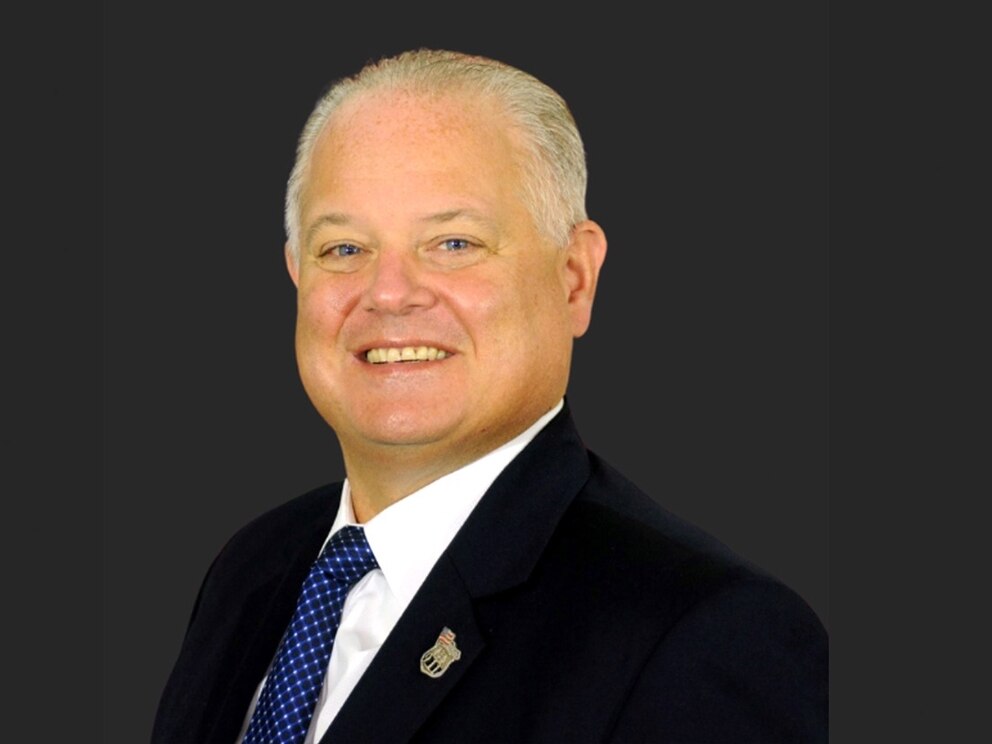
The agreement drew the outrage of now Sheriff-elect Danny Ceisler, a 33-year-old Army veteran and lawyer who worked for a time as a public safety official in Gov. Josh Shapiro’s administration.
Ceisler led the “Issues” page of his campaign website with an argument against Harran’s ICE partnership, calling it “a political stunt that wastes resources, erodes trust, and puts our communities at greater risk.”
In an interview with ABC News, Ceisler called it “the biggest issue in the race, with or without me.”
“I think people understood – and I tried to make the case – that this was a race being watched by law enforcement all over the country, because this was the swing district in the swing state, and this was the first referendum on not only ICE, but specifically local law enforcement partnering with ICE,” Ceisler said.
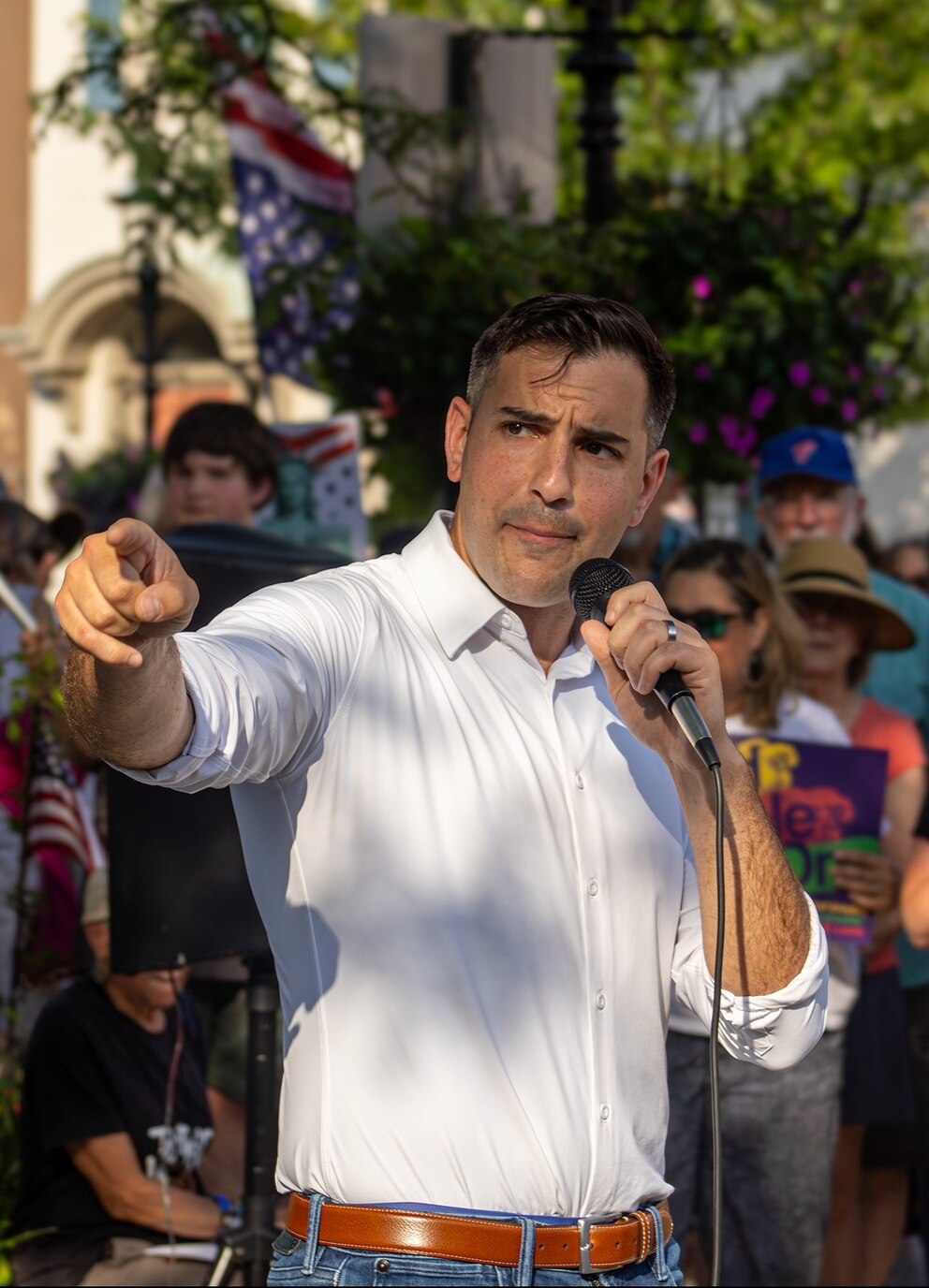
“Elected sheriffs all over the country were going to see, did the guy who backed ICE and went out on a limb for Trump win reelection because of it or lose reelection because of it? So I felt the stakes of the race, and I felt tremendous responsibility to run an effective campaign and win to send a message to sheriffs all over the country that this is a bad idea.”
Ceisler told ABC News he will impose a moratorium on the agreement on his first day in office and seek to formally withdraw from it within his first six weeks.
Ceisler was aided on the trail by local rights groups, like the American Civil Liberties Union of Pennsylvania, which filed a lawsuit against Harran in June, accusing him of entering into the 287(g) agreement “unlawfully.” Last month, a Court of Common Pleas judge dismissed the suit, writing that the agreement was “clearly lawful."
In an interview with ABC News, Harran said he never intended to use the full scope of the powers the Task Force Model gave him and had not directed his deputies to perform random immigration enforcement.
Asked why he didn’t choose a less aggressive enforcement model, Harran said he “felt like the Task Force Model was able to be massaged into what I wanted to do, where the others were not.”
He also argued the ICE partnership did not sway the election; in his opinion, he was a victim of an election cycle that saw Republicans suffer losses in heavy doses across multiple states.
“Jesus Christ could have been running, and if he had an R next to his name, he was going to lose,” Harran told ABC News.
He said if 287(g) was a winning issue for Democrats, Ceisler would have run television ads criticizing the partnership. Ceisler told ABC News the issue was too nuanced to compress into 30-second spots and that he opted to focus his ads on his “track record of keeping people safe."
In fact, according to Harran, the immigration issue was “a positive” for him as a Republican.
However, he did not run any ads touting the agreement, either.
“We didn’t play it up because – I don’t know why. We just didn’t play it up. And that was a decision made by consultants,” he told ABC News.
Harran lost by roughly 25,000 votes, according to county data, on par with several other county-wide Republican candidates.